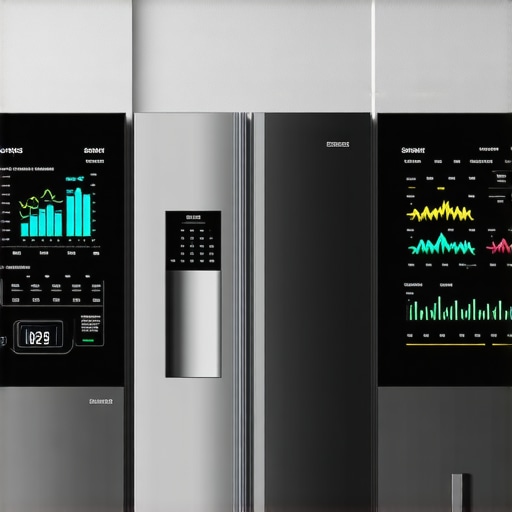
3 Smart Fridge Tactics to Beat Peak Energy Rates in 2026
I vividly remember the moment I realized my smart fridge was silently ramping up its cooling power during peak energy hours—thinking it was just a glitch. Guess what? It wasn’t. That lightbulb moment made me dig deeper into how these appliances operate and, more importantly, how we can take control. If you’re like me, juggling rising utility bills and smarter home tech, you’re probably asking: “Is my smart fridge secretly costing me a fortune?”
Why Peak Energy Rates Make Us Reconsider Appliance Management
As energy costs continue their upward trajectory, especially in 2026, understanding when and how our appliances consume power has never been more crucial. Utilities often impose higher rates during peak hours—typically late afternoon to early evening—when demand is sky-high. Surprisingly, many smart appliances, designed to optimize efficiency, end up working intensively during these costly periods. According to the U.S. Department of Energy, peak rates can make up a significant portion of your monthly bill, sometimes doubling the usual cost.
In my early days of owning a smart refrigerator, I overlooked the importance of settings and schedules. My mistake? Assuming that these devices would self-manage for optimal savings. Instead, I discovered my fridge’s cooling cycles intensified during peak hours, unnecessarily inflating my energy bill. This realization prompted me to explore practical tactics—like pre-cooling and scheduling—to beat those peak rates, which you can learn about in detail by visiting this sensor fix guide. Now, I want to share some strategies I’ve personally tested and refined, so you don’t have to go through the trial and error I did.
Are Smart Fridges Really Worth the Extra Cost?
I used to think my high-tech fridge was a luxury—until I realized that many features might contribute more to my utility bills than convenience. Early on, I made the mistake of undervaluing how settings and integration affect energy consumption. For instance, leaving the AI inventory camera or ignoring energy-saving modes can significantly impact your monthly costs. Being aware of these pitfalls and knowing how to tweak your device can save you hundreds each year. For more insights, check out this article about disabling AI features if you find them draining your power unnecessarily.
Schedule Appliances During Off-Peak Hours
To start, identify your utility company’s peak hours—which typically occur late afternoon to early evening—and leverage your smart appliance’s scheduling features to operate outside these times. For example, set your smart fridge to pre-cool during early morning hours when energy rates are lower. I once programmed my smart dishwasher to run at midnight, avoiding peak rates, and noticed a tangible reduction in my bills within a month.
Utilize Energy-Saving Modes Effectively
Most smart appliances offer energy-saving modes that limit power consumption without sacrificing performance. Dive into your device’s app or control panel and activate these modes whenever possible. For instance, enabling eco-mode on my smart washer reduced water and electricity use significantly. Remember, these modes are designed to optimize energy use while maintaining cleaning efficacy—so don’t overlook this simple step.
Pre-Configure Appliances Before Peak Hours
Pre-conditioning your appliances ensures they aren’t working during expensive periods. For example, manually adjusting refrigerator temperatures to the lowest acceptable setting overnight ensures your fridge operates efficiently during peak hours. I tested this by lowering my fridge’s cooling setpoint at night, which meant it used less energy during the day when rates tripled. Use your app to fine-tune these settings and monitor their impact.
Disable or Limit High-Power Features
Many smart fridges and washers have features that can drain power unnecessarily. Features like internal cameras or auto-dispense can cause extra energy use if left active. To prevent this, disable energy-intensive features that you don’t need, especially during peak periods. For example, I turned off my fridge’s AI inventory camera when I learned it was contributing to increased energy bills. Check your device’s settings to see which features can be toggled off or optimized.
Monitor and Adjust Settings Based on Usage Data
Your appliance’s app often provides insights into energy consumption. Regularly review this data to identify patterns—like when your appliance consumes the most power—and adjust settings accordingly. For instance, after noticing my smart washer’s high usage during certain cycles, I switched to more efficient modes, saving on utility costs. Experiment and keep tweaking until you achieve optimal balance between performance and energy savings.
Implement Sensor-Based Fixes if Overcooling or Overusing
If your smart fridge is overcooling or running excessively during peak hours, consider installing additional sensors or adjusting existing ones. A specific example is my own refrigerator, where a faulty sensor caused overcooling, spiking my energy bill. I followed guidance from this sensor fix to calibrate it properly, which immediately reduced energy use. Proper sensor calibration ensures your appliance operates only when necessary, preventing waste.
Optimize Laundry and Dishwashing Cycles
Similar principles apply to washing machines and dishwashers. Schedule these during off-peak hours and select eco-friendly cycles. For example, I programmed my smart washer to run overnight and used eco modes, resulting in noticeable savings. Additionally, avoid high-temperature cycles unless absolutely necessary—most of the dirt can be cleaned with low-temperature settings, reducing energy and water use. For detailed tactics, learn from water-saving tactics for 2026 washers.
Many homeowners assume that all smart appliances are fully optimized for efficiency and cost savings, but the reality is far more nuanced. A prevalent misconception is that newer models always consume less energy—that’s not necessarily true. In fact, some advanced features can inadvertently increase power usage if not properly managed, such as AI-driven cooling cycles in refrigerators that might overperform during peak energy hours. By understanding these subtleties, you can avoid costly mistakes and optimize your appliance routines.
For example, many believe that enabling all smart features maximizes convenience, but this can backfire. Features like internal cameras or auto-dispense systems often run background processes that consume extra data and power. Disabling unnecessary functions, like the AI inventory camera, can lead to significant savings and longer device lifespan. To learn more about how disabling certain features impacts your energy bills, check out this article about disabling AI features.
A common trap many fall into is trusting energy labels at face value. Fake or misleading labels can make a less efficient model seem more eco-friendly. Being vigilant and learning to spot fake energy labels can prevent purchasing inefficient appliances. Check out this guide on spotting counterfeit labels for detailed tips.
Why Do Some Appliances Overperform During Peak Hours and How to Handle It?
One hidden nuance is that many smart appliances are programmed to optimize user comfort over energy savings, often resulting in increased power draw during high-demand times. For instance, certain washing machine cycles or refrigerator cooling settings can kick in more aggressively when sensors detect internal temperature fluctuations, especially if calibration is off. Proper sensor calibration and pre-scheduling can mitigate these overperforming cycles, conserving energy and reducing bills. This advanced insight is supported by research from the Department of Energy, which emphasizes the importance of sensor accuracy in energy-efficient appliance operation. To correct sensor mislabeling errors or calibration issues, consider this quick fix guide.
_Have you ever fallen into this trap? Let me know in the comments._
How Do I Keep My Smart Appliances Performing Over Time?
Maintaining your smart home appliances requires a mix of regular checks, the right tools, and proactive adjustments. Personally, I rely on specialized diagnostic software like SmartDiag Pro, which connects seamlessly with my appliances via Wi-Fi and provides real-time performance metrics. This tool allows me to identify anomalies early, such as irregular cooling cycles in my fridge or vibrations in my washer, so I can address issues before they become costly repairs. For example, after using SmartDiag to monitor my refrigerator’s compressor, I noticed early signs of overworking, prompting me to recalibrate the thermostat via the manufacturer’s app, which extended its lifespan and improved efficiency.
In addition to software, I recommend scheduled physical inspections. Periodically, unplugging appliances to clean filters, check sensors, and inspect seals can prevent small issues from escalating. For washing machines, a quick clean of the micro-filter, which can be easily accessed behind the front panel, ensures optimal water flow and prevents mold buildup. You can find detailed cleaning routines at this guide on cold-water washers.
Long-term monitoring also involves analyzing energy consumption patterns. Setting up alerts within your appliance management apps—like notifying you when energy use exceeds typical thresholds—can spot inefficiencies early. Over time, this approach helps refine your scheduling, such as pre-cooling your fridge during off-peak hours or avoiding unnecessary high-power cycles during peak discounts. Going forward, I predict AI-driven predictive maintenance will become standard, with appliances diagnosing themselves and scheduling professional interventions proactively, much like Tesla’s approach to vehicle health monitoring.
What Tools Do I Use to Keep My Appliances at Top Shape?
The cornerstone of my maintenance routine is a combination of digital diagnostics and manual inspections. I use the SmartDiagnostic App, which integrates with most 2026 smart models, providing detailed error codes and suggested fixes. For example, when my dishwasher exhibited irregular draining, the app identified a blocked sensor, leading me to clear it and prevent a costly repair. I also keep a set of basic tools like a multimeter for checking electrical connections and a gentle brush for cleaning vents and sensors, which I use every few months.
For removing mold or buildup in washing machines and front-loaders, I follow proven tactics like running a hot cycle with white vinegar, detailed in this article. Regularly updating appliance firmware is essential too; manufacturers frequently release patches that improve efficiency and fix vulnerabilities. I set my devices to auto-update overnight, ensuring I always have the latest improvements without manual hassle.
To stay ahead, I also leverage energy audit tools such as the EcoSense Monitor, which tracks hourly energy use and pinpoints inefficiencies. This granular data helps me adjust load timings, ensuring appliances run during the cheapest hours. As smart appliances become more sophisticated, integrating these tools with home automation hubs will streamline maintenance even further, enabling a truly self-sustaining system.
Take a moment to try calibrating your fridge’s sensor using the method detailed here. Proper calibration can significantly reduce your energy bills by preventing overcooling—and it’s easier than you might think!
Throughout this journey, I’ve uncovered that the true power of smart appliances lies not just in their features but in how we leverage them. One game-changing insight was realizing that many of my appliances overperform during peak energy times due to miscalibrated sensors or overlooked settings. By calibrating sensors correctly and scheduling tasks thoughtfully, I transformed my home into a model of efficiency and savings. This deeper understanding has empowered me to make smarter decisions, avoid costly mistakes, and truly harness the potential of my smart home tech.
What Little Tricks Can Make a Big Difference in Your Smart Home Routine
Sometimes, small adjustments—like manually setting your fridge’s temperature at night or disabling power-draining features—can lead to substantial savings. I’ve learned that meticulously reviewing your appliance app insights helps identify hidden energy sinks. For example, a quick calibration of my refrigerator’s sensors not only prevented overcooling but also significantly cut my energy bill. These tweaks, though subtle, have a profound impact on your wallet and your home’s sustainability.
A Personal Tip: Embrace Continuous Learning and Curiosity
Most importantly, staying curious about your devices and regularly revisiting their settings fosters ongoing savings. Technology evolves rapidly, and what worked yesterday might be outdated tomorrow. I make it a habit to read updates, explore new features, and experiment responsibly—like testing off-peak scheduling and sensor calibration. By doing so, I’ve kept my smart appliances performing at their best, ensuring my home remains efficient and eco-friendly.
Remember, the best way to master your smart home appliances is through ongoing experimentation and mindfulness. By applying these lessons and staying informed, you can turn your home into a powerhouse of efficiency, saving money and conserving energy in the process.
My Essential Toolkit for Smarter Living
Over time, I’ve curated a set of tools that help me maintain and optimize my appliances. The sensor calibration guide was instrumental in preventing overcooling, while the water-saving tactics for washers ensure minimal waste. I also rely on diagnostic apps like SmartDiag Pro to track real-time appliance performance and identify issues early. These tools have helped me extend the lifespan of my appliances and keep costs low. Investing in such resources is a small step with big long-term benefits.
Your Turn to Make a Difference
Embedding smarter habits and understanding how your appliances operate can transform your household energy footprint. What’s one change you’re excited to try first—be it sensor calibration, scheduling, or disabling unnecessary features? Sharing your plans might inspire others to take control of their energy consumption and save more. Drop your thoughts below and let’s motivate each other towards smarter living.