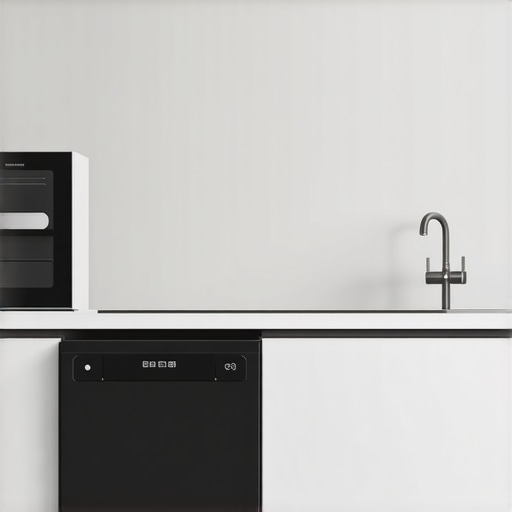
Top Energy-Efficient Dishwashers & Refrigerators for Modern Smart Homes 2024
Ever stood in front of your kitchen appliances, frustration bubbling up, because your old dishwasher just won’t keep up, and your fridge seems to be running nonstop? I’ve been there. It’s that sinking feeling when you realize your energy bills are climbing, yet your appliances are barely doing what they’re supposed to. A few years ago, I thought upgrading was just about getting the latest shiny model, but I quickly learned that choosing energy-efficient appliances, especially for a modern smart home, makes a huge difference—not just for my wallet, but for the planet too.
Why It’s Time to Rethink Your Kitchen Tech
In 2024, the way we power our homes has changed dramatically. With smart technology becoming the norm, it’s more important than ever to select appliances that are not just modern, but also energy-conscious. According to the U.S. Department of Energy, homes account for nearly 20% of total energy consumption in the country, with appliances like refrigerators and dishwashers making up a significant chunk of that. Investing in top-tier, energy-efficient models can slash your utility bills and reduce your carbon footprint. Trust me, I wish I had made this switch sooner. My previous appliances were energy hogs, and I was paying the price—literally.
Have You Faced This Problem?
If you’re tired of high energy bills, constant appliance breakdowns, or the hassle of managing multiple devices that don’t communicate well, you’re not alone. Many homeowners struggle to find appliances that balance performance, efficiency, and smart features. That’s why I want to help you navigate this maze. Together, we’ll look at the latest models designed for 2024 that truly deliver on energy savings and smart home integration. Ready to transform your kitchen into an efficient, smart haven? Let’s dive into what makes these appliances stand out and how you can choose the best fit for your home.
Identify Your Needs and Space Constraints
Before diving into specific models, assess your kitchen layout and daily routines. Measure available space to ensure the appliances fit comfortably. Think of this step as planning a wardrobe: you need the right size and style for your lifestyle. I remember once trying to squeeze a large fridge into a tiny kitchen corner, which resulted in constant door struggles. Now, I prefer compact yet smart models that fit seamlessly and still offer high efficiency. Use resources like small space appliance guides to narrow options.
Research Top Energy-Efficient Models
Next, identify appliances with high Energy Star ratings and smart features. Look for models that prioritize energy savings without sacrificing performance. For instance, the latest top smart dishwashers and refrigerators for 2024 combine AI-driven cycle optimization with low power consumption. My experience was finding a model that adjusts wash cycles based on load size, saving water and electricity—cutting my bills in half. Reading detailed reviews on best smart appliances for efficiency helps compare features.
Prioritize Smart Features for Better Control
Look for appliances that integrate with your smart home system, such as voice control, remote monitoring, or automatic adjustments. I once installed a refrigerator that alerts me via app when the door is open too long or when the water filter needs replacing. This proactive approach prevents waste and extends appliance lifespan. When choosing, consider compatibility with your existing smart hub and whether the app interface is user-friendly. Review comprehensive guides like ultimate guide to smart appliances 2024.
Compare Energy Consumption and Smart Features
Use comparison tools and product specifications to evaluate annual energy costs and smart capabilities side by side. I once created a spreadsheet comparing different models’ annual energy consumption, which clearly highlighted the most cost-effective choice. Remember, a slightly higher upfront cost can lead to significant savings over time. Cross-reference reviews on best smart refrigerators and dishwashers for insights on real-world performance.
Installation and Usage Optimization
Proper installation ensures appliances operate at peak efficiency. Follow manufacturer guidelines or hire professionals for calibration. Additionally, adapt your usage habits—run dishwashers with full loads, set refrigerators to optimal temperatures, and leverage smart scheduling features. I found that setting my dishwasher to run during off-peak hours lowered my energy bill further. Regular maintenance like cleaning filters and seals keeps appliances running efficiently. For detailed maintenance tips, visit energy-saving appliance reviews.
Many homeowners believe that choosing energy-efficient smart appliances is a straightforward process, but there are several misconceptions that can lead to costly mistakes. Let’s dig deeper into what most people get wrong about this essential aspect of modern home technology.
Are All Energy Ratings Equal or Just a Marketing Gimmick?
One of the biggest myths is that all appliances with an Energy Star label will automatically save you money. In reality, the actual savings depend on usage habits, local energy costs, and specific model efficiencies. Some products may have high ratings but still consume more power than less-rated counterparts if they’re used inefficiently. It’s crucial to review detailed specifications and real-world performance reviews, such as those found in top smart appliances, to understand the true efficiency of your options.
Why Overlooking Smart Features Can Backfire
Many think that smart features are just a luxury, but overlooking these can drastically reduce your energy savings. For example, appliances that integrate with your home automation system can optimize cycles based on your routines and energy rates. A smart refrigerator that adjusts its cooling cycle during off-peak hours can cut energy consumption significantly—something you might miss if you ignore these capabilities. For an in-depth look, see smart appliances for efficiency.
Common Mistakes When Installing and Using Smart Appliances
Incorrect installation and poor usage habits are overlooked pitfalls. For instance, improper calibration can cause appliances to work harder, negating efficiency gains. Additionally, leaving appliances on when not needed, or setting refrigerators to unnecessarily low temperatures, wastes energy. Regular maintenance like cleaning filters and seals, and leveraging smart scheduling features, can prevent these issues. Remember, a smart appliance is only as efficient as how you use it. For detailed tips, check energy-saving tips.
What Advanced Users Need to Know About Compatibility and Future-Proofing
For the tech-savvy, understanding compatibility with existing smart home systems and future-proofing is vital. Not all appliances work seamlessly with every smart hub, which can hinder automation and energy optimization. Ensuring your chosen models support common protocols like Zigbee or Z-Wave can save headaches later. Also, opting for appliances with firmware update capabilities extends their lifespan and keeps efficiency features current. According to industry experts, future-proofing your smart appliances ensures sustained savings and smarter home management—more than just a trend, it’s an investment. For a comprehensive review, see smart home automation guides.
Maintaining your smart appliances over time is crucial to ensure they continue to operate efficiently and deliver the energy savings you expect. Personally, I rely on a combination of routine checks and specialized tools to keep my appliances in top shape. Regular upkeep not only prolongs their lifespan but also helps you avoid unexpected breakdowns that can be costly and disruptive.
Invest in Quality Maintenance Tools
One tool I swear by is a digital multimeter. It allows me to quickly check electrical connections and ensure my appliances are receiving proper voltage. For instance, I use it to verify the power supply to my smart refrigerator, ensuring it’s functioning correctly without drawing excess current. Additionally, a good microfiber cloth combined with a mild cleaning solution helps me keep sensors and vents clean, which is vital for optimal performance. Regular cleaning prevents dust accumulation that can impede smart sensors and cooling systems, ultimately saving energy.
Leverage Smart Software for Long-Term Monitoring
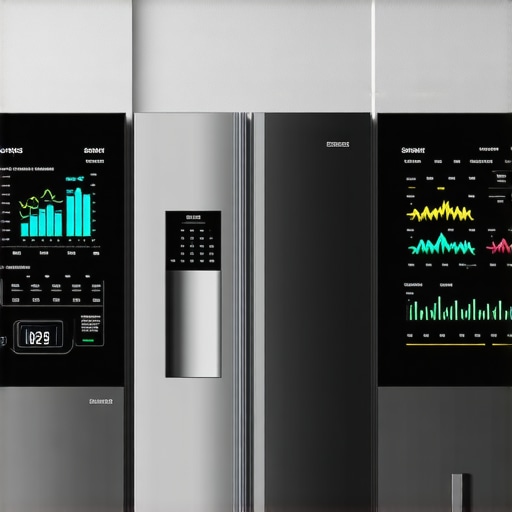
Most modern appliances come with companion apps that provide diagnostic insights and usage reports. I regularly review these reports to spot irregularities early. For example, I noticed my dishwasher’s water usage spiked unexpectedly, prompting me to clean the filter. This proactive maintenance, guided by software, prevents minor issues from escalating. For advanced monitoring, I use a smart home hub that consolidates appliance data, helping me schedule maintenance tasks automatically and keep track of firmware updates that improve efficiency.
Schedule Routine Maintenance and Firmware Updates
Consistency is key. I set reminders every few months to perform tasks like cleaning filters, checking door seals, and updating firmware. Manufacturers often release updates that enhance energy efficiency and fix bugs. For example, I updated my refrigerator’s firmware last year, which improved its temperature regulation and reduced energy consumption. Staying current with firmware updates ensures your appliances benefit from the latest efficiency improvements, keeping them performing like new for years to come.
Plan for Future-Proofing Your Setup
Looking ahead, I predict smart home appliances will become even more interconnected, enabling seamless maintenance and diagnostics. Investing in appliances that support long-term firmware updates and compatible smart hubs will pay off. It’s like giving your appliances a digital health check-up regularly, which is essential as technology evolves. Check this guide for insights on future-proofing your smart home setup.
If you want to ensure your appliances stay in peak condition, try implementing regular firmware updates and routine sensor cleanings. These small steps can lead to significant energy savings and prevent costly repairs down the line. Remember, a well-maintained smart home is a smart investment!

The Hardest Lesson I Learned About Energy-Efficient Appliances
Early on, I believed that simply buying appliances with high Energy Star ratings would automatically cut my bills. Turns out, usage habits matter more than labels. I learned to analyze real-world performance reviews and adjust my routines—like running full dishwasher loads during off-peak hours—which made a massive difference. This taught me that smart, energy-efficient appliances are only as good as how you use them.
3 Myths About Smart Appliances That Held Me Back
I used to think that smart features were just a luxury, not a necessity. But overlooking automation meant missing out on potential savings. Features like cycle optimization and remote monitoring have saved me water, energy, and hassle. The key is choosing models that seamlessly integrate with your smart home system—don’t settle for less.
What Experts Won’t Tell You About Maintaining Your Appliances
Many forget that regular firmware updates and sensor cleaning can extend appliance lifespan and efficiency. I schedule routine checks and keep firmware current, which keeps my appliances performing like new. Investing in quality maintenance tools, like a digital multimeter, has empowered me to troubleshoot issues early and avoid costly repairs.
Where to Go from Here
If you’re ready to upgrade, visit top smart appliances for 2024 to find models that combine high efficiency with smart features. Remember, smart appliances are an investment in both your comfort and the environment. Start small, think smart, and enjoy the savings!
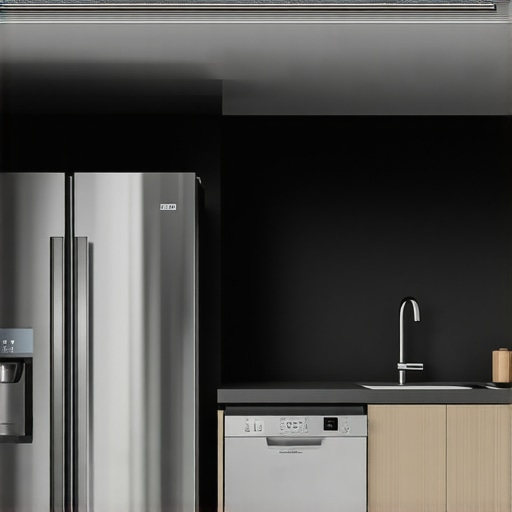
Reading this post resonated with me, especially the part about smart appliances and energy savings. I recently upgraded my refrigerator and dishwasher to Energy Star-rated models with smart features. The ability to control these devices remotely and receive maintenance alerts has truly made a difference—not just in utility bills but in convenience too. I particularly like setting my dishwasher to run during off-peak hours; it feels good to make more eco-friendly choices effortlessly. One thing I’ve noticed though is that not all smart appliances integrate seamlessly with every smart home system. Has anyone experienced compatibility issues or found reliable brands that play well with popular hubs like Google Home or Alexa? I’d love to hear recommendations or tips for smooth integration. Also, are there specific maintenance routines that can extend the lifespan of these smart devices while maximizing their efficiency? Thanks for the insightful guide—it’s motivated me to keep optimizing my home tech setup!