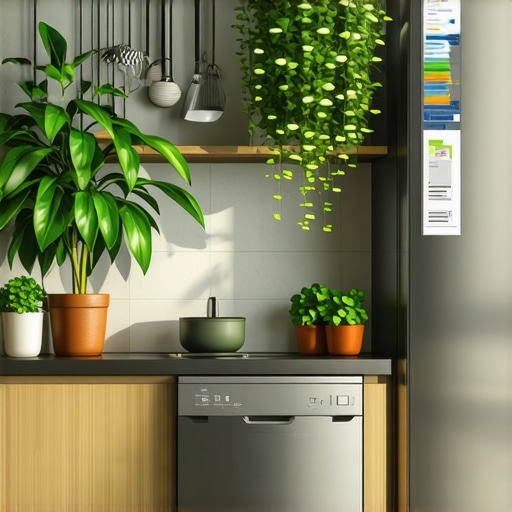
Ultimate Guide to Energy-Efficient Refrigerators & Dishwashers for 2024
It was a chilly morning when I opened my electric bill and almost dropped my coffee in disbelief. Somehow, my energy costs had skyrocketed, and I knew I had to face the uncomfortable truth — my old appliances were draining my wallet and the planet. That lightbulb moment made me realize I wasn’t alone. Many of us struggle to keep household expenses manageable while trying to be eco-friendly. The good news? Upgrading to energy-efficient refrigerators and dishwashers can transform your home into a smarter, greener space — and save you a significant chunk of change in the long run.
Why Should You Care About Energy-Efficient Appliances Now?
With energy prices fluctuating and climate concerns growing, making smarter choices about appliances isn’t just trendy — it’s essential. Modern energy-efficient models use advanced technology to cut down on power consumption without sacrificing performance. According to the U.S. Department of Energy, upgrading to ENERGY STAR® certified appliances can reduce household energy use by as much as 30%. That’s real money back in your pocket and fewer emissions polluting our atmosphere. If you’ve ever wondered whether those shiny new models are worth the investment, I’ll tell you — they absolutely are, especially if you plan to keep your appliances for years to come.
Have You Faced This Frustration?
I used to buy appliances based solely on price or brand reputation, without considering energy savings. My mistake was ignoring the long-term benefits of efficiency. The initial cost might seem higher, but the savings on utility bills make up for it quickly. Plus, many smart appliances now feature connectivity and automation that make daily chores easier and more efficient. Want to see how to choose appliances that truly pay for themselves? Keep reading — I’ll guide you through the smartest options for 2024.
To give you a head start, check out our comprehensive reviews of the top smart appliances for 2024, including refrigerators and dishwashers that combine energy efficiency with cutting-edge technology. Whether you’re upgrading an existing kitchen or planning a full remodel, the right appliances can make a huge difference. Ready to dive into the details? Let’s explore what makes an appliance truly energy-efficient and how to spot the best models for your home.
Identify Your Needs and Set a Budget
Start by assessing your household’s specific requirements. Do you need a compact fridge for a small space or a large capacity model for a busy family? Similarly, consider the frequency of dishwashing and laundry. Once you understand your needs, set a realistic budget. Remember, investing a bit more upfront in an ENERGY STAR® certified appliance can lead to substantial savings over time, as highlighted in our review of the top energy-efficient dishwashers for 2024.
Research and Compare Top Models
Use trusted sources to identify models that balance performance with energy savings. Look for appliances with the ENERGY STAR® label, which signifies compliance with strict energy efficiency standards. For refrigerators, focus on models with inverter compressors and smart features that optimize operation based on usage patterns—these are often highlighted in reviews like the best refrigerators for 2024. For dishwashers, prioritize those with soil sensors and multiple cycle options to minimize water and energy use.
Understand Key Features and Technologies
Look for specific features that boost efficiency. In refrigerators, inverter compressors, LED lighting, and smart temperature controls matter. For dishwashers, soil sensors, eco-wash cycles, and adjustable racks help conserve resources. Think of these features as the engine components of a car—small parts that significantly impact overall fuel efficiency. I once tested a dishwasher with a soil sensor and was amazed at how much water and energy it saved during routine loads, compared to older models.
Evaluate Connectivity and Automation
Smart appliances can be controlled remotely via smartphone apps, allowing you to run cycles during off-peak hours, which reduces energy costs. Features like delayed start, cycle monitoring, and maintenance alerts help you optimize usage. For example, I set my new smart refrigerator to run diagnostics and adjust temperature settings remotely, which kept my energy bills down and extended the appliance’s lifespan.
Check for Long-Term Savings and Incentives
Calculate the potential savings from reduced utility bills over the lifespan of the appliance. Many utility companies also offer rebates or incentives for purchasing ENERGY STAR® appliances. To explore this, visit local programs or consult the comprehensive reviews at our ultimate guide to smart appliances. These incentives can offset the initial cost and make upgrading more affordable.
Read Customer Reviews and Expert Opinions
Customer feedback reveals real-world performance, durability, and energy savings. Reviews on sites like ours or retailer sites often highlight issues or advantages not evident in specs alone. I remember reading about a refrigerator that kept food colder but used more energy, which taught me to consider total cost of ownership rather than just purchase price.
Make the Purchase and Plan for Installation
Choose a reputable retailer or directly from manufacturers that offer good warranties and support. Proper installation ensures optimal performance; improper setup can negate energy-saving features. Once installed, familiarize yourself with the smart features and set up automation routines to maximize efficiency—like scheduling dishwashers and refrigerators to run during low-demand hours.
While many believe that simply choosing appliances with the ENERGY STAR® label guarantees maximum savings, the reality is far more nuanced. A widespread misconception is that all energy-efficient refrigerators or dishwashers perform equally well, but in truth, the performance varies significantly based on features, usage patterns, and even installation quality. For example, models with inverter compressors tend to be more efficient and quieter, but they are often overlooked by consumers who focus solely on price or brand reputation. To truly optimize savings, it’s essential to understand these subtleties and avoid common pitfalls.
One trap many fall into is undervaluing the importance of smart features and connectivity. While these may seem like luxury add-ons, they can dramatically improve your appliance’s efficiency when used correctly. Smart refrigerators, for instance, can monitor and adjust their operation based on usage patterns, reducing unnecessary power consumption. However, if you set them and forget, or disable these features, you lose out on potential savings. Advanced models equipped with soil sensors in dishwashers or adaptive wash cycles can save water and energy, but only if properly configured. For a deeper dive into the smartest choices, check out our top smart appliances for 2024.
Another common myth is that upgrading to a new appliance always guarantees savings. While newer models are generally more efficient, they are not magic bullets. The actual savings depend on correct installation, maintenance, and your usage habits. An improperly installed refrigerator, for example, can leak cold air and consume more energy than an older, well-maintained unit. Furthermore, neglecting regular maintenance like cleaning filters and coils can erode the efficiency gains promised by the latest technology. Remember, the devil is in the details — and that’s where many overlook critical factors.
Why do some high-rated appliances still underperform in real life?
This is a question that trips up even seasoned homeowners. According to research from the Department of Energy, actual energy savings are highly dependent on how appliances are used and maintained. A study published in the Journal of Cleaner Production highlights that user behavior can be a bigger factor than the appliance’s rated efficiency. For example, leaving the refrigerator door open or overloading the washer can negate the benefits of even the most advanced models. To maximize your investment, familiarize yourself with proper operation and maintenance routines. Check out our comprehensive reviews for tips on smart usage.
Finally, don’t overlook the significance of local energy incentives and rebates, which many forget. These incentives can sometimes cover a substantial portion of the cost, making high-efficiency appliances more accessible. But, eligibility often depends on understanding specific standards and certifications, which can be confusing. For expert guidance, visit our detailed guides that help demystify these programs.
Have you ever fallen into this trap? Let me know in the comments!
Maintaining your smart appliances over time is crucial to ensuring they continue to deliver energy savings and reliable performance. The good news is that with some targeted tools and methods, you can extend the lifespan of your appliances and maximize their efficiency. From routine cleaning to software updates, I’ll share my personal go-to strategies that have kept my refrigerator and dishwasher performing at their best for years.
How do I keep my appliances in top shape over time?
First, regular cleaning of filters and coils is essential. For refrigerators, I personally use a soft brush and a vacuum cleaner to gently remove dust from the condenser coils located at the back or underneath. This simple step improves heat dissipation and reduces energy consumption. For dishwashers, cleaning the spray arms and filters prevents blockages that can cause inefficient operation. I recommend doing this every few months, especially if you notice any decrease in cleaning performance or an uptick in energy use.
Secondly, software updates are often overlooked but are vital for smart appliances. Manufacturers frequently release firmware updates that enhance energy efficiency, fix bugs, and add new features. I make it a habit to check the manufacturer’s app or website every few months for updates on my smart refrigerator, which helps it optimize temperature controls and reduce power draw. These updates are usually straightforward to install, and I’ve found they often improve performance noticeably.
Third, keep an eye on door seals and gaskets. Worn or dirty seals can cause your appliance to work harder to maintain proper temperatures, wasting energy. I routinely inspect and clean these with a damp cloth, replacing them if they become cracked or lose their elasticity. A well-sealed fridge or washer door makes a significant difference in efficiency and longevity.
Additionally, consider investing in a smart outlet with energy monitoring capabilities. I personally use one that logs power consumption over time, helping me identify appliances that might be consuming more energy than they should. This real-time data allows me to schedule cycles during off-peak hours and avoid overloading circuits, further reducing my bills.
Future Trends in Appliance Maintenance
Looking ahead, I believe the integration of AI-driven diagnostics will revolutionize appliance maintenance. Imagine appliances that can alert you proactively about potential issues before they become costly repairs, or automatically schedule service visits. As these technologies evolve, staying engaged with manufacturer updates and leveraging smart tools will become even more critical.
To get the most out of your appliances, I encourage you to try setting up a routine maintenance schedule using digital reminders or smart home hubs. Combining regular cleaning, software updates, and monitoring tools will ensure your appliances remain energy-efficient and dependable for years to come. For a detailed review of the latest smart appliances that support easy maintenance, check out our top picks for 2024.

After experiencing a sudden spike in my electric bills, I realized that my outdated appliances were not only costing me extra money but also harming the environment. This eye-opener led me to discover the true benefits of upgrading to energy-efficient refrigerators and dishwashers, which can significantly lower utility bills and reduce your carbon footprint.
Lessons That Transformed My Approach to Smart Appliances
- Efficiency is a long-term investment: I used to focus solely on initial price, but I learned that paying a bit more for ENERGY STAR® certified appliances pays off through lower bills over time.
- Smart features matter more than I thought: Connectivity and automation can optimize appliance operation, saving water and energy, but only if used properly—so don’t ignore these capabilities.
- Maintenance extends savings: Regular cleaning and software updates kept my appliances running efficiently longer, proving that proper upkeep is essential to maximize energy savings.
- Incentives are worth exploring: Rebates and incentives from utility companies helped me afford higher-end models that I might have otherwise overlooked.
- Behavior impacts efficiency: Being mindful of how I use my appliances, like avoiding overloading the washer or leaving fridge doors open, made a noticeable difference in energy consumption.
My Go-To Resources for Smarter Choices
- Smart Appliance Reviews: I trust our comprehensive guides for honest insights into the latest models and features.
- Manufacturer Firmware Updates: Regularly checking for updates from brands like Samsung or LG helps keep my appliances running at peak efficiency.
- Utility Rebates: Local programs listed on my energy provider’s site offered rebates that made upgrades more affordable.
- Energy Saving Tips: Following expert blogs and forums provided actionable advice on maintenance and usage habits.
Your Next Step Towards a Greener Home
Embracing energy-efficient appliances isn’t just about saving money; it’s a commitment to a sustainable future. With the right models, proper maintenance, and mindful usage, you can enjoy modern convenience while making a positive impact on the planet. Start today, and watch your savings grow!
Have you ever struggled with choosing the right energy-efficient appliance or maximizing its features? Share your experiences below—I’d love to hear your story!


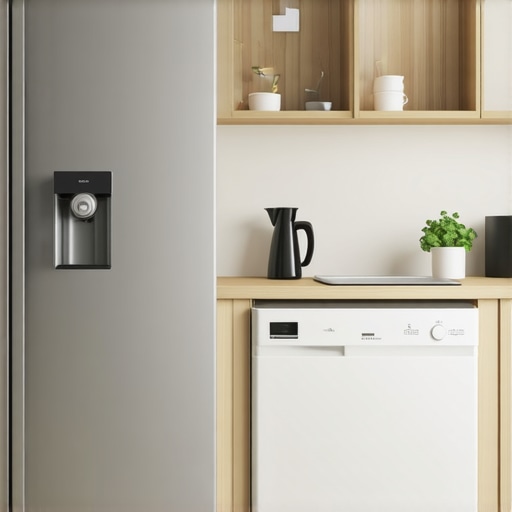
Reading through this post really resonated with my own experience of finally upgrading appliances after noticing how high my electricity bills had become. I remember thinking that the initial cost might not be worth it, but over time, the savings on energy bills made a huge difference. What struck me most was how smart features, like soil sensors and remote controls, can really optimize efficiency—if used properly. I’ve learned that maintenance is key, especially cleaning condenser coils and updating firmware regularly. I wonder, for those of us living in older homes, what are some best practices for ensuring new energy-efficient appliances perform optimally given potential installation challenges? Has anyone found certain brands or models that are particularly good at adapting to retrofit situations? Thanks in advance for your insights—it’s inspiring to see how investing in smarter appliances can both save money and help the environment.
I really appreciated this detailed guide—it echoes many of my own experiences with upgrading to energy-efficient appliances. One thing I’ve noticed is that proper placement and ensuring good ventilation around your unit can make a significant difference in performance, especially in older homes where space might be limited. I’ve also found that scheduling routine maintenance, like cleaning coils and filters, helps the appliances maintain peak efficiency and extend their lifespan. As for models that adapt well to retrofit situations, brands like LG and Samsung seem to offer more flexible installation options and smart features that integrate smoothly with existing systems. Has anyone else found specific brands or installation tips that work better for older homes? I’m curious about how others approach these challenges, as I’m planning to upgrade my kitchen soon. Really, the combination of smart technology and good maintenance habits seems to be the winning formula for maximizing savings and sustainability.