Energy-Saving Dishwashers & Refrigerators for Modern Smart Homes
Ever stood in the kitchen, staring at your smart fridge or dishwasher, feeling a pang of guilt over the rising energy bills? I sure have. Just last year, I foolishly bought the latest smart appliances without doing my homework. I thought, “How much difference could a few high-tech features make?” Turns out, quite a lot—if you pick the right models. But I learned the hard way that not all smart appliances are created equal when it comes to energy savings. It was a lightbulb moment that changed how I manage my household’s efficiency.
Why Choosing the Right Smart Appliances Matters More Than Ever
With energy prices climbing and environmental concerns at the forefront, selecting appliances that truly save power isn’t just good for your wallet—it’s a responsible choice. Modern energy-efficient refrigerators and dishwashers can slash your utility bills, reduce your carbon footprint, and even make your life easier. But the key is understanding what features and standards deliver real savings. I learned that blindly trusting flashy labels can lead to disappointment, especially if you don’t consider your household habits. This post will guide you through how to select appliances that pay you back over time, backed by real-world insights and expert recommendations.
Is All the Hype About Smart Appliances Just Marketing?
Initially, I was skeptical, too. I bought a top-rated smart fridge that promised convenience but ended up wasting more energy due to poor settings and habits. It was a costly mistake. Research suggests that many consumers fall into the trap of assuming all smart appliances are inherently energy-efficient—this isn’t true. The secret lies in features like adaptive cycles, eco modes, and intelligent scheduling. If you’re wondering whether the smart hype is worth your investment, I’ll show you how to identify models that genuinely deliver on energy savings and smart functionality. Want to avoid my beginner’s mistake? Keep reading, and I’ll share what I wish I knew earlier, along with expert tips to guide your choices. For more detailed insights, check out the best smart appliances for 2024.
Set Clear Goals for Your Appliance Usage
Start by identifying which appliances consume the most power, such as refrigerators, dishwashers, or washing machines. I remember when I first checked my utility bills and realized my old fridge was a major culprit. Using a smart energy monitor, I tracked its usage and set targets to reduce unnecessary runs. This initial step helps you focus your efforts where they matter most.
Choose Models with Proven Efficiency Features
Look for appliances that have high Energy Star ratings and feature adaptive cycles or eco modes. For example, I replaced my standard dishwasher with a model highlighted in top smart dishwashers for energy savings, which adapts its water and energy use based on load size. When selecting, prioritize models that have clear efficiency standards and user reviews confirming energy savings.
Configure Settings for Optimal Performance
Use the smart features to schedule appliance operation during off-peak hours. I set my refrigerator to run its defrost cycle late at night using the app, which not only saves energy but also reduces noise during the day. Think of your appliances as a car: proper tuning and scheduling make them run smoother and more efficiently. Access your appliance’s app or interface to customize these settings, ensuring they operate only when needed.
Leverage Smart Features to Reduce Waste
Activate eco modes, adaptive cycles, and smart scheduling. For instance, I enabled the eco wash cycle on my smart washer, which adjusts water temperature and cycle length based on load, saving both water and electricity. These features act like a personal coach, guiding your appliances to use less energy without sacrificing performance. Regularly review your appliance’s app for suggestions and updates that enhance efficiency.
Monitor Energy Usage and Make Adjustments
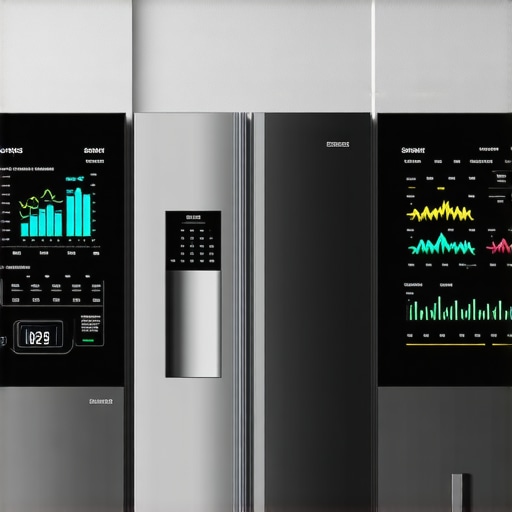
Use built-in energy tracking to identify patterns and adjust habits. I discovered that my fridge was running more frequently during certain hours, so I shifted its defrost cycles and adjusted temperature settings accordingly. Monitoring tools are like a fitness tracker for your appliances—they provide insights that empower you to make smarter choices. Check your app weekly to see if further tweaks can improve savings.
Maintain Appliances for Peak Efficiency
Clean filters, coils, and seals regularly. I once neglected my refrigerator’s coils, which caused it to work harder and consume more energy. After cleaning, I noticed a significant drop in energy use. Think of appliance maintenance as a health check-up; keeping everything in tip-top shape ensures optimal performance and longevity. Set reminders via your smart app or calendar to keep maintenance routines on track.
Many homeowners jump into upgrading their smart appliances thinking they are automatically energy-efficient, but that’s a misconception that can lead to costly mistakes. Let’s dig deeper into what most people get wrong and how you can avoid these pitfalls to truly maximize your household efficiency.
Why Believing All Smart Appliances Save Power Is a Mistake
Everyone assumes that just because an appliance is labeled as “smart” or carries a high-tech badge, it will automatically cut your energy bills. However, in my experience, this isn’t always the case. Some models flood your home with unnecessary features, and if you don’t configure them properly, they can end up consuming more energy than traditional ones. For example, many smart refrigerators have standby modes and climate controls that, if left on default settings, waste power. To get the real savings, focus on models with proven efficiency features, such as high Energy Star ratings and adaptive cycles. For a detailed comparison, check out the ultimate guide to energy-efficient appliances.
The Hidden Danger of Ignoring Household Habits
Another common trap is relying solely on technology to save energy without adjusting your habits. For instance, I once bought a smart dishwasher with an eco-mode, but I kept running it during peak hours, negating the intended savings. Smart features are only effective if you actively use scheduling and eco modes appropriately. Make sure to set your appliances to operate during off-peak times, especially if your utility provider offers time-of-use rates. This small change can significantly reduce your energy costs and is often overlooked. Regularly reviewing your appliance’s app data can reveal patterns that need adjusting.
How to Spot the Real Deal and Avoid Myths
One of the most advanced questions I’ve encountered is: “How do I know if a smart appliance truly offers energy savings or just marketing fluff?” The answer lies in understanding the detailed specifications and user reviews. Look for appliances that support adaptive cycles, eco modes, and scheduling flexibility. Also, consider consulting independent reviews and expert comparisons like those found on smart appliance reviews for 2024. Remember, the most expensive model isn’t always the most energy-efficient—smart features need to be properly configured and used consistently to realize savings. Have you ever fallen into this trap? Let me know in the comments.
Ultimately, smart appliances are powerful tools, but they are not magic. Proper selection, configuration, and habit adjustments are essential for truly benefiting from their energy-saving potential. By understanding these nuances, you can avoid the common myths and hidden traps, ensuring your investments pay off in both savings and convenience.
How do I maintain my smart appliances over time?
Maintaining your smart appliances is crucial for ensuring they operate efficiently and continue saving you energy and money. My go-to method involves a combination of regular cleaning, software updates, and strategic usage. I personally schedule monthly cleanings of refrigerator coils and door seals, which prevents unnecessary energy drain. For instance, dirty coils can cause your fridge to work harder, increasing power consumption, but a simple coil cleaning can drop energy use significantly. Additionally, I keep my appliance firmware updated through their dedicated apps, as manufacturers often release patches that improve efficiency or fix bugs that may cause excess energy use.
Beyond cleaning, I utilize software tools like SmartThings or Samsung Connect to monitor real-time energy consumption. These platforms allow me to see how much power each device uses and identify anomalies, such as a washing machine that keeps running longer than usual. By setting alerts for unusual activity, I intervene early, preventing waste and potential damage. This proactive approach is especially beneficial as appliances age, since efficiency can decline over time without proper maintenance.
To keep my appliances performing at peak levels, I also adjust their settings periodically based on usage patterns. For example, I shift my dishwasher’s eco cycle to run during off-peak hours using scheduled commands in its app—this not only saves energy but also aligns with dynamic energy pricing, which is likely to become more prevalent in the future. As smart appliances become more integrated with home energy management systems, the ability to automate this process will only improve, making long-term maintenance more seamless and impactful.
Investing in tools like energy monitors or smart hubs can be game-changers. These devices enable you to track appliance performance over months and identify trends that need addressing. For instance, I noticed my water heater was consuming more energy over time, prompting me to schedule a professional inspection. Regularly reviewing your appliance data helps you spot inefficiencies early, extending their lifespan and ensuring you maximize energy savings.
Looking ahead, I predict that maintenance tools will become more sophisticated, leveraging AI-driven diagnostics to predict failures before they happen. This proactive approach will reduce costly repairs and keep your home running smoothly. I encourage you to try implementing scheduled cleaning routines combined with real-time monitoring—it’s a simple yet powerful step towards smarter, more sustainable living. Regular maintenance not only preserves your appliances’ efficiency but also enhances their smart functionalities, making your home truly future-proof.
The Hidden Lessons That Changed My Approach to Smart Appliances
One of the most eye-opening realizations I had was how crucial proper configuration and habit adjustments are, even with the smartest appliances. I once thought that buying a high-tech refrigerator with all the bells and whistles would automatically save me money. Instead, I discovered that default settings and neglecting to utilize features like eco modes or off-peak scheduling could negate any potential savings. This taught me that understanding how to tailor appliances to my household routine was the real game-changer.
Another lesson was how easy it is to fall for marketing hype. I was tempted by models boasting advanced AI and sleek designs but found that some lacked the efficiency features I needed. Deep dives into expert reviews and standards like Energy Star showed me that not all smart appliances deliver on their promises unless you choose models with proven adaptive cycles and energy-saving modes.
Lastly, I learned that regular maintenance is often overlooked but essential. Simple actions like cleaning coils or updating firmware can dramatically improve efficiency. My experience has shown that staying proactive with maintenance and monitoring energy usage through apps keeps my household running smoothly and sustainably.
My Essential Toolkit for Smart Appliance Efficiency
To truly maximize savings, I rely on tools like energy monitors that provide real-time insights into consumption. I also trust expert reviews and comparisons from trusted sources to stay updated on the latest efficient models. Finally, I use smart home hubs that integrate appliance control, enabling me to schedule and optimize performance effortlessly. These tools empower me to make smarter choices and save more in the long run.
Your Next Step Toward Smarter Living
Embracing the true potential of smart appliances opens doors to significant energy savings and a more sustainable home. The journey involves careful selection, proper configuration, and consistent maintenance. By applying these insights, you’re not just upgrading your appliances—you’re transforming your household into an efficient, eco-friendly haven. Take action today and see the difference it makes in your energy bills and environmental impact. Remember, smart appliances are only as smart as the habits you develop around them.
Have you ever struggled with setting up or configuring your smart appliances for optimal savings? Share your experiences below and let’s learn from each other!

![3 Hidden 2026 Fridge Sensors Spiking Your Power Bill [Fixed]](https://smartappliancereview.com/wp-content/uploads/2026/02/3-Hidden-2026-Fridge-Sensors-Spiking-Your-Power-Bill-Fixed.jpeg)