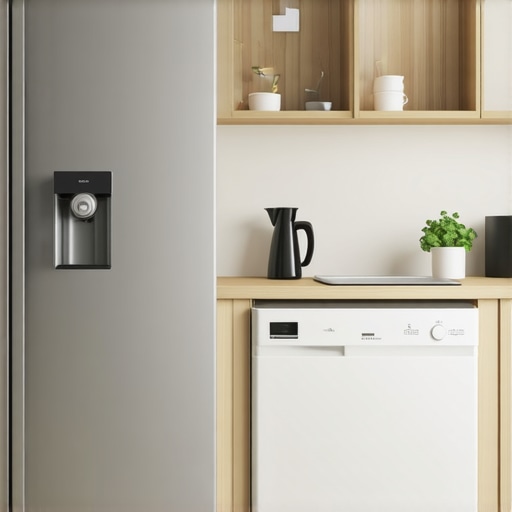
Energy-Efficient Refrigerators & Dishwashers: Ultimate Guide for 2024 Home Efficiency
Ever stood in front of your kitchen appliances, frustration bubbling up, realizing how much energy they waste and how it hits your wallet? That lightbulb moment hit me hard a few months ago. I was dreading the next utility bill, feeling like I was throwing money down the drain every time I ran my old refrigerator or dishwasher. It made me wonder: why are we clinging to outdated appliances when smarter, more efficient options are so accessible now? If you’ve ever faced that same frustration—especially with the rising costs of energy—you’re not alone. Today, I want to share how upgrading to energy-efficient refrigerators and dishwashers can transform your home, save you money, and make your daily routine a little greener.
Why the fuss over energy-efficient appliances now?
With energy prices climbing and environmental concerns more urgent than ever, it’s no wonder homeowners are seeking smarter solutions. According to the U.S. Department of Energy, appliances account for nearly 20% of household energy consumption. That’s a hefty chunk that can be slashed with the right upgrades. But many of us get overwhelmed by the options or skeptical about whether these fancy new models are truly worth the investment. I was guilty of that—buying into hype without doing the homework. I once purchased a seemingly eco-friendly refrigerator that turned out to be a dud, costing me more in repairs and electricity. That mistake taught me to look deeper into what makes an appliance truly energy-efficient and how to choose the best fit for my home.
Is energy efficiency just a marketing gimmick?
At first, I thought all these labels and certifications were just clever marketing. Turns out, they’re backed by strict standards. For example, ENERGY STAR certified appliances are rigorously tested for efficiency, which means real savings and real quality. The key is understanding what to look for—like inverter compressors, smarter insulation, and eco-friendly modes. Choosing the right appliances isn’t just about saving a few bucks on your bill; it’s about making a tangible impact on your home’s overall efficiency. If you’re still skeptical, check out this comprehensive guide that breaks down what makes an appliance truly energy-efficient.
So, if you’ve faced the dilemma of whether to replace your aging fridge or dishwasher, or if you’re simply tired of sky-high utility bills, stay tuned. I’ll walk you through the practical steps to select and upgrade to appliances that will serve your family well for years to come, all while saving money and helping the environment. Ready to make a smart move? Let’s dive into how to choose the best energy-efficient appliances for your home in 2024.
Identify Your Needs and Space Constraints
Before diving into the sea of options, assess your household’s specific needs. Do you need a compact fridge for a small apartment or a large capacity model for a busy family? Measure your available space carefully, including door clearance and ventilation requirements. I once rushed into buying a large smart refrigerator without measuring, only to find it couldn’t fit through my kitchen door. Now, I always check dimensions first—it’s saved me from costly returns. For small spaces, consider models listed in expert tips on small-space appliances.
Many homeowners jump into upgrading their appliances with high hopes of efficiency and convenience, but often they fall prey to misconceptions that can lead to costly mistakes. As someone who has explored this field extensively, I want to share some nuances and myths about smart appliances, especially refrigerators, washing machines, and dishwashers, that are less obvious but crucial for making informed decisions.
Why Most People Overlook the Hidden Costs of Smart Features
It’s common to assume that all smart appliances automatically save energy or money, but the reality is more nuanced. For example, many believe that enabling eco-mode will always cut utility bills. However, some smart settings, especially on high-end models, can actually increase energy use if they run longer or more frequently to optimize performance. A study from the Department of Energy highlights how smart features sometimes lead to increased electricity consumption during peak usage times, negating the intended savings.
Therefore, it’s critical to understand each feature’s actual impact. Often, the best savings come from consistent usage patterns and proper maintenance rather than relying solely on smart modes. Overusing the remote control or setting appliances to run during peak hours without considering energy tariffs can also backfire.
Beware of the Overhyped Connectivity and Automation
Many assume that connecting appliances to home automation systems will drastically reduce their workload. While automation offers convenience, it can introduce complexity and potential security vulnerabilities. For instance, leaving your smart refrigerator accessible via unsecured Wi-Fi could expose your network to breaches. Moreover, over-automation may lead to neglect of basic maintenance, like regularly cleaning filters or checking door seals, which ultimately reduces appliance lifespan and efficiency.
My advice is to start small. Integrate only the features you truly need, such as remote diagnostics or simplified scheduling, and always keep firmware updated. For a comprehensive review of what smart appliances offer in 2024, check out this guide.
Advanced Users Need to Know the Limitations of AI and Machine Learning
For tech-savvy homeowners, it’s tempting to believe that AI-driven appliances will flawlessly optimize energy use and maintenance. However, AI algorithms are only as good as the data they receive. If your appliance’s sensors or connectivity are faulty, the AI’s decisions can be misguided, leading to inefficiencies. For example, a smart dishwasher may delay cycles unnecessarily if it misreads load size, or a smart fridge might incorrectly interpret temperature fluctuations, causing unnecessary cooling cycles.
In fact, a detailed report from this source emphasizes that manual oversight remains essential, even with smart appliances, especially when aiming for real energy savings and longevity.
So, before relying solely on automation and AI, understand their limitations. Regularly calibrate sensors, review usage reports, and don’t hesitate to manually adjust settings for optimal performance.
Have you ever fallen into this trap? Let me know in the comments, and share your experiences with smart home appliances. The more we understand these nuances, the smarter our choices become!
How do I keep my smart appliances running smoothly over time?
Maintaining modern home appliances like refrigerators, washing machines, and dishwashers is crucial to ensuring they stay energy-efficient and functional for years. One of my go-to tools is a high-quality digital multimeter. I personally use the Fluke 117, because it provides accurate readings and is durable enough for frequent use. With it, I regularly check power outlets and appliance cords to ensure there are no voltage irregularities that could harm sensitive smart components.
Another essential device I rely on is a ultrasonic cleaning kit. Smart appliances often have filters or vents that collect dust and debris over time, reducing efficiency. I use a small ultrasonic cleaner to gently clean delicate components, like filters and sensors, extending their lifespan and maintaining optimal performance.
On the software side, I recommend using appliance-specific diagnostic apps. For instance, many smart refrigerators come with manufacturer apps that can run remote diagnostics, alerting you to potential issues before they escalate. I routinely check these apps to monitor energy consumption patterns and receive maintenance alerts. This proactive approach helps me schedule repairs or part replacements early, avoiding costly breakdowns.
In addition, keeping a maintenance log is a habit I highly recommend. I use a simple spreadsheet that tracks filter replacements, software updates, and inspections. This helps me identify recurring issues and plan for upgrades or repairs, ultimately saving money and extending appliance lifespan.
Looking ahead, I believe the future of appliance maintenance is headed towards smarter, AI-driven diagnostics that can predict failures before they happen. Companies are already experimenting with predictive analytics that monitor appliance health in real-time, which I find fascinating and promising.
To get started, try implementing a regular cleaning schedule with ultrasonic tools and stay updated with your appliance’s diagnostic apps. These small steps can make a big difference in keeping your appliances efficient and reliable over the long haul. If you’re interested in detailed maintenance routines, check out this comprehensive guide for more expert tips.

The Hardest Lesson I Learned About Smart Appliances
One of my biggest surprises was realizing that not all smart features automatically lead to savings. For example, eco-modes can sometimes extend cycle times, increasing energy use unexpectedly. I used to rely blindly on these features, only to find my utility bills staying stubbornly high. The lesson? Always review your appliance’s actual energy consumption data rather than assuming smart modes are enough.
Why I Stopped Overestimating Connectivity Benefits
Initially, I believed that connecting every device to my home automation system would drastically cut my workload. But I learned that over-automation can introduce vulnerabilities and maintenance headaches. Now, I prefer integrating only essential smart features, like remote diagnostics, which I trust more for long-term savings and security. This shift helped me avoid unnecessary complications and keep my appliances running smoothly.
The Unexpected Power of Proper Maintenance
Investing in a good multimeter and ultrasonic cleaning kit transformed how I care for my appliances. Regular checks and cleaning kept my fridge and dishwasher performing at peak efficiency, which translated into real savings. It was a lightbulb moment—preventative maintenance beats reactive repairs, especially with smart appliances that have delicate sensors and modules.
Curated Resources for Smarter Appliance Choices
- Energy Star Certification: This label ensures appliances meet strict efficiency standards, giving me confidence in my purchases. Learn more about what makes a refrigerator or dishwasher truly energy-efficient here.
- Diagnostic Apps: Manufacturer apps like Samsung SmartThings or LG ThinQ have been invaluable for proactive maintenance. They alert me to issues before breakdowns happen, saving money and stress.
- Ultrasonic Cleaning Tools: I trust ultrasonic cleaners for deep, gentle cleaning of filters and sensors, which keeps appliances running efficiently longer.
- My Maintenance Log: Keeping a detailed spreadsheet of maintenance routines helps me spot patterns and plan upgrades, extending appliance life.
Your Turn to Try Making Smarter Choices
Switching to energy-efficient refrigerators and dishwashers isn’t just about saving money—it’s about taking control of your home’s efficiency. With the right knowledge and tools, you can avoid common pitfalls and truly benefit from smart appliance technology. Remember, the key is informed decisions and regular maintenance. Are you ready to upgrade your home with smarter, more efficient appliances? Share your plans or questions below—let’s learn together!



![5 Dishwasher Settings to Dodge 2026 Grid Surcharges [Tested]](https://smartappliancereview.com/wp-content/uploads/2026/04/5-Dishwasher-Settings-to-Dodge-2026-Grid-Surcharges-Tested.jpeg)
This article really resonates with my recent experience of upgrading my old dishwasher and refrigerator. I used to ignore energy efficiency labels, thinking they were just marketing, but I learned that choosing appliances with ENERGY STAR certification and smart features like inverter compressors can make a real difference. I particularly appreciate the emphasis on maintenance tools like ultrasonic cleaners and diagnostic apps—these have helped me catch issues early and prolong the lifespan of my appliances. One thing I’ve noticed is that even with smart settings, it’s crucial to understand how features like eco-mode actually impact power consumption, as sometimes they can inadvertently increase daily energy use. I’m curious, have others found that manual oversight and routine maintenance often trump the benefits of automation and AI? And what are your best tips for balancing smart features with practical upkeep? I’d love to hear other homeowners’ strategies for maintaining efficiency over the years.
Reading this post reminded me of my own journey into energy-efficient appliances. I used to be skeptical about how much difference new models could make, especially with all the smart features out there. However, after upgrading to an ENERGY STAR-certified refrigerator and dishwasher last year, I noticed a tangible drop in our utility bills. The key for me has been balancing the advanced features with consistent maintenance—regularly cleaning filters and calibrating sensors as recommended keeps everything running smoothly. I also found that understanding and wisely using eco modes is crucial; sometimes they do extend cycles, but with proper setup and usage, the savings really add up.
One challenge I faced was selecting the right-sized appliances for my space without overspending or sacrificing capacity. I’m curious—how do others approach measuring and planning for the perfect fit? Do you find that the upfront effort in careful planning pays off in long-term savings and appliance lifespan? Looking forward to hearing your strategies and tips for maintaining peak efficiency!”,