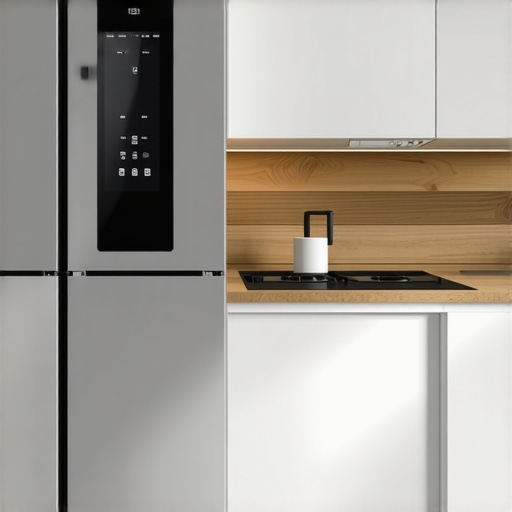
Refrigerators 2024: Top Smart Home Models for Efficient Living
I remember when I first realized my old refrigerator was quietly sabotaging my efforts to save energy and keep my groceries fresh. It was a humid summer morning, and I opened the fridge only to be greeted by a stubbornly warm interior. The light inside was flickering, and I knew I needed an upgrade—fast. That little lightbulb moment led me down a rabbit hole of exploring the latest smart refrigerator models for 2024.
Now, I want to share what I’ve discovered. If you’ve ever felt frustrated trying to keep your food fresh while your utility bills climb higher, you’re not alone. Today, we’ll tackle how the newest smart home refrigerators can actually make your life easier, more efficient, and save you money in the long run. From intuitive features to energy savings, I’ll guide you through the top options so you can make smarter choices for your home.
The Smart Home Revolution and Your Refrigerator
Smart appliances are no longer futuristic—they’re here, and they’re transforming our kitchens. According to a recent report, 85% of homes planning to buy appliances in 2024 are considering smart models for their efficiency and convenience. But here’s the catch: with so many options flooding the market, how do you find the one that genuinely suits your lifestyle? That’s where my personal experience comes in—I made a lot of rookie mistakes early on, like selecting a model with features I didn’t need, which ended up costing me more time and money than I anticipated. Reading reviews and understanding which models prioritize energy efficiency and user-friendly interfaces can be overwhelming, but it doesn’t have to be.
Is All the Smart Hype Worth It or Just a Gimmick?
Once, I believed that the latest gadgets were mainly just flashy add-ons. I bought a smart fridge with dozens of features, only to find myself overwhelmed by the complexity and little benefit. My mistake? Focusing on gadgets instead of real value, like energy savings and ease of use. If you’re wondering whether investing in a smart refrigerator truly pays off, know that tech innovations now can significantly cut down your energy bills and extend the freshness of your produce. For more insights, check out this guide on energy-efficient appliances.
So, if you’re contemplating that big upgrade, I promise that by the end of this post, you’ll be well-equipped to pick the right smart refrigerator that truly works for you—saving effort, money, and peace of mind.
,
Select a Model That Fits Your Home
Begin by assessing your kitchen’s space and your specific needs. Measure the available area to ensure the refrigerator fits comfortably. Consider your family size—larger households benefit from models with more storage and advanced features. When I replaced my old fridge, I took precise measurements and listed must-have features like adjustable shelves and energy-saving modes. This preparation avoided costly returns and set the foundation for a smooth upgrade.
Research Energy Efficiency and Features
Prioritize models with high energy ratings, which can significantly cut your utility bills. Look for appliances boasting smart technology that offers remote control, maintenance alerts, and freshness management. I spent an entire weekend comparing models on top-rated review sites, narrowing down to those with proven efficiency and user-friendly interfaces. Keep in mind, smarter features should serve your lifestyle without complicating daily routines.
Set Up and Connect Your Refrigerator Correctly
Ensure Proper Placement
Place your smart refrigerator away from heat sources like ovens or direct sunlight. Adequate clearance around the appliance ensures proper ventilation, preventing overheating. When I initially set mine up, I tested different placements before finding the optimal spot, which improved cooling performance and extended the appliance’s lifespan.
Establish a Strong Wi-Fi Connection
A reliable internet connection is crucial for smart features. Use a dedicated, high-speed network to avoid lag or disconnections. During my first setup, I repositioned my router closer to the kitchen, resolving connectivity issues and enabling seamless app integration. Follow the manufacturer’s instructions to connect the refrigerator to Wi-Fi, often via a simple app or control panel.
Configure Smart Features for Maximum Efficiency
Explore the appliance’s app to customize settings like alerts for open doors, maintenance reminders, and temperature controls. Set energy-saving modes during low-usage times, such as nighttime or when you’re away. I activated my fridge’s stock management feature, which alerted me when certain perishables were nearing expiration—saving food and money. Regularly update the firmware to benefit from the latest optimizations, ensuring longevity and peak performance. For detailed feature setups, see the smart appliance review guide.
Monitor and Adjust Usage Over Time
Utilize the app’s analytics to track energy consumption and food freshness trends. I noticed my refrigerator slightly overused energy during peak summer days, prompting me to tweak the cooling schedule. Adjust settings based on real-time data—for instance, lowering the temperature slightly during hot months can improve efficiency and preserve food quality. Personalizing these parameters ensures your smart refrigerator adapts to your lifestyle, maximizing benefits without unnecessary energy expenditure.
Maintain Regular Software Updates
Keep your appliance’s firmware current to access new features and security patches. Most models alert you automatically via the app. During my update process, I followed the prompts during a routine cleaning, which only took a few minutes and significantly enhanced operation. Staying on top of updates prevents bugs and ensures compatibility with your home network, making your smart fridge a reliable partner in everyday living.
Leverage Automation for Convenience and Savings
Integrate your refrigerator with other smart home devices to automate routine tasks. For example, set it to power down certain features when you leave home or schedule defrost cycles during off-peak hours. I connected my fridge with my home assistant, enabling voice commands such as “Show me what’s inside” or “Activate energy saver.” This level of control streamlines everyday routines and helps in reducing energy consumption, aligning with your long-term savings goals.
By meticulously selecting, installing, and optimizing your smart refrigerator, you transform a basic kitchen appliance into an intelligent hub that enhances your home’s efficiency. Continuous monitoring and updates ensure you reap the maximum benefits of your investment, making daily living more convenient and cost-effective.
In the quest for efficiency and convenience, many assume that the latest smart appliances automatically solve all household issues. However, a common misconception is that newer models or higher tech features inherently mean better performance or savings. In my experience, what most people overlook are the nuanced differences between basic functionality and the actual smart capabilities designed to optimize energy use and longevity. This misunderstanding can lead to costly mistakes, such as overpaying for features that don’t align with real household needs or ignoring fundamental maintenance practices that extend appliance life.
One trap I often see homeowners fall into is believing that a high price tag equates to superior efficiency. While premium models tend to offer advanced features, their benefits are sometimes marginal or heavily reliant on proper setup and usage. For example, a smart refrigerator’s ability to reduce energy consumption depends significantly on correct network setup, firmware updates, and personalized configuration—details that many users neglect, leading to underperformance or premature malfunction. According to a study by the Department of Energy, improper setup can reduce potential energy savings by up to 30%, highlighting the importance of understanding the real value behind these features.
Why Do We Overlook Routine Maintenance in Smart Home Systems?
Many assume that smart appliances are maintenance-free due to their modern design and connectivity. But in reality, neglecting routine checks like filter replacements, software updates, and physical cleaning can negate the benefits of smart technology. In fact, neglecting filter cleaning on dishwashers or refrigerators can increase energy use by 15%, according to appliance experts. The connected features often prompt maintenance alerts, but only if users are attentive. Otherwise, the appliance operates inefficiently, wasting energy and reducing lifespan. This reveals a hidden layer of responsibility—technology alone can’t compensate for basic upkeep.
Another nuanced aspect is the importance of understanding energy ratings, such as ENERGY STAR labels, not as a marketing gimmick but as a reliable indicator of actual performance under real conditions. Many homeowners select appliances based on flashy interfaces or brand reputation, but detailed analysis reveals that energy efficiency can vary significantly within similar price ranges. Upgrading to a model with a marginally higher price but superior energy ratings can save hundreds annually in energy costs over the appliance’s lifetime. For comprehensive insights into choosing truly efficient models, you might find this guide on energy-efficient appliances helpful.
Let’s also consider connectivity pitfalls—ensuring your Wi-Fi is robust is critical. A common mistake is placing appliances far from your router, leading to unreliable operation or failure to receive firmware updates that optimize performance. Proper placement and network management can make a noticeable difference, as I learned when repositioning my router improved not just connectivity, but also the responsiveness of my smart fridge’s app. Remember, no matter how advanced your appliance is, a poor connection undermines its potential. 
So, next time you consider upgrading or maintaining your appliances, look beyond the surface. A deep understanding of their intricacies, proper setup, and routine care often yields greater savings and longer-lasting performance than merely focusing on features or aesthetics. Have you ever fallen into this trap? Let me know in the comments.
How do I maintain my smart appliances over time?
Maintaining the optimal performance of your smart home appliances requires the right tools and an understanding of best practices. I personally rely on a few dedicated devices and software that have proven invaluable in ensuring my appliances stay efficient and functional. One essential tool is a high-quality digital multimeter. I use it routinely to check the electrical connections and voltage stability in my refrigerator and dishwasher, preventing minor issues from escalating into costly repairs. Additionally, a reliable Wi-Fi analyzer app allows me to monitor my network’s health, ensuring that my appliances remain seamlessly connected for software updates and smart controls.
For software management, I recommend using dedicated appliance-specific apps that provide firmware update notifications, diagnostics, and maintenance alerts. For example, my refrigerator’s app notifies me automatically when a filter needs replacing or a firmware update is available—saving me time and preventing performance lapses. Regularly scheduling these updates, ideally monthly, keeps the system optimized and protected against security vulnerabilities. 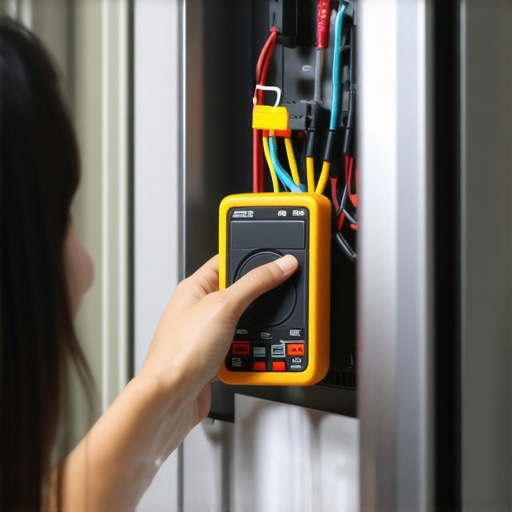
Another strategy I follow is creating a maintenance checklist tailored to each device. This includes cleaning filters, checking door seals, and inspecting drainage paths, which I perform using a soft cloth, a brush, and a magnifying glass for detailed inspection. I’ve found that scheduling these brief sessions once every three to six months greatly extends the appliance’s lifespan and sustains energy efficiency.
Looking ahead, I believe the trend will shift toward even smarter diagnostic tools integrated directly into appliances, perhaps with AI-driven analytics guiding users in real-time. A recent article from industry experts underscores this shift, highlighting how predictive maintenance will become standard and significantly reduce downtime (source).
Start by implementing a routine—like using a digital multimeter to verify electrical connections or scheduling firmware updates via the manufacturer’s app. These small, consistent efforts pay huge dividends in appliance longevity and household convenience. Don’t wait until equipment fails; proactive maintenance is the best way to keep your smart appliances running smoothly for years to come.
The Hidden Lessons About Smart Appliances That Saved Me Time and Money
- One of my biggest lightbulb moments was realizing that more features don’t automatically mean better performance. I once bought a high-tech fridge packed with gadgets, but end up overwhelmed, wasting time figuring out what actually mattered. Simplifying my choices to focus on efficiency and ease of use has been a game-changer.
- Routine maintenance often gets overlooked in smart appliances. Believe it or not, regular filter replacements and firmware updates can significantly extend your appliance’s lifespan and keep it running at peak performance, saving you unexpected repair costs.
- Connecting your smart refrigerator to a robust Wi-Fi network isn’t just about convenience; it’s essential for proper operation. Proper placement of your router and monitoring your connection quality are small steps that have big impacts on functionality and energy savings.
- Overcoming the misconception that all smart features are necessary can help you avoid unnecessary expenses. Prioritize functionalities like energy-saving modes and remote control that genuinely enhance your lifestyle rather than just add complexity.
My Go-To Tools for Smarter Kitchen Living
- Energy Star Ratings — I rely on these labels to identify appliances that deliver real energy savings, which impacts my utility bills and the environment.
- Top-rated appliance review sites — They provide unbiased comparisons, helping me select models aligned with my needs and budget.
- Manufacturer Firmware Apps — These apps streamline firmware updates and diagnostics, ensuring my appliances stay up-to-date and secure.
- Wi-Fi Analyzers — Monitoring my network’s health has prevented connectivity hiccups that could undermine smart features and energy efficiency.
Your Turn to Put Smart Appliance Wisdom into Action
Embracing the latest smart refrigerators can truly elevate your home efficiency—if you approach it with informed choices and ongoing maintenance. The key is not just chasing bells and whistles but understanding what genuinely benefits your household. Trust me, a little effort upfront saves countless headaches—and money—in the long run. Are you ready to make your kitchen smarter and more efficient? Share your thoughts or questions below, and let’s continue the conversation about mastering your home appliances!
![5 Best 2026 Refrigerators for Garage Storage [Temperature Tested]](https://smartappliancereview.com/wp-content/uploads/2026/03/5-Best-2026-Refrigerators-for-Garage-Storage-Temperature-Tested.jpeg)
![3 Most Reliable 2026 Refrigerator Brands [Ranked]](https://smartappliancereview.com/wp-content/uploads/2026/03/3-Most-Reliable-2026-Refrigerator-Brands-Ranked.jpeg)
Reading this post really hit home for me. I remember when my old refrigerator started acting up during a particularly hot summer, and it made me realize how much I underestimated the importance of a reliable, energy-efficient appliance. Since upgrading to a smart model, I’ve noticed a significant drop in my energy bills thanks to the customizable settings and real-time monitoring. One thing I found especially helpful was setting alerts for door openings—this small feature has actually prevented accidental energy waste. It’s interesting how a tiny bit of proactive management can extend to savings over time. I also learned to properly position my Wi-Fi router closer to the kitchen, which improved connectivity and made the app features way more useful. Have others experienced issues with Wi-Fi placement affecting smart home devices? What tips would you recommend for optimizing connectivity to get the most out of these appliances? I’d love to hear different approaches.
This post really resonated with me because I’ve also been exploring smart refrigerators for my kitchen update. One challenge I’ve faced is ensuring a stable Wi-Fi connection everywhere in the house, especially in the kitchen where these appliances are often placed. Like the author mentioned, proper placement of the router is crucial, but I’ve also started using a mesh Wi-Fi system to improve overall coverage. Have others found mesh networks effective for maintaining connectivity with multiple smart devices? Also, I appreciate the emphasis on maintenance—routine checks and firmware updates really do keep everything running smoothly. I’d love to hear if anyone has tried specific tools or routines that help them stay on top of these updates without hassle. Overall, investing in a smart fridge seems like a smart move, but it’s clear that setup and ongoing care are just as important as the features themselves.