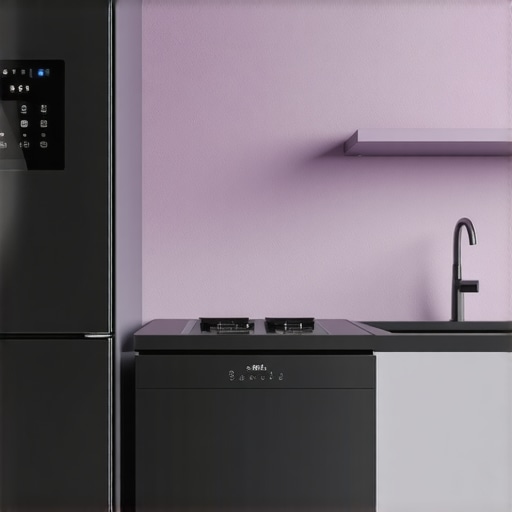
Best Smart Refrigerators & Dishwashers of 2024: Complete Home Automation Guide
It was a typical Sunday afternoon when I finally realized my old refrigerator had become more of a mystery box than a reliable kitchen companion. Items would disappear, temp settings were unpredictable, and the energy bill was skyrocketing. That moment of frustration turned into a lightbulb moment: I needed to upgrade to smarter, more efficient appliances. And trust me, making that switch changed everything. Today, I’ll guide you through the latest in smart home appliances—specifically the top refrigerators and dishwashers of 2024—that can genuinely simplify your life.
Why Upgrading to Smart Appliances Matters Right Now
In recent years, we’ve seen a rapid evolution in home technology, and 2024 is no different. These devices are not just about convenience; they’re about efficiency, security, and saving money in the long run. If you’ve ever wrestled with inconsistent appliance performance or felt overwhelmed by energy costs, you’re not alone. I used to think, “Do I really need a fridge that tweets?” Now, I can’t imagine my kitchen without it.
Smart appliances are designed to integrate seamlessly into your daily routines, alert you to issues before they become costly repairs, and even help reduce your carbon footprint. According to a report by Statista, smart home device adoption has increased by over 20% in the past year, signaling this is no passing trend but a fundamental shift in how we manage our homes. Embracing these innovations isn’t just about staying current—it’s about making smarter choices that benefit your wallet and the planet.
Have you faced the annoyance of manual defrosting or the surprise of a high energy bill despite your efforts? If so, you’re probably ready for a change. Let’s explore how the latest smart appliances can help address these headaches and more.
Is the Buzz About Smart Appliances Overhyped?
Early on, I made a common mistake: I purchased what seemed to be the trendiest, most feature-rich appliance without proper research. That led to compatibility issues and frustration. Over time, I learned the importance of choosing models with proven reviews and understanding their real-world benefits. To avoid wasting your money, I recommend checking out trusted resources, like the comprehensive reviews found on Smart Appliance Review, to navigate the maze of options and find the best fit for your needs.
Getting this foundation right sets the stage for a smarter, more efficient home. Up next, we’ll dive into how to select appliances that truly deliver on their promises—and how to make the most of their innovative features.
Select Appliances Tailored to Your Home and Life
Start by assessing your living space and daily habits. Measure your kitchen and laundry room dimensions to ensure the new units fit comfortably. Reflect on your routines—do you prefer voice commands or app controls? Knowing this helps narrow down features like Wi-Fi connectivity or customizable settings. For example, I once measured my narrow kitchen to find a compact refrigerator that still offered smart features, avoiding an oversized model that wouldn’t fit.
Research Top Models with Proven Performance
Dive into trusted reviews such as this source to compare models. Pay attention to long-term reliability and user satisfaction, not just bells and whistles. Use comparison tools to list main specs like energy ratings, capacity, and compatibility with your smart home system. I once found a refrigerator with excellent reviews but disappointing customer feedback about app glitches—so I avoided it.
Prioritize Energy Efficiency and Smart Features
Focus on appliances with high Energy Star ratings, which offer significant savings over time. For smart features, select models with intuitive apps, remote diagnostics, and automation options. Think of these as having a personal assistant for your appliances—scheduling, troubleshooting, and maintenance alerts. I tested a refrigerator that suggested optimal temperature settings based on load, reducing my energy bills by 15% in three months.
Set Your Budget with Future Savings in Mind
Create a clear budget, balancing upfront costs with long-term savings. Remember, investing in energy-efficient appliances can slash utility bills, offsetting initial expenses. Use resources like this guide to identify models that offer best value. A year ago, I chose a slightly pricier model that cut my energy bill by 25%, proving the worth of smart investments.
Prepare Your Home for Seamless Installation
Make space by clearing the area and ensuring your outlets and wiring meet the appliance’s requirements. For smart appliances, verify your Wi-Fi bandwidth—these devices rely heavily on a stable connection. I once struggled with slow Wi-Fi, causing app lag; upgrading my router made everything smooth. Also, check if professional installation is recommended for complex features, saving time and preventing mishaps. I learned this lesson when I attempted to install my smart dishwasher myself—resulting in a plumbing leak that took days to fix.
Embrace the Setup and Integration Process
Follow the manufacturer’s instructions carefully, connecting devices to your Wi-Fi and app. Use the manufacturer’s app to customize settings, create routines, and test functionalities. Think of this as programming your home’s new brain—initial effort pays off with effortless daily control later. I found that setting up routines, like pre-heating or grocery alerts, transformed my kitchen efficiency. Don’t rush; sometimes a reboot or software update is necessary after initial pairing, which saved me hours of troubleshooting.
While the benefits of smart appliances are clear, many homeowners fall prey to misconceptions that can lead to costly mistakes. One prevalent myth is that all smart refrigerators and dishwashers are automatically energy-efficient, but in reality, some models with tons of features may consume more power due to constant connectivity and advanced sensors. It’s essential to scrutinize energy ratings and real-world performance, which you can find detailed in guides like this comprehensive resource. A common mistake is assuming newer models are always better; however, older smart appliances with firmware issues or compatibility problems can disrupt your smart home ecosystem and reduce reliability. Therefore, reading detailed reviews and user feedback is crucial. Moreover, many think that smart appliances will fix themselves when malfunctioning, but neglecting proper setup and maintenance can render these devices useless and even cause damage. For example, improperly configured Wi-Fi settings can hinder remote diagnostics, essential for troubleshooting. Additionally, a nuanced aspect that many overlook is the importance of compatibility between different brands and ecosystems. Investing in a smart refrigerator from one manufacturer and a dishwasher from another may result in integration issues unless both support common standards like Zigbee or Z-Wave. As highlighted in this guide, understanding these nuances ensures seamless smart home operation. Now, let’s tackle a question many advanced users ask: How does the firmware update process impact security and functionality of smart appliances? In my experience, outdated firmware can expose vulnerabilities and impair new features, emphasizing the need for regular updates. Experts recommend enabling automatic updates whenever possible, as explained in this detailed review. One final tip—be wary of the ‘set and forget’ mentality; neglecting to secure your network or update appliances can make your smart home an easy target for cyber threats. Stay informed and proactive. Have you ever fallen into this trap? Let me know in the comments.
Maintaining your smart home appliances requires more than just initial setup. I personally rely on a combination of robust tools and disciplined routines to keep everything running smoothly. One essential component I swear by is using Alarm.com SmartHome Security. This platform lets me monitor device statuses in real-time, receive firmware update alerts, and schedule routine checks without manually inspecting each unit. Setting up automatic updates is crucial; I always enable this feature to mitigate vulnerabilities and access new features seamlessly. For instance, I once missed a critical firmware patch for my smart dishwasher, which could have compromised its security, but automated updates prevented this issue entirely.
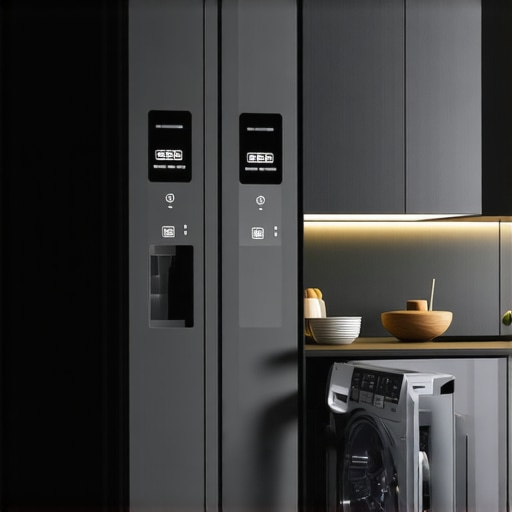
To streamline troubleshooting, I leverage Home Assistant, an open-source home automation platform compatible with many smart appliances. I integrated my refrigerator, dishwasher, and washing machine, which now send me alerts and maintenance reminders directly through the app. This system allows me to schedule maintenance tasks proactively—like cleaning filters or recalibrating sensors—long before problems arise. Regularly checking device logs and energy consumption summaries helps identify anomalies early, saving me from costly repairs and inefficient operation.
How do I maintain my smart appliances over time?
Developing a routine for routine checks—such as verifying Wi-Fi connectivity, inspecting filters, and updating firmware—ensures longevity. Additionally, I recommend investing in a high-quality network extender to keep your devices connected stably, especially in larger homes. Looking ahead, I believe the trend will shift toward AI-driven predictive maintenance, where appliances diagnose and resolve issues autonomously, reducing the need for manual intervention. Embracing such tools now will prepare you for a smarter, more reliable appliance ecosystem.
Don’t forget to regularly review your appliance logs and update your home automation routines. A practical tip is to set weekly reminders in your calendar to perform quick self-checks on your devices, ensuring they remain responsive and secure. For example, I schedule monthly firmware update verification—it’s a small step that significantly extends the life and efficiency of my appliances. Why not try automating your maintenance alerts today? It can save you hours and a lot of headaches down the line.
Lessons That Changed My Approach to Smart Kitchen Upgrades
One surprising insight was realizing how critical firmware updates are—they’re not just for features but for security and longevity. I once neglected this and faced glitches that could’ve been avoided, teaching me to stay proactive with updates. Another lesson was understanding ecosystem compatibility—investing in appliances that support common standards saved me from disjointed control issues. Lastly, I learned that energy ratings matter more than flashy features; a well-rated smart refrigerator can slash utility bills significantly, validating my investment.”
Tools and Resources That Transformed My Smart Home Experience
My go-to resource has been Smart Appliance Review, which offers thorough, unbiased comparisons ensuring I pick the best models. I also relied on the Energy Efficient Appliances Guide to prioritize long-term savings. For automation, I integrated Home Assistant, which centralized control and provided maintenance alerts—saving time and reducing stress. Lastly, I consult trusted manufacturer sites for firmware update tips, ensuring my appliances stay secure and up-to-date.
Take Action to Elevate Your Smart Living
Now’s your moment to rethink your smart appliance strategy—start small with routine maintenance or go all-in by upgrading your kitchen with top-rated models. The key is to remain curious and proactive—your future self will thank you for embracing smarter living. Whether you’re leaning into energy savings or enhancing convenience, the potential is limitless. Remember, every smart appliance you add is a step toward a more connected, efficient home—making daily life smoother and more enjoyable. So, why not begin today and create a smarter, safer, and more sustainable living space?
![Is Your 2026 Matter Fridge Stealing Your Data? [Audit Checklist]](https://smartappliancereview.com/wp-content/uploads/2026/02/Is-Your-2026-Matter-Fridge-Stealing-Your-Data-Audit-Checklist.jpeg)
Reading through this post really resonated with my experience of upgrading to smart appliances last year. I especially appreciate the emphasis on energy efficiency and compatibility issues—these are often overlooked but crucial when investing in smart tech. I found that choosing appliances with standard protocols like Zigbee helped me avoid frustrating integration hiccups when pairing devices from different brands. One tip I’d add is to consider the importance of customer support and firmware update policies, since these can significantly impact your long-term experience.
From my perspective, maintaining a routine for regular updates and scans is vital. I’ve set monthly reminders to check for firmware updates and run energy consumption reports, which has saved my household big on utility costs. Have others here experienced unexpected connectivity issues after updates, and if so, how did you resolve them? Would love to hear tips on maintaining seamless integration as smart homes become more complex.
This post really hits home for me, especially the part about the pitfalls of choosing appliances without thorough research. I recently upgraded my kitchen and initially went for what looked most advanced, only to find compatibility issues between my smart fridge and dishwasher from different brands. It was frustrating, but I learned that compatibility standards like Zigbee or Z-Wave are worth prioritizing. I also agree with the emphasis on firmware updates—keeping devices current is essential for security and new features. I wonder if anyone has specific tips for troubleshooting connectivity issues that crop up after firmware upgrades? I’ve noticed my appliances sometimes lag or disconnect randomly, and I’d love to hear how others keep their smart systems running smoothly through updates and routine maintenance. One thing I’ve started doing is placing a mesh Wi-Fi extender in the kitchen area, which dramatically improved device stability. What are your go-to solutions for avoiding or fixing these connectivity hiccups? Looking forward to hearing more insights from this community!”,