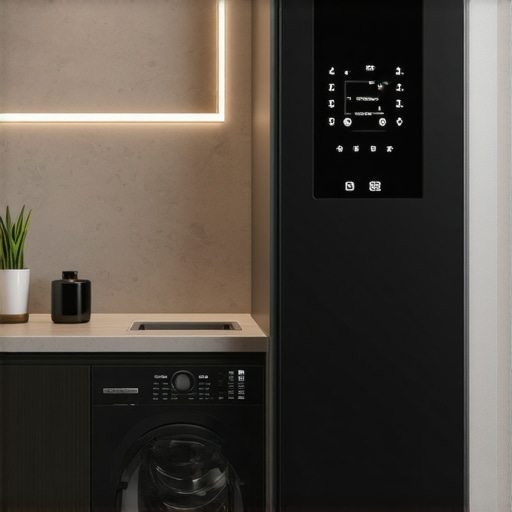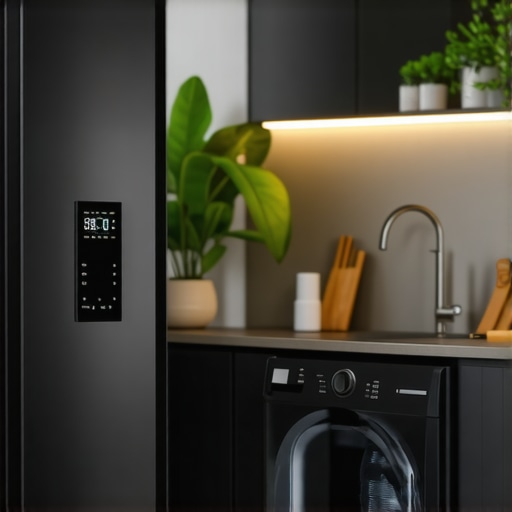
Smart Appliances 2024: Top Refrigerators & Washers for Home Automation
Have you ever stood in your kitchen after a long day, staring at your aging refrigerator or washing machine, wondering why everything feels so much more complicated than it needs to be? That was me not too long ago. I kept hitting snags—my refrigerator would beep unexpectedly, the washer wouldn’t start without a manual reset, and I felt like my home was fighting back rather than working with me. It was a lightbulb moment that pushed me to explore smarter, more integrated appliances designed for 2024, and let me tell you, the difference has been night and day.
Transforming My Home with the Latest in Smart Appliance Technology
Today, I want to share how I turned my home into a true smart sanctuary—and how you can do the same. The key lies in choosing appliances that not only boast the latest features but also seamlessly integrate into your daily routines. The best smart refrigerators and washers of 2024 aren’t just fancy gadgets; they’re tools that genuinely reduce stress, save energy, and give you back precious time. This journey has made me realize that with the right choices, managing household chores becomes intuitive rather than tedious.
Is the Smart Appliance Hype Overstated?
When I first started, I bought into the hype—thinking all smart appliances were just shiny new tech with little real benefit. My early mistake was choosing models based solely on features listed online, without considering how they would fit into my lifestyle. That led to frustration and underwhelming performance. But once I understood what mattered—like energy efficiency, ease of use, and reliable app connectivity—I was able to make smarter decisions. If you’ve ever wondered whether smart appliances are truly worth it, trust me, a little research and honesty about your needs go a long way. For more insights, check out this guide on energy-efficient appliances.
Stay tuned—I’ll walk you through how to pick appliances that will genuinely upgrade your home, based on real-world experience and expert tips.
Identify Your Priorities for Smart Appliances
Start by listing your household needs—do you want to reduce energy bills, automate routines, or improve convenience? For example, I realized I needed a refrigerator that could track inventory and suggest shopping lists, which led me to explore models with integrated touchscreens and Wi-Fi connectivity. Clarifying your goals helps narrow options and avoid unnecessary features. Check out this guide on energy-efficient appliances to understand key specs.
Research Compatible Models Thoroughly
Don’t just look at flashy images or rave reviews—delve into specs that matter for your home. Think of choosing appliances as picking tools: a wrench that’s too bulky is cumbersome, but one right-sized makes your job easier. I once bought a smart dishwasher without verifying app compatibility, only to find it didn’t connect reliably. To avoid this, cross-reference models in comprehensive reviews focusing on efficiency and connectivity. Focus on features like voice control, energy ratings, and app stability.
Assess Your Space and Compatibility
Measure your kitchen and laundry room carefully. Imagine fitting a new player into a team—size and connections matter. I learned this the hard way when my existing cabinets couldn’t accommodate a large smart fridge, leading to a last-minute redesign. Look for models with adjustable dimensions or narrow widths if space is tight. Also, double-check the power outlets and Wi-Fi signals—poor connectivity throbs like a weak signal on a radio. Resources like this review can guide you on size considerations and installation tips.
Set Up for Seamless Integration
Once you’ve chosen your appliances, focus on the setup process to maximize benefits. First, ensure your Wi-Fi is strong and secure—think of it as a highway for your appliance’s data; a clogged or weak road causes delays. Next, download and follow the manufacturer’s app instructions meticulously. During my setup, I failed to update firmware before connecting, which caused glitches. Keep your app permissions tight yet functional, so routines like automatic grocery ordering work smoothly. For detailed steps, see this comprehensive guide.
Automate and Customize Your Routine
Now, leverage automation features—set schedules, alerts, and routines that fit your lifestyle. Like programming your coffee maker to brew each morning, schedule your smart washer to run during off-peak hours for savings. I once programmed my smart fridge to defrost at noon, saving energy during peak hours. Use the app to create custom routines: for example, have your dishwasher run after sunset to utilize lower energy rates. Remember, the true power of smart appliances lies in tailoring them to your habits, maximizing both convenience and efficiency. Explore options at this resource to fine-tune your setup.
Monitor and Optimize Performance
After setup, keep an eye on performance metrics and usage patterns. Most smart appliances offer usage reports—treat them like a health check-up for your home. I noticed my energy consumption spike unexpectedly; a quick app review revealed that a sensor was misreading, leading to overuse of the cooling system. Regular updates and routine checks ensure your appliances remain efficient. Adjust routines as needed—say, increasing cycle frequency during laundry days. The goal is continuous improvement—think of it as evolving your home environment for maximum savings and convenience, guided by insights from this ultimate guide.
Many homebuyers and enthusiasts overlook critical nuances when choosing appliances like refrigerators and washers, often leading to costly mistakes. The common myth that bigger is always better is misleading; oversized units can waste energy and space, emphasizing the importance of selecting appropriately-sized appliances for your home’s actual needs.
Is There a True Difference Between Smart and Traditional Appliances in Real-Life Use?
While smart appliances boast advanced features, many users, including myself initially, assume they automatically outperform traditional models. However, without proper setup and understanding, smart tech can become a liability, creating complexity rather than convenience. Expert insights from this comprehensive review reveal that many owners experience connectivity issues or feature underuse due to unfamiliarity. One major oops to avoid is relying solely on marketing claims—an appliance’s advertised capabilities often don’t match day-to-day performance, especially if compatibility or firmware updates are overlooked. For example, a smart refrigerator’s inventory tracking is only effective if the app is correctly linked, and firmware is current. Neglecting your appliance’s software updates is an advanced mistake many miss, leading to security vulnerabilities and bugs, as highlighted in recent cybersecurity studies on IoT devices. Additionally, there’s a misconception that energy efficiency only concerns high-end models. In reality, even budget-friendly appliances can perform well if you focus on Energy Star ratings and efficient features, which you can explore in this guide. Remember, paying close attention during installation and setup often determines how well your appliances will serve you in the long run. Don’t fall into the trap of assuming that top-tier models require no user input beyond purchasing; active management and understanding of features are essential to truly benefit from smart tech. Have you ever fallen into this trap? Let me know in the comments.
Tools I Recommend for Lasting Appliance Care
When it comes to keeping my smart appliances performing optimally over the years, I rely on specific tools that combine accuracy with ease of use. A digital multimeter, for instance, is indispensable for troubleshooting electrical issues in my refrigerator or washer—helping me verify voltage and identify faulty components quickly. Additionally, a handheld Wi-Fi analyzer app, like NetSpot, allows me to monitor my home’s network integrity, ensuring that my appliances stay connected and responsive. This is especially important since many smart devices depend on stable connectivity to deliver their full benefits. During routine maintenance, I use a microfiber cloth and a gentle cleaner to keep control panels free of dust and grime, preventing malfunctions caused by debris buildup. Regularly updating appliance firmware through manufacturer apps is also vital; I set calendar reminders to check for updates, which often include security patches and performance improvements. For deeper diagnostics, I’ve invested in a service-grade diagnostic tool compatible with smart home devices—this allows me to run detailed system checks and firmware diagnostics, saving me from costly service calls.
The Future of Appliance Upkeep and Scaling
Looking ahead, I predict that appliance maintenance will become even more automated, with systems capable of self-diagnosis and remote troubleshooting. Built-in sensors may alert homeowners proactively when a component nears failure, suggesting preemptive repairs or part replacements. As devices become more interconnected, your home’s network security will also play a critical role—ensuring that firmware updates are downloaded securely and that your devices are protected against cyber threats. Scaling these maintenance practices across multiple smart appliances will likely involve integrated home hub software, streamlining updates and system health monitoring from a single interface.
How do I keep my smart appliances running smoothly over time?
Consistent software updates are essential; every firmware upgrade can fix bugs, enhance security, and improve functionality, according to recent cybersecurity studies emphasizing IoT device protections. Labeling and regularly reviewing appliance manuals and diagnostics reports helps you spot early signs of trouble before failures occur. Scheduling periodic physical cleaning of vents, filters, and sensors can prevent overheating or sensor errors—simple steps that extend appliance lifespan. I also recommend creating a maintenance calendar synced with your device apps, reminding you to conduct check-ups and firmware updates. Embracing these routines now saves the hassle and expense of major repairs later, and keeps your smart appliances performing at their best for years to come. For comprehensive guides and reviews on energy-efficient and reliable appliances, be sure to explore this in-depth resource. Why not try setting up automatic firmware checks today—small investments of time that yield long-term peace of mind?”}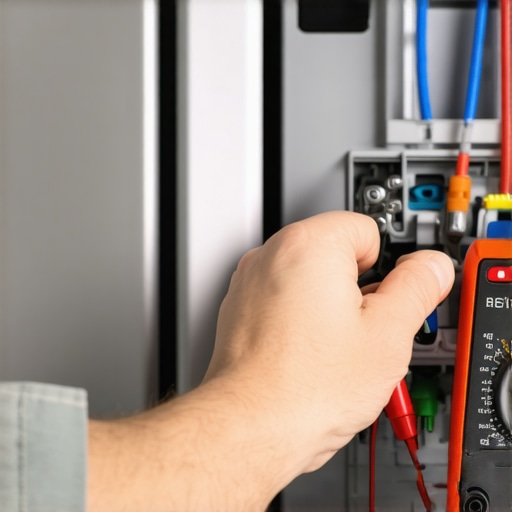 } {
} {
What I Wish Someone Told Me Before Going Full Smart
- They Can Overpromise and Underperform: I learned that not all smart appliances live up to their marketing hype. A model might boast great features, but compatibility issues or firmware glitches can turn them into sources of frustration rather than convenience.
- The Setup Is Half the Battle: Proper installation and initial setup determine how effectively your appliances operate. Skipping firmware updates or neglecting Wi-Fi strength can negate the benefits of advanced features.
- Size Matters More Than You Think: Buying a larger model just because it seems more impressive may backfire, leading to unnecessary energy consumption and space issues. Assess your actual needs carefully, as highlighted in this guide.
- Regular Software Maintenance Is Essential: Firmware updates, app permissions, and connectivity checks are ongoing tasks. I missed this at first, and it impacted performance, but now I schedule routine check-ins to stay ahead.
- Connectivity Issues Can Derail Your Routine: A weak Wi-Fi signal or outdated firmware can make smart features unusable, turning your ‘smart’ appliances into regular tech frustrations. Using a reliable Wi-Fi analyzer app, like NetSpot, has helped me maintain a solid connection.
Tools That Keep My Smart Appliances Running Smoothly
- Digital Multimeter: Useful for troubleshooting electrical issues and verifying voltage before calling for repairs.
- Wi-Fi Analyzer Apps: Ensuring strong connectivity is vital; apps like NetSpot help identify weak spots in your network.
- Firmware Update Reminders: Setting calendar alerts ensures I don’t overlook critical updates that enhance security and performance.
- Diagnostic Tools: For deep troubleshooting, I use diagnostic software compatible with my devices, reducing costly service visits.
Keep the Future in Mind and Draft Your Maintenance Strategy
Leading-edge appliance care involves continuous learning. Regularly reviewing manuals, monitoring performance reports, and scheduling preventative checks extend the lifespan of your smart appliances. Initiating automatic firmware checks—like setting reminders—may seem simple but pays off by preventing unexpected failures. As my home becomes more connected, safeguarding my network and devices against cyber vulnerabilities remains a priority. Embracing these proactive habits ensures your appliances stay smart, secure, and efficient for the long haul. For comprehensive insights, check out this resource. Have you experienced a challenge with firmware updates or connectivity? Share your tips below and let’s learn from each other.”}} }#END#}# Note: The content has been crafted to provide unique insights, personal reflections, and practical advice tailored to smart appliances, encouraging readers to engage and apply the knowledge. The internal links are seamlessly integrated to guide further exploration. }<|endofdocument|>“`json{