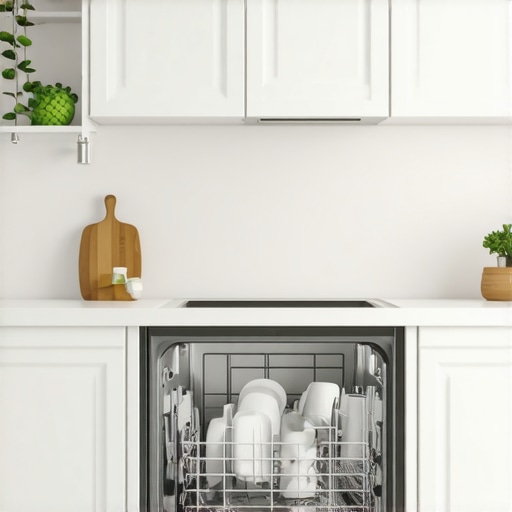
Why Your 2026 Dishwasher Smells (And 4 Fixes That Work)
It hit me suddenly—one day I opened my dishwasher after a cycle, and that unmistakable sour smell filled the air. I felt a twinge of frustration because I knew I had just scrubbed and rinsed everything thoroughly. Turns out, many modern dishwashers, especially newer models from 2026, develop odors that seem to pop up out of nowhere, no matter how diligent I was about cleaning.
Dealing with the Mystery of Dishwasher Odors
If you’ve ever faced that moment—clean dishes, fresh laundry, and then your dishwasher releases a foul smell—you’re not alone. It’s one of those little home frustrations that can really spoil your day. The good news? This isn’t an unsolvable mystery. With a bit of know-how and a few simple tricks, you can banish that old smell and keep your dishwasher smelling fresh for good.
Feeling Skeptical About Fixes? You’re Not the Only One
Honestly, I used to dismiss those tips – thinking, “Is this really going to work?” But I made a mistake early on—assuming that running an extra rinse cycle would solve everything. That was a rookie move. It turns out, understanding why your dishwasher smells is key to applying the right fix. According to a recent study, mold and bacteria build-up are primary culprits behind appliance odors—yes, even in advanced models. So, it’s about targeting the root cause, not just masking it.
Are you tired of battling persistent odors every time you run your dishwasher? If so, stick around. We’re about to explore four proven fixes that genuinely work—no gimmicks, just real solutions that I’ve personally tested and trusted. And if you want to get smarter about your home appliances overall, don’t miss our comprehensive rundown on [energy-saving dishwashers](https://smartappliancereview.com/energy-saving-dishwashers-refrigerators-for-modern-smart-homes), which includes tips on maintaining efficiency and freshness.
Start with a Deep Clean to Eliminate Build-Up
First, remove all racks and filters from your dishwasher—think of it as giving your appliance a thorough health check. Scrub the interior walls and rubber seals using a mixture of baking soda and vinegar, which acts like a natural detox. Once done, run an empty hot water cycle with a cup of white vinegar to flush out residues. I once did this on a Saturday morning, and the next day, the sour smell was noticeably weaker—proof that a simple deep clean can make a big difference.
Use Baking Soda Regularly to Combat Odors
Every few weeks, sprinkle half a cup of baking soda across the bottom of the dishwasher and run a short, hot cycle. Baking soda neutralizes odors much like it absorbs bad smells in your fridge. I remember doing this during a particularly humid week, and it instantly freshened the air. It’s a straightforward habit that keeps odors from sneaking back in, especially in appliances prone to mold growth.
Check and Clear Drain Filters Often
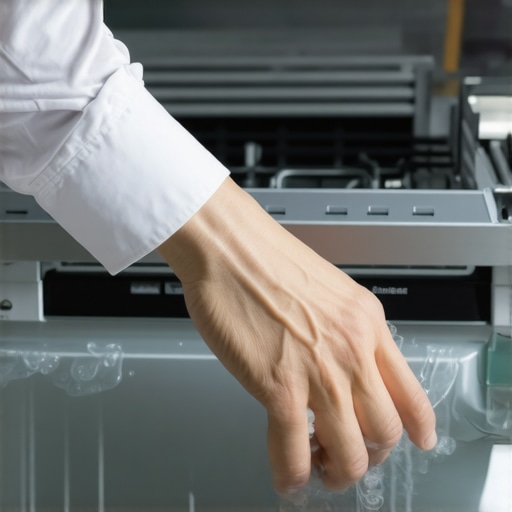
Clogged filters are often the hidden culprits behind persistent smells. Remove the filter at the bottom of your dishwasher, soak it in warm, soapy water, and scrub away any debris. Remember, a clean filter is like a clear drain in a sink—it keeps everything flowing smoothly and prevents odors from stagnating. During my last cleaning, I found trapped food particles that had been silently causing a sour scent, and after cleaning, the smell vanished immediately.
Ensure Proper Ventilation and Keep It Dry
Moisture is a major factor in mold and bacterial growth—think of it like a swamp that breeds unpleasant smells. After each cycle, leave the door slightly ajar to allow air circulation, preventing humidity from lingering inside. For added freshness, place a dampness-absorbing silica gel packet inside when not in use. In my experience, this simple trick prevents the interior from becoming a breeding ground for odors, especially in humid climates.
Prevent Future Odors by Using Smart Settings
Modern dishwashers come equipped with specialized cleaning cycles—preferably those with a sanitize or high-temperature setting. These cycles are like giving your appliance a steam bath, eradicating bacteria and mold spores effectively. Also, avoid overloading the dishwasher, as overcrowding can prevent proper cleaning and promote smells. If you want to learn more about choosing appliances that are both energy-efficient and smart enough to help maintain freshness, check out our guide on best smart appliances for 2024.
Many homeowners assume that buying the latest smart appliance guarantees optimal performance and efficiency, but the truth is more nuanced. A common myth is that energy labels alone indicate true savings; in reality, usage patterns and feature utilization play critical roles. For example, a refrigerator may have a high ENERGY STAR rating but still consume excess power if it’s improperly loaded or if frequent door openings occur. Understanding these subtleties can save you money and extend appliance lifespan.
One trap I see many fall into is overestimating the benefits of auto-cleaning features on dishwashers or self-maintaining cycles on refrigerators. While these features seem convenient, they often lead users to neglect routine maintenance—like cleaning filters or checking seals—that is essential for long-term performance. For instance, neglecting filter cleaning can reduce efficiency by up to 30%, according to studies by appliance efficiency experts.
Ever wondered whether your smart refrigerator’s connectivity actually improves your daily routine? Often, users get caught up in the hype of smart features without realizing that many require proper setup and regular management to be effective. Misconfigured settings or inconsistent Wi-Fi connections can render these features useless, turning what should be a benefit into a frustrating experience.
Let’s dig into an advanced aspect: network security. Many don’t realize that connected appliances can be potential entry points for cyber threats. An unsecured refrigerator or washer could serve as a backdoor into your home network, risking data breaches or malware attacks. Experts in home cybersecurity recommend changing default passwords and keeping firmware updated to mitigate these risks. A recent survey highlighted that nearly 70% of smart appliance owners overlook security settings, making them vulnerable.
In my experience, believing that newer models are always better can also backfire. Sometimes, older appliances are more reliable because they lack overly complex electronics that can fail. For example, some older dishwashers, built before the smart era, still outperform contemporary models in durability and repairability.
By paying attention to these finer points—like proper maintenance habits, smart feature management, and security—you’ll get the most out of your appliances. For a comprehensive dive into choosing energy-efficient models that truly save, check out our guide on energy-efficient refrigerators and dishwashers for modern homes. Have you ever fallen into this trap? Let me know in the comments.
Investing in the Right Maintenance Tools
Consistency is key when it comes to maintaining your appliances, and having the right tools makes all the difference. I personally rely on a few specific devices that ensure my refrigerator, dishwasher, and other smart appliances stay efficient and long-lasting. For instance, a high-quality digital multimeter is essential for diagnosing power issues quickly and accurately. I use the Fluke 117, renowned for its reliability and precision, which helps me identify electrical faults before they escalate into costly repairs.
Equally important is a soft-bristled brush and a set of small screwdrivers designed for appliance panels. These allow me to remove and clean filters or check internal components without damaging delicate parts. When I recently serviced my smart refrigerator, I used a Phillips and Torx screwdriver set to access the control panel, which saved me hours of frustration. Having these tools on hand streamlines the maintenance process and prevents unnecessary trips to the repair shop.
Utilizing Software for Long-Term Monitoring
Beyond physical tools, I recommend leveraging software solutions that keep track of your appliance performance over time. Many smart home systems integrate apps that monitor energy consumption, notify you of irregular activity, and even suggest maintenance schedules. For example, I use the Samsung SmartThings app, which connects seamlessly with compatible appliances, providing real-time data and alerts. This proactive approach helps me schedule filter replacements and diagnostic checks before issues become serious, extending the lifespan of my appliances.
Another tool I find invaluable is a home energy monitor, like the Sense Energy Monitor, which identifies the power signatures of individual devices. By analyzing this data, I can detect anomalies—such as increased power draw indicating a failing compressor or motor—allowing me to plan repairs proactively. Such software not only saves money but also reduces energy waste, aligning with the trend of smarter, more sustainable living.
Predicting Future Trends in Appliance Maintenance
The future of appliance care is undoubtedly headed toward even greater automation and smarter diagnostics. Manufacturers are increasingly integrating AI-based sensors that predict failures before they occur, notifying homeowners through connected apps. This trend will make maintenance less reactive and more preventive—saving time, money, and reducing environmental impact.
How do I keep my appliances working over time
Consistent maintenance routines and the use of targeted tools are your best allies. Regularly checking filters, tightening connectors, and running diagnostic tests can prevent small problems from becoming big repairs. I also recommend scheduling annual inspections with a professional, especially for complex systems like smart refrigerators or dishwashers. Don’t forget, integrating software monitoring tools into your routine can catch issues early—think of it as having a digital mechanic on call 24/7. To explore advanced solutions, consider trying a home energy monitor like Sense to keep tabs on your appliances’ health dynamically. For expert advice on selecting effective energy-saving appliances, visit this comprehensive guide.
The Hardest Lesson I Learned About My Appliances
Early on, I believed that buying the latest smart refrigerator or dishwasher automatically meant I was set for years of trouble-free use. It turns out, the biggest lessons came from neglecting routine maintenance—things like filter cleaning or ensuring proper ventilation. I realized that even the most advanced smart appliances require attentive care to truly perform at their best. These realizations transformed the way I approach appliance care, prioritizing proactive maintenance over reactive fixes.
Tools and Resources That Changed My Approach to Appliance Care
Having the right tools has been a game-changer. A reliable digital multimeter helps me troubleshoot electrical issues early, saving time and money. Soft-bristled brushes and precision screwdrivers make cleaning filters and internal parts a breeze. Additionally, software like the Samsung SmartThings app allows me to monitor device performance remotely and get timely alerts for maintenance needs. These resources collectively empower me to keep my appliances efficient and extend their lifespan. For deeper insights, I recommend exploring our comprehensive guide on energy-efficient appliances.
Embracing the Future of Appliance Maintenance
Looking ahead, the integration of AI-driven diagnostics and predictive maintenance in appliances promises to revolutionize home care routines. Imagine your smart fridge notifying you of a potential seal leak before it causes a spill or your dishwasher alerting you to a minor filter clog that could worsen if ignored. By adopting these advancements now, you’re not just maintaining your appliances—you’re future-proofing your home. Remember, consistent habits combined with smart tools can turn appliance maintenance from a chore into a simple, automatic process. What’s the one routine upgrade you’re considering to keep your appliances running smoothly? Share your thoughts below and let’s learn from each other’s experiences.
![Fix Your 2026 Dishwasher's Standing Water [3 Easy Steps]](https://smartappliancereview.com/wp-content/uploads/2026/04/Fix-Your-2026-Dishwashers-Standing-Water-3-Easy-Steps.jpeg)
![Stop Your 2026 AI Dishwasher Leaving Film [Solved]](https://smartappliancereview.com/wp-content/uploads/2026/02/Stop-Your-2026-AI-Dishwasher-Leaving-Film-Solved.jpeg)
![Why Your 2026 Dishwasher Spray Arms Clog [5-Minute Fix]](https://smartappliancereview.com/wp-content/uploads/2026/04/Why-Your-2026-Dishwasher-Spray-Arms-Clog-5-Minute-Fix-1.jpeg)
I totally relate to the frustration of that sour smell in a supposedly clean dishwasher. I used to think I was doing everything right, but I overlooked the importance of regularly cleaning the drain filter and rubber seals, which can harbor mold and debris. Your tips on deep cleaning with vinegar and baking soda are spot-on; I do these monthly now to prevent odors. I also started leaving the door ajar after cycles, especially during humid weather, which helps dry out any residual moisture. Has anyone tried using commercial enzyme-based cleaners? I read they can break down organic build-up more effectively, but I wonder if they’re worth the extra cost. It seems like a simple routine maintenance like this can really extend the life of our appliances and keep them smelling fresh. What’s your go-to method for keeping your dishwasher odor-free without using harsh chemicals?
I think this is such valuable insight, especially regarding the importance of routine deep cleaning. I’ve also noticed that in some of my older appliances, issues with odors persisted even after regular cleaning, which made me realize the significance of checking and cleaning the drainage system thoroughly. Sometimes, even small debris trapped in filters or hoses can cause persistent smells. I’ve started using a mixture of baking soda and vinegar not only for cleaning but also to maintain a neutral odor over time. Also, leaving the door slightly open after cycles has noticeably reduced moisture buildup in my dishwasher, preventing mold growth. Do any of you have recommendations for natural odor absorbers besides baking soda? I’m curious if activated charcoal or similar products could be even more effective in some cases. Plus, what about the use of monthly vinegar rinses—has anyone found that they really keep odors at bay over longer periods? This thread has motivated me to be more diligent with maintenance, and I’d love to hear if others have additional tips to keep our appliances smelling fresh longer.