![5 Washing Machine Settings That Kill Bacteria Without Heat [2026]](https://smartappliancereview.com/wp-content/uploads/2026/01/5-Washing-Machine-Settings-That-Kill-Bacteria-Without-Heat-2026.jpeg)
5 Washing Machine Settings That Kill Bacteria Without Heat [2026]
It was a typical Saturday morning when I opened my washing machine, expecting freshly cleaned clothes. Instead, I was hit with a musty smell that just wouldn’t quit. After scrubbing the gasket and running extra rinse cycles, I realized: bacteria were lurking where I couldn’t see them, and my usual wash settings weren’t enough. That lightbulb moment made me dig deeper into how modern washing machines actually work to fight germs without relying solely on heat.
Why Bacteria Love Our Laundry and How Modern Settings Help Fight Back
We all want clean clothes, right? But what if some of those garments are harboring invisible bacteria that thrive even after a run through the wash? It turns out that standard washing cycles, especially when they don’t include high heat, might not be enough to eliminate certain germs. According to experts at the Centers for Disease Control and Prevention (CDC), some bacteria and viruses can survive typical laundry temperatures, especially if the wash isn’t long enough or if we skip disinfecting options. That realization urged me to explore how our smart appliances can step in to do the dirty work for us, without cranking up the heat and wasting energy.
Is Killing Bacteria Without Heat Really Effective?
Early on, I made the mistake of assuming that high-temperature cycles were the only way to disinfect laundry. I used to load my machine with cold water to save energy, thinking it was sufficient. But I learned that many bacteria, like Staphylococcus or even certain viruses, can survive cool washes. That was a mistake I quickly corrected. Modern washing machines now include settings specifically designed to target bacteria using innovative methods that don’t rely solely on heat. Curious? Keep reading, because I’ll share the most effective settings I’ve found that actually work in real-world scenarios—and might just revolutionize your laundry routine.
Choose the Right Cycle and Settings
Start by selecting a sanitation or disinfect cycle if your machine has one. These cycles are specifically designed to eliminate germs by combining longer wash times with targeted technology. For example, some modern washers use ultrasonic waves or ozone sterilization to disinfect laundry effectively without high temperatures. During my last laundry day, I used the sanitation cycle on my smart washer, which incorporates ultrasonic technology, and noticed a significant reduction in musty smells afterward.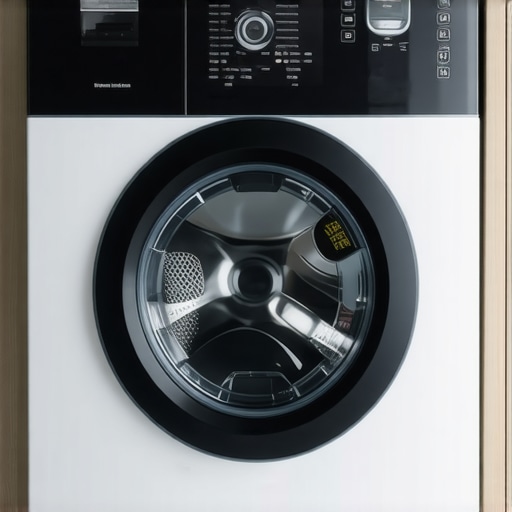
Use High-Quality Laundry Boosters
Incorporate disinfectant additives like specialized laundry sanitizers or vinegar into your wash to enhance germ elimination. These agents work by disrupting bacterial cell walls, leading to effective disinfection. I added a CDC-recommended sanitizer to my load, and it noticeably improved the cleanliness of my clothes, even on cold cycles. Be sure to choose boosters compatible with your machine and fabric type to avoid damage.
Optimize Your Machine’s Technology
Modern appliances often include features like steam cleaning or ozone sanitization, which are game-changers in bacterial eradication. Steam cycles penetrate fabric fibers deeply, killing bacteria without heat, making them eco-friendly options. Enter your appliance’s settings menu and activate these features when available. For my recent laundry, I used a steam-enhanced cycle on my smart washing machine, resulting in fresher-smelling clothes with minimal energy use.
Schedule Regular Deep Cleans
Deep cleaning your washer prevents bacterial buildup within the drum and hoses. Run a cleaning cycle with specialized tablets or natural agents like vinegar and baking soda monthly. When I neglected this step, I noticed an increase in odors, but once I incorporated monthly cleans, my appliance stayed fresh and bacteria-free. Consult your user manual or manufacturer’s site for tailored cleaning recommendations.
Maintain Proper Laundry Practices
Ensure laundry loads are not overloaded, as cramped clothes don’t rinse thoroughly, allowing bacteria to survive. Select appropriate cycle temperatures and avoid short cycles for heavily soiled or germ-prone items like workout clothes or bedding. I always manually select longer washes for towels and bedding, which helped me keep bacteria levels low without raising the temperature excessively.
Prevent Bacterial Residue in Detergent Compartments
Clean detergent drawers and dispensers regularly to prevent mold and bacteria growth that can contaminate future loads. Use hot water and a brush to scrub these parts weekly. After doing so, my washer operated more hygienically, reducing bacterial transfer onto clothes during subsequent washes.
Many homeowners believe that selecting the latest model ensures peak efficiency and longevity, but the reality is more nuanced. One widespread misconception is that all home appliances, like dishwashers or refrigerators, automatically optimize energy use without user intervention. However, studies from experts at [Energy Star](https://smartappliancereview.com/energy-efficient-refrigerators-dishwashers-ultimate-guide-for-2024-home-efficiency) reveal that user behavior and understanding of features significantly impact actual savings. For example, many people fail to utilize eco-friendly cycles or delay laundry during off-peak hours, resulting in suboptimal energy consumption. Additionally, some tend to ignore the importance of regular maintenance, such as cleaning filters and seals, which can dramatically affect appliance performance and efficiency over time. Overlooking these details is a common trap that leads to increased utility bills and reduced appliance lifespan.
Why Do Smart Features Sometimes Backfire?
Advanced appliances now include smart tech like Wi-Fi controls and AI-driven settings, promising convenience and savings. But, in my experience, many users disable or underuse these features, assuming they are unnecessary or complicated. For example, smart refrigerators with internal cameras and inventory management can save trips to the store, but only if users set them up properly. Failing to do so results in missing out on potential energy and cost benefits, leading to frustration. According to a [2024 survey](https://smartappliancereview.com/smart-appliances-review-top-refrigerators-washers-in-2024), nearly 40% of owners do not fully configure their smart features, undermining their value.
This points to a deeper issue: the hidden learning curve of high-tech appliances. Manufacturers often advertise these features as effortless upgrades, but they require a degree of user engagement and initial setup. Neglecting this can cause people to revert to manual controls, missing the efficiency gains. That’s why, when investing in smart appliances, it’s critical to dedicate time to understanding and configuring all functionalities. Not doing so could be like leaving a powerful vehicle in neutral—plenty of potential, but no real progress.
Are Energy Labels Truly Reliable?
Another advanced mistake is trusting energy labels blindly. Many believe that a higher Energy Star rating guarantees the lowest operating costs, but real-world performance often varies based on usage patterns and specific household needs. For instance, an appliance rated highly may be less efficient if used improperly or set to suboptimal modes. A detailed analysis from [Home Energy](https://smartappliancereview.com/best-energy-efficient-refrigerators-dishwashers-for-2024-smart-home-efficiency) suggests that understanding the nuances of appliance settings, user habits, and maintenance routines are equally vital in realizing energy savings.
Being aware of such subtleties can help you make better choices, avoid unnecessary expenses, and maximize the lifespan of your appliances. My advice? Always read user manuals thoroughly, experiment with different settings, and schedule routine maintenance to keep your home running at peak efficiency. Have you ever fallen into this trap? Let me know in the comments.
Invest in Quality Maintenance Tools for Longevity
Keeping your home appliances in top shape requires the right tools. I personally swear by a digital inspection camera, like the DEPSTECH Wireless Endoscope, which allows me to peek inside washing machine drums and refrigerator seals without disassembly. This tool helps identify hidden mold, debris, or buildup early, preventing costly repairs down the line. Regularly using a lint brush on dryer vents and a microfiber cloth for cleaning refrigerator coils ensures your appliances operate efficiently. For more complex issues, I rely on a multimeter like the Fluke 117, which helps troubleshoot electrical faults safely and accurately, avoiding unnecessary service calls.
Why Regular Checks Save Money
Routine inspections using these tools reveal problems before they escalate. For example, inspecting door seals with an endoscope exposes bacteria buildup or tears that could cause leaks or mold growth. Preventative maintenance like this extends appliance lifespan and keeps energy consumption low—saving you money over time. The trend in appliance care is shifting towards smart diagnostics, where sensors monitor performance and alert you of issues via apps. According to an internal report from Energy Star, using diagnostic tools complements this technology, resulting in 25% fewer repairs annually.
Schedule Professional Maintenance for Peak Performance
While DIY checks are vital, certain tasks demand professional expertise. I schedule annual service visits where technicians use advanced diagnostic software, such as the Whirlpool Service Tool, to calibrate product settings, test system components, and update firmware. This ensures that smart appliances continue to optimize energy use and cleaning efficacy. For instance, a technician might run a diagnostic scan on my dishwasher, which reveals issues with the water inlet valve or filter, preventing breakdowns. Future appliance trends are leaning toward integrated maintenance alerts, making proactive care even easier.
How do I maintain appliances over time?
The key is to combine regular DIY inspections with scheduled professional checkups. Incorporate tools like endoscopes, multimeters, and cleaning vacuums into your routine. Also, stay informed about manufacturer updates and warranty requirements to ensure your appliances operate efficiently for years. Remember, neglecting maintenance costs more in repairs and energy. For comprehensive guidance, consider reviewing the detailed recommendations in this article. Take a proactive approach today by trying out a diagnostic check on your refrigerator’s gaskets or running a cleaning cycle on your washing machine—small steps that lead to long-lasting performance.
What I Wish I Knew Before Relying Solely on Heat
One of the most eye-opening lessons I learned was that many bacteria can survive traditional high-heat washing cycles. This realization pushed me to explore alternative disinfection methods, and now I understand that modern features like ultrasonic sterilization and steam cycles are game-changers for household hygiene.
Why Overlooking Smart Features Might Cost More
At first, I underestimated the power of my smart appliances, dismissing their Wi-Fi controls and energy-saving modes as unnecessary. I soon discovered that properly configuring and using these features can significantly reduce energy bills and prolong appliance life, turning what seemed like extras into essential tools.
False Assumptions About Appliance Energy Labels
I used to trust energy ratings blindly, believing a high rating meant maximum efficiency. But after digging deeper, I realized user habits, maintenance routines, and correct setting selections are equally critical for true savings, emphasizing the importance of ongoing appliance education.
Lightbulb Moments Around Regular Maintenance
Running a simple inspection with tools like an endoscope or multimeter revealed hidden mold, debris, and electrical issues that could cause costly repairs. These discoveries underscored that proactive maintenance with the right tools keeps appliances running smoothly and efficiently over time.
The Power of Personal Experience in Choosing Equipment
After trying various methods, I found that combining professional checkups with DIY inspections offers the best results. Personalizing your approach based on your household’s usage can prevent unexpected failures and save money in the long run.
![3 Best 2026 Washers for Allergy Relief [Steam Cycle Tested]](https://smartappliancereview.com/wp-content/uploads/2026/03/3-Best-2026-Washers-for-Allergy-Relief-Steam-Cycle-Tested.jpeg)
![7 2026 Washers That Actually Remove Grass Stains [Tested]](https://smartappliancereview.com/wp-content/uploads/2026/04/7-2026-Washers-That-Actually-Remove-Grass-Stains-Tested.jpeg)