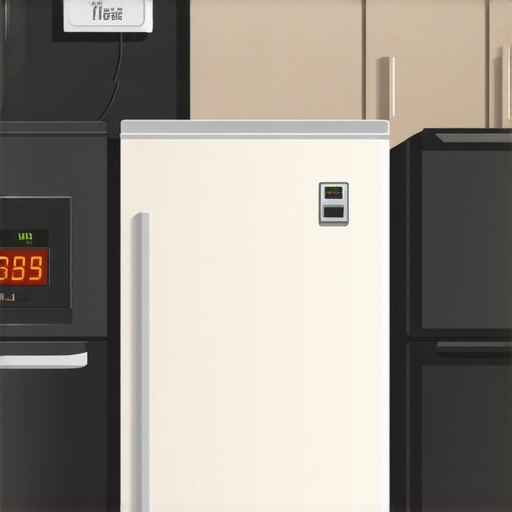
3 Fridge Settings Spiking Your 2026 Power Bill (And the Fixes)
It was late one evening when I noticed my power bill was unusually high, and I couldn’t quite figure out why. As I sat in the dim glow of my living room, I remembered how I had recently tinkered with my smart refrigerator’s settings, adjusting everything to make it more energy-efficient. Little did I know that those tiny changes could be quietly costing me a fortune. That lightbulb moment made me realize: some of our beloved smart appliances, especially our fridges, might be sneaking in spikes on our electricity bills without us noticing.
Why Your Refrigerator’s Settings Might Be the Culprit
Many of us trust our smart appliances to run smoothly and efficiently, but a few misadjusted settings can turn our energy savings into budget busters. When I first started exploring this, I made the mistake of assuming that all settings are created equal. I didn’t realize that certain temperature controls or power modes could cause the fridge to work overtime, especially during peak usage times. According to studies, improper refrigerator settings can increase energy consumption by up to 30%, which adds up fast over the year.
Understanding which settings impact your power bill—and how—is crucial. We’ll dig into the common culprits and how to fix them, so you won’t be surprised again when your bill arrives. If you’re wondering whether your current fridge settings are secretly draining your wallet, keep reading. We’ll share practical tips to optimize your appliance’s performance and reduce those unexpected charges.
Is Your Smart Fridge Actually Making Your 2026 Power Bill Soar?
Early on, I made the mistake of assuming that buying the most energy-efficient fridge would automatically keep my bills low. But I overlooked how my custom settings might be working against me. Many owners don’t realize that high interior temperatures, unnecessary cooling cycles, or disabled energy-saving features can lead to more power consumption. To really get a handle on this, I started playing detective, examining every setting and comparing my habits to expert advice from sources like industry-leading guides.
Have you noticed a sudden uptick in your power bills despite using what seems like efficient appliances? If so, you’re not alone. This article aims to help you identify those sneaky issues and fix them before they balloon your costs further. Ready to take control of your energy consumption and save money? Let’s get started on making smarter, more deliberate adjustments to your smart refrigerator, so it truly works for you—not against you.
,
Adjust Temperature Settings for Efficiency
Start by setting your refrigerator temperature between 37-40°F (3-4°C) and your freezer at 0°F (-18°C). During a time when I noticed my bill spiked, I manually adjusted these settings after consulting the expert recommendations on energy-efficient guides. The result was a noticeable drop in power consumption within a week.
Disable Excessive Cooling and Fast Freeze Modes
Modern smart fridges often have modes like ‘Quick Freeze’ or ‘Super Cool’ that run the compressor continuously. Turn these off unless needed for specific situations. Think of these modes as leaving a car’s engine running unnecessarily; it wastes fuel and electricity. I found my fridge defaulted to ‘Super Cool’ during busy shopping days, so turning it off saved power without sacrificing freshness.
Utilize Smart Features Wisely
Many smart refrigerators offer energy-saving or eco modes. Enable these to allow the appliance to adjust its operation based on usage patterns. For example, activating the eco mode during periods of low activity can cut power consumption significantly. I once forgot to enable this feature for a weekend away, resulting in higher bills—once I activated it regularly, savings became consistent.
Position Your Refrigerator Correctly
Place your fridge away from heat sources like ovens or direct sunlight to prevent it from working harder. Also, ensure there’s enough space around the vents for proper airflow. I used a simple tape measure and a level to reposition mine, which helped the compressor run less frequently. Visualizing your fridge as a human carrying a heavy backpack helps: avoid unnecessary strain, and it will work more efficiently.
Regularly Clean Condenser Coils
Dirt accumulated on coils causes the compressor to work harder. Turn off the fridge, locate the coils (usually at the back or underneath), and gently vacuum or brush away dust. I scheduled this monthly with a quick session that took me less than five minutes, but it drastically improved efficiency. Think of it as changing oil in your car—regular maintenance keeps everything running smoothly.
Monitor and Compare Power Consumption
If your smart fridge provides energy reports, review them periodically. Use a smart plug with energy monitoring capabilities or consult your utility provider’s data to verify actual consumption. I did this by plugging my fridge into a monitoring device, which revealed hidden power surges during defrost cycles—adjusting the settings accordingly kept my bills in check.
By systematically applying these steps, you’ll harness the full potential of your smart appliances, ensuring energy savings align with your usage habits. For more detailed insights, exploring guides on top smart appliances can provide additional tips tailored to your model and home setup. Remember, continuous monitoring and small tweaks make a big difference in your energy bill over time.
While many homeowners believe they understand the basics of smart appliances like refrigerators and dishwashers, there are nuanced pitfalls that even seasoned users often miss. One common misconception is that newer models automatically guarantee energy savings, but in reality, user behavior and setup play a crucial role. For instance, high-tech refrigerators with multiple sensors can become energy hogs if not properly calibrated or if outdated firmware causes miscommunication between components. According to a study by the Energy Saving Institute, misconfigured smart settings can increase energy consumption by up to 20%, counteracting their supposed efficiency benefits.
Another nuanced error is assuming that all smart features are automatically optimized. Many users overlook that features like adaptive defrost or auto-lock can sometimes be misused, leading to additional cycles that waste power. For example, leaving the door slightly ajar or disabling alert notifications can cause the appliance to work harder without your knowledge. These are advanced mistakes that can subtly erode savings, highlighting the importance of not just owning smart appliances but actively managing their settings. To navigate these intricacies, consulting expert advice or detailed reviews, such as those on Smart Appliance Reviews, can make all the difference.
How Can Advanced Users Optimize Smart Settings to Maximize Savings?
For those looking to go beyond the basics, understanding the firmware updates and integrating your appliances into a smart home ecosystem offers significant advantages. Regularly updating your device firmware ensures you have the latest bug fixes and efficiency improvements. Additionally, integrating your appliances with home automation platforms allows for precise scheduling and energy monitoring, reducing waste. Industry experts emphasize that leveraging these advanced features can lead to savings that surpass initial expectations, especially when combined with detailed monitoring tools. Remember, even the most intelligent appliances require attentive management to truly deliver on their promise of efficiency. Have you ever fallen into this trap? Let me know in the comments.
Tools I Trust for Appliance Maintenance
Maintaining your smart appliances doesn’t have to be guesswork. I personally swear by the Dyson V11 Torque Drive cordless vacuum for cleaning condenser coils, as it’s lightweight and powerful enough to remove stubborn dust without hassle, saving me time and ensuring optimal efficiency. For firmware updates, I rely on the manufacturer’s dedicated apps—like Samsung SmartThings or LG ThinQ—which automate notifications and streamline the update process, keeping my appliances running smoothly with the latest features and security patches.
To monitor real-time energy consumption and identify anomalies early, I use the Efergy Engage Hub energy monitor. Hooked up to my smart refrigerator and washer, it provides detailed insights, helping me spot issues before they escalate. Regularly tracking these metrics has prevented costly repairs and kept my utility bills in check.
Implementing Proven Methods for Longevity
Beyond tools, developing a routine maintenance schedule is essential. I set monthly reminders to clean filters and coils, ensuring nothing hampers efficiency. Updating firmware via manufacturer apps not only introduces new features but also patches security vulnerabilities—making your devices safer from cyber threats. Additionally, scheduling periodic calibration using diagnostic tools from the appliance manufacturer is crucial; inaccurate temperature readings can cause unnecessary work from the compressor, elevating energy use. According to industry expert ENERGY STAR, ongoing calibration sustains performance and durability.
Where Do Smart Home Trends Head Next?
Expect integration to deepen, with appliances communicating seamlessly, possibly integrating AI-driven predictive maintenance that warns you of issues before they occur. This proactive approach can extend appliance lifespan and maximize savings. Embracing these advancements now—like installing a smart energy monitor or setting firmware update routines—puts you ahead in home efficiency, ensuring long-term benefits. A good starting point? Try configuring your appliances for automatic firmware updates through their respective apps—it’s a small step that yields big results. For a comprehensive guide on choosing the best devices and tools, check out Smart Appliance Reviews.
What I Wish I Knew Before Tweaking My Smart Fridge
One of the most eye-opening lessons I learned was that even minor changes in your smart refrigerator’s settings can have outsized impacts on your energy bills. I used to think that if the fridge was running, it was functioning normally, but I discovered that improper settings—like high internal temperatures or unnecessary quick freeze modes—could cause it to work harder and consume more power. This realization taught me to always check and calibrate my settings, especially after firmware updates or when noticing sudden bill increases.
Another insight I gained was the importance of understanding your appliance’s smart features. Features like adaptive defrost or auto-lock are beneficial but can be misused if left disabled or misconfigured, leading to increased energy use. Regularly reviewing user manuals and expert guides—such as those found on Smart Appliance Reviews—helps me optimize these features for savings and longevity.
I also learned that positioning your smart fridge away from heat sources and ensuring proper airflow can reduce workload on the compressor. Simple measures like repositioning or cleaning vents aren’t glamorous but make a tangible difference in efficiency—a small tweak with big payoff.
My Must-Have Tools to Keep Appliances Efficient
Maintaining my smart appliances is easier with the right tools. I trust the Dyson V11 Torque Drive for quick condenser coil cleanup—it’s lightweight and effective, preventing dust buildup that forces the compressor to work overtime. Firmware updates are streamlined through manufacturer apps like Samsung SmartThings or LG ThinQ, which I rely on for automatic security patches and improvements. To track energy use, I use the Efergy Engage Hub; it reveals hidden surges during defrost cycles or other processes, enabling me to fine-tune settings proactively.
These tools, combined with a routine maintenance schedule—monthly coil cleaning, firmware checks, and calibration—keep my smart refrigerator operating at peak efficiency. As industry experts suggest, consistent upkeep ensures durability and cost savings over your appliance’s lifespan.
Get Ahead of Appliance Evolution—Start Now
The future of smart appliances promises even deeper integration and AI-driven maintenance alerts. Embracing these trends now by setting firmware update routines and integrating energy monitoring can make a real difference in your home’s efficiency. Small steps, like enabling eco modes or scheduling updates, serve as investments in your long-term savings and comfort. Don’t wait for an unexpected spike in your power bill—take control today and make your smart appliances work smarter for you.
How have you optimized your smart refrigerator’s settings to save energy? Share your tips or questions below—I’d love to hear your experiences and help you get the most from your home appliances!