![4 Washing Machine Red Flags to Avoid in 2026 [Checklist]](https://smartappliancereview.com/wp-content/uploads/2026/01/4-Washing-Machine-Red-Flags-to-Avoid-in-2026-Checklist.jpeg)
4 Washing Machine Red Flags to Avoid in 2026 [Checklist]
It happened unexpectedly—a morning when I opened my laundry room to find my washing machine making weird noises and refusing to spin. The realization hit me hard: I had ignored some clear warning signs, and now I was paying the price. That day, I learned a valuable lesson about paying attention to those small, nagging issues before they turn into costly repairs or replacements. Since then, I’ve become pretty obsessed with spotting red flags early, and I want to help you do the same.
So today, we’re diving into the top four washing machine red flags to watch out for before 2026. These aren’t just minor annoyances—they can be signs of deeper problems that, if left unchecked, might leave you with an appliance that’s more trouble than it’s worth. Recognizing these signals early can save you a bundle and keep your laundry routine smooth.
Why Ignoring These Signs Is a Bad Idea
Many homeowners, myself included initially, tend to dismiss or brush off worrisome noises, leaks, or inefficiencies. We get busy, assume it’s normal wear and tear, or hope it’ll resolve itself. But according to a recent report, ignoring early appliance issues can lead to a 30% increase in repair costs and, in some cases, the need for complete replacement within a few years. That’s a staggering figure that underscores how crucial it is to heed warning signs early.
For example, one mistake I made early on was dismissing a persistent, faint burning smell during laundry cycles. It seemed harmless at first—probably just lint build-up or a minor motor issue. But it was actually a sign of overheating components that could have caused a fire. Learning from my experience, I now pay close attention to odd behaviors, noises, or smells from my appliances, especially my washer, which is a workhorse in my home.
If you’re wondering whether your machine is signaling something serious, I promise that noticing the red flags discussed here will make a huge difference. Not only will it help you avoid emergency repairs, but it also contributes to a more energy-efficient, longer-lasting appliance.
Is the Buzz About Washing Machine Red Flags Overhyped?
Like many DIY homeowners, I was skeptical at first—thinking, “How bad can a strange noise or slow drain really be?” But I learned the hard way that some issues can escalate quickly. For instance, ignoring a slow drain led to a full-blown flood that damaged my floor and caused mold growth. Don’t make the same mistake. Recognizing early warning signs is worth the effort—your wallet, and your home, will thank you.
If you’re ready, let’s explore each of these red flags in detail, so you can confidently identify and address them before they become serious problems. Ready to become appliance-savvy? Let’s go!
Perform a Visual Inspection Regularly
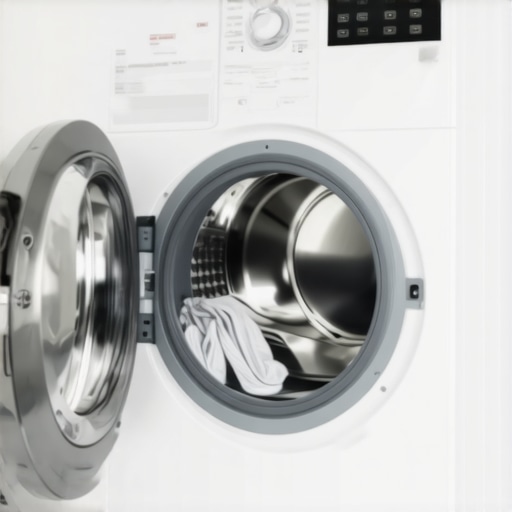
Start by unplugging your washing machine and pulling it out from its corner to examine its condition. Look for leaks, rust, or any buildup of lint or debris around seals and hoses. Check for loose or cracked hoses—these are often the first indicators of future leaks. Use a flashlight to inspect hard-to-see areas for corrosion or mold, especially if you’ve noticed musty smells. During my last inspection, I noticed a small crack in a hose clamp, which I replaced immediately, preventing a potential flood.
Check for Unusual Sounds or Vibrations
Turn on the machine with a load of laundry and listen carefully for irregular noises—grinding, banging, or high-pitched squeals. These sounds may signal worn bearings, a faulty motor, or misaligned parts. For instance, I once heard a loud rattling during spin cycles; upon opening my machine, I found a small sock tangled around the drum, causing imbalance. Clearing debris or tightening loose components can often resolve these issues without professional help.
Test the Machine’s Drainage and Water Flow
To ensure proper drainage, run a cycle and observe how water exits the drum. A slow drain or standing water after the cycle could point to clogged filters or hoses. Remove the filter cover (usually at the bottom front), and clean out lint or debris accumulated there—these filters can get clogged over time, impeding drainage. As part of my routine, I clear this filter monthly; this kept my washer running smoothly and prevented overflows.
Inspect the Door Seal and Gaskets
Examine the rubber door seal for tears, mold, or accumulated dirt. A damaged seal can cause leaks or mold growth, which impacts hygiene and efficiency. Wipe it with a damp cloth, and replace if you find significant damage. During one cleaning, I discovered mold build-up that was causing a foul smell; cleaning it thoroughly eliminated the odor and prevented leaks during future cycles. Regularly maintaining the seal prolongs the lifespan of your appliance.
Run Diagnostic Cycles and Monitor Efficiency
Many modern washers include diagnostic modes—consult your user manual or manufacturer website to activate this feature. Running a diagnostic test helps identify electronic or motor issues early. For example, I ran my machine’s diagnostic cycle after noticing longer wash times, which revealed a faulty wiring connection. Addressing this prevented a complete breakdown and costly repairs. Additionally, keep an eye on spin speeds—slower than usual spins indicate potential motor or belt problems.
Integrate Smart Monitoring if Available
If your appliance is a smart model, enable self-monitoring features through its app. These tools can alert you remotely about irregularities or maintenance needs, such as filter replacements or error codes. I connected my smart washer to my home automation system, setting alerts for unusual vibrations or water use spikes. This proactive approach saved me from unexpected breakdowns and maintained optimal performance. For advanced insights, explore the top smart appliances of 2024, which offer comprehensive diagnostics and energy monitoring features.
Keep a Maintenance Log
Record every inspection, cleaning, and repair in a dedicated notebook or app. Tracking signs of wear helps forecast future issues and schedule preventative maintenance. I noticed a pattern where my machine’s belts started slipping after a year of heavy loads, prompting me to replace them proactively. This simple habit extended the overall lifespan of my washer and reduced emergencies.
Regular inspections and proactive troubleshooting are your best tools against unexpected breakdowns. Taking quick, decisive action when noticing early signs saves money and prolongs the life of your appliances. For detailed troubleshooting tips, check out the best smart appliances of 2024, which combine ease of diagnostics with energy efficiency, making maintenance easier and more effective.
Many assume that once a dishwasher, refrigerator, or washer works, it will continue to do so efficiently forever. But in my experience, homeowners often overlook complex nuances that could save money and extend appliance life. For example, a common myth is that smart appliances automatically optimize themselves without user oversight. In reality, many smart models require regular firmware updates and proper settings to function optimally, or they might leak data or underperform. Moreover, there’s a misconception that newer models are foolproof, leading users to ignore routine maintenance; neglecting to clean filters or check seals can drastically shorten appliance lifespan.
Fascinatingly, some advanced features—like auto-dispensing detergents or adaptive wash cycles—are underutilized because users either aren’t aware or misunderstand their purpose. This underuse leads to missed benefits such as energy savings or better cleaning results. An intriguing oversight is that eco-friendly modes often consume more electricity to complete cycles faster or more thoroughly, contradicting their intention to save energy. As exploration into these features progresses, it’s essential to read the detailed specs and user guides, as some functionalities are designed for specific situations or types of loads.
### How can I tell if my smart fridge is compromising my privacy without realizing it?
Views from industry experts indicate that many smart appliances transmit usage data to manufacturers, some without explicit user consent. This data can include shopping habits or daily routines, potentially exposing personal information if not properly secured. To avoid this pitfall, users should review privacy settings, disable unnecessary data sharing, and keep firmware updated. For in-depth advice on protecting your smart home devices, you might find it helpful to explore the latest *top smart appliances of 2024*, which incorporate enhanced privacy features. Remember, being proactive about these nuances can prevent unforeseen issues down the line. Have you ever fallen into this trap? Let me know in the comments.
Keep Your Appliances Running Smoothly with the Right Tools
Maintaining your smart home appliances, especially washing machines and refrigerators, requires a combination of precise tools and consistent routines. One of my go-to instruments is a digital multimeter. I use it to verify electrical connections and detect shorts or faulty wiring before an issue becomes severe. Investing in a reliable multimeter, like the Fluke 115, has saved me countless trips to the repair shop by allowing me to diagnose problems early. Additionally, a specialized appliance inspection mirror can help you access hard-to-see areas, confirming the integrity of seals and hoses without the need to disassemble the entire unit. Including these tools in your maintenance kit ensures you can address minor issues promptly, preventing costly repairs down the line.
When it comes to software, I highly recommend using manufacturer diagnostic apps for smart appliances. Many brands now offer dedicated apps that run self-tests and provide error codes—saving you the hassle of manual troubleshooting. For example, Samsung’s SmartThings app allows users to initiate diagnostic routines, receive maintenance alerts, and even update firmware. Keeping your device’s software up-to-date ensures it runs at peak efficiency and minimizes security vulnerabilities. Regularly inspecting your appliances with these tools and tools helps prolong their lifespan and maintain optimal performance.
What about long-term monitoring? Consider smart diagnostics and automation systems. Integrating sensors that track water usage, cycle efficiency, and energy consumption can alert you to potential issues before they escalate. For instance, I installed a smart water flow sensor on my dishwasher’s supply line, which sends real-time data to my home automation hub. Whenever there’s an abnormal flow indicating a leak or clog, I receive an immediate alert, allowing me to act swiftly. These proactive measures empower you to keep appliances in prime condition without continuous manual checks.Predicting the Future of Appliance Maintenance
As technology advances, I believe we’ll see even more sophisticated maintenance solutions incorporated directly into appliances. Expect IoT-enabled diagnostic systems to offer predictive analytics, forecasting issues before symptoms appear. This proactive approach will shift maintenance from reactive to preventative, saving consumers time and money. Companies are already experimenting with AI-driven diagnostics that analyze usage patterns and suggest specific maintenance actions—much like how smart phones alert users about battery health or security updates. To stay ahead, I recommend exploring the integration of these future-ready tools now, so your appliances continue to serve you reliably for years to come.
How do I keep my appliances in top shape for years to come?
The key lies in consistent, informed maintenance using the right tools. Start by investing in a quality multimeter and an appliance inspection mirror, and leverage manufacturer diagnostic apps to stay on top of potential issues. Regularly cleaning filters, inspecting seals, and updating firmware ensure longevity and efficiency. For an added layer of protection, integrate smart sensors that monitor performance and alert you to anomalies early. Remember, embracing these advanced techniques today prepares you for seamless operation tomorrow. To discover the latest innovations, check out the top smart appliances of 2024, which showcase devices optimizing maintenance through built-in diagnostics and automation. Give one of these tips a try today—you’ll thank yourself later for the peace of mind it brings.
The Hidden Lessons My Washing Machine Taught Me
One of the most surprising insights I gained was how overlooked early warning signs can save you from major headaches later. For instance, I used to dismiss odd smells or strange noises, thinking they were minor issues. But those signs are like whispers from your appliance, hinting at underlying problems that could escalate. Learning to interpret these signals changed my approach to maintenance, making me proactive rather than reactive.
Another realization was how simple tools, like a flashlight or a multimeter, empower homeowners to diagnose issues themselves. Instead of waiting for a professional, I started inspecting hoses, seals, and electrical connections regularly. This habit not only saved me money but also gave me peace of mind, knowing my machine was in good shape.
Most importantly, I understood that staying informed about the latest features in smart appliances makes a difference. Features like diagnostic modes or energy monitoring can provide early alerts, turning every laundry day into an opportunity for preventative care. Incorporating these technological advances helps extend the lifespan of your washer and keeps your energy bills in check.
My Favorite Tools for Keeping Appliances in Peak Condition
Over the years, I’ve come to trust certain tools that streamline maintenance. A reliable digital multimeter is essential for checking electrical components, preventing hidden faults from becoming disasters. An inspection mirror helps me peek into tight spots around seals and hoses without disassembling the entire unit. For troubleshooting, I rely on manufacturer apps—these often run diagnostic tests and provide actionable insights. Brands like Samsung with SmartThings or LG’s ThinQ ecosystem have been game-changers for me, offering real-time monitoring and updates that improve appliance health.
To stay ahead, I also recommend keeping a detailed maintenance log—both digital and physical. Tracking issues and repairs reveals patterns that might otherwise go unnoticed, allowing for proactive interventions. Investing in these tools and habits has made appliance care less daunting and infinitely more rewarding.
Your Next Step Toward Smooth Laundry Days
Taking control of your washing machine’s health doesn’t have to be complicated. Start small: perform a visual inspection, listen for unusual sounds, and utilize diagnostic modes if available. The more you learn to interpret signs of trouble early, the more you’ll protect your home and wallet. Remember, each small effort adds up to a longer-lasting appliance and a stress-free laundry routine. Curious about the latest in smart appliance innovation? Don’t miss the top smart appliances of 2024, which showcases devices built with maintenance and efficiency in mind.

![3 Best 2026 Washers for Allergy Relief [Steam Cycle Tested]](https://smartappliancereview.com/wp-content/uploads/2026/03/3-Best-2026-Washers-for-Allergy-Relief-Steam-Cycle-Tested.jpeg)
![4 2026 Washers That Actually Remove Stubborn Pet Hair [Tested]](https://smartappliancereview.com/wp-content/uploads/2026/04/4-2026-Washers-That-Actually-Remove-Stubborn-Pet-Hair-Tested.jpeg)