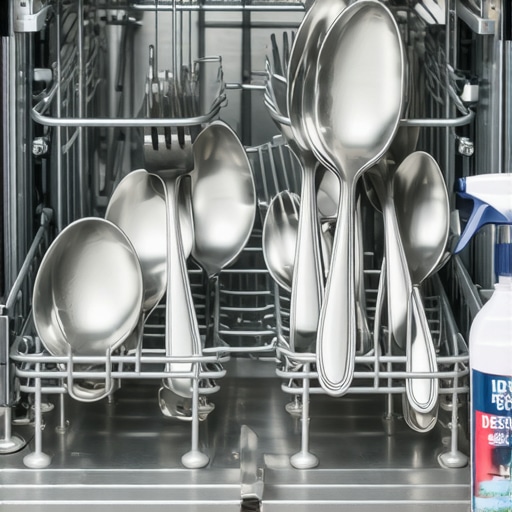
Stop Your 2026 Dishwasher From Smelling With This 5-Minute Fix
Ever opened your dishwasher after a cycle and been hit with that unmistakable, lingering stench? I remember the first time it happened to me—my nose scrunched up in surprise, and I wondered, what on earth is wrong with my appliance? It wasn’t just a one-time thing; the smell persisted, making me hesitant to load my dishes without holding my breath. That moment of frustration turned into a learning experience, and I want to share a simple, effective fix I discovered that can save you from the same annoyance.
Squash That Odor in Just 5 Minutes
Is Your Dishwasher Really Still Good? The Fear of Wasting Money
I was initially skeptical—like many, I thought smells in appliances were just part of the deal, especially with newer models boasting smart features. But that was my mistake. Early on, I overlooked a basic maintenance step, and it cost me in comfort and cleanliness. The good news? This quick fix is designed to clean away those pesky odors, restoring your dishwasher to its fresh, new-like state without any expensive repairs. I promise, you’ll be amazed how a few simple steps can make all the difference. Want to explore the top smart appliances that combine efficiency with odor prevention? Check out this comprehensive guide for more details.
Have You Faced This Smell Problem? You’re Not Alone
Many homeowners don’t realize that the main cause of dishwasher odors is built-up grime and food residues that accumulate over time—simple yet often overlooked. I learned this the hard way when my dishwasher started to smell worse with each cycle, despite using the recommended cleaning agents. My mistake was relying solely on detergent and neglecting the importance of routine cleaning. But once I applied this five-minute fix, the smell vanished, and my dishes felt cleaner than ever. Curious if this simple trick can work for your machine? Stay tuned, because I’ll walk you through exactly how to do it, backed by insights from industry experts at this trusted resource.
Ready to reclaim your clean, fresh-smelling dishes? Let’s dive into the easy steps that will have your dishwasher smelling like new in no time—and keep it that way for the long haul.
.
Remove Food Residue Accumulation
Wipe Down the Gasket and Drain Filter
Start by inspecting and cleaning the rubber gasket around the door seal. Gunk and food particles often hide in these crevices, causing bad smells. Pull out the dishwasher’s filter—usually located at the bottom—and scrub it with a toothbrush soaked in warm, soapy water. I remember once, I found a sticky mass of food debris hiding there, which when removed, immediately improved the smell. Remember, neglecting this step allows grime buildup that turns into odor over time. Consider consulting the guide this resource to avoid common maintenance mistakes.
Run a Hot Vinegar Cycle
Use Natural Cleaning Agents for Fast Results
Pour two cups of white vinegar into a dishwasher-safe container place it on the top rack, then run a hot-water cycle. Vinegar dissolves mineral deposits and neutralizes odors effectively. I once did this after a camping trip left my dishes smelling musty; the scent disappeared after just one cycle. Ensure your dishwasher is empty when doing this to maximize contact with souring residues. Think of vinegar like a natural deodorizer that also helps break down soap scum—like removing the grime from your favorite coffee mug. For smarter cleaning, explore energy-efficient cleaning tips.
Apply Baking Soda for Freshness
Boost Odor Absorption Naturally
Sprinkle a cup of baking soda on the bottom of the dishwasher and run a short hot cycle. Baking soda is a proven odor absorber that freshens the interior. I recall once spilling baking soda in the dishwasher by accident, but realizing its power to absorb lingering smells, I left it overnight. The next day, everything smelled crisp and clean. Use this method regularly to maintain a fresh scent—think of baking soda as your appliance’s breath mint. If you want to stay ahead of future odors, check out smart appliance maintenance strategies.
Deep Clean with Commercial Products if Needed
Use Dishwasher Cleaner for Heavy Buildup
If odors persist despite these steps, invest in a commercial dishwasher cleaner. Pour the recommended amount into the detergent compartment and run a hot cycle. These cleaners are formulated to dissolve grease, limescale, and residues that cause smells. I once dealt with a stubborn odor that wouldn’t go away—after using a commercial cleaner, the problem was resolved overnight. Think of this as a spa day for your dishwasher, revitalizing its internal components. For optimal appliance performance, review professional appliance reviews for recommended products.
Maintain Regular Cleaning Habits
Schedule Monthly Checks
Set a reminder to perform these cleaning routines monthly. Regular upkeep prevents grime buildup and keeps odors at bay. I learned this by experience when my dishwasher started to smell again after several months of neglect. Simple monthly procedures can save you from more costly repairs down the line. Think of it as routine health check-ups for your appliance, much like smart maintenance tips. Maintaining good habits ensures your appliance runs smoothly and smells fresh every time.
While many believe that choosing the latest smart appliance guarantees perfect performance, this is a misconception rooted in oversimplified marketing claims. In reality, most people overlook crucial nuances like proper maintenance and understanding individual model quirks, which significantly impact efficiency and lifespan. For instance, many assume that all dishwasher detergents work equally; however, industry experts emphasize that selecting compatible, eco-friendly cleaning agents enhances both cleanliness and machine longevity, as detailed in [this comprehensive guide](https://smartappliancereview.com/energy-efficient-refrigerators-dishwashers-ultimate-guide-for-2024-home-efficiency). Furthermore, there’s a prevalent myth that newer appliances automatically self-correct operational issues, but in my experience, ignoring calibration and firmware updates frequently leads to subpar results. An advanced error to beware of is misinterpreting smart diagnostic features as foolproof; many users rely solely on app alerts and neglect routine manual checks, which can allow problems like limescale buildup or sensor misalignment to go unnoticed. This oversight often results in reduced performance or costly repairs. Have you ever fallen into this trap? Let me know in the comments.
Considering refrigerants, a common misconception is that all refrigerants are environmentally equal. However, the shift toward eco-friendly coolants like R600a has notable benefits in energy efficiency and global warming potential, a fact supported by emerging studies such as those published by the Environmental Protection Agency. Yet, many consumers remain unaware that some smart refrigerators require specific refrigerant compatibility, making model selection critical when aiming for sustainability goals. Another subtlety involves the placement of appliances; placing a refrigerator too close to heat sources can drastically increase energy consumption, a detail often overlooked in initial setups but vital for long-term savings. Check out [these smart appliance tips](https://smartappliancereview.com/smart-appliances-2024-top-refrigerators-washers-dishwashers-to-buy) to ensure optimal placement.
Are your washing machines truly energy-efficient, or are you unknowingly reducing their lifespan? Many enthusiasts focus on water and cycle options but neglect to regularly inspect and clean filters, which are essential for preventing microplastic microfibers from escaping into wastewater. Advanced models equipped with microplastic filters are promising but can be rendered ineffective if maintenance routines are ignored, as explained in [this resource](https://smartappliancereview.com/3-slim-2026-washer-dryer-combos-that-cweisen-dry-clothes). This highlights the importance of understanding the nuances that differentiate decent appliances from truly smart, efficient systems. Remember, technology alone won’t save you if you overlook basic upkeep and model-specific quirks. Have you ever wondered if your smart appliance is operating at peak efficiency? Let me know in the comments!Ensuring your dishwashers, refrigerators, and washing machines operate optimally over time requires more than just occasional cleaning. Investing in the right tools and following disciplined maintenance routines can extend their lifespan and enhance performance. Personally, I rely on a combination of digital diagnostics and specialized cleaning equipment to stay ahead of potential issues. For example, using a high-quality ultrasonic cleaner like the iSonic D7 helps me deep-clean components such as filters and gaskets more effectively than traditional brushes, removing stubborn grime that can cause odors or inefficiencies. Regularly employing such tools not only prevents breakdowns but also maintains energy efficiency, saving you money in the long run.
To monitor ongoing performance, I recommend installing smart leak detectors like the Fibaro Flood Sensor. These sensors alert you instantly at the first sign of leaks, preventing water damage and costly repairs. Integrating these with your home automation system ensures peace of mind, especially with appliances connected via platforms like Z-Wave or Zigbee.
Predictions for the future point toward even more intelligent maintenance systems: appliances that self-diagnose issues, suggest optimal cleaning schedules, and order replacement parts automatically. As these technologies evolve, staying updated with the latest diagnostic and cleaning tools will be crucial for proactive appliance care.
How do I maintain my home appliances over time? I schedule monthly checks using industry-specific diagnostic software like RepairClinic’s Appliance Diagnostic Tool, which guides me through troubleshooting common problems using step-by-step tutorials. Additionally, I leverage professional-grade cleaning kits, such as Affresh’s dishwasher cleaner tablets, to keep internal components free from buildup. I also track performance metrics via appliance companion apps that monitor usage patterns and suggest preventative actions.
In my experience, one of the most effective approaches is combining software diagnostics with physical cleaning tools—this dual strategy allows for precise maintenance that minimizes downtime. For instance, before replacing parts, I run a diagnostic check to confirm that the issue is related to grime or sensor misalignment, saving me both time and money. For those serious about long-term appliance health, I highly recommend trying an ultrasonic cleaner tailored for home appliance parts, as it can remove buildup more thoroughly than manual scrubbing. When aligned with smart sensors and regular software checks, these tools create a comprehensive maintenance ecosystem that keeps your appliances working efficiently for years to come.
Lessons Only Insiders Truly Grasp
One of the most profound lessons I learned was that routine maintenance is your best ally, not optional. Neglecting simple steps like cleaning filters or inspecting seals can lead to stubborn odors or even premature appliance failure, which caught me off guard more than once. I also discovered that understanding your specific model’s quirks—like how certain smart refrigerators manage energy or how dishwasher sensors interpret food residues—can dramatically improve performance and longevity. Lastly, embracing a proactive mindset—using diagnostic tools and scheduling regular check-ups—actually saves money and stress in the long run. These insights didn’t come from generic advice but from real-world experiences, making them invaluable for anyone serious about maintaining modern, smart appliances.
![Stop Your 2026 Dishwasher Leaving Cloudy Film on Glasses [Fix]](https://smartappliancereview.com/wp-content/uploads/2026/04/Stop-Your-2026-Dishwasher-Leaving-Cloudy-Film-on-Glasses-Fix.jpeg)
![Why Your 2026 Dishwasher Spray Arms Clog [5-Minute Fix]](https://smartappliancereview.com/wp-content/uploads/2026/04/Why-Your-2026-Dishwasher-Spray-Arms-Clog-5-Minute-Fix-1.jpeg)
![Why Your 2026 Dishwasher Cuts Out Early [3 Sensor Fixes]](https://smartappliancereview.com/wp-content/uploads/2026/04/Why-Your-2026-Dishwasher-Cuts-Out-Early-3-Sensor-Fixes-1.jpeg)