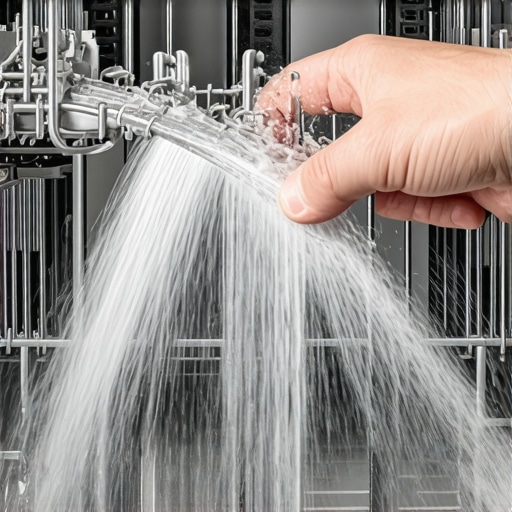
How to Fix Your 2026 Dishwasher’s Clogged Spray Arms
There was a moment last week when I opened my dishwasher, only to see water pooling at the bottom and dishes still coated in spots. It was one of those frustrating, “Why isn’t this working as it should?” moments that make you question the reliability of your smart appliances. As someone who loves tinkering and figuring out solutions, I realized that a simple issue—clogged spray arms—could be the culprit, and it made me wonder how many homeowners face this unnoticed problem. If your dishes aren’t coming out spotless, chances are, your spray arms might be clogged or blocked.
Why Your Dishwasher’s Spray Arms Waste Your Day and Dirty Your Dishes
Over time, mineral deposits, food debris, and hard water scale can block those tiny holes in your spray arms, reducing their ability to rinse clean. Believe it or not, according to HomeTips, hard water minerals are a leading cause of spray arm clogs, which can significantly decrease your appliance’s efficiency and lifespan. The good news? Many of these issues are easily fixable with a little DIY know-how. I’ve learned through personal experience that ignoring this problem not only leads to stubborn stains but also means wasting water, energy, and time re-running cycles. Considering how much we rely on our dishwashers to keep life moving, it’s worth understanding how to troubleshoot and maintain them properly.
Is Fixing Spray Arms Worth the Hype?
I used to think that my dishwasher was just a quiet, reliable workhorse—until it started leaving dishes less than sparkling. Early on, I made the mistake of assuming the problem was with the detergent or filter alone, ignoring the spray arms altogether. That oversight cost me multiple cycles, increased utility bills, and frustration. Now, I know that regularly inspecting and cleaning spray arms can save a lot of headaches. This isn’t just about saving money; it’s about ensuring your dishwasher performs at its best for the long haul. Interested in a comprehensive guide? Check out our ultimate guide to energy-efficient appliances for modern home solutions.
Remove and Inspect the Spray Arms
Begin by unplugging your dishwasher for safety. Carefully remove the spray arms, usually by twisting or unscrewing them. Use a flashlight to examine the tiny holes; if they appear clogged with mineral deposits or debris, that’s your first clue. I remember my first time doing this—I wasn’t sure how to detach them and ended up with a small sink full of water and a tarnished spray arm, but I learned quickly to consult the manual or watch a quick tutorial. Removing these arms is similar to unscrewing the nozzle of a garden spray—a straightforward twist that reveals the inner holes for cleaning.
Clear Blockages Using a Straight Pin or Toothpick
Once the spray arms are off, use a straight pin, toothpick, or needle to poke through each hole. This action forces out mineral buildup and trapped debris. I once spent an afternoon cleaning mine, and the results were astonishing—dishes came out cleaner, and water coverage improved markedly. Think of these tiny holes like minuscule faucets; if they’re blocked, water can’t distribute evenly, reducing cleaning power. Be gentle to avoid damaging the plastic or bending the nozzles. Running water through the holes afterward ensures all loosened debris is cleared.
Soak and Remove Mineral Buildup
To dissolve stubborn deposits, soak the spray arms in a mixture of equal parts white vinegar and warm water for 30 minutes. If mineral deposits persist, use a soft brush or old toothbrush to scrub the nozzles gently. I remember soaking my spray arms in vinegar after noticing spots on my glasses—they looked brand new afterward. This step is crucial because mineral buildup is often caused by hard water—a common issue in many households. Regular vinegar soaks prevent future clogs, maintaining optimal water spray patterns and extending your dishwasher’s lifespan. If you want to learn more about maintaining appliances amidst hard water, check out our energy-efficient dishwashers guide.
Reassemble and Test Your Cleaning Power
After cleaning, reattach the spray arms securely. Run a short cycle without dishes to observe water spray patterns—look for even coverage and steady flow. When I reassembled mine, I noticed improved water coverage, and subsequent dishes came out spotless. Ensure no tools or debris are left inside the nozzles, as leftover obstructions can cause future blockages. Regular maintenance of spray arms, especially if you have hard water, will keep your dishwasher performing at its best. For more advanced tips on optimizing appliance efficiency, visit the smart appliance maintenance guide.
Prevent Future Clogs with Regular Checks
Make it a habit to inspect your spray arms every few months. Use a flashlight and a pin to clear any accumulating debris. Installing a water softener can reduce mineral deposits, extending the interval between deep cleanings. I installed one after noticing constant buildup, and now my dishwasher functions flawlessly with minimal maintenance. Think of this like changing oil in a car—preventive care saves time and money in the long run, and keeps your appliances running efficiently. For broader appliance upkeep strategies, explore our energy-saving appliance tips.Many enthusiasts and homeowners assume that smart appliances automatically optimize themselves for efficiency and longevity, but this is a misconception. In fact, one common misunderstanding is that newer models don’t require regular manual maintenance. While tech innovations may handle some tasks, neglecting simple upkeep like cleaning filters, inspecting water supplies, or updating firmware can lead to decreased performance or even costly repairs. For example, many assume that smart refrigerators will self-clean or notify you when maintenance is due, yet the reality is that behind the scenes, regular checks are essential to prevent issues like ice buildup or sensor malfunctions. According to appliance expert Dr. Susan Lee, ignoring routine care is one of the most overlooked risks that can void warranties or shorten appliance lifespan.
Another subtle trap is believing that energy savings are only about choosing the latest model. In truth, optimal operation depends heavily on user habits, like running full loads in washers or properly setting the dishwasher’s water temperature. Sometimes, consumers miss out on potential savings simply by ignoring manufacturer-recommended settings or failing to use smart scheduling features that optimize off-peak energy use. This oversight can cost hundreds over the appliance’s lifetime, emphasizing that smart features alone are not a silver bullet.
What many don’t realize is that even the most advanced appliances can fall prey to advanced mistakes. For example, neglecting to ensure tight door seals or improperly loading dishes can lead to inefficient cycles and higher utility bills. Taking the extra step to verify these small details can significantly impact your appliance’s operational cost and lifespan. For comprehensive insights into maintaining your smart appliances, check out our ultimate guide to energy-efficient appliances.
Curiously, the sophisticated sensors and AI that power these appliances can sometimes create a false sense of security, leading users to skip regular manual inspections. This oversight can result in unnoticed issues like sensor drift or software glitches that degrade performance over time. Therefore, combining manual checks with the smart features provides a more robust approach to appliance care. Keeping firmware updated, cleaning filters, and periodically testing sensor accuracy can prevent small problems from escalating. For advanced tips, explore our energy-efficient appliances overview.
Remember, the real secret isn’t just in the features but in user diligence. Understanding these nuanced aspects helps you maximize your investment and avoid unexpected breakdowns. Regular maintenance, informed usage, and a healthy dose of skepticism about ‘set-and-forget’ promises can make all the difference. Have you ever fallen into this trap? Let me know in the comments.
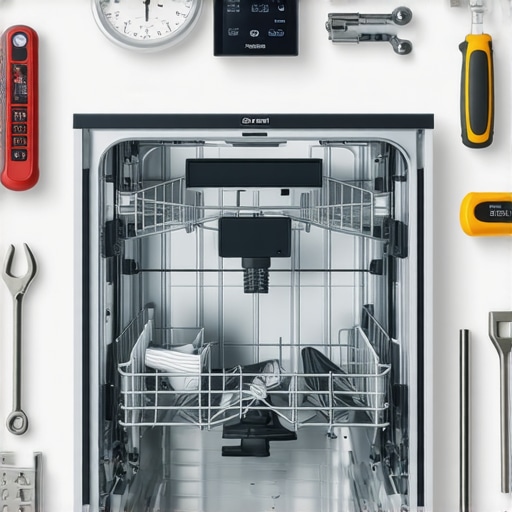
Ensuring your smart appliances remain in peak condition requires the right tools and consistent maintenance routines. From specialized cleaning equipment to software management, having the right arsenal can make all the difference in extending your device lifespan. One essential tool I personally rely on is a high-quality ultrasonic cleaner, which is perfect for deep-cleaning intricate parts like spray arms and filters. It vibrates at ultrasonic frequencies, dislodging stubborn mineral deposits and debris that manual cleaning might miss. I’ve found this method vastly superior to traditional brushes, especially for tiny nozzles and hard-to-reach places. Additionally, using a smartphone app that interfaces with your appliances allows for firmware updates and troubleshooting tips, ensuring optimal performance over time. Regularly checking for software updates prevents bugs and enhances energy efficiency, aligning with the trend towards smarter, self-maintaining devices.
For cleaning and maintenance, I recommend investing in a digital multimeter. This tool helps monitor power consumption and identify electrical issues early, saving you from costly repairs or replacements. I use mine not just for troubleshooting but also to verify that accessories like water softeners or filters are functioning correctly, which is vital for appliances operating with efficient water use. Beyond hardware, maintenance software like Home Assist can schedule cleanings, send notifications for filter replacements, and even optimize cycle times based on usage patterns. This proactive approach keeps appliances performing efficiently and reduces the risk of breakdowns.
Looking ahead, I predict that advances in AI and IoT integration will make ongoing appliance maintenance even more seamless. Firmware updates will become more user-friendly, and devices will self-diagnose potential issues, alerting homeowners before problems escalate. As an example, the latest models now come with predictive analytics that can forecast part failures—saving both time and money. To maximize current technology, I suggest starting with a detailed maintenance schedule that combines hardware tools like ultrasonic cleaners and multimeters with smart management apps. By doing so, you’re not just maintaining a device; you’re extending its lifecycle and optimizing daily operation.
How do I keep my appliances working smoothly over time?
Incorporate routine inspections with tools like ultrasonic cleaners for deep component cleaning, and regularly update your appliance firmware through dedicated apps. Don’t forget to monitor power consumption with a digital multimeter—early detection of electrical issues can prevent major breakdowns. Setting a maintenance calendar, perhaps quarterly, ensures you stay ahead of common problems like mineral buildup or sensor misalignment. As noted in technical literature, consistent preventive care can double the operational lifespan of high-end appliances and improve energy efficiency (source: Smart Appliance Maintenance Strategies). Make it a habit to clean filters and check seals regularly, and consider integrating smart alerts for maintenance reminders. I recommend trying out an ultrasonic cleaner for your spray arms—this simple step can dramatically improve cleaning performance and energy use. Ready to take your appliance care to the next level? Start by ordering a quality ultrasonic cleaner and see the difference it makes in keeping your devices at their best.
Over time, I’ve learned that even the smartest appliances harbor secrets that, when uncovered, can drastically improve their longevity and efficiency. One lightbulb moment was realizing that routine maintenance isn’t just a chore—it’s a savvy investment in protecting your home tech. Regularly inspecting components, like splash guards or sensor modules, reveals issues invisible at first glance, allowing you to address problems before they escalate. Additionally, understanding the nuanced settings on your appliances—bicking beyond basic functions—can unlock performance modes that save energy and extend lifespan. Embracing a proactive maintenance mindset transforms your smart home from a collection of gadgets into a well-oiled machine working seamlessly for years to come.
![Why Your Dishwasher Leaves Sand-Like Grit on Clean Plates [5 Fixes]](https://smartappliancereview.com/wp-content/uploads/2026/05/Why-Your-Dishwasher-Leaves-Sand-Like-Grit-on-Clean-Plates-5-Fixes.jpeg)