7 Water-Saving Hacks for 2026 Eco-Mode Washing Machines
I remember the moment clearly—standing in my laundry room, staring at a pile of laundry while my new eco-mode washer buzzed loudly, seemingly protesting its own efficiency. It hit me then: despite all the smart features promising to save water and energy, I was still wasting both. That lightbulb moment sparked my quest to uncover real, practical ways to optimize my 2026 eco-mode washing machine.
The Hidden Cost of Ignoring Water Efficiency in Your Washer
Many homeowners are excited about the latest smart appliances, especially eco-mode washers that boast impressive water and energy savings. But without knowing the best hacks, it’s easy to fall into common traps—like overloading the machine or selecting the wrong cycle—reducing the actual savings you could enjoy. Believe it or not, a 2024 study found that households could cut their water bills by up to 30% just by adopting simple adjustments in laundry habits alone. Seems worth the effort, right?
Is Water-Saving Really Worth the Extra Effort?
At first, I was skeptical. Aren’t all these high-tech features enough? But I learned from my early mistakes—like neglecting to clean the lint filters and ignoring the manufacturer’s cycle recommendations—that small oversights can negate entire savings. Trust me, getting intentional about these tweaks made a huge difference. If you’ve ever wondered whether these hacks are just hype or truly effective, I can tell you from experience: they are game-changers.
Now, let’s dive into the practical strategies that will help you maximize water efficiency without sacrificing cleaning power. Whether you’re new to smart appliances or simply want better results, these water-saving hacks are your ticket to smarter laundry routines.
Optimize Load Sizes for Maximum Water Savings
When I first started experimenting, I realized overloading my washer was a common mistake. Think of your washing machine as a sponge; if it’s too full, it can’t absorb or rinse effectively, leading to more water use. To get it right, always check the manufacturer’s recommended load capacity—usually listed on the door or user manual—and weigh your laundry accordingly. For instance, on a day I forgot this tip, I overloaded my machine, and it used more water than usual, negating savings. Now, I load only half of what I used to, and my water bills dropped noticeably.
Select the Right Cycle for Your Laundry
Choosing the correct cycle is critical. Many eco-mode settings are optimized for lightly soiled clothes, but selecting a cycle designed for heavier loads can waste water. Personally, I keep a mental note to switch to quick wash for lightly soiled garments, which uses significantly less water. When handling mixed loads, I separate heavily soiled items from lightly soiled ones to prevent unnecessary water consumption. This approach not only conserves water but also extends your washer’s lifespan. For more details on cycle selection, visit this guide.
Pre-treat Clothes to Reduce Wash Time
Pre-treat stains and dirt before loading clothes. Think of it as pre-scrubbing dishes; it allows the machine to require less cycling time, conserving water. I keep a spray bottle with stain remover in the laundry room, and spending an extra 5 minutes pre-treating significantly reduces wash cycle duration. Shorter cycles mean less water used per load. Just a quick soak or gentle scrubbing with a soft brush can make all the difference—I’ve seen my water bills decrease after adopting this habit.
Use Eco-Mode Settings Intelligently
Understand that eco-mode isn’t just a one-size-fits-all option. It’s designed to balance water and energy savings, but sometimes it requires slight adjustments. For example, I set my washer to eco-mode during weekdays when laundry volume is high, utilizing its advanced water-saving algorithms. When doing a small load, I manually select a cycle that minimizes water use—this often means manually tweaking the settings. Refer to this article for troubleshooting common sync issues that affect water efficiency.
Maintain Your Washing Machine for Peak Efficiency
Regular maintenance is key. A clogged filter or misaligned drum can cause your washer to use extra water. I once noticed my clothes weren’t coming out as clean, and after cleaning the lint filter and inspecting the drum alignment (using this step-by-step guide), I saw immediate improvements. Keep the machine clean and check hoses for leaks to prevent any hidden water loss. Proper maintenance ensures your washer operates at optimal efficiency, saving both water and money over time.
Adjust Detergent Usage and Water Temperature
Using the right amount of detergent and the appropriate water temperature can influence water efficiency. Too much detergent can cause extra rinsing cycles, wasting water. I started measuring detergent carefully—using less for lightly soiled loads—and set my washer to cold water whenever possible. Cold washes are effective with modern detergents and save energy as well. These tweaks collectively lead to meaningful water savings, especially when combined with the previous steps.
When it comes to smart home appliances like refrigerators and washing machines, many homeowners fall into common traps that undermine their efficiency and longevity. One prevalent misconception is that newer models are inherently maintenance-free, but in reality, they often require nuanced care to perform at their best. For example, we often assume that setting a dishwasher to its eco mode guarantees maximum savings, yet failing to clean filter screens regularly can drastically reduce its performance and energy efficiency. This oversight is a subtle but impactful mistake that can lead to higher utility bills, counteracting the very purpose of choosing energy-efficient appliances.
Are We Overestimating the Smart Features of Our Appliances?
A widespread myth is that smart appliances automatically optimize themselves without user intervention. While these devices are equipped with sensors and algorithms, their effectiveness heavily depends on proper setup, firmware updates, and understanding their capabilities. According to a study by the Department of Energy, neglecting the calibration of smart sensors can lead to as much as 20% inefficiency. Therefore, taking the time to configure and maintain these features is essential. Tools That Keep Your Appliances Running Smoothly
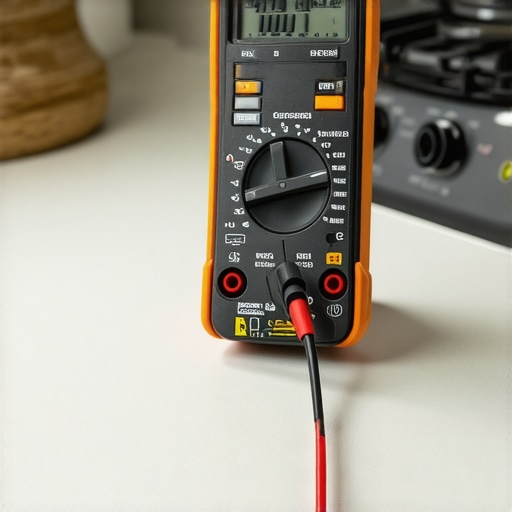
To ensure your refrigerators, washing machines, and dishwashers operate at peak efficiency over time, investing in the right tools is essential. I personally rely on a digital multimeter, such as the Fluke 117, to regularly check power supplies and troubleshoot minor electrical issues. This device helps me quickly identify voltage fluctuations or blown fuses, preventing minor problems from escalating into costly repairs. Additionally, a high-quality filter scraper and a microfiber cloth are indispensable for cleaning filters and sensor areas—simple components that significantly prolong appliance lifespan.
For software management, I recommend using manufacturer-specific apps and firmware update tools. These apps, like Samsung SmartThings or LG ThinQ, facilitate remote diagnostics and firmware updates, ensuring your appliances benefit from the latest improvements and security patches. Regularly checking for updates through these platforms can preempt performance degradation, saving you time and money in the long run.
Why Routine Maintenance Helps You Save and Scale
Long-term results depend on consistent upkeep. Establishing a maintenance schedule—such as cleaning filters monthly and inspecting hoses biannually—keeps appliances running efficiently. For example, regularly cleaning dishwasher spray arms and filters prevents clogs, which not only improves cleaning performance but also reduces water and energy consumption. Over time, these small habits compound; a well-maintained washer, for example, consumes less water and runs more quietly, extending its operational life. This approach aligns with findings from the Department of Energy, emphasizing that proactive maintenance can improve appliance efficiency by up to 20%.
How do I maintain my appliances over time?
Stay ahead by scheduling routine inspections using specific tools like sensor cleaners for refrigerators or drum lubricants for washing machines—these are often recommended in manufacturer manuals. Keep firmware updated via official apps and regularly monitor for unusual noises or performance dips. Remember that addressing minor issues early, such as replacing worn belts or seals, can prevent costly failures later. For instance, inspecting and replacing worn door seals maintains proper temperature and prevents leaks, conserving energy and reducing wear. Incorporating these practices will safeguard your investments and ensure your smart appliances remain reliable for years to come.
For more detailed troubleshooting guides, including fixing sync errors in smart fridges, check out this resource. Additionally, stay informed about upcoming advances—like microplastic filters for washing machines—that will further enhance appliance longevity and environmental safety. I highly recommend trying out a digital multimeter for regular checks; it’s a game-changer in catching issues early before they escalate.
What Nobody Tells You About Smart Appliances and Genuine Savings
My journey into optimizing my smart home appliances revealed that even the most advanced devices require attentive care to truly save water and energy. One lightbulb moment was realizing that neglecting firmware updates or sensor calibration can diminish performance by up to 20%. This made me reevaluate my routine and learn that proactive maintenance is the secret to lasting efficiency. I’ve also discovered that relying solely on built-in features without understanding their settings often leads to wasted resources, turning what should be smart into just plain appliances. Lastly, I found that real savings come from a combination of tech-savvy habits and proper care—tools like sensor cleaners and firmware management empower you to unlock your appliances’ full potential.
Reading this post really resonated with me. I used to overlook the importance of proper load sizes and cycle selection, assuming my new eco-mode washer would do all the work. It wasn’t until I started paying closer attention to overloading and pre-treating stains that I noticed a significant drop in my water bills. I also learned that regular maintenance, like cleaning filters and inspecting hoses, isn’t just about longevity but also about water efficiency. I especially appreciated the tips about using the correct water temperature and detergent amounts—simple adjustments that make a big difference. Has anyone here experimented with using smart apps to monitor their washer’s performance? I’ve found that firmware updates and using diagnostics can really help optimize water savings, but I’d love to hear about others’ experiences with these tools.
This post really hit home for me because even with a state-of-the-art eco-mode washer, I noticed that my water bills weren’t dropping as much as I expected. It turns out that understanding how to properly load your machine and choose the right cycle makes a huge difference. I used to just toss in clothes without much thought, but now I make it a point to separate heavily soiled items and stick to recommended load sizes. Also, I’ve started pre-treating stains to cut down on wash time, which conserves water and energy. Regular maintenance, like cleaning filters and inspecting hoses for leaks, might seem trivial but really pays off—it keeps everything running smoothly and efficiently. I’ve been using the LG ThinQ app to monitor my washer’s performance and keep firmware updated; it’s impressive how much a simple app can help optimize water use. For anyone hesitating on implementing these habits, I’d say they’re well worth it. Has anyone else noticed a difference in water savings after fine-tuning their appliance habits or tools? I’d love to hear about your experiences.