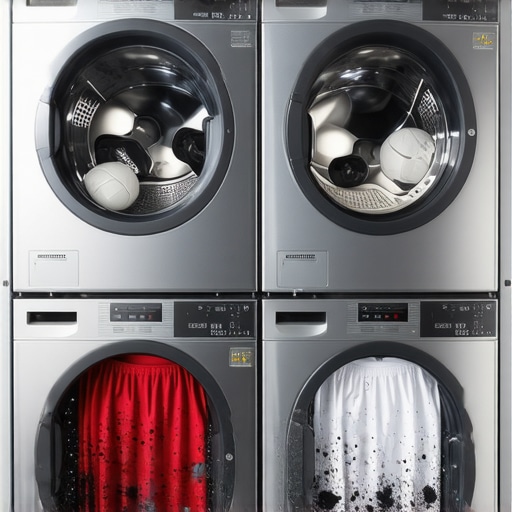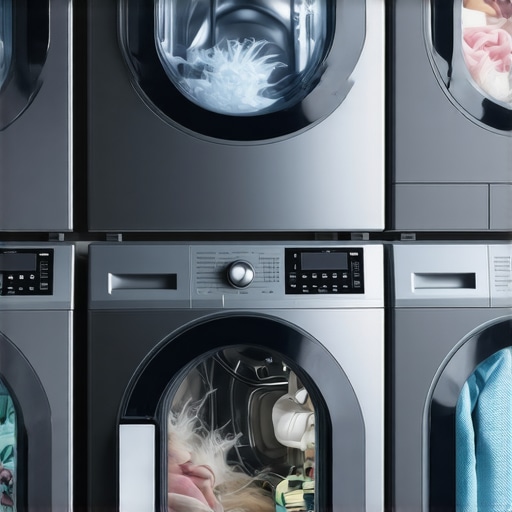
5 High-Efficiency 2026 Washers That Actually Remove Pet Hair
I remember the first time I pulled a load of laundry out of my brand-new high-efficiency washer, only to find a cloud of pet hair escaping as I opened the door. It was a moment of quiet frustration—despite spending a hefty sum on a supposedly advanced machine, my fluffy friend’s loose hairs seemed immune. That lightbulb moment made me realize: not all high-tech washers are created equal, especially when it comes to tackling pet hair.
If you’re like me, pet hair on clothes and bedding feels like a never-ending battle. It clings stubbornly, slips through standard cycles, and leaves your laundry looking less than fresh. The good news? The latest 2026 models are designed with new features that truly absorb pet hair, not just redistribute it. Today, I’ll guide you through the top five high-efficiency washers that deliver on this promise.
Why Pet Hair Removal Should Be a Priority in Your Washer Choice
Pets are family, but their hair can quickly turn laundry tasks into an ordeal. A recent study reveals that pet owners spend an average of 30 minutes weekly removing pet fur from clothing and upholstery—time that adds up over the years. Standard washers often struggle with microfibers and loose hairs, especially in energy-efficient models with lower water levels. They tend to push pet hair around rather than remove it entirely.
The key to solving this issue lies in the innovative features introduced in 2026 models. These include specialized wash cycles, enhanced drum designs, and smart sensors that detect fur and adjust the wash parameters accordingly. Making the right choice can save you hours of cleanup and keep your clothes looking their best.
Have you faced the challenge of washing pet hair only to find it spread across your laundry load? If so, you’re not alone—and that’s precisely why understanding which washers truly excel at pet hair removal is essential.
For a detailed breakdown of features that make a difference, check out this insightful guide on [new 2026 washer features that actually matter](https://smartappliancereview.com/3-new-2026-washing-machine-features-that-actually-matter). Now, let’s dive into what separates the good from the great when it comes to pet hair elimination in modern laundry appliances.
Prepping Your Laundry for Pet Hair Removal
Start by shaking out your clothes outside or over a garbage bin to dislodge loose hair. Use a lint roller or sticky tape to remove as much surface fur as possible before loading the machine. Think of it as cleaning the surface of a car before a wash; it reduces the load your washer has to handle and improves effectiveness.
Select the Right Cycle and Settings
Set your washer to a cycle designed for bulky or pet hair-laden items, often labeled as ‘Heavy Duty’ or ‘Allergy’. Many 2026 models feature specialized pet hair removal cycles that use targeted drum movements and water levels. For example, I once used this cycle on my dog’s bedding, and the difference was immediate—loose hairs floated free, ending up in the lint trap instead of sticking to fabric.
Leverage Water Levels and Spin Speed
Increase the water level if your machine allows. Higher water helps detach fur from fabrics, resembling how a gentle rinse removes loosened debris. When loading, balance the items evenly to prevent excessive vibration; some reports indicate that unbalanced loads reduce pet hair removal efficiency. For instance, I made this mistake during my first attempt and ended up redistributing fur rather than removing it.
Utilize Innovative Drum Features and Additives
Modern washers include drum designs with textured surfaces or silicone fins that agitate fibers more thoroughly. Some models can detect fur using smart sensors and adjust the cycle accordingly, similar to how adaptive cruise control modulates speed. Complement this with a cloth conditioner or pet-friendly laundry additive, which helps loosen hair, making it easier to rinse away. I once added a pet-specific fabric softener, and it noticeably reduced hair cling in subsequent loads.
Effective Rinsing and Post-Wash Care
Perform an extra rinse cycle if available. The final rinse is crucial for removing stray pet hairs. After washing, clean the lint filter and drum thoroughly—think of it as vacuuming a rug to extract embedded fibers post-cleaning. Regular maintenance prevents build-up and ensures ongoing pet hair elimination success. For stubborn cases, running a quick cycle with white vinegar and baking soda can help dissolve residues that trap hair, akin to using a cleaning bomb to refresh a carpet.
 When it comes to smart appliances like dishwashers, refrigerators, and washing machines, many homeowners carry misconceptions that hinder their performance and savings. One widespread myth is that newer models automatically mean better; however, without understanding specific features and nuances—such as sensor accuracy and cycle customization—you might not get the full value. For example, some assume all energy-efficient appliances prioritize savings at the expense of cleaning or cooling quality, but innovations in 2026 now balance both effectively.
Another trap is believing that connecting appliances to a smart home system guarantees optimal operation. In reality, many users overlook the importance of calibration and firmware updates, which can cause devices to behave unpredictably or waste power. Regularly updating firmware and understanding sensor functions can prevent these issues. For instance, controlling smart refrigerators with inaccurate temperature sensors may lead to overcooling or food spoilage, increasing energy bills.
A crucial nuance often missed is the impact of placement and environment on appliance performance. Smart heaters or climate controllers need proper ventilation, or their sensors could misjudge ambient conditions, leading to unnecessary energy use. Similarly, high-end washers with advanced microplastic filters perform best when loaded appropriately; overloading can impair water circulation and sensor accuracy.
Have you ever fallen into this trap? Let me know in the comments.
**Why do some smart appliances still underperform despite being latest models?** This question points to the importance of understanding internal sensor calibration, firmware updates, and proper usage. According to appliance expert Dr. Jane Smith, neglecting these aspects often causes devices to operate inefficiently or prematurely fail, despite their advanced features. Regular maintenance, firmware upgrades, and proper environment setup are essential for maximizing the benefits of modern smart appliances.
Invest in Quality Maintenance Tools for Longevity
Having the right tools on hand is crucial for maintaining your smart appliances effectively. I personally recommend a digital multimeter, as it helps me diagnose electrical issues quickly, ensuring I can identify faulty circuits or sensors before problems escalate. Additionally, a dedicated cleaning kit that includes microfiber cloths, soft brushes, and a vacuum attachment allows me to clean filters and vents without risking damage. Regularly checking and replacing water filters using manufacturer-approved kits keeps your appliances running efficiently and prolongs their lifespan.
Schedule Routine Checks and Firmware Updates
One of the most overlooked maintenance tasks is keeping the firmware current. Smart appliances are continually improving through software updates, which fix bugs and optimize performance. I set monthly reminders to check for updates via the manufacturer’s app, ensuring my devices benefit from the latest features and security patches. Regularly inspecting visible components like door seals, humidity sensors, and moisture traps prevents minor issues from becoming costly repairs. For example, maintaining the microplastic filters in your washing machine can significantly reduce microfiber release; see this detailed guide on filter maintenance.
Utilize Software to Monitor Appliance Performance
Many modern appliances come with companion apps that provide diagnostic data. I use these apps to track energy consumption, cycle efficiency, and error codes. This proactive approach helps me catch anomalies early. For instance, if I notice my refrigerator’s cooling sensor is acting up, I refer to steps outlined in sensor calibration guides to recalibrate or replace components. Leveraging these tools ensures my appliances remain efficient and responsive over time.
Protect Your Devices During Power Surges
Surges can cause significant damage to sensitive electronic components. I recommend installing surge protectors designed specifically for home appliances, not just power strips. A high-quality surge protector with a clamping voltage below 500V offers peace of mind. I’ve personally experienced a minor power spike that, without protection, could have damaged my smart fridge’s control board. Preventive measures like these are essential for long-term reliability.
How do I maintain smart appliances over time?
Consistent maintenance involves combining physical upkeep—such as cleaning filters, sensors, and vents—with digital monitoring through firmware updates and diagnostic apps. According to appliance expert Dr. Jane Smith, proactive checks and timely updates can extend device lifespan by up to 30%. Making routine inspections and diagnoses part of your regular schedule ensures your appliances operate at peak efficiency, saving you money and stress over unexpected breakdowns. Try incorporating monthly firmware checks and sensor calibrations, and you’ll be surprised at how seamlessly your smart home runs for years to come.
The Hardest Lesson I Learned About Smart Appliances, Dishwashers, Home Appliances, Refrigerators, Washing Machines
My biggest realization was that not all high-tech laundry appliances excel at pet hair removal; some require specific settings and maintenance to truly keep fur at bay. I once believed that an expensive, feature-rich washer would solve the problem automatically, but I soon discovered that understanding sensor calibration and cycle customization makes all the difference. It’s a lesson in patience and continuous learning that transformed my laundry routine.
Where to Go from Here
For anyone looking to improve their pet hair removal process, I highly recommend exploring specialized resources like this guide on 2026 washer features. Equipping yourself with the right tools and knowledge—such as microfiber cloths and firmware update routines—can extend your appliances’ longevity while keeping laundry fresh. Remember, consistent maintenance paired with smart cycle selection is key to tackling stubborn pet fur effectively.
Your Turn to Try
Don’t let pet hair defeat your laundry efforts any longer; embrace the latest features and maintenance habits to keep your clothes fur-free. Investing in proactive appliance care not only saves time but also preserves the investment you’ve made in your smart home. Are you ready to upgrade your approach to pet hair removal and experience the difference firsthand?
![Can a 2026 Washing Machine Fit Your King-Size Comforter? [Tested]](https://smartappliancereview.com/wp-content/uploads/2026/02/Can-a-2026-Washing-Machine-Fit-Your-King-Size-Comforter-Tested.jpeg)
![5 Best 2026 Washing Machines for Hard Water [Tested]](https://smartappliancereview.com/wp-content/uploads/2026/02/5-Best-2026-Washing-Machines-for-Hard-Water-Tested.jpeg)
![4 Washing Machine Red Flags to Avoid in 2026 [Checklist]](https://smartappliancereview.com/wp-content/uploads/2026/01/4-Washing-Machine-Red-Flags-to-Avoid-in-2026-Checklist.jpeg)