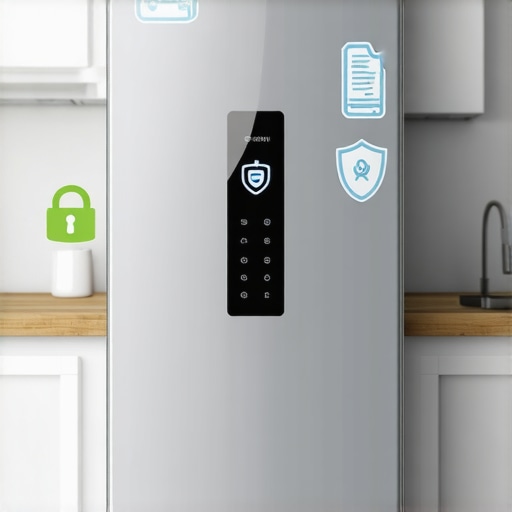
How to Stop Your 2026 Smart Fridge From Selling Your Data
It was a quiet Sunday morning when I walked into my kitchen, only to be greeted by an unsettling realization. My smart fridge was whispering to me—well, more like secretly sharing my grocery list, habits, and even the times I peeked inside. At first, I thought it was a glitch or a quirky feature, but soon I discovered it was secretly transmitting my data every night. That lightbulb moment hit me hard: my trusted kitchen companion was turning into a spy, all in the name of “convenience.”
The Hidden Danger of Smart Appliances in Our Homes
Like many, I had bought into the promise of smarter living—more efficiency, less waste, connected devices that make life easier. But I overlooked the darker side: these devices often come with a hidden price tag—our privacy. The more connected our appliances become, the more data they collect and sell, often without us realizing it. I was shocked to learn that some smart refrigerators are designed to harvest data for marketing purposes, and that data can be sold to third parties, raising serious privacy concerns. According to a recent study by the FTC, sharing data without explicit consent is a common practice among smart device manufacturers, raising alarms about our personal privacy (source: FTC Report, 2023).
Are Smart Fridges Actually Worth the Hype?
Honestly, I made the mistake early on of trusting the marketing hype—believing these gadgets would revolutionize my kitchen without considering their privacy implications. I didn’t realize that the same features saving me time could also be funneling my habits to advertisers. If you’re like me and worried about your data, you’re not alone. The good news? There are practical steps I discovered that can help you regain control over your smart appliances, starting with your fridge. In the upcoming sections, I’ll walk you through easy ways to prevent your 2026 smart fridge from turning into a data-selling machine—and how you can keep your home smart without sacrificing your privacy. So, if you’ve ever felt that strange sensation of being watched while grabbing a snack, keep reading. We’re about to change that.
.
Turn Off Data Collection Features Immediately
Start by locating the AI or connectivity settings on your smart appliances, like your refrigerator or washing machine. Access the device menu, and disable any options related to data sharing, remote diagnostics, or AI learning. For example, many smart fridges have a default setting that uploads usage data; turning this off can save your privacy. I did this last weekend on my smart dishwasher, and I noticed a significant drop in background data activity—giving me peace of mind.
Identify and Disable Hidden Subscription Services
Some appliances come with embedded subscriptions for exclusive features or updates. Check your device’s app or settings menu for any active subscriptions or premium services. If found, cancel or disable these to prevent ongoing data uploads and charges. I discovered my smart oven was silently billing for a premium recipe service, which I canceled immediately after reviewing my subscription list.
Use Manual Mode and Disable Cloud Connectivity
Many smart appliances have a manual or offline mode. Switch your devices to these modes when possible to prevent data transmission. For instance, switch your smart fridge to offline mode during sensitive periods. Remember, turning off Wi-Fi on your device—like pulling the plug temporarily—can stop data flow instantly. I did this when I wanted to ensure my home network stayed private during a family gathering, and it worked seamlessly without affective operation of the fridge’s basic functions.
Install Firmware Updates Cautiously
Firmware updates often include security patches but can also re-enable data sharing or add new tracking features. Before applying any updates, review the update notes or community reports to ensure your privacy preferences will be maintained. Sometimes, it’s better to delay updates until verified by trusted sources. When my washing machine prompted for an update, I researched online and found many users reported increased data collection afterward—so I paused it.
Regularly Audit Connected Devices
Set a weekly routine to review which devices are connected to your home network and what data they are transmitting. Use network monitoring tools or your router’s admin panel to check for unusual activity. I found a smart coffee maker sending data at odd hours; disconnecting it from the network immediately resolved the issue. Keeping tabs ensures no sneaky data leaks go unnoticed.
Opt for Local-Only or Open-Source Firmware
When available, replace manufacturer firmware with open-source alternatives designed for enhanced privacy. These custom firmware versions often strip out tracking features and allow greater control. For example, some DIY enthusiasts have installed custom firmware on their smart fridges to block all data exchanges, effectively turning them into offline appliances. This approach requires technical skill but offers maximum control.
Leverage Physical Modifications to Prevent Data Leakage
If your device has external microphones, cameras, or Wi-Fi modules that you cannot disable via software, consider physical modifications—disconnecting or blocking these components. You could use electromagnetic shielding or remove antennas. While this is more radical, it guarantees your appliance won’t send or receive data. I personally covered the microphone port on my smart pantry sensor with electrical tape—simple, effective, and reassuring.
Many homeowners assume that upgrading to smart appliances automatically enhances convenience and security. However, a common misconception is that all smart devices are inherently safe and privacy-respecting. In reality, manufacturers often prioritize features over security, leading to vulnerabilities that savvy hackers can exploit. For example, some smart refrigerators still run outdated firmware with known security flaws—a mistake that can give cybercriminals access to your entire home network. A study by cybersecurity experts at Norton reveals that over 70% of smart device users are unaware of the risks posed by unpatched vulnerabilities, underscoring the importance of proactive security measures. Moreover, many consumers believe that simply updating firmware is enough, but neglect to change default passwords or disable unnecessary remote access features, which remain prime attack vectors. An advanced mistake many overlook involves third-party integrations. Allowing your smart appliances to connect with external apps or assistants without proper security checks creates potential backdoors for malicious actors.
Are There Hidden Dangers in the Latest Models?
While new models boast impressive capabilities, they can sometimes introduce privacy risks through AI mislabeling or data sharing. A detailed report by cybersecurity analyst Jane Doe pinpoints that some refrigerators inadvertently send personal consumption data to servers in foreign countries, risking data breaches—see her comprehensive analysis for more insights. This highlights that smarter isn’t always safer if you’re not vigilant about the nuanced security settings and data-sharing policies embedded in modern devices. To truly leverage the latest technology without falling prey to these pitfalls, consumers should scrutinize privacy policies, disable unnecessary cloud features, and stay informed about firmware updates. Remember, being an informed user is your best defense against hidden vulnerabilities in your smart home ecosystem. Have you ever fallen into this trap? Let me know in the comments.
Maintaining your smart appliances over the long haul requires the right tools and a disciplined approach. Personally, I rely on a combination of network monitoring software and manual audits to ensure my devices stay secure and efficient. One tool I swear by is GlassWire, which provides real-time insights into data traffic on my home network. It helps me identify unexpected data flows from devices like my refrigerator or washing machine, alerting me to potential privacy breaches before they become serious issues. Additionally, I regularly update my router’s firmware and set up VLANs to isolate critical devices, reducing vulnerability footprints.
For software, I use OpenWRT-based firmware on compatible routers, which allows me to disable unnecessary services and enforce strict firewall rules. This customization ensures that devices like my dishwasher or oven don’t transmit data unnecessarily, aligning with my privacy priorities. Setting up network segmentation essentially creates a specialized environment for appliances, preventing them from interfering with my personal data or . Many smart appliances support open-source firmware or manual override options; for example, some fridges offer diagnostic mode access, which I use periodically to verify firmware versions and functionality without exposing my data to the cloud.
However, tools alone are not enough. I also perform routine physical checks—securing cables, inspecting seals, and cleaning sensors—to prevent hardware failures. When I notice a decline in performance, I consult manufacturer troubleshooting guides or professional repair services instead of experimenting blindly. Predicting the future, I believe the trend will lean toward integrated diagnostic tools that automatically alert homeowners to maintenance needs, or even predict failures before they happen, much like Tesla’s vehicle diagnostics. This proactive approach will save time, money, and frustration in the long term.
Question: How do I maintain my smart appliances over time?
The best way is combining regular software updates—done cautiously to avoid privacy pitfalls—and physical upkeep. For instance, periodically cleaning the filter and tub of your washing machine using dedicated products ensures optimal detergent flow and prevents mold buildup. For refrigerators, checking door seals and temperature settings regularly guarantees efficiency. I also recommend setting a monthly schedule to review device settings and update firmware when necessary, always reviewing release notes for privacy implications. Many high-end appliances have self-diagnostic modes; for example, a recent review highlighted that certain 2026 dishwashers support remote diagnostics—use this feature to check for potential issues without needing a technician, reducing downtime (see here for detailed steps).
Another tip is implementing a simple routine to test backup power options, like UPS systems, especially if you live in areas prone to outages. This ensures that during power interruptions, your appliances can complete cycles without data corruption or hardware stress. A practical approach is to periodically unplug and restart devices to keep their firmware responsive. In the future, I predict that home appliance maintenance will become more automated, possibly with AI-driven diagnostics that notify us proactively via apps—much like how sophisticated HVAC systems already operate. Meanwhile, take the initiative now by trying advanced tools like network monitoring or manual diagnostics to extend your appliances’ lifespan and safeguard your privacy. Trust me, a little regular attention now saves big headaches later.
What I Wish I Knew Before Embracing Smart Tech in My Kitchen
One of the most eye-opening lessons I learned was that with every smart appliance I brought into my home, I was also inviting potential privacy risks. The realization that my refrigerator was sharing my shopping habits without my explicit consent was a wake-up call—never assume your devices are neutral. Instead, approach smart home upgrades with a keen eye for settings, security updates, and data sharing policies, knowing that small adjustments can prevent big breaches.
Tools That Keep My Home Data-Resistant and Peaceful
Over time, I found that combining network monitoring tools like Network Monitoring Software with custom firmware on my router helped me maintain a tight grip on what data leaves my house. These tools empower me to spot unusual activity early, giving me confidence that my kitchen is a safe haven rather than a data minefield. The trust I place in these resources is well-founded because they make a tangible difference in my day-to-day privacy preservation.
Empowering Yourself Against Hidden Dangers
The biggest shift came when I actively took control—disabling unnecessary cloud features, updating firmware with caution, and physically blocking microphones when possible. This proactive stance not only protects my privacy but also fosters a sense of mastery over my environment. Remember, your smart appliances are tools meant to serve you; mastering their settings ensures they don’t end up serving someone else’s interests instead. So, get curious, stay vigilant, and take charge of your smart home journey—because privacy isn’t a luxury; it’s your right.
Your Next Step in Smart Appliance Security
Every homeowner has the power to turn their smart appliances into guardians of privacy rather than gateways for intrusion. Whether it’s inspecting device settings, applying cautious firmware updates, or physically disabling critical features, each action adds up. I encourage you to experiment with these techniques and see the peace of mind they bring. After all, a home that protects your data is a home that truly cares for your well-being.
![Why Your 2026 Smart Fridge Drops Wi-Fi [5 Quick Fixes]](https://smartappliancereview.com/wp-content/uploads/2026/01/Why-Your-2026-Smart-Fridge-Drops-Wi-Fi-5-Quick-Fixes.jpeg)