
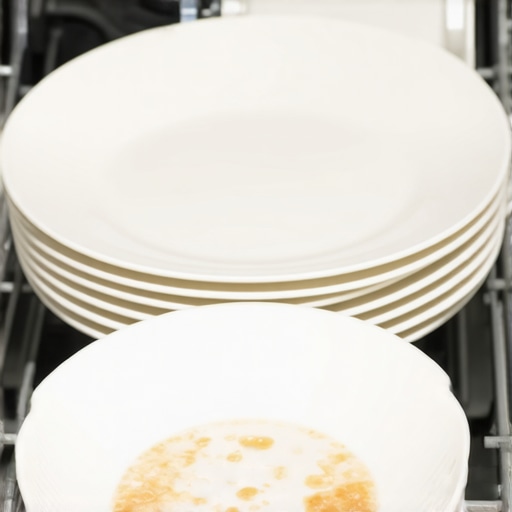
Ever reached into the cupboard for your favorite, sparkling wine glass only to find it coated in a thin, gritty film? That sinking feeling when your carefully cleaned dishes emerge from the dishwasher with a chalky residue — it’s frustrating, right? I remember the morning I discovered that my prized dinner plates had a stubborn layer of grit, making me question if I needed to upgrade my dishwasher instead of troubleshooting it. That moment was a lightbulb flickering in my mind: these appliances, which we trust with our daily routines, can sometimes betray us with surprisingly simple issues.
The Hidden Culprits Behind Gritty Films on Your Dishes
Here’s the deal: a film on your best plates isn’t just about appearance; it hints at underlying problems in your cleaning routine or appliance malfunction. Over time, mineral deposits from hard water, soap scum, or detergent residue can create a thin, gritty layer on your dishes. But more often than not, the culprit is an overlooked or misjudged dishwasher feature or maintenance misstep.
Early in my saga, I made a classic mistake — I used too much detergent, thinking more soap meant cleaner dishes. Turns out, excess detergent can leave a sticky film, especially if your water is hard. This mistake is surprisingly common and can be easily avoided by understanding how much detergent your dishwasher actually needs, which varies based on your water hardness. Curious to learn how to identify your water type and adjust your detergent use? Check out this comprehensive guide for practical tips.
Have you experienced this persistent film, despite scraping and rinsing thoroughly?
If so, you’re not alone. Let’s explore what might be going wrong and how you can fix it without replacing your beloved appliances.
Start with a Deep Clean of the Filter and Spray Arms
My first step was to tackle the most obvious culprit—the filter and spray arms. I removed the filter, which looked clogged with microplastic debris and soap scum, similar to cleaning a clogged sink. I soaked it in warm vinegar for 15 minutes, then scrubbed it with an old toothbrush, ensuring all particles were dislodged. The spray arms, covered in mineral deposits and calcium buildup, were similarly soaked and cleaned with a dedicated brush. This step often reveals the foundation of grit, much like clearing a clogged fountainhead reconnects water flow.
Remove and Clean Your Dishwasher Filter
Imagine your dishwasher’s filter as the gatekeeper of cleanliness; if blocked, it sabotages the entire process. To clean it, I followed the steps outlined in this guide. I carefully removed the filter, wiped away debris, and rinsed it thoroughly. Reinstalling it ensured smooth circulation, which is essential for avoiding residue buildup—think of it as replacing a clogged artery for better flow.
Adjust Detergent and Water Softening Measures
Next, I checked my water hardness level, which was high—akin to having a mineral-rich soup in my pipes. Using a water test kit, I confirmed this. Based on that, I dialed down the detergent amount, because too much soap reacting with hard water can leave a gritty film. For more precise guidance, consider visiting this valuable resource. Reducing detergent not only prevents residue but also minimizes soap scum, ensuring your dishes come out sparkling without extra effort.
Implement Rinse-Aid and Vinegar Rinse Cycles
I introduced the use of a rinse-aid, akin to a protective film that helps water sheet off dishes, preventing spots and grit. Running an empty cycle with a cup of white vinegar during the rinse phase can dissolve mineral deposits and soap residues. I did this once a month, just like a home SPA day for my dishwasher, and noticed the difference within a few cycles—glasses shone clearer, and plates felt smoother.
Routine Maintenance for Long-Term Cleanliness
Establishing a habit was vital. I scheduled monthly deep cleans of filters and spray arms, akin to changing oil in a car. Using tools and cleaning solutions recommended by the manufacturer, such as this method, kept buildup at bay. Additionally, I installed a water softener, or used tablets designed for hard water, which made a dramatic impact—preventing mineral deposits before they could form.
Check and Replace Damaged or Worn Parts
If residue persists despite cleaning, inspect rubber gaskets, door seals, and hoses for cracks or wear—like replacing worn-out tires to ensure smooth rides. Damaged parts often contribute to poor water flow or incomplete rinsing, leading to leftover grit. Replacing them restores optimal function, preventing future issues.
Test and Optimize Your Dishwasher Settings
Finally, I experimented with cycle selection: opting for heavy-duty or sanitize modes during stubborn residue phases is akin to giving your dishes a turbo wash. Adjusting the heat and rinse cycles helped loosen stubborn deposits, creating a more thorough clean—think of it as upgrading your washing power. For troubleshooting sensor issues that might cause subpar rinsing, review this guide.
By systematically following these steps—thorough cleaning, water modification, maintenance routines, and cycle adjustments—you can banish that unsightly grit, ensuring your dishwasher performs at peak cleanliness without resorting to costly replacements.
,
Many homeowners operate under a set of assumptions about appliances like dishwashers, washing machines, and refrigerators, thinking they’ve got the hang of it after a few setups. But in my experience working with these devices, several common beliefs are actually misconceptions that can lead to costly mistakes or poorly functioning appliances. Let’s dig deeper into these nuanced truths that often go unnoticed.
Is Bigger Always Better When Choosing Appliances?
Contrary to popular belief, larger appliances aren’t inherently more efficient or better suited for every home. For example, many assume that a big fridge with more compartments will save energy by better segregating food. However, studies like those from the Department of Energy reveal that oversized units often waste energy due to extended cooling cycles and inefficient insulation. In some cases, a smaller, well-rated appliance can outperform a larger one in efficiency and maintenance, especially if space is limited. This nuance is crucial when evaluating your options—oversizing can lead to unnecessary energy consumption and higher utility bills.
The Danger of Overlooking Maintenance for Smart Appliances
Smart appliances are marketed as ‘set-and-forget’ solutions, implying that they require minimal maintenance. But this is a trap. Automation and connectivity can obscure tell-tale signs of wear, like a refrigerator’s over-freezing in the crisper or a dishwasher’s standing water issue, which often indicate deeper problems. Regularly inspecting features like your smart fridge’s crisper or running diagnostic cycles can prevent costly repairs down the line. Many users neglect this, risking appliance failure or inefficiency, especially as devices age.
Why The Common Myth About Dishwashers Saving Water Is Flawed
A widespread myth suggests modern dishwashers use significantly less water than hand-washing dishes. While newer models are indeed more efficient than older ones, the real savings depend heavily on user habits. Overloading or running partial loads defeats efficiency, and pre-rinsing can drastically increase water usage, counteracting the machine’s benefits. According to the EPA’s WaterSense program, the most effective approach is selecting eco-friendly cycles and running full loads to optimize water savings—something overlooked by many homeowners.
Furthermore, neglecting routine maintenance, such as cleaning spray arms or filters (see this guide), can diminish your dishwasher’s water efficiency over time, resulting in the necessity to run multiple cycles to achieve clean dishes, again wasting resources.
How Advanced Features Can Be a Double-Edged Sword for High-End Appliances
Modern appliances boast features like moisture sensors, adaptive wash cycles, and AI-driven temperature controls, which are often hailed as advancements. However, these features can sometimes misfire—causing over-drying, improper water temperature, or insufficient cleaning—if not calibrated or maintained correctly. For instance, a sensor malfunction in a washing machine might lead to excessive rinsing or under-washing, wasting water and energy. Experts emphasize that understanding the LIMITATIONS of these technologies is key, rather than blindly trusting their onboard intelligence. Regular software updates, sensor cleaning, and manual overrides are essential for maximizing their benefits.
In conclusion, the world of home appliances is far more nuanced than typical marketing pitches suggest. Recognizing these hidden truths and avoiding common pitfalls can save you money, extend your appliance’s lifespan, and improve your home’s efficiency. Have you ever fallen into this trap? Let me know in the comments!
Tools I Recommend for Appliance Maintenance
Maintaining home appliances like dishwashers, washing machines, and refrigerators requires precision and the right tools. I personally swear by a high-quality digital multimeter to regularly check electrical connections, ensuring that all components operate within safe parameters. For cleaning filters and spray arms, a set of small brushes with stiff nylon bristles is invaluable—these help dislodge mineral deposits and soap scum without damaging delicate parts. Additionally, a non-abrasive silicone spray lubricates moving parts like door hinges and rollers, extending their lifespan and preventing squeaks or sticking. For inspecting water hardness and softening needs, a reliable water test kit from a trusted brand can save you from unnecessary repairs caused by mineral buildup.
In my experience, using a cordless rotary tool equipped with fine cleaning brushes allows for detailed cleaning of hard-to-reach areas inside appliances. These tools can easily remove stubborn mold or debris from gaskets and internal components. Remember, having the right set of screwdrivers—particularly, Torx and Phillips heads—facilitates easy disassembly for deep cleaning or part replacement, minimizing downtime and cost.
Software and Techniques to Keep Appliances Running
Modern appliances come with diagnostic modes—familiarize yourself with your device’s manual to access these features. Running routine self-tests, such as cycle diagnostics on your dishwasher or washer, can reveal hidden issues before they escalate. I also recommend installing manufacturer-approved maintenance apps or subscribing to related firmware update alerts to ensure your appliances benefit from the latest improvements. Regularly updating software on smart appliances can prevent glitches that might cause malfunctions, like OverFreezing in fridges—more on this here.
Another practical technique involves scheduling monthly operations of cleaning cycles—some appliances, such as high-efficiency washers, have eco modes that double as cleaning routines. Use these to flush out mineral deposits and mold. For refrigerators, periodically running a ‘vacation mode’ or unplugging for a few hours can reset sensors and remove residual moisture, helping to maintain optimal performance. I also recommend using remote monitoring dashboards where available, enabling you to track performance metrics and receive alerts for irregular activity, making maintenance proactive rather than reactive.
How Do I Maintain Appliances Over Time
Consistency is key. Establishing a routine, such as checking filters and seals every three months, prevents costly repairs and ensures longevity. Keep an inventory of minor spare parts—like door seals and filters—so that replacing worn components is quick and inexpensive. For example, regularly inspecting and replacing worn door gaskets on your microwave or oven can prevent energy leaks and maintain safety standards. For refrigerators, timely defrosting and cleaning of condenser coils (using a vacuum cleaner with a brush attachment) can dramatically reduce energy use and prolong compressor life.
Looking ahead, I believe the trend will move toward AI-powered diagnostic tools that predict failures before they happen, based on usage patterns and sensor data. This will enable smarter, more intuitive maintenance routines, saving homeowners time and money. Implementing manual checks alongside these tools will remain important, especially for verifying sensor accuracy and ensuring the system functions correctly.
One practical step to start with is investing in a digital multimeter and learning to perform basic electrical tests—this skill can help identify wiring or sensor issues early on. Don’t wait for a breakdown to act; proactive maintenance with the right tools empowers you to keep your appliances running smoothly for years to come.
Lessons I Wish I Learned Sooner About My Home Appliances
- I used to believe that bigger appliances always meant better performance, but the truth is that optimal size and efficiency often come from understanding my home’s specific needs—sometimes a compact dishwasher does a better job without wasting energy.
- Many overlook routine checks on smart appliances, thinking they’re maintenance-free. I realized that regular inspections and updates prevent unexpected failures—trust me, a quick diagnostic can save hundreds later.
- I assumed that using more detergent would make my dishes cleaner, but overuse causes residues. Learning to match detergent amounts to water hardness was a game-changer for me.
- Understanding how mineral deposits affect appliances turned routine cleaning into a proactive strategy. Salt-based water softeners and vinegar rinses became my allies in maintaining peak performance.
- Key insights from experts revealed that advanced features are only as good as their upkeep. Regular sensor cleaning and calibration ensure smart tech delivers as promised, not chaos.
My Top Picks for Staying on Top of Appliance Care
- High-quality digital multimeter — I use this to check electrical health, preventing expensive repairs and ensuring safety.
- Small nylon-bristle brushes — These are perfect for cleaning spray arms and filters without damage, preserving water flow and cleaning power.
- Water test kits — Knowing my water’s mineral content helps me tailor my maintenance routine and avoid residue problems.
- Manufacturer-specific cleaning solutions — Trustworthy products that keep internal parts like gaskets and seals in prime condition, extending appliance lifespan.
Embrace the Journey Toward Appliance Wisdom
Applying these insights and tools isn’t just about fixing problems; it’s about empowering yourself as a homeowner to maintain and enhance your appliances thoughtfully. The future holds even smarter solutions, but the foundation remains in your knowledge and proactive care. What’s the first maintenance step you’re excited to try today? Let’s share tips below to grow our appliance savvy together!
,