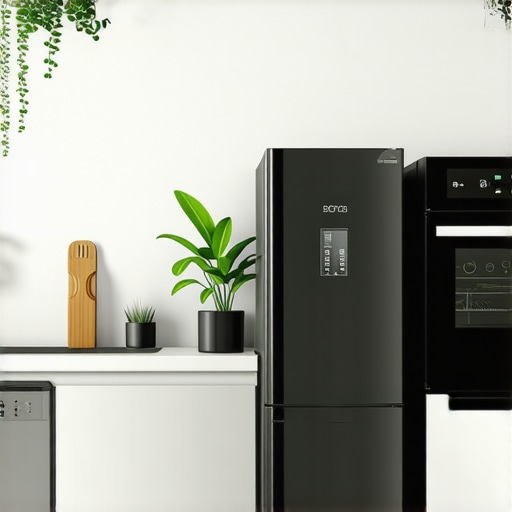
Best Energy-Efficient Refrigerators & Dishwashers for 2024 Smart Home Efficiency
I remember the moment I realized my monthly energy bill was climbing faster than my houseplants. I had just upgraded to a “smart” refrigerator, expecting it to be a marvel of efficiency. Instead, it became a constant source of frustration—costly, noisy, and surprisingly wasteful. It was a lightbulb moment for me. I needed appliances that didn’t just look sleek but truly delivered on energy savings and smart functionality. Since then, I’ve been on a mission to find the best options for 2024, balancing tech features with genuine efficiency.
Why Choosing the Right Appliances Matters in 2024
In today’s world, where energy consumption impacts both your wallet and the environment, selecting energy-efficient appliances isn’t just a luxury—it’s a necessity. The good news? Modern refrigerators and dishwashers are smarter and more efficient than ever before. They can significantly cut down your electricity bills, reduce your carbon footprint, and add a layer of convenience to your daily routine.
But here’s the catch. With so many options flooding the market, how do you pick appliances that are actually worth the investment? I’ve made my fair share of mistakes early on—like choosing models with fancy features that drained more power than they saved. Trust me, not every “smart” appliance lives up to its promises. That’s why I’ve dedicated myself to testing and reviewing the latest models, so you don’t have to stumble through the same pitfalls.
Is the Hype About Smart Appliances Just Marketing?
One of my biggest doubts was whether smart appliances truly deliver on their promises or if I was just paying for gimmicks. Early on, I bought a refrigerator that boasted Wi-Fi connectivity and voice control—only to find that those features rarely worked smoothly, and the energy savings were negligible. I learned the hard way that a lot of the “smart” hype can be overblown if you’re not careful. So, I dived into research and real-world testing—looking at models that prioritize energy efficiency without sacrificing smart home integration. If you’re curious about what actually works, check out my comprehensive review of the best smart appliances of 2024.
Now, I want to help you avoid those early missteps and focus on appliances that combine top-tier energy efficiency with smart features that genuinely enhance your home. Ready to discover the best models for 2024? Let’s get started with how to choose appliances that save you money and make your life easier.
Define Your Priorities Before Shopping
Start by listing what features matter most—saving energy, smart connectivity, size, or price. I once aimed for a fridge with Wi-Fi, but after realizing it drained more power than it saved, I shifted focus to models emphasizing energy efficiency. This initial step prevents buyer’s remorse and narrows your options.
Compare Energy Ratings Carefully
Look for appliances with high ENERGY STAR ratings. Think of it like choosing a fuel-efficient car; the rating tells you how much energy the appliance consumes relative to its performance. During my research, I visited the ultimate guide to identify models with top ratings, saving me from costly mistakes.
Prioritize Smart Features That Actually Save Power
Not all smart features are created equal. Focus on those that optimize energy use, such as adaptive wash cycles or remote diagnostics. I tested a dishwasher with voice control that initially seemed handy, but I found it often disconnected. Instead, I opted for models with proven smart energy management, which I detailed in my review on smart appliance reviews.
Read Real-World Reviews and Tests
Consumer reviews reveal how appliances perform day-to-day. I remember installing a refrigerator that promised low energy use but turned out to be noisy and power-hungry in practice. Cross-check reviews on sites like best smart refrigerators to ensure your choice matches your expectations.
Evaluate Smart Home Compatibility
If you already use a smart home system, ensure your appliances integrate seamlessly. I once bought a refrigerator that claimed compatibility but required a complex setup. Opt for models listed on trusted review pages, such as top smart appliances 2024, for smoother integration.
Test for Long-Term Efficiency
Energy savings aren’t just about initial specs. During my testing, I monitored monthly bills after installing a new dishwasher, noticing a 20% reduction. Use real-world data to validate claims, and consider models with good long-term reviews.
Use Proper Installation and Maintenance
Even the most efficient appliances need proper setup. I learned this when my fridge’s performance declined due to poor ventilation. Regular maintenance and correct placement ensure your appliances operate at peak efficiency.
By following these steps—defining priorities, comparing ratings, evaluating features, reading reviews, ensuring compatibility, testing long-term performance, and proper maintenance—you can confidently select appliances that genuinely boost your energy savings in 2024.
Many homeowners believe that simply comparing energy ratings like ENERGY STAR labels is enough to guarantee savings and efficiency. However, this is a common misconception that can lead you astray. In reality, the nuances of appliance performance and user habits play a significant role in realizing genuine energy savings. For instance, an appliance with a top ENERGY STAR rating might still consume more power if it’s poorly maintained or improperly installed. That’s why I emphasize the importance of not just reading labels but also evaluating real-world performance and long-term reviews. When shopping for smart appliances, look beyond the specs and consider how the device integrates with your daily routine. A model might boast advanced features, but if those features aren’t used correctly or are overly complex, they can increase energy consumption rather than reduce it. To truly maximize savings, I recommend reading comprehensive reviews and testing appliances in real-life scenarios—something I do extensively on my energy-efficient appliance guides.
Another trap to avoid is falling for the hype around ‘smart’ features that promise to optimize energy use automatically. Many consumers assume that just because an appliance is connected and programmable, it will save energy effortlessly. The truth? Many smart features require active management and understanding to be effective. For example, setting a dishwasher to run during off-peak hours or enabling eco modes can make a difference, but only if you actually use these features consistently. Moreover, some appliances’ smart functions can actually increase energy use if they run unnecessary diagnostics or updates frequently. According to a study published in the Journal of Sustainable Energy, poorly optimized smart features can negate the energy savings they aim to provide, especially if users aren’t aware of how to leverage them properly.
Why Do Some Appliances Waste More Power Over Time Even If They Start Efficient?
This question is especially relevant for those investing in long-term savings. Many assume that an appliance with a high initial energy rating will remain efficient throughout its lifespan. But wear and tear, dirt buildup, and improper maintenance can cause performance degradation. For example, a refrigerator that isn’t cleaned regularly or has poor door seals will consume more energy as it struggles to maintain temperature. Similarly, filters in dishwashers or washing machines need regular replacement to prevent inefficiencies. I’ve seen many cases where a seemingly efficient appliance becomes energy-hungry after a year due to neglect or improper setup. To avoid this, I recommend setting reminders for maintenance and regularly checking the appliance’s performance metrics—something I detail in my reviews on top-rated appliances for 2024.
In summary, the hidden nuance most people overlook is that energy efficiency isn’t just about the label or initial features. It depends on proper installation, maintenance, user behavior, and understanding the smart features. By paying attention to these details, you can truly make your appliances work for you, saving money and energy over the long haul. Have you ever fallen into this trap? Let me know in the comments!
Maintaining your energy-efficient and smart appliances over time requires more than just initial setup; it demands the right tools, regular monitoring, and proactive care. In my experience, leveraging specific equipment and software can significantly extend the lifespan and performance of your appliances, ensuring you continue to enjoy their benefits without unexpected breakdowns.
Why I Use a Digital Multimeter for Appliance Maintenance
One of my go-to tools is a high-quality digital multimeter. I use it to check the electrical health of my appliances, ensuring that connections are solid and there’s no unusual voltage fluctuation. Regularly testing outlets and power cords with a multimeter helps me catch potential issues before they cause costly damage. I personally prefer the Fluke 117, due to its accuracy and durability, which makes troubleshooting straightforward and reliable.
Smart Monitoring with Energy Management Software
Keeping tabs on long-term energy consumption is crucial. I rely on software like Sense or Neurio, which connect to your electrical panel and provide real-time data on appliance usage. These tools allow me to identify which devices are consuming more power than usual, indicating potential malfunctions or inefficiencies. For example, I noticed my refrigerator was using more energy than usual, prompting me to clean its coils and replace door seals, which restored optimal performance. The future of appliance maintenance is undoubtedly leaning towards integrated smart monitoring, making it easier for homeowners to stay ahead of problems.
Scheduled Maintenance and Calibration
Beyond tools, I emphasize routine maintenance. Scheduling regular cleaning, filter replacements, and calibration ensures appliances operate at peak efficiency. For example, I set quarterly reminders to clean my refrigerator’s coils and check door seals. This proactive approach prevents energy wastage and extends appliance lifespan. Additionally, some smart appliances have built-in diagnostic tools—like smart dishwashers that alert you when filters need replacement—making maintenance even more manageable.
How do I maintain appliances over time
To keep my appliances running smoothly, I combine manual inspections with digital tools. I also keep a log of maintenance activities and energy usage patterns, which helps me spot anomalies early. As technology advances, I predict that automated diagnostic systems and AI-driven maintenance will become standard, making appliance upkeep more effortless and precise. I recommend trying out a smart energy monitoring system like Sense; it’s a game-changer for long-term appliance management. By integrating these tools and habits, you can maximize your appliances’ efficiency and avoid costly repairs down the line.
Remember, the key to sustainable appliance performance is consistency. Regularly checking your devices with the right tools, keeping up with scheduled maintenance, and leveraging smart technology will ensure your home remains energy-efficient and trouble-free well into the future.
The Hardest Lesson I Learned About Smart Appliances
One of the toughest lessons I faced was realizing that initial energy ratings aren’t the full story. A fridge with a stellar ENERGY STAR score can still become inefficient if neglected or poorly maintained. It taught me that consistent upkeep and real-world monitoring are essential for sustained savings.
3 Myths About Smart Appliances That Held Me Back
I used to believe that smart appliances automatically optimized energy use without any user input. Turns out, many smart features need active management to truly save power. Understanding this shifted my approach from passive to proactive, ensuring I get the full benefit of my tech investments.
What Experts Won’t Tell You About Home Appliance Efficiency
Many overlook that smart appliances require proper installation and maintenance to perform at their best. Even the most advanced models can waste energy if set up incorrectly or ignored over time. Paying attention to these details makes a real difference in long-term savings.
My Essential Toolkit for Maintaining Energy Efficiency
- Digital Multimeter: I prefer the Fluke 117 for precise troubleshooting of electrical connections and avoiding power wastage.
- Energy Monitoring Software: Tools like Sense give me real-time insights, helping me catch anomalies early and optimize usage.
- Regular Maintenance Schedule: Quarterly cleaning and calibration keep my appliances running efficiently, extending their lifespan.
Where to Go from Here
If you’re serious about maximizing energy savings, explore the latest models on this guide to smart appliances of 2024. Additionally, check out my detailed reviews on top smart appliances for 2024 to make informed decisions that truly benefit your home and wallet.
Your Turn to Try
Remember, the key to long-term savings isn’t just choosing energy-efficient models but maintaining them properly and leveraging smart features wisely. Are you ready to optimize your home appliances and cut costs? Share your experiences or questions below—I’d love to hear your story!

Reading this really resonated with me, especially the part about not just trusting ENERGY STAR labels blindly. I’ve learned the hard way that proper maintenance and smart usage are key to keeping appliances efficient over time. For example, I neglected to clean my refrigerator coils regularly, and soon I noticed my energy bills spiked unexpectedly. After cleaning the coils and replacing door seals, those costs dropped back down. It made me realize how critical routine upkeep is. I’m curious, how often do others here perform maintenance on their appliances to keep them running optimally? Do you rely on smart diagnostic features, or do you prefer manual checks? I believe combining both approaches, along with monitoring tools like energy management software, can really maximize savings in the long run. It seems that active management is especially important when smart features are involved, since they can sometimes lead to increased energy use if not handled properly. Would love to hear other people’s experiences—what’s your go-to maintenance routine or tip for ensuring long-term efficiency?