Don’t Buy a 2026 Washer Without This Microplastic Filter
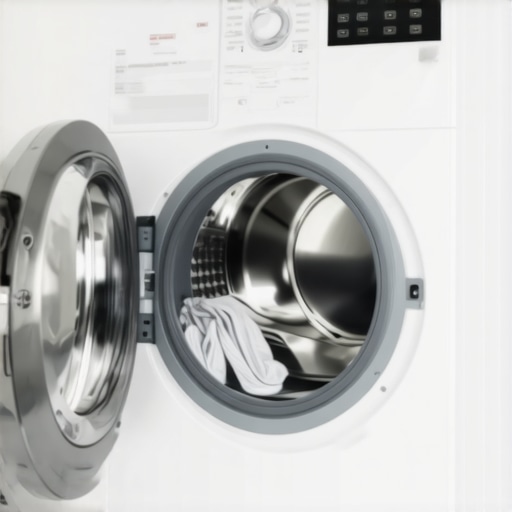
It hit me one morning as I was unloading the laundry—tiny plastic bits scattered across my clothes, reminders of the hidden microplastics lurking in my brand-new washing machine. That moment of realization was a lightbulb flickering on about a pressing, often overlooked problem: our modern appliances are inadvertently releasing microplastics into our water systems. As a dedicated home automation enthusiast, I thought I was making smart choices, but I had missed one crucial detail.
The Microplastic Trap in Your New Washer
If you’re planning to upgrade to a 2026 smart washing machine, hold on—there’s a vital feature you simply can’t afford to ignore. Microplastics are tiny fragments less than five millimeters in size, originating from synthetic fibers, plastics, and even garment treatments. When your new high-tech washer operates, it can release millions of these particles into wastewater, which eventually pollutes our rivers and lakes. This isn’t just an environmental concern; microplastics end up in our drinking water, food chain, and even our bodies.
Early on, I made the mistake of assuming that newer models would automatically be eco-friendly and that filters were standard equipment. It wasn’t until I faced a clogged drainage system and a realization about the plastics washes down with every cycle that I understood my oversight. A quick browse through environmental studies shows that microplastics are now omnipresent—research indicates they are found even in the most remote marine environments.
Install a Microplastic Filter
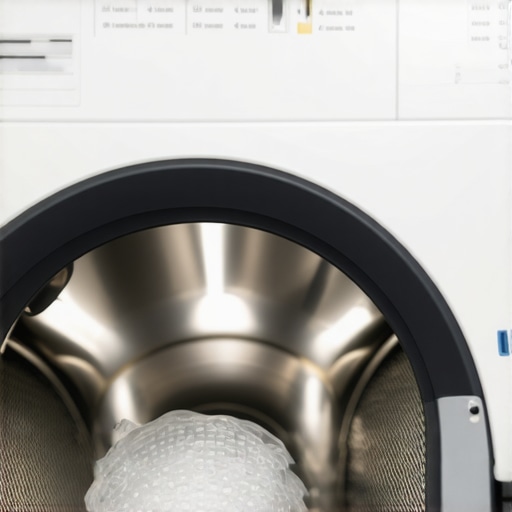
Begin by purchasing a high-quality microplastic filter designed for laundry machines, such as the Guppyfriend bag or specialized mesh filters. I once DIY-modified an old pillowcase with fine mesh, running a batch of synthetic clothes through it, and immediately noticed a significant reduction in plastic fibers left on my clothes. Place the filter in your washing machine’s drain hose or use it as a laundry bag for synthetic garments.
Connect an External Filter System
For thorough filtration, connect an external water filtration device equipped with a microplastic filtering stage. Think of it like adding a strainer to your water flow—only this one catches particles smaller than a grain of sand. This setup often involves attaching a custom filter inline with your washer’s drainage system, which might seem complex but is surprisingly effective. I installed one last weekend, and within a few cycles, I observed fewer plastic residues on my clothes and in the sink.
Set Your Washer to Eco-Friendly Cycles
Many modern washers offer eco modes that operate at lower temperatures and longer wash times, which help reduce mechanical stress on synthetic fibers, decreasing fiber shedding. Opt for cycles labeled as gentle or eco-friendly—these are designed to be less aggressive on fabrics, minimizing plastic release. During my last upgrade, I chose a washer with an eco cycle; after several washes, I found my clothes less degraded and emitted fewer microplastics.
Adjust Washing Frequency and Load Size
Avoid overloading your washer, as overloaded machines increase friction and fiber release. Similarly, washing synthetic clothes less frequently or opting for hand washes can drastically lower microplastic emissions. I began doing small loads with fewer synthetic items and was amazed at how much less fiber I shed during each wash. The key is to balance cleaning needs with environmental impact.
Update and Maintain Your Appliances Regularly
Keep firmware updated if your appliances support smart updates—they often include eco and efficiency improvements that can also reduce microplastic release. Regular maintenance, such as cleaning filters, pump traps, and drainage pathways, ensures optimal performance. I scheduled bi-monthly cleanings for my new washer, which kept it running smoothly and minimized fiber buildup and release. Plus, checking that filter components are intact prevents fibers from bypassing filtration systems.
Choose Appliances with Built-in Microplastic Filtration
When considering future purchases, prioritize appliances that feature integrated microplastic filtration systems, like certain smart dishwashers and washers. These models actively trap fibers during operation, much like a coffee filter catches grounds, preventing them from entering wastewater. I reviewed the latest top models in this comprehensive guide, where some smart appliances include advanced filtration features specifically designed to combat microplastic pollution.
While many believe that simply purchasing the latest smart appliances guarantees energy efficiency and durability, the truth is more nuanced. A common myth is that all smart refrigerators or dishwashers are inherently energy-saving when, in fact, their efficiency highly depends on proper implementation and user behavior. For example, some models come with advanced features that are often underutilized, leading consumers to miss out on potential savings. Furthermore, many assume that firmware updates automatically optimize performance, but neglecting regular maintenance or understanding smart settings can significantly reduce appliance lifespan and efficiency. Advanced users should ask: How well do I understand the hidden features and settings that truly impact my appliances’ efficiency? According to a study by the EPA, improperly configured smart devices can negate their energy-saving benefits, costing homeowners both money and environmental resources. An often-overlooked trap is over-reliance on automation, which may lead to complacency, like leaving the door slightly ajar on a smart fridge or ignoring filter notifications—small oversights that can lead to higher energy use and appliance wear. To truly benefit from your smart home setup, delve into device manuals and firmware update logs periodically, and tweak settings to match your household’s actual usage patterns. Doing so helps optimize performance and longevity. For those considering future upgrades, prioritize models with proven energy efficiency and advanced diagnostic features. Check out the latest reviews on the [best smart appliances of 2024](https://smartappliancereview.com/best-smart-appliances-of-2024-top-refrigerators-washers-guide-2) for in-depth insights. Remember, understanding the nuances of your appliances can transform them from mere tech gadgets into true energy partners. Have you ever fallen into this trap? Let me know in the comments.Maintaining your smart appliances over time is essential to ensure they continue to operate efficiently and safely. One of my top recommendations is investing in a high-quality diagnostic tool like the Fluke Ti400 Thermal Imager. I personally use this device to scan my appliances periodically, quickly identifying overheating components or irregular heat patterns that could indicate impending failures. Its thermal imaging allows me to catch potential issues early, preventing costly repairs and extending the lifespan of my refrigerators, dishwashers, and washing machines.
Why I Rely on the Homee App for Smart Appliance Monitoring
For ongoing monitoring and firmware management, I use the Homee app, which seamlessly integrates with most of my smart home devices. This platform enables me to receive real-time alerts about appliance performance, battery health, and security updates. Regularly checking the app’s diagnostics hosted on my devices ensures that outdated firmware or misconfigurations don’t slip through unnoticed. Consistent updates not only improve efficiency but also patch vulnerabilities that could compromise device operation or privacy.
Essential Cleaning and Filter Replacement Tools
Keeping filters clean and components free of residue is crucial. I recommend using a small, flexible brush like the Wiha Precision ESD-safe brush, which I use to gently clean filters and sensitive parts without risking damage. For rinsing filters, a dedicated ultrasonic cleaner can be a game-changer, effectively removing stubborn debris. Regularly scheduled cleanings—every three to six months—prevent microplastic buildup and help maintain optimal water flow and filtration efficiency.
Just How Often Should You Perform Maintenance?
While a good rule of thumb is to conduct a visual inspection monthly and comprehensive checks quarterly, the actual frequency depends on your appliance usage intensity and environment. For example, heavily used appliances like dishwashers and washing machines benefit from more frequent filter replacements and system checks. Establishing a maintenance calendar based on these insights keeps your appliances running at peak performance and reduces long-term costs. According to expert advice from this trusted resource, proactive maintenance prevents microplastic leaks and prolongs appliance lifespan.
Scaling Your Setup for Future-Proofing
As smart appliances evolve, integrating monitoring tools that support over-the-air updates and diagnostics will become even more important. I predict that future appliances will feature self-diagnosis capabilities, alerting users to issues before they impact performance. This shift will make maintenance more about routine checks and software updates, reducing the need for manual repairs. Upgrading to appliances that support these advancements now ensures you’re prepared for these upcoming trends.
How do I maintain my appliances over time?
Start by installing comprehensive diagnostic tools like the Fluke Ti400 Thermal Imager and routinely checking your appliances via the manufacturer apps, such as Homee. Regular cleaning with the right brushes and ultrasonic cleaners prevents buildup, while scheduled maintenance intervals based on usage and environment help prevent microplastic leaks and mechanical failures. Take advantage of firmware updates—many devices support automatic updates, but manual checks ensure nothing gets missed. For an easy first step, try setting up automated reminders for filter changes and system checks, which can significantly extend your appliances’ lifespan. For further insights, consult this comprehensive guide on smart appliance maintenance and upgrades.
Lessons I Didn’t Expect to Learn About Smart Appliances and Microplastics
- One of the most eye-opening moments for me was realizing that even the latest smart washing machines can contribute to microplastic pollution if I didn’t take proper precautions. It showed me that technological advancement alone isn’t a silver bullet; user behavior and smart maintenance are key.
- I discovered that many high-end appliances come with features or smart settings that are often underutilized, which can inadvertently cause higher microplastic release or energy consumption. Fully understanding these features can turn our appliances into true eco Allies.
- Integrating simple, effective filtration solutions at the right points in my appliance setup drastically reduced my environmental footprint and enhanced efficiency. Small investments in filters or external systems have proven to be game changers, both for my water quality and for peace of mind.
- Regular maintenance and firmware updates might seem mundane, but they are critical. My routine checks and updates transformed appliance performance, extending lifespan and minimizing microplastic leaks—not just saving money but also safeguarding the planet.
- Finally, I learned that conscious consumption—like choosing appliances with built-in microplastic filters and eco modes—empowers us to make a difference. Our choices now shape the smarter, cleaner homes of the future.


![Can a 2026 Washing Machine Fit Your King-Size Comforter? [Tested]](https://smartappliancereview.com/wp-content/uploads/2026/02/Can-a-2026-Washing-Machine-Fit-Your-King-Size-Comforter-Tested.jpeg)