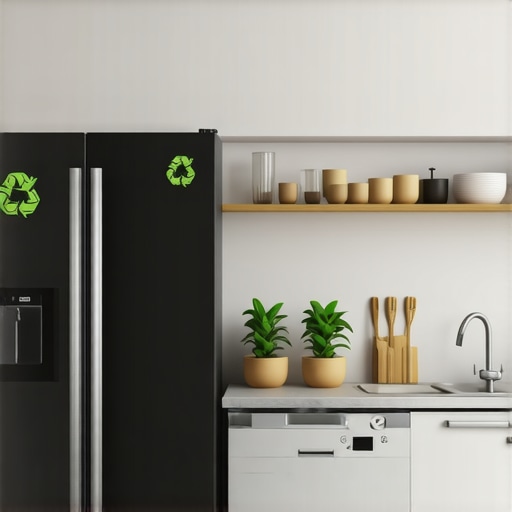
Energy-Efficient Refrigerators and Dishwashers for Modern Homes in 2024
It was a typical Sunday morning when I opened my electricity bill and nearly dropped it. The numbers stared back at me—an uncomfortable reminder that my outdated appliances were draining more power than I ever realized. That lightbulb moment hit hard. I knew I had to make a change, not just for my wallet, but for the planet.
Why Upgrading My Appliances Changed Everything
Switching to energy-efficient refrigerators and dishwashers wasn’t just about reducing my bills; it was about taking responsibility for my environmental impact. In 2024, smart and eco-friendly appliances have become more accessible and effective than ever. They help minimize energy waste, lower greenhouse gas emissions, and save money in the long run. I was skeptical at first—will these high-tech devices really make a difference? Spoiler: They do. But I learned a few lessons along the way that I want to share.
Is All the Hype About Smart Appliances Just Marketing?
Honestly, I used to think that all the fuss about energy-efficient smart appliances was overblown. My early mistake was assuming that savings would be marginal or that these gadgets were just a fancy luxury. That couldn’t be further from the truth. Research shows that modern appliances equipped with smart technology can reduce energy consumption by up to 30%, which translates into significant savings and a smaller carbon footprint1. The key is knowing what to look for and how to integrate these appliances into your day-to-day life—something I had to learn the hard way.
Select the Right Appliances with Confidence
Start by researching the latest models known for their energy savings and smart features. Use trusted review sites or specialist guides like this guide to compare options. I remember spending an afternoon pouring over specifications, trying to decode which fridge or dishwasher would give me the best bang for my buck. I ended up narrowing down my choices based on energy ratings and smart compatibility, ensuring I wasn’t just choosing a fancy gadget but a true efficiency booster.
Measure Your Space and Plan Accordingly
Before making any purchase, measure your kitchen or laundry space meticulously, considering doorways, existing cabinetry, and power outlets. Think of appliances as pieces of furniture; they need to fit snugly without obstructing movement. My experience involved pulling out a tape measure and temporarily staging appliances to see how they’d fit. I once ordered what I thought was the perfect refrigerator, only to realize it was too tall for my kitchen, causing frustration and delays—so double-checking dimensions is crucial.
Evaluate Smart Features and Connectivity
Choose appliances that can connect to your home Wi-Fi, allowing remote monitoring and control. Pay attention to the app interface—look for ones that are intuitive and provide real-time energy consumption data. I once struggled with a smart washer whose app was clunky; it felt like trying to operate a vintage radio. Reading user reviews or product demos helped me identify models with seamless connectivity. Incorporating these gadgets into your routine can significantly optimize energy use, especially when you set schedules or monitor usage remotely.
Install Correctly and Optimize Usage
Proper installation is vital—wrong placement can negate energy savings or cause appliance damage. For example, refrigerators need sufficient ventilation; I once placed mine too close to the wall, making it noisy and less efficient. Follow manufacturer instructions carefully or hire a professional if unsure. Once installed, adjust settings to suit your usage patterns: lower the fridge temperature slightly or run the dishwasher during off-peak hours. I learned fast that small tweaks can lead to noticeable savings, especially when using smart functions to automate cycles.
Maintain and Troubleshoot for Longevity
Regular maintenance boosts efficiency and prevents costly repairs. Clean filters, check seals, and keep vents unobstructed. I set monthly reminders to defrost and clean my fridge coils, which kept it running smoothly. Smart appliances often provide diagnostic tools; familiarize yourself with these features via user manuals or online tutorials. Monitoring energy reports helps identify inefficiencies early—like I did when spotting a spike in power usage, which prompted me to replace a faulty door seal.
Track and Review Performance Monthly
Use your appliance app or energy monitor to review consumption data regularly. Celebrate small wins, like decreasing monthly energy bills, or identify issues early. I set a calendar alert to review my usage each month, which kept me accountable. Through this process, I noticed that running the dishwasher at night not only saved me money on peak rates but also kept my appliances in prime condition—an action that paid off over time.
Many homeowners assume that choosing energy-efficient or smart appliances is a straightforward task, but the reality is far more nuanced. A common misconception is that higher price tags automatically equate to better energy savings or longevity. In my experience, this isn’t always true; some premium models may have complex features that rarely get used, leading to wasted money. Additionally, some people believe all smart appliances are equally reliable, but in practice, the quality of connectivity and software varies significantly, affecting usability and maintenance. Critics often overlook the importance of proper installation—misplaced refrigerators or dishwashers that don’t have adequate ventilation can drastically reduce efficiency, nullifying potential energy savings. To avoid these pitfalls, I recommend thoroughly researching models through trusted review guides and considering your home’s unique layout. I also discovered that integrating appliances with your existing smart home ecosystem can amplify benefits, but only if compatibility issues are addressed upfront. One advanced tip is to pay attention to technical specifications like inverter compressors in refrigerators, which can significantly boost voltage efficiency and lifespan, as noted by energy experts1. Also, beware of the trap of overloading appliances beyond their recommended capacity, as it causes excessive wear and tear, leading to faults and higher energy consumption over time. When selecting appliances, focus on proven performance and compatibility rather than claims of “the latest and greatest.” For comprehensive reviews, check out resources like this detailed guide. Remember, the devil is in the details—small overlooked factors can turn a good investment into a climate-unfriendly or costly one. So, before your next upgrade, ask yourself: am I considering how the appliance fits into my home’s environment and my daily routines? Don’t fall into the trap of superficial choices—doing your homework ensures smarter, more sustainable decisions. Have you ever fallen into this trap? Let me know in the comments.
Keep Your Appliances Running Smoothly with the Right Tools
One of my top recommendations for sustaining optimal performance of your home appliances is investing in a high-quality multimeter. I personally use the Fluke 115 True RMS multimeter because it provides precise voltage, current, and resistance measurements, which are invaluable when troubleshooting issues or verifying electrical connections in refrigerators, dishwashers, or washing machines. Having such a tool allows you to quickly detect wiring problems or component failures without always calling in a technician, saving both time and money.
Additionally, a good digital infrared thermometer is essential for monitoring the temperature of your refrigerator coils or oven elements. I rely on the Fluke 56 Digital Pyrometer, which helps identify hotspots or inefficient areas that could lead to higher energy consumption or equipment failure. Regular temperature checks of critical components help prevent unexpected breakdowns and extend appliance lifespan.
How do I maintain my smart appliances over time?
Beyond physical tools, software monitoring plays a vital role. Most smart appliances come with companion apps that track energy consumption and performance data. I recommend setting up weekly reviews of this data to detect any irregularities early. For example, if your smart dishwasher app shows increased cycle times or energy use, it could indicate a buildup of grime or a failing sensor. Addressing these issues promptly can prevent costly repairs or replacements. Furthermore, regularly updating your appliance firmware ensures you benefit from the latest efficiency improvements and security patches. Manufacturers often release software updates that optimize operation—so check your devices’ app notifications or settings menu periodically.
To take it a step further, I suggest integrating your appliances with a smart home hub like Samsung SmartThings or Apple HomeKit. This integration centralizes control and allows for automation routines that optimize energy use, such as scheduling your washer to run during off-peak hours or adjusting fridge temperature based on usage patterns. Over time, these routines can contribute significantly to long-term savings and appliance longevity.
Tools for the tech-savvy homemaker
For those who want to go all-in, consider installing a home energy monitoring system like Sense or Neurio. These systems provide detailed insights into your overall power consumption, helping identify which appliances consume the most energy. Using this data, I was able to determine that my older refrigerator was a major energy vampire, prompting me to replace it with a more efficient model. According to energy experts, precise measurements can reduce overall household energy costs by up to 20% when combined with smart scheduling and maintenance1.
Predicting future trends, I believe that appliance diagnostics will become increasingly AI-driven, enabling even more proactive maintenance alerts based on usage patterns and predictive failure analysis. This will allow homeowners to address potential problems before they impact performance or cost you extra.
One advanced tip I cannot recommend enough is using a combination of infrared thermometers and multimeters for DIY diagnostics. This practice can help you catch small issues early—like a door seal starting to fail or a ventilator motor wearing down—before these problems lead to major repairs. Give it a try, and see how much more confident you’ll feel in keeping your home appliances in top shape!
Remember, regular check-ups and smart troubleshooting tools are key to extending the life and efficiency of your appliances. Stay proactive, and your investments will pay off with reliable performance and lower energy bills over time. Happy maintaining!
The Hardest Lesson I Learned About Smart Appliances
One of my most surprising realizations was that not all smart appliances are created equal. I once bought a highly-rated refrigerator that promised energy savings, only to find its app was glitchy and unreliable, making remote monitoring a nightmare. This taught me to prioritize user-friendly interfaces and consistent connectivity over flashy features, ensuring I get real value instead of just cool gadgets.
Hidden Gems for a Smarter Home
After extensive research and hands-on experience, I discovered tools like the comprehensive appliance guides and professional-grade multimeters like the Fluke 115, which help me troubleshoot issues early. These resources have become part of my essential toolkit to keep my appliances performing at peak efficiency, saving me time and money in the long run.
Your Next Move Starts Today
Embracing energy-efficient and smart appliances isn’t just a home upgrade—it’s a step toward a more sustainable lifestyle. You have the power to make smarter choices that benefit your wallet and the planet. So, why not start today? Assess your current appliances, set a budget, and explore the latest models that offer real convenience and savings. Your future self will thank you for the proactive step toward smarter living.
![3 Fridge AI Settings Spiking Your 2026 Electric Bill [Fix]](https://smartappliancereview.com/wp-content/uploads/2026/03/3-Fridge-AI-Settings-Spiking-Your-2026-Electric-Bill-Fix.jpeg)
Reading this post really resonated with my own experiences upgrading to energy-efficient appliances last year. What I found particularly helpful was the emphasis on measuring your space carefully and considering smart features that can be connected to home automation systems. I had a similar challenge when I bought a new dishwasher; I underestimated the importance of checking the dimensions and the app’s user interface. Since making those adjustments, I’ve seen a noticeable drop in my electricity bill and enjoy remote control capability. One thing I’ve learned is that investing in appliances with inverter compressors or variable speed motors can make a significant difference in long-term savings. Also, regular maintenance like cleaning filters and checking seals is often overlooked but crucial. I’m curious, for those who have integrated their appliances with smart home hubs, what routines or automations have you found most effective in reducing energy consumption? It’s fascinating how these small, consistent habits can add up over time.
Your post really hits home for me, especially the part about how proper installation and understanding smart features can make or break your energy savings. I recently upgraded my refrigerator and dishwasher, and I was surprised at how much of a difference paying attention to ventilation and connectivity made. I’ve started using a smart thermostat to better coordinate my usage routines, and I’ve actually seen my energy bills drop by about 15% over the past few months. What’s been interesting is how small routine adjustments, like running appliances during off-peak hours or keeping filters clean, can add up significantly. For those struggling to maximize their smart appliances’ potential, I’d suggest investing in a simple energy monitor—these devices can give you real-time feedback and help identify where you can optimize further. Have any of you tried integrating scheduling routines for multiple appliances at once? I think leveraging smart home integration could really propel savings, but I wonder about the complexity involved for average homeowners. Would love to hear your experiences or tips on streamline automation for better efficiency.