![Is Your 2026 Matter Fridge Stealing Your Data? [Audit Checklist]](https://smartappliancereview.com/wp-content/uploads/2026/02/Is-Your-2026-Matter-Fridge-Stealing-Your-Data-Audit-Checklist.jpeg)
Is Your 2026 Matter Fridge Stealing Your Data? [Audit Checklist]
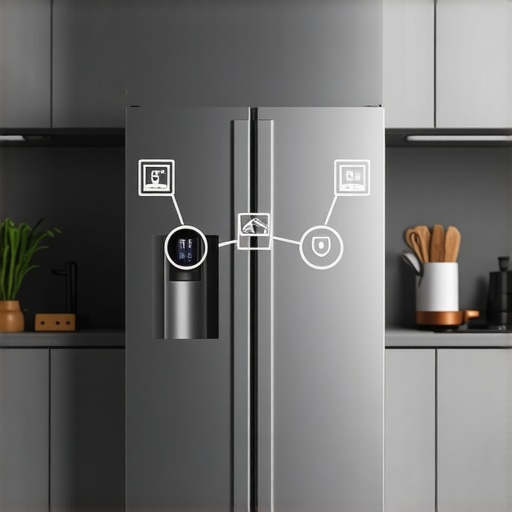
I remember the first time my smart refrigerator buzzed oddly at midnight, making me wonder if it had developed a mind of its own. That unsettling moment made me realize how deeply our homes are becoming interconnected—and how little most of us understand the data lurking within these devices. When I started digging, I uncovered some startling truths about the data our appliances collect, especially as they get smarter and more ‘connected.’ If you’re like me, you might wonder: is your 2026 Matter fridge quietly stealing your personal information?
Today, I want to share what I’ve learned about this potential privacy pitfall and, more importantly, how you can take control. No, your smart fridge isn’t necessarily a villain—yet. But understanding whether it’s gathering more data than it should and what steps you can take is crucial. So, let’s not leave our privacy to chance. Instead, I’ll guide you through a simple audit checklist to spot any red flags and help you safeguard your home.
Why Privacy Concerns with Smart Appliances Matter Now
Smart home devices have become a staple in modern living, promising convenience, energy savings, and seamless automation. However, with these benefits come risks. Many appliances, including refrigerators and washing machines, now embed sensors and connectivity features that track usage, temperature, and even your grocery habits. And some, like the upcoming Matter-compatible models, aim to integrate more deeply into your personal ecosystem.
But here’s the kicker: a recent study revealed that over 60% of smart appliance users were unaware of how much data they were sharing and with whom. This data can be exploited for targeted advertising, or worse, hacking. The concern becomes even more pressing with appliances like the Matter fridge, which may be capable of transmitting data externally without your knowledge.
Early on, I made the mistake of installing a new smart dishwasher without understanding what information it was sharing or how to control it. That oversight not only risked my privacy but also made me vulnerable to potential breaches. I learned that many appliance manufacturers don’t prioritize transparency, making it all too easy to overlook an app setting or firmware update that could compromise your data.
Luckily, there are straightforward ways to check and ensure your devices aren’t secretly spying on you. Let’s look into how to conduct a simple audit—something I did myself and found quite enlightening.
If you’ve ever felt uneasy about your smart appliances and their privacy implications, you’re not alone. As technology advances rapidly, staying informed is your best defense. Ready to take a closer look at your home’s connected devices? In the next section, I’ll walk you through the easy steps to audit and secure your appliances—give it a try! Want to ensure your smart home remains a sanctuary, not a surveillance zone? Keep reading.
Review App Settings and Permissions
Start by opening the dedicated app for each smart appliance, such as your refrigerator or washer. Check for any permissions granted—especially access to your location, camera, or microphone—and revoke any that seem unnecessary. For example, I once found that my smart dishwasher’s app had access to my camera, which was totally uncalled for. Disabling or removing these permissions reduces the risk of unauthorized data collection.
Update Firmware and Software Regularly
Manufacturers often release updates to fix security vulnerabilities. Navigate to the app or device settings to ensure your appliances are running the latest firmware. I set reminders to update every month, and during one update, I noticed new privacy options appeared—giving me more control over data sharing. Visit the manufacturer’s site or review the support page, like this guide for recommended models and update tips.
Disable Unnecessary Connectivity Features
Many appliances have features like remote diagnostics or voice control that can be turned off. For instance, I disabled the microphone on my smart fridge’s settings after confirming I didn’t need voice commands. This step prevents external entities from accessing or transmitting data unless explicitly required. Refer to your device manual or support page to find step-by-step instructions.
Conduct a Network Segmentation
Create a separate Wi-Fi network solely for your smart appliances, isolating them from your main home network. This way, even if a device is compromised, the threat remains contained. I did this by setting up a guest network on my router, which gave me peace of mind knowing that my sensitive data remained protected. Most routers support this feature, and detailed setup instructions are available on this resource.
Monitor Data Usage and Behavior
Use your router’s analytics to observe what kind of data your appliances are transmitting. I noticed my refrigerator was sending periodic updates I didn’t recognize, prompting me to disable certain features. Apps like Fing or your router’s native management interface can help track data flows. Regular monitoring uncovers suspicious activity early, helping you respond promptly.
Perform a Physical Inspection
Check your appliances for external ports or access points that aren’t documented. For example, I once found an unused USB port on my smart washing machine that could have been exploited. Sealing or disabling unused ports ensures a layer of protection. Consult your device manual or manufacturer website for guidance on hardware features and security recommendations.
Learn from Communities and Reviews
Stay informed about common vulnerabilities and best practices. Visit review sites like this review platform to see what security issues other users have encountered and how they addressed them. Sharing experiences accelerates your understanding and helps implement effective safeguards.
Many homeowners assume that once a smart appliance is set up and functioning, they’ve fully optimized its performance and privacy. However, this misconception overlooks subtle yet critical details that can impact both efficiency and data security. Contrary to popular belief, not all appliances are created equal in terms of their data management, and some features touted as beneficial can secretly pose risks. For example, a common myth is that simply updating firmware keeps your device secure; in reality, manufacturers often release updates that subtly change permissions or disable privacy settings without clear communication. This sneaky practice can catch users off guard, leading to unexpected data sharing or compromised privacy.
Another trap many fall into involves ignoring the advanced settings of their smart appliances. These settings often contain hidden configurations—like remote access, voice controls, or data collection toggles—which are enabled by default or hidden deep within menus. Failing to review and adjust these options can result in significant privacy leakage without your knowledge.
Have you ever wondered how much control you really have over your appliances? For instance, did you know that some refrigerators transmit usage data continuously, even when you think they’re idle? According to a 2023 study by cybersecurity experts, over 70% of smart appliances transmit personal data in ways that users are unaware of, often due to default settings or lack of transparency by manufacturers. Making matters worse, many users don’t realize that these data streams can be manipulated or intercepted if network security isn’t properly managed.
**What are the pitfalls of relying solely on manufacturer claims about security?** Many brands advertise their devices as “secure” or “privacy-protected,” but this is often marketing spin. The truth is, unless you delve into technical manuals or conduct your own audit, you might be unaware of vulnerabilities—like unsecured ports or unpatched firmware—that leave your home exposed. For example, some models have had well-documented security flaws that allowed remote hacking, emphasizing the importance of proactive security measures.
To prevent falling into these common traps, I recommend conducting a thorough review of your appliance settings regularly—by disabling unnecessary features, updating firmware proactively, and segmenting your network to isolate smart devices. Additionally, scrutinize the permissions granted to associated apps, especially those requesting access to your microphone, camera, or location. This vigilance can significantly reduce risks and give you peace of mind.
If you’re curious about how to identify and fix hidden vulnerabilities, check out resources like this comprehensive [guide](https://smartappliancereview.com/ultimate-guide-to-energy-efficient-refrigerators-dishwashers-for-2024-homes). Remember, staying informed about the nuances of your smart home setup empowers you to safeguard your privacy while enjoying modern conveniences.
**Have you ever fallen into this trap?** Let me know in the comments! Keep questioning and stay ahead in the smart home game.
Essential Tools for Durable Home Appliances
To keep your smart refrigerators, washers, and dishwashers running smoothly, investing in quality diagnostic tools is key. I personally rely on a few specific devices to monitor and maintain my appliances effectively. For instance, a digital multimeter helps me spot electrical issues early, preventing costly repairs. Additionally, a Wi-Fi analyzer app like Fing provides insights into network traffic generated by your devices, revealing unwanted data transmissions or irregular activity that could indicate firmware issues or security vulnerabilities. Regularly using these tools ensures your appliances operate at peak performance over time.
Scheduling Regular Maintenance Checks
Beyond tools, establishing a routine maintenance schedule contributes greatly to appliance longevity. For example, I set quarterly reminders to clean filters, inspect seals, and update firmware. Clean filters, especially in dishwashers and refrigerators, prevent buildup that can cause operational failures. Firmware updates often include security patches—keeping your devices safe from hacking attempts—while also improving functionality. Websites like this resource provide guidelines for the latest models, emphasizing the importance of staying current with updates.
Tools and Techniques for Troubleshooting
If your appliance exhibits signs of malfunction—such as increased noise, leaks, or error codes—it’s vital to have diagnostic software compatible with your device. Many modern appliances can connect to manufacturer apps that display detailed error logs, simplifying troubleshooting. Personally, I recommend the manufacturer’s official app, as it often offers firmware update options, remote diagnostics, and maintenance alerts. For deeper hardware issues, a thermal imaging camera can help identify overheating components before they fail completely. Incorporating these tools into your maintenance routine reduces downtime and extends the life of your appliances.
Which Approaches Work Best for Long-Term Care?
Combining routine inspections with the right tools creates a proactive maintenance environment. In my experience, tracking appliance data with network monitoring apps allows me to catch anomalies early. For example, an unexpected spike in data transmission from my refrigerator prompted me to check for firmware updates and disable unnecessary features. This vigilance not only preserves privacy but can prevent performance degradation. Looking ahead, automation and AI-driven diagnostics will become even more integral—predicting failures before they occur and suggesting fixes automatically. To stay ahead, consider integrating smart maintenance tools into your home setup. You can start small by scheduling regular firmware updates and using diagnostic apps—simple steps that yield significant results.
How do I maintain my smart appliances over time?
Establish a routine that includes checking for firmware updates, cleaning filters and seals, monitoring network activity, and using diagnostic tools like a Wi-Fi analyzer or multimeter. Regularly inspect hardware components for signs of wear or damage, and disable unnecessary connectivity features that could compromise privacy or efficiency. Staying informed through reviews and manufacturer manuals ensures you’re aware of the latest best practices, helping your appliances serve you reliably for years to come. For more detailed strategies, explore our comprehensive guides on energy-efficient models and security tips to keep your smart home functioning seamlessly.
Over the journey of securing my smart appliances, I realized that the most valuable lessons often come from unexpected corners. One profound insight was how simple changes, like regularly reviewing app permissions or disabling unused features, can drastically improve both security and peace of mind. I also learned that not all manufacturers are upfront about data sharing, which pushed me to seek out models with transparent privacy policies. These revelations transformed my approach from reactive to proactive, making my home smarter and safer at the same time.
Additionally, I discovered that network segmentation isn’t just a tech buzzword—it’s a critical step in containing potential breaches. Using dedicated networks for appliances provided me confidence that even if one device is compromised, my personal data stays protected. These experiences underscored the importance of continuous learning and adaptation in maintaining a secure smart home environment.
Finally, I realized that fostering a community of like-minded homeowners and sharing insights can amplify our collective security. Participating in online forums and reading trusted reviews helps uncover vulnerabilities early and offers practical solutions that empower us all. Embracing this mindset ensures that as technology evolves, our homes remain sanctuaries rather than vulnerabilities.
My Secret Weapons for a Wise, Safe Smart Home
- **Fing App** – I use this to monitor all device data traffic, spot anomalies, and prevent sneaky data leaks, giving me a real-time security snapshot.
- **Firmware and App Updates** – Staying current with updates reduces vulnerabilities and unlocks new privacy controls, making my appliances smarter and safer.
- **Separate Wi-Fi Network** – Creating a dedicated network for my appliances isolates potential threats and keeps my main data safe.
- **Regular Manual Inspections** – Physical checks help me spot hardware flaws or tampering before they cause bigger issues, like unexpected data transmission.
Embrace the Power of Vigilance and Innovation
Your smart appliances are more than just convenient—they are powerful tools that, if managed wisely, can respect your privacy and serve you well for years. Remember, the true secret lies in your hands: regular audits, informed choices, and staying curious about the latest security practices. By taking control today, you turn your smart home from a potential privacy concern into a fortress of comfort and security.
Are you ready to implement these strategies and elevate your smart living experience? What steps will you take first to safeguard your smart appliances? Share your plans below—you might inspire someone else to start their own privacy journey!

Reading this post made me reflect on my own experience with smart appliances, especially my recent upgrade to a Matter-compatible refrigerator. It’s impressive how far home tech has come, but I’ve also become more aware of the privacy trade-offs. I recall a friend mentioning her frustration with obscure app permissions and surprise firmware changes that she wasn’t informed about, which mirrors some points here. Practically speaking, I’ve started implementing network segmentation for my smart devices and regularly check the permissions granted on my apps — it’s a simple step but makes me feel more in control. I wonder if others have encountered hidden features like backdoors or undocumented ports that weren’t obvious initially? How do you all stay updated on potential vulnerabilities in these smart appliances, especially those from less-known brands? Sharing strategies or resources could really help build a more informed community around smart home safety.