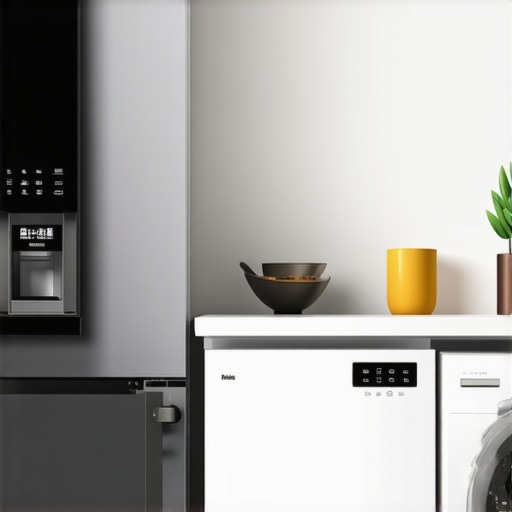
Smart Appliances Buying Guide: Best Refrigerators & Washers 2024
Last month, I almost tossed my old refrigerator out the window after it started making strange noises and refusing to cool properly. It was a wake-up call. I realized how much I rely on smart appliances to keep my home running smoothly, yet I had no idea how to choose the right ones in today’s fast-evolving market. If you’ve ever felt overwhelmed trying to pick the perfect refrigerator or washer, you’re not alone. I’ve been there, and I want to share what I’ve learned so you won’t make the same costly mistakes.
Why Picking the Right Smart Appliances Matters More Than Ever
In 2024, choosing the right appliances isn’t just about capacity or brand. It’s about smart features, energy efficiency, and seamless integration with your home automation system. Over the last few years, I’ve discovered that a good smart refrigerator or washer can save you money, reduce waste, and even make your life a little easier. But the wrong choice can lead to frustration, higher bills, and disappointment.
Did you know that energy-efficient appliances can cut your household energy bill by up to 30%? According to the Department of Energy, modern smart appliances are designed to optimize consumption and adapt to your habits, making them a smart investment for the future. Plus, with the increasing focus on sustainability, choosing eco-friendly models isn’t just good for the planet—it’s good for your wallet too.
Now, I want to help you avoid the common pitfalls I fell into early on. Whether you’re upgrading your current setup or outfitting a new home, understanding the key features and what to look for can save you time and money. From selecting the latest energy-saving models to understanding their smart capabilities, I’ll guide you through the essentials.
Is Smart Technology Overhyped or Truly Worth It?
One mistake I made was thinking that all smart appliances were just fancy gadgets with little real benefit. I bought a popular model without doing enough research, only to find out it lacked compatibility with my existing system and had limited features. Turns out, not all smart appliances are created equal. It’s crucial to pick ones that genuinely enhance your daily routine and integrate well with your smart home ecosystem. Want to avoid my mistake? Check out the top-rated options and reviews at Smart Appliance Reviews 2024 for honest insights.
In the sections ahead, I’ll walk you through how to evaluate features, what brands stand out, and how to future-proof your home with the best smart refrigerators and washers of 2024. Ready to make a confident decision? Let’s dive in!
,
Define Your Needs Clearly
Before diving into models, list your priorities: capacity, smart features, energy efficiency, and budget. I once rushed to buy a high-tech refrigerator without considering my space constraints, leading to a cramped kitchen and buyer’s remorse. Take stock of your household size, storage needs, and how you plan to use smart features—do you want voice control, remote monitoring, or automation integration?
Research Top-Rated Models and Brands
Start by visiting trusted review sites like Smart Appliance Reviews 2024 to compare the latest models. Focus on brands renowned for reliability and smart compatibility, such as Samsung, LG, or Whirlpool. When I researched, I used these resources and found a refrigerator with excellent energy ratings and seamless app control, which saved me from a poorly performing model.
Evaluate Smart Capabilities and Ecosystem Compatibility
Smart features matter, but only if they work with your existing smart home. Think of your appliances as members of a team; they should communicate smoothly. For example, I wanted my refrigerator to sync with my voice assistant, so I checked if it was compatible with Google Home or Alexa. You can verify this by reviewing detailed specs and user reviews on Home Automation Compatibility Guides.
Prioritize Energy Efficiency and Sustainability
Look for ENERGY STAR ratings and eco-friendly features. I targeted models with high efficiency because they cut costs over time. When I found a refrigerator claiming 30% lower energy consumption, I cross-checked with Energy Efficiency Guides and confirmed its savings potential. Remember, a slightly higher upfront cost often pays off through lower utility bills.
Compare User Reviews and Industry Ratings
Reading real user feedback reveals practical issues and benefits that specs alone can’t show. I sifted through hundreds of reviews on Review Sites, noting recurring complaints about app lag or connectivity. This step prevented me from choosing a model that I later regretted due to poor software support.
Test the Smart Features in Person
If possible, visit a showroom to see the appliances in action. I once tested a dishwasher’s app interface directly, which helped me gauge its ease of use. Physical interaction can reveal issues like slow response times or complicated controls that aren’t obvious online.
Calculate Total Cost and Long-Term Savings
Factor in purchase price, installation, and potential energy savings. I used online calculators and comparison tools, which showed that investing in a more efficient model would save hundreds annually. Don’t forget to check for manufacturer warranties and service support, as these are critical for long-term peace of mind.
While many enthusiasts focus on the basic features and energy ratings of smart appliances, there’s a hidden nuance that can trip up even seasoned shoppers. A prevalent misconception is that all smart appliances are seamlessly compatible and future-proof. In reality, overlooking the intricacies of ecosystem integration can lead to frustration and costly upgrades down the line.
One of the most overlooked pitfalls is assuming that newer models automatically work with your existing smart home setup. Many buyers fail to verify compatibility with their voice assistants or home automation hubs before purchase. For instance, a smart refrigerator might boast impressive features but could be incompatible with Alexa, forcing you to switch ecosystems or settle for subpar integration. To avoid this, always check the detailed specifications and user reviews related to ecosystem support, such as on top-rated review sites.
Another common mistake involves neglecting the long-term software support. Many users buy appliances based on initial features but overlook how software updates are handled. Some brands are notorious for providing limited software support, leading to security vulnerabilities or outdated functionality. This oversight can turn a smart investment into a liability. Experts recommend prioritizing brands with a proven track record of regular updates and good customer service, like Samsung or LG, which frequently update their software and firmware.
Let’s not forget that many consumers underestimate the importance of understanding the device’s architecture. For instance, some smart refrigerators rely heavily on cloud services, which can be problematic if your internet connection is unstable or if the cloud provider discontinues support. As a rule of thumb, consider appliances that offer local control options or have fallback modes, ensuring they remain functional regardless of internet issues.
Why does ecosystem compatibility often get overlooked, and how can you avoid it?
This is a sophisticated question because it involves understanding both your existing smart home infrastructure and the technical specifications of new appliances. The key is to explicitly verify compatibility with your preferred voice assistant or automation platform before purchasing. For example, if you use Google Home, double-check that the appliance supports Google Assistant integration. Reading detailed product specs and consulting user forums can save you from future headaches. Remember, a mismatch here can render your smart features useless and reduce your appliance to a standard device, negating the purpose of smart tech in your home.
Research from industry experts emphasizes that future-proofing your smart home requires a holistic approach. According to a study by Smart Appliance Review, compatibility and software longevity are often more critical than flashy features or energy ratings alone. Ensuring your appliances can communicate with your existing ecosystem and receive updates will keep your smart home efficient and secure for years to come.
Have you ever fallen into this trap? Let me know in the comments. Remember, digging a little deeper now can save you a lot of trouble later. Happy smart shopping!
Keeping your smart appliances running smoothly over time requires more than just initial setup. Regular maintenance, smart tools, and strategic updates are key to ensuring your investment continues to deliver convenience and efficiency. I personally rely on a combination of dedicated software, hardware diagnostics, and routine cleaning to extend the lifespan of my appliances and prevent unexpected breakdowns.
Why Regular Software Updates Matter
One of the most critical aspects of maintaining smart appliances is staying current with software and firmware updates. Manufacturers like Samsung and LG frequently release patches that improve security, fix bugs, and add new features. I make it a habit to check for updates every month, either through their dedicated apps or via notifications. This proactive approach prevents vulnerabilities and ensures compatibility with evolving smart home systems. For example, using their official apps makes this process straightforward and reliable.
Tools I Recommend for Ongoing Care
For diagnosing hardware issues early, I swear by a few specialized tools. A multimeter helps me verify electrical connections and monitor power consumption, which can indicate when a component is starting to fail. I also use a Wi-Fi analyzer app to ensure my appliances maintain a strong connection, reducing lag or disconnection problems. Additionally, a microfiber cloth and mild cleaner are essential for routine cleaning of vents and sensors, preventing dust buildup that could impair functionality.
To monitor appliance health remotely, I utilize smart home dashboards like Home Assistant, which integrates with most major brands. This platform consolidates alerts, logs, and control interfaces, making it easier to identify issues before they escalate. The ability to set automated maintenance reminders based on usage patterns has significantly reduced my emergency repairs and extended the longevity of my devices.
Planning for Long-Term Performance
Predicting future needs involves understanding the upcoming trends in smart home tech. I foresee advancements in AI-driven diagnostics and self-repair capabilities, which could make manual maintenance less necessary. Until then, staying vigilant with software updates, routine cleaning, and using reliable diagnostic tools remains best practice. For example, integrating a network monitoring tool like Fing can help detect unauthorized devices or connectivity issues early, ensuring your smart appliances stay responsive and secure.
Don’t forget to document your maintenance activities and keep records of updates. This habit not only helps troubleshoot problems faster but also adds value when you decide to upgrade or sell your home. Want to make maintenance even easier? Try setting up automated alerts for firmware updates and connectivity checks; it’s a game changer.
Start with one of these tools or practices today, and you’ll be surprised how much longer your smart appliances will serve you reliably. Keeping everything in top shape now will pay off in years to come, saving you from costly repairs and replacements.
After my frustrating experience with a malfunctioning refrigerator, I realized that mastering the art of selecting and maintaining smart appliances is essential for any modern home. The lessons I learned through trial and error can save you from costly mistakes and endless headaches.
Lessons That Changed My Approach to Smart Home Gear
- Not all compatibility is created equal: I once bought a popular smart fridge only to find it didn’t play well with my voice assistant. Verifying ecosystem compatibility before purchasing is crucial—don’t assume new devices will just work together.
- Software support is the unsung hero: Regular updates from brands like Samsung and LG kept my appliances secure and functional. Ignoring this can turn a smart device into a paperweight faster than you think.
- Local control can save your day: My internet went down once, and my cloud-dependent fridge became useless. Devices with fallback modes or local controls are worth the extra investment for peace of mind.
My Go-To Resources for Smarter Choices
- Top-rated review sites: I trust these for honest, unbiased insights into the latest models and features.
- Energy efficiency guides: They helped me identify models that save money long-term, not just upfront.
- Brand-specific reviews: Knowing which brands prioritize updates and customer support made my shopping much easier.
Embrace the Future, One Smart Step at a Time
Now, I see smart appliances not just as gadgets but as integral parts of a resilient, efficient home. With a little research and ongoing care, your smart home can become a seamless, secure sanctuary. Ready to take your smart home to the next level? Start today, and enjoy the benefits of truly intelligent living.
Have you ever faced challenges with smart appliance compatibility or maintenance? Share your experiences below—I’d love to hear your story and tips!
Reading this post really resonated with me, especially the part about ecosystem compatibility. I learned the hard way that even a high-end smart fridge can be a headache if it doesn’t play well with my existing smart home setup. Now, I always double-check the compatibility with Google Assistant before making a new purchase—it’s saved me from so many frustrations. Also, I agree with the importance of local control; during internet outages, having appliances that can operate without relying solely on cloud connectivity gives peace of mind. It’s fascinating how much the ecosystem support and ongoing software updates can impact the long-term usability of smart appliances. For anyone trying to future-proof their home, what are some good brands that offer solid local controls along with regular updates? I’d love to hear your recommendations and any tips from your experiences in maintaining these smart devices over time.
This post really highlights the importance of thorough research before investing in smart appliances, especially considering ecosystem compatibility. I’ve personally experienced the frustration of buying a high-tech refrigerator that couldn’t sync properly with my smart home system, which made me skeptical of the supposed convenience these devices are supposed to provide. I found that choosing brands with a reputation for ongoing support and local control options really made a difference for me, particularly LG and Samsung—they seem to prioritize regular firmware updates and local fallback modes. One tip I’d add is to check user forums and tech reviews specifically for ecosystem support and any reported issues with software updates. Has anyone found effective ways to ensure their appliances stay compatible over multiple software generations? Or are there certain brands that stand out for their long-term ecosystem support? I think it’s crucial to see beyond the initial specs and look into long-term software maintenance and interoperability when selecting smart appliances.