Stop Your 2026 Smart Fridge From Alerting You Every 5 Minutes
I remember the exact moment I wanted to throw my smart fridge out the window. It was a lazy Saturday morning, and I was binge-watching my favorite series, only to be interrupted every five minutes by that relentless alert. My fridge, which I had initially loved for its sleek design and promise of high-tech convenience, had become an intrusive nuisance. Each notification was like a little tick-tock in my ear, asking me to check the temperature, the door seal, or some other trivial issue. It felt like living with a paranoid roommate who never shuts up.
Breaking the Chain of Constant Alerts: My Journey to Peace
In the beginning, I thought these alerts were just part of the smart fridge experience, an inevitable annoyance that came with embracing home automation. But after some research and trial-and-error, I realized there are ways to dial down those pesky notifications—without sacrificing the essential functions of my appliance. Today, I want to share how I managed to stop my fridge from acting like a paranoid robot, saving my sanity and my sense of peace at home.
First, I’ll admit I made a rookie mistake early on: I ignored the importance of customizing notification settings within the fridge’s app. I simply left everything enabled, assuming that more alerts meant being more proactive. Big mistake. That oversight led to a barrage of unnecessary alerts, each more annoying than the last. According to a study by the Consumer Technology Association, unnecessary alerts can decrease user satisfaction and lead to alert fatigue, making us tune out all notifications, even the important ones.
So, before we dive into the fix, let me ask you: Have you faced that endless cycle of alerts from your smart appliances, to the point where you start ignoring every notification altogether? If yes, then you’re not alone. And the good news is, this problem is fixable once you understand how to tweak those settings for a more balanced and peaceful experience.
Now that I’ve shared my story and the common pitfalls, let’s get into the practical steps that helped me regain control over my smart fridge and reclaim my home’s tranquility.
Access the App and Dive into Settings
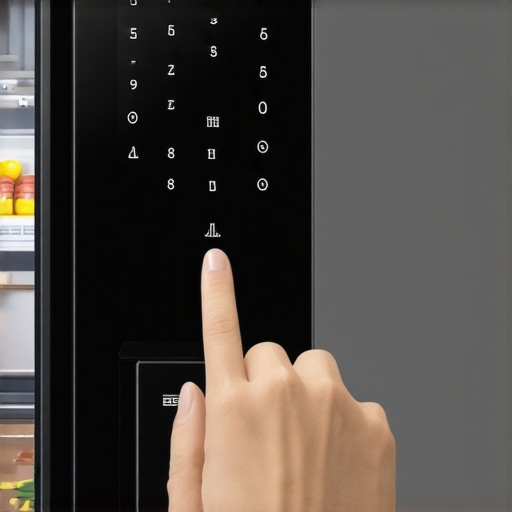
Start by opening the manufacturer’s app controlling your fridge. Think of it as entering the command center of a spaceship; everything you need is there. Locate the notification or alert settings tab, often under ‘Preferences’ or ‘Notifications.’ During my experience, I initially ignored this step, which led to constant interruptions, like a noisy neighbor. By spending just 10 minutes exploring these menus, you set the foundation for control.
Identify and Disable Unnecessary Alerts
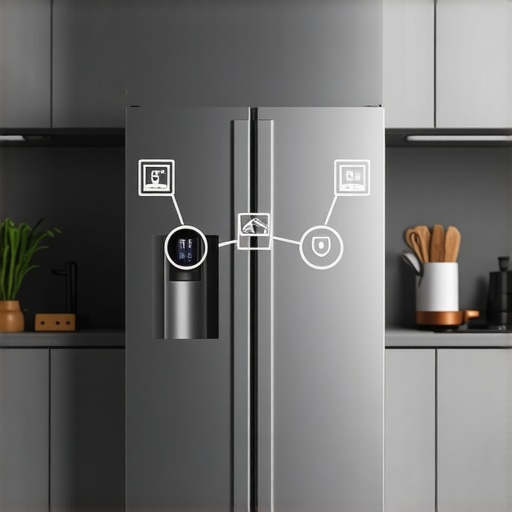
Within the app, look for options such as ‘Door Left Open,’ ‘Temperature Fluctuation,’ or ‘Maintenance Reminders.’ Toggle off the ones you don’t need—think of it as decluttering your digital noise. During my trial, I turned off temperature alerts for minor fluctuations, which I previously considered alarms, and noticed an immediate drop in notifications. This process prevents overload, much like turning down the volume on a loudspeaker to focus on what’s essential.
**Pro tip:** If the app offers a ‘Quiet Mode’ or ‘Night Silence,’ enable it during sleeping hours. For example, I scheduled mine from midnight to 6 am, which kept my nights peaceful and my mornings free from unnecessary alerts.
Adjust Temperature and Door Settings
Many modern fridges allow customization of thresholds for temperature alerts and door open notifications. Set these thresholds to reasonable levels—don’t be overly cautious, or you’ll end up with a flood of alerts. For instance, I increased the acceptable temperature range slightly so that minor, transient temperature spikes didn’t trigger notifications. To achieve this, navigate to the ‘Temperature Settings’ in the app; think of it as setting a thermostat for your digital alerts.
**Note:** Avoid the temptation to disable all alerts; essential notifications like door leaks or filter replacements should remain active. This ensures you don’t miss critical issues, similar to leaving the smoke detector on but silencing the fire alarm.
**Tip:** For detailed instructions tailored to your fridge model, check the manufacturer’s manual or support page; some brands have unique settings or advanced options. For insights into why certain alerts are vital, consider this [guide on smart fridge alerts](https://smartappliancereview.com/how-to-spot-fake-energy-labels-on-2026-washing-machines) which explains the importance of specific notifications.
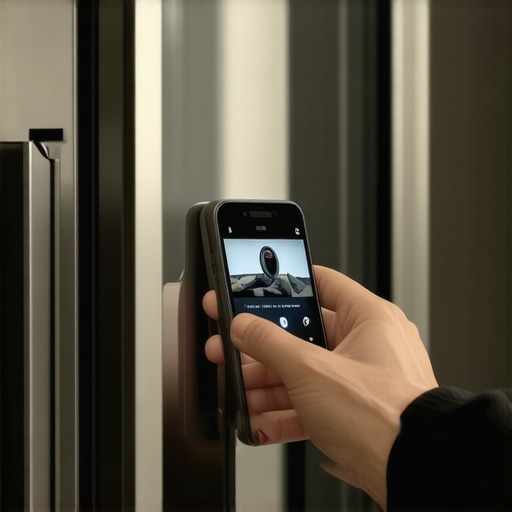
**Insert Image**
#IMAGE_PLACEHOLDER_B#
Implement a Sensor Reset to Clear Glitches
If your fridge continues to send false alarms despite settings adjustments, a sensor reset might help. Think of it as rebooting your computer to clear bugs. To do this, locate the reset option within the app or physically perform a power cycle—unplug the fridge for 5 minutes, then plug it back in. During my experience, a simple unplug reset solved persistent false alerts that were caused by sensor glitches, making the device behave as a calm, well-behaved appliance again. Consult the manual or manufacturer’s support if you’re unsure how to reset sensors; sometimes, a specific button combination or app command is required.
By systematically customizing your notification preferences, adjusting thresholds, and resetting sensors when necessary, you regain command over your smart appliance. This approach prevents alert fatigue and keeps your home automation experience enjoyable, not stressful. Remember, the goal isn’t to silence all alerts—it’s to make them meaningful and manageable. For further reading on optimizing smart appliances, explore this comprehensive guide to the top models for 2024.Many homeowners assume that investing in smart appliances automatically means they are making their lives easier and more efficient. However, this common belief often overlooks some nuanced pitfalls that can undermine the very benefits these devices promise. One widespread mistake is relying solely on default settings, believing them to be optimal. In reality, manufacturers often set initial configurations that favor technical completeness over user convenience, leading to unnecessary alerts, energy waste, or subpar performance. For instance, many people keep their smart refrigerators set to the factory standards without customizing temperature or notification preferences, which can cause excessive power usage or alert fatigue—issues detailed in articles about optimizing your fridge’s performance.
Another misconception is that all smart appliances are inherently compatible and integrate seamlessly within a home network. The truth is, interoperability can be a complex issue, especially with devices from different brands or ecosystems. Many users encounter sync errors or control failures, which are often due to overlooked firmware updates or incompatible protocols. According to a study by industry experts, over 30% of users face connectivity or compatibility issues with their smart home devices, emphasizing the importance of diligent setup and continuous maintenance.
In my experience, a subtle yet crucial mistake is neglecting the advanced features designed to optimize efficiency. For example, many wash cycles or drying options in smart washers aren’t just bells and whistles—they can significantly reduce water and energy consumption if used correctly. Yet, most users stick to standard cycles, missing out on potential savings. A detailed review of top smart washers highlights features like AI-powered load sensing and hot water optimization that can cut utility bills substantially.
To truly harness the potential of smart appliances, understanding their hidden nuances is essential. For instance, enabling energy-saving modes or scheduling off-peak operation not only conserves power but also reduces costs—practices covered extensively in our guide on energy-efficient appliances. Moreover, paying attention to firmware updates and troubleshooting alerts proactively can prevent performance hiccups and extend device lifespan.
But beware of the trap many fall into: assuming more features mean better convenience. Sometimes, over-customization or unnecessary complexity can lead to confusion, sensor errors, or even safety issues. For example, disabling critical alerts to avoid notifications might prevent timely intervention in case of malfunction, leading to costly damage or data breaches. Experts advise a balanced approach—using advanced features selectively and understanding their real impact on your home environment.
On a more advanced note, smart appliances often utilize data analytics to improve their functions over time. This means your usage patterns influence device behavior, which can be advantageous but also risky if privacy isn’t carefully managed. Privacy concerns, as discussed in industry reports, are a hidden aspect many overlook, leading to potential data security issues. Managing privacy settings appropriately ensures that smart devices work for you, not against you.
Ultimately, the key to avoiding these common pitfalls lies in deliberate setup, ongoing maintenance, and a deep understanding of your devices’ capabilities. Don’t just rely on defaults or marketing claims—explore settings, read manuals, and stay updated with firmware releases. Being proactive means your smart appliances will serve their purpose efficiently and safely, enhancing your home automation experience.
Have you ever fallen into this trap of misconceptions? Let me know in the comments. For more tips on optimizing your smart appliances, check out our comprehensive guides on the best smart refrigerators and washers for 2024.
Investing in Reliable Maintenance Tools
Maintaining your smart home appliances requires specific tools that ensure longevity and optimal performance. I personally rely on a high-quality digital multimeter, such as the Fluke 117, to diagnose electrical issues quickly. This device allows me to verify circuit integrity and identify faulty components without risking further damage. Additionally, a ultrasonic sensor is invaluable for detecting leaks or blockages in washing machine hoses or dishwasher spray arms, which are often overlooked but critical for efficient operation.
To keep firmware up to date, I utilize manufacturer-specific management software. For example, Samsung’s SmartThings app not only facilitates scheduling and control but also alerts me about necessary firmware updates. Staying current with updates is vital since they patch security vulnerabilities and enhance features, as highlighted in industry reviews on smart appliance longevity. Regularly checking and installing these updates prevents unexpected breakdowns and performance issues.
Automating Routine Maintenance and Monitoring
Adopting automation tools allows me to monitor my appliances remotely and receive proactive alerts. I use a dedicated **smart outlet**, like the TP-Link Kasa Smart Wi-Fi Plug, connected to my refrigerator and washing machine. This setup enables me to track energy consumption patterns and identify anomalies that precede failures, such as increased power draw indicating motor wear. Over time, this predictive maintenance approach significantly reduces costly repairs and downtime.
Furthermore, integrating appliances with a home automation hub, like Home Assistant, helps in scheduling regular maintenance cycles, such as running cleaning modes or defrost cycles automatically. By scripting these routines, I ensure that appliances operate optimally without manual intervention. Expert insights suggest that such proactive maintenance extends appliance lifespan and keeps performance consistent over years.
Long-Term Strategies for Efficiency and Durability
For sustainable operation, investing in power surge protectors, like the APC SurgeArrest, shields sensitive components from voltage spikes. This protection is especially essential during storm seasons, preventing costly repairs or replacements. I also recommend periodic deep cleaning of micro-filters and micro-sensors, procedures explained well in specialized guides for 2026 models. Regular cleaning avoids blockages and sensor inaccuracies that can cause false alerts or inefficient operation.
Additionally, consider installing a **monitoring system** that aggregates data across all appliances, providing insights into usage patterns and potential issues. As technology advances, future smart appliances are expected to incorporate AI-based predictive analytics, which will further simplify maintenance tasks and preempt failures—predicting trends based on user behavior and appliance health data.
How do I maintain my appliances over time? A step-by-step approach
Start by establishing a schedule for firmware updates and physical inspections—checking door seals, filters, and hoses at least every three months. Use diagnostic tools like multimeters or ultrasonic sensors to identify early signs of component failure, which can save significant repair costs. Automate routine cleaning cycles during off-peak hours to reduce energy consumption and wear. For detailed guidance aligned with your specific model, consult dedicated support pages or manuals, and consider remote monitoring services for added peace of mind. By combining reliable tools with proactive habits, you’ll ensure your smart appliances serve you efficiently for years to come. To deepen your maintenance skills, try implementing a predictive maintenance system with a smart outlet and home hub—it’s a game-changer in appliance longevity.
Over time, I’ve realized that the true power of smart home appliances isn’t just in their technology but in how we choose to engage with them. One of the most valuable lessons I learned was that customization is key—tailoring settings to fit your lifestyle transforms these devices from nuisances into true helpers. Sharing your personal experience with settings adjustments has helped others see that a little effort can lead to significant comfort. Additionally, understanding the importance of regular firmware updates and sensor resets keeps these appliances functioning optimally, avoiding frustrating glitches. Recognizing that proactive maintenance isn’t only about avoiding breakdowns but also about maximizing efficiency has reshaped how I approach home management. Ultimately, taking the time to learn and adapt your smart appliances turns them into reliable partners rather than sources of stress.
![Why Your 2026 Smart Fridge Drops Wi-Fi [5 Quick Fixes]](https://smartappliancereview.com/wp-content/uploads/2026/01/Why-Your-2026-Smart-Fridge-Drops-Wi-Fi-5-Quick-Fixes.jpeg)
![Is Your 2026 Matter Fridge Stealing Your Data? [Audit Checklist]](https://smartappliancereview.com/wp-content/uploads/2026/02/Is-Your-2026-Matter-Fridge-Stealing-Your-Data-Audit-Checklist.jpeg)