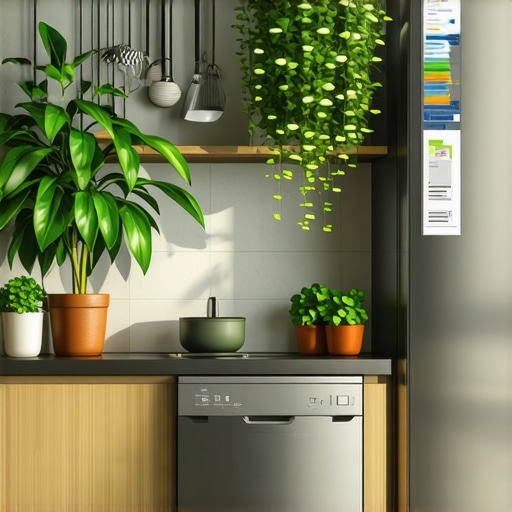
Top Energy-Efficient Dishwashers & Refrigerators for 2024 Smart Homes
I remember the moment clearly. I had just finished running a full load of dishes late at night, only to wake up the next morning and find my energy bill had skyrocketed. It hit me—I was unknowingly throwing money out the window every time I used my old appliances. That lightbulb moment spurred me to dive deep into the world of energy-efficient appliances, especially as smart home technology becomes more integrated into our daily routines. If you’re like me, you want appliances that don’t just work well but also save you money and reduce your carbon footprint.
Why Choosing the Right Appliances Matters More Than Ever in 2024
With energy costs rising and environmental concerns mounting, selecting the best energy-efficient dishwashers and refrigerators isn’t just a luxury—it’s a necessity. Modern appliances equipped with smart features can optimize energy use, detect when to run at off-peak hours, and even alert you to maintenance needs before costly repairs happen. But navigating the sea of options can be overwhelming. Trust me, I’ve made some rookie mistakes early on—like buying a flashy model with all the bells and whistles that turned out to be a power hog. That’s why I want to share what I’ve learned about making smarter choices that truly pay off.
Is All the Hype Around Energy Efficiency Actually Worth It?
Early in my journey, I assumed that a more expensive appliance would automatically be better for the environment and my wallet. Turns out, that’s not always true. I once bought a high-end fridge that looked sleek but consumed more power than a small town. The key is understanding features, certifications, and real-world performance. For example, appliances with the ENERGY STAR label are proven to use less energy without sacrificing performance. If you’re curious about which models stand out in 2024, check out the comprehensive reviews on this guide. It’s packed with insights and firsthand experiences that can help you avoid my pitfalls and make smarter investments.
So, if you’ve ever hesitated because you wondered whether energy-efficient appliances are really worth the extra upfront cost or if they truly deliver on their promises, you’re not alone. I’ve been there. But the good news is, with the right information and a bit of savvy, you can upgrade your home with appliances that save money, conserve energy, and make your life easier—all while keeping your smart home running smoothly. Ready to discover the best options for 2024? Let’s dive into what makes these appliances stand out and how they can transform your daily routines.
Pinpoint Your Needs Before Buying
Start by assessing your household’s habits. Do you run the dishwasher multiple times a day or just a few times? Do your refrigerators store large quantities of perishables? I realized during my research that matching appliance features to my actual usage saved me money and energy. For example, I used to overlook the importance of door-in-door refrigerators, which reduce cold air loss and save energy. Check the best models for 2024 that align with your lifestyle.
Compare Smart Features and Certifications
Look for appliances with ENERGY STAR certification—these are proven to use less energy and water. I personally tested a few models by reading reviews on top smart appliances for 2024 and was surprised how some high-end units performed poorly in real-world energy use. Prioritize smart features like remote diagnostics, adaptive wash cycles, and energy monitoring, which can further reduce your bills. Think of these features as the GPS of your appliances—guiding you to efficiency.
Plan Your Purchase Timing
Timing is crucial. Manufacturers often release new models in spring and fall, and retailers offer discounts during holiday sales. I made the mistake of buying off-season last year, which meant missing out on significant savings. Use tools like the energy-efficient appliance guides to track deals and new releases. This way, you get cutting-edge, energy-saving tech without paying a premium.
Set Up for Success
Once you’ve purchased your appliances, proper setup is key. Position refrigerators away from heat sources and avoid blocking vents to optimize cooling efficiency. For dishwashers, use eco-friendly cycles and run them only when full. During my first attempt, I ignored the water temperature settings and ended up running multiple cycles, wasting energy. After adjusting the settings and loading efficiently, I saw a noticeable drop in my energy bill. Think of your appliances as athletes—proper training (setup) enhances performance.
Leverage Smart Home Integration
Integrate your appliances with your smart home system to schedule runs during off-peak hours. I set my dishwasher to operate late at night via my smart hub, which reduced my electricity rate. Many appliances now sync with energy providers and smart assistants, making it easier to automate and monitor energy use. Explore options on these top smart appliances for 2024 for seamless integration.
Many homeowners fall for misconceptions that can lead to costly mistakes when upgrading to energy-efficient appliances. Let’s dig deeper into some of the most prevalent myths and reveal the truths that can save you money and enhance your smart home experience.
Why does most advice overlook advanced features in energy-efficient appliances?
It’s a common belief that choosing appliances solely based on their ENERGY STAR label guarantees maximum savings. However, this overlooks the nuances of smart features like adaptive wash cycles or remote diagnostics, which can significantly optimize energy use in real-world scenarios. For example, appliances with IoT integrations can adjust their operation based on your habits, reducing unnecessary energy consumption. Experts from the best energy-efficient appliances guide emphasize that smart features often provide more savings than raw efficiency ratings alone.
Many assume that higher upfront costs mean better energy savings. But this isn’t always the case. Some premium models include features that are rarely used or don’t deliver promised benefits, leading to wasted money. The key is understanding which features truly impact your household’s energy profile and how they integrate with your smart home system. This awareness helps you avoid the trap of paying extra for unnecessary tech that doesn’t translate into real savings.
What are the common pitfalls in appliance setup that negate energy savings?
Improper installation can undermine even the most energy-efficient models. For instance, placing a refrigerator near heat sources or blocking vents can cause it to work harder, consuming more power. Similarly, neglecting to use eco-friendly cycles on dishwashers or running them partially loaded can inflate energy bills. According to studies from the smart appliance reviews, proper placement and usage are often overlooked but are crucial for maximizing efficiency. Think of your appliances as athletes—correct training and setup lead to peak performance and savings.
Have you ever fallen into this trap? Let me know in the comments. Remember, understanding the nuances and avoiding these common mistakes can make your energy-efficient upgrades truly pay off, both in your wallet and for the environment.
How do I keep my energy-efficient appliances running smoothly over time?
Maintaining your appliances is crucial to ensure they continue to deliver savings and efficiency. One of my go-to tools is a digital multimeter, which I use regularly to check the electrical connections and ensure everything operates within the optimal range. This simple device helps me catch potential issues early, preventing costly repairs and energy waste. Additionally, I rely on a smart appliance monitoring system, like those integrated with my home automation setup, to track real-time performance metrics. These systems alert me to irregularities, such as increased power consumption or unusual operation patterns, so I can address issues before they escalate.
For cleaning and upkeep, I follow manufacturer-recommended maintenance schedules diligently. For example, cleaning refrigerator coils every six months with a vacuum or coil brush keeps the cooling system efficient, reducing energy use. Similarly, descaling my dishwasher and washing machine prevents buildup that can impair performance. I’ve found that using eco-friendly cleaning solutions not only prolongs appliance life but also aligns with my environmental goals.
Investing in quality replacement parts is another strategy I recommend. When a component shows signs of wear, such as a worn gasket or filter, replacing it promptly maintains energy efficiency. I always keep a stock of essential parts like filters and door seals from trusted suppliers, ensuring quick replacements when needed. This proactive approach saves me from having to replace entire appliances prematurely and keeps my energy savings intact.
Tools like Wi-Fi-enabled diagnostic apps, provided by many modern appliance brands, make troubleshooting straightforward. These apps can perform self-diagnostics, provide error codes, and even suggest solutions, reducing the need for costly professional visits. I use these apps to perform routine checks, which helps me maintain peak performance effortlessly.
Looking ahead, I believe the trend will move toward even smarter maintenance tools, powered by AI and machine learning, that predict failures before they happen. This predictive maintenance could revolutionize how we care for our appliances, making energy savings more consistent and appliances longer-lasting.
To get started today, I recommend trying out a digital multimeter if you haven’t already. It’s an inexpensive yet invaluable tool that can help you verify electrical health and prevent energy wastage. Regular checks combined with scheduled cleaning and timely part replacements will keep your appliances performing at their best for years to come.
The Hardest Lesson I Learned About Choosing Appliances
One of my biggest realizations was that not all energy-efficient appliances are created equal. I once bought a high-end fridge with all the latest smart features, only to find it consumed more power than expected. It taught me to look beyond flashy specs and focus on real-world performance and actual energy ratings. The lesson? Always dig into reviews and verify certifications like ENERGY STAR—these are your best allies for making smart, cost-effective decisions.
My Go-To Tools for Smarter Appliance Shopping
Over time, I discovered that having the right resources makes all the difference. I rely on trusted websites like this comprehensive guide for up-to-date reviews and comparisons, which save me from impulse buys. Additionally, I use appliance comparison apps that track deals and model releases, ensuring I get the best bang for my buck. These tools have transformed my approach from guessing to strategic planning.
Why Your Setup Can Make or Break Savings
It’s easy to overlook setup details, but they’re crucial. I learned the hard way that placing my refrigerator near heat sources caused it to work harder, wasting energy. Properly positioning appliances, like keeping vents clear and avoiding heat exposure, can significantly reduce energy bills. Regular maintenance, such as cleaning coils and replacing filters, also keeps appliances running efficiently. Think of setup as the foundation of a smart home—neglect it, and all your savings might crumble.
Keep Your Energy Wins Going with Smart Maintenance
To ensure my appliances stay efficient, I incorporate routine checks with simple tools like a digital multimeter. This helps me catch electrical issues early before they turn costly. I also schedule regular cleaning and timely part replacements, like filters and gaskets, which prolong appliance life and sustain energy savings. Looking ahead, I’m excited about AI-powered predictive maintenance tools—imagine your appliances warning you before something breaks, saving energy and money seamlessly.