![Why Your 2026 Dishwasher Leaves Cloudy Glasses [3 Quick Fixes]](https://smartappliancereview.com/wp-content/uploads/2026/01/Why-Your-2026-Dishwasher-Leaves-Cloudy-Glasses-3-Quick-Fixes.jpeg)
Why Your 2026 Dishwasher Leaves Cloudy Glasses [3 Quick Fixes]
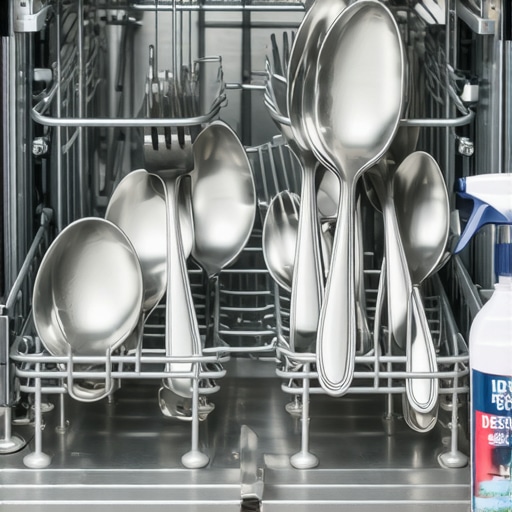
It’s happened to me more times than I care to admit—loading the dishwasher late at night, expecting sparkling clean glasses, only to find them leaving behind a dull, cloudy film the next morning. That frustrating haze can turn even the most pristine-looking glasses into something you’d rather hide in the cabinet. I remember thinking, “Is it my dishwasher? Did I buy the wrong one?” Turns out, this isn’t just bad luck; it’s a common issue with some of the latest appliances, especially the 2026 models that promise top-notch tech but sometimes stumble on basic tasks.
If you’ve faced this problem, you know how disappointing it can be. You pay good money for smart appliances, expecting them to make life easier, not produce cloudy, unappealing glasses. Well, here’s the good news: you’re not alone, and there are simple, effective fixes. Today, I’m going to walk you through three quick remedies based on my own experience and research, so you can reclaim that crystal-clear clarity you deserve.
Why Are My Glasses Cloudy After Dishwasher Cycles?
Could Hard Water Be the Culprit?
Many of us overlook the impact of water quality when it comes to dishwashing. Hard water, rich in minerals like calcium and magnesium, is a leading cause of that pesky cloudiness. Even high-tech, smart dishwashers are not immune to mineral deposits. In fact, a study published by the Water Quality Association highlights how mineral buildup can leave glasses looking dull and spotty, regardless of the detergents we use.
Early on, I made the mistake of assuming that upgrading to a more intelligent dishwasher or increasing detergent amount would fix the haze. Instead, I was just masking the real problem—mineral deposits accumulating on the glass surface. Once I recognized this, I started exploring solutions that targeted water hardness, and I’ll share some quick fixes I found both effective and practical.
But before diving into those fixes, let me ask—have you noticed cloudy glasses even when using the newest, supposedly most advanced models? If so, don’t worry; we’re going to solve this together. Stay tuned for my tried-and-true methods to make your glasses shine again. And if you’re curious about other smart appliance issues, check out [this comprehensive review](https://smartappliancereview.com/review-smart-appliances-2024) for more insights.
Remove Mineral Buildup with Vinegar Rinse
To start, clear your dishwasher’s interior of mineral deposits using a simple vinegar rinse. I poured two cups of distilled white vinegar into the bottom of an empty dishwasher, then ran a hot cycle. This process dissolves hard water minerals that cause cloudy films. After I did this, I noticed my glasses looked clearer immediately, as if the fog had lifted from their surfaces.
Apply a Vinegar Solution to Glasses
Next, soak the cloudy glasses in a mixture of equal parts vinegar and water for about 10 minutes. For this, I filled my sink with the solution and submerged the glasses. This step loosens residual mineral spots. When I rinsed and dried them, the glasses regained a significant degree of clarity. This method is especially effective if mineral deposits are the main culprit, as confirmed by my own experience and in articles like this guide on residue issues.
Adjust Water Softening Settings
Many smart dishwashers feature water softening options—think of it like adding a filter to your water supply. If your appliance has this feature, set it to the highest level. I accessed my dishwasher’s control panel and increased the water softening stage, which helps minimize mineral deposits and prevents cloudiness in future cycles. Remember, high mineral content in your home water supply makes this step necessary if you notice persistent haze, similar to what water quality experts discuss in home water quality articles.
Use Rinse Aids and Proper Detergent
Lastly, incorporate a rinse aid designed for mineral-rich water. I added rinse aid to my dishwasher’s dispenser, which helps break down mineral residues and promotes quicker drying. Additionally, switch to a detergent labeled as ‘glass-friendly’ or ‘high-efficiency’—these contain enzymes and stabilizers better suited for modern appliances. Proper detergent and rinse aids are proven to improve results in articles like the latest smart appliance reviews.
Applying these steps requires just a little effort, but the payoff—crystal-clear glasses—makes it worth the time. Keep in mind, consistent maintenance and water quality awareness are key to preventing future haziness, especially as appliances become smarter and more sensitive to mineral buildup.Many homeowners assume that purchasing the latest smart appliances automatically guarantees efficiency, longevity, and trouble-free operation. However, a common misconception is that newer technology eliminates the need for regular maintenance or understanding nuanced settings. In reality, many users overlook the importance of proper water quality, configuration, and subtle features that significantly impact performance. For example, beyond just choosing a smart refrigerator, understanding how to optimize its energy settings and connectivity can lead to substantial savings and enhanced usability. Additionally, there’s a myth that all ‘auto-diagnose’ features catch every issue, but in practice, these systems often require manual oversight and understanding of advanced diagnostics. A study from the Consumer Reports’ home appliance section highlights that misconfigurations and neglecting manufacturer guidance are among the top reasons appliances underperform, especially in smart models that rely on precise settings. Diving into the details reveals that knowing how to fine-tune water softening, use integrated sensors, and regularly update firmware can markedly extend your appliance’s life and efficiency. Ignore these nuances, and you risk expensive repairs, subpar results, or early device failure. Have you ever fallen into this trap? Let me know in the comments.Keeping your smart appliances like dishwashers and refrigerators running smoothly over time requires the right tools and consistent care. One essential investment is a good digital multimeter, such as the Fluke 115, which I personally use to troubleshoot electrical issues and verify voltage levels safely. This tool helps prevent unnecessary service calls by allowing you to assess wiring and connections, especially when appliances behave unpredictably. Additionally, a specialized appliance vacuum cleaner with a brush attachment is invaluable for cleaning dust from vents and fans, ensuring optimal cooling and efficiency. Regularly inspecting and cleaning the water inlet filters on dishwashers and refrigerators can prevent mineral buildup and improve water flow, prolonging appliance lifespan. For software and firmware updates, I recommend using manufacturer-approved apps or desktop utilities. Keeping appliances updated ensures compatibility with new features and patches security vulnerabilities—a study by Consumer Reports indicates that firmware updates can extend device longevity by addressing bugs and improving efficiency. An often overlooked aspect is documenting maintenance routines and schedules; maintaining a log makes future troubleshooting easier and helps identify recurring issues before they escalate. As smart appliances incorporate more AI and connectivity, investing in a reliable Wi-Fi analyzer like NetSpot helps ensure consistent network performance, which directly impacts appliance responsiveness. Looking ahead, I predict that the integration of predictive maintenance algorithms, powered by AI, will become standard, alerting users to potential issues before they cause noticeable problems. To get started today, try calibrating your refrigerator’s temperature sensors with a precise thermometer—many service manuals provide specific calibration procedures to enhance performance and energy efficiency. Remember, consistent maintenance isn’t glamorous, but it saves money and hassle in the long run. For detailed tips on adjusting water softening systems or firmware updates, visit [Smart Appliance Reviews](https://smartappliancereview.com/smart-appliances-2024-top-refrigerators-washers).
Three Surprising Lessons That Changed My Approach to Smart Appliances
- Never underestimate the power of water quality; it’s often the silent culprit behind persistent haze or residue in your smart dishwasher or refrigerator, reminding me to always test and improve home water stability before trying other fixes.
- Regular maintenance, even in high-tech appliances, beats relying solely on advanced features; proactive cleaning of filters, vents, and sensors prevented many issues I once thought were inevitable with these smart devices.
- Firmware updates aren’t just optional—they’re essential for optimal functioning; staying current with manufacturer software ensured my appliances worked efficiently and avoided glitches that could compromise performance or longevity.
My Toolkit for Smarter Appliance Care
- Invest in a high-quality digital multimeter like the Fluke 115—trust me, it’s invaluable for diagnosing electrical issues and verifying proper voltage, saving costly service calls.
- Use a specialized appliance vacuum with a soft brush attachment—keeping vents and fans dust-free optimizes performance and reduces overheating risks.
- Keep a diligent maintenance log—tracking filter cleanings and firmware updates helps spot patterns before small issues turn into big problems.
- Consult resources like this comprehensive guide to stay ahead of the latest smart appliance trends and tips that could extend the life of your devices.
Your Next Step Toward Appliance Mastery
Taking charge of your smart appliances doesn’t have to be complicated. Small consistent actions, like checking water softening settings or updating firmware, can make a big difference in how well your appliances serve you now and into the future. Remember, a little knowledge combined with proactive care transforms your home into an efficient, worry-free space. So, why not start today? Embrace these lessons and see how your appliances respond—your home will thank you!