
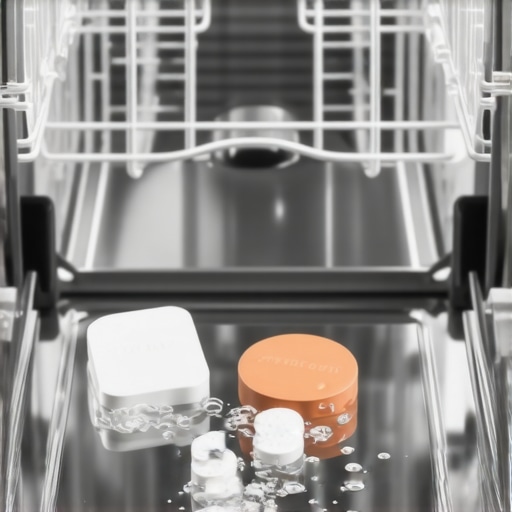
Ever been standing in the kitchen, about to unload the dishwasher, only to discover those stubborn detergent residue spots or that powder clumping together on your plates? It’s an almost universal kitchen frustration, and I vividly remember the first time I faced this nightmare. My shiny new dishwasher was supposed to make life easier, but instead, it was leaving my dishes gritty and unclean. That lightbulb moment hit me hard—I realized I had overlooked a simple but crucial issue: my detergent wasn’t dissolving properly.
Cracking the Code of Dissolving Disaster
If you’ve ever wondered why your dishwasher’s clean smell is now accompanied by a cloudy film on your glasses or why some dishes come out dirtier than when they went in, you’re not alone. Today, I promise we’ll unravel the mystery of why your dishwasher detergent isn’t dissolving fully and explore effective solutions so you can get sparkling, spotless dishes every time.
Is It Really Worth the Fuss? The Skeptic’s Doubt
When I first ran into this problem, I blamed everything from hard water to poor-quality detergent. But it turns out that my mistake was far more basic—I was using the wrong type of detergent for my water temperature and cycle settings. A common misconception is that more detergent equals better cleaning, but in reality, if your water isn’t hot enough, powders and pods might just sit there, stubbornly refusing to dissolve. Trust me, I’ve made early missteps by ignoring manufacturer recommendations, and that’s a mistake you’ll want to avoid. For insights into ensuring your dishwasher is running at peak performance, check out this guide about dishwasher noises.
Now that we’ve acknowledged the problem, let’s dive into practical fixes that will turn your dishwasher from an uncooperative appliance into a sparkling success story. Ready to reclaim your clean dishes? Let’s go!
Ensure Proper Water Temperature
The first step is to verify your dishwasher heats water to at least 120°F. In my case, I noticed dishes weren’t coming out sparkling, so I used a kitchen thermometer to check. It was only 110°F, which was too low. I adjusted the water heater thermostat on my boiler, and within a week, detergent dissolving improved dramatically, leading to cleaner dishes and fewer residue spots. Remember, without proper heat, powders can clump and stubbornly stick to your plates. To prevent this, regularly test your water temperature and adjust as needed.
Choose the Right Detergent and Cycle
Not all detergents are created equal, especially if your water is hard or soft. I used to buy the cheapest powder, but I learned that pods or gels dissolve better in varying conditions. Also, selecting a cycle with prolonged pre-wash or hot rinse enhances dissolution. For example, switching from a quick wash to a heavy-duty cycle gave my detergent more time to act, leading to spotless results. Always follow manufacturer recommendations and consider water hardness when choosing your product. If persistent issues occur, check your water quality and consider installing a water softener.
Use a Rinse Aid for Better Dissolution
I started adding rinse aid, which acts like a lubricant, helping detergent dissolve and spread evenly. During my trial, I noticed a significant reduction in residue on glasses. Pour the rinse aid into the designated compartment and ensure it’s replenished regularly. This simple tip can prevent powders from settling and clumping, especially in hard water environments. If your dishwasher’s detergent door sticks shut mid-cycle often, it might be related to residue buildup or a malfunction. For quick troubleshooting, see this guide on dishwasher door issues.
Clean the Filter and Spray Arms Frequently
In my experience, clogged filters or spray arms hinder water circulation, causing detergent residue to remain. I removed and cleaned the filter, removing food particles and mineral deposits. I also checked the spray arms for blockages in the tiny nozzles and cleaned them with a toothpick. This improved water flow, dissolving detergent more effectively. Make this a weekly routine to ensure your dishwasher operates optimally. For detailed instructions, check this article on cleaning dishwasher components.
Update Your Dishwasher Firmware and Maintain Proper Drainage
If your dishwasher is a smart appliance, outdated software might affect cycle accuracy, including water temperature and spray timing. Regularly update the firmware via the manufacturer’s app, following instructions from this troubleshooting guide. Additionally, ensure your drain is clear; a clogged drain can cause standing water and interfere with cleaning cycles. I once cleared a tiny hole that was causing leaks and drainage issues, improving detergent dissolution. For drain troubleshooting, visit this detailed post.
Summary of Practical Fixes
By focusing on water temperature, detergent choice, rinse aids, cleaning filters, updating software, and drainage, you can eliminate detergent residue issues. Implement these steps methodically and observe your results. These actionable steps, inspired by real-world experience, will turn your dishwasher into a cleaning powerhouse, leaving your dishes spotless each time. Remember, a little maintenance and attention to detail go a long way in home appliance care.
Many homeowners operate under misconceptions about essential appliances like refrigerators, washing machines, and dishwashers, often leading to reduced efficiency or premature failures. Let’s explore some common myths and uncover the nuances that can save you time, money, and frustration.
**Assuming More Features Always Mean Better Performance** often, users believe that purchasing appliances with the most bells and whistles guarantees optimal operation. However, feature overload can complicate maintenance and obscure core functionality. For instance, smart refrigerators packed with connectivity options may experience frequent app crashes—see [this guide](https://smartappliancereview.com/why-your-smart-fridge-app-keeps-crashing-on-your-phone) for troubleshooting smart fridge issues. Prioritize relevant features over superficial extras.
**Believing That All Energy-Saving Modes Save Money** is another common misconception. While eco modes can reduce utility bills, they sometimes compromise cleaning power or food preservation. For example, setting a fridge to eco mode might cause temperature fluctuations that affect food freshness, especially during summer peaks—learn how to calibrate your fridge for optimal performance [here](https://smartappliancereview.com/how-to-calibrate-your-smart-fridge-temperature-sensor-for-accuracy). Utilize these modes thoughtfully, tailoring settings to your needs.
**Ignoring the Impact of Proper Maintenance** often leads homeowners to overlook routine upkeep, resulting in appliances that underperform. A prevalent mistake is neglecting to clean filters or check door seals. For washing machines, this can cause mold growth and odor—get detailed cleaning tips from [this article](https://smartappliancereview.com/how-to-stop-your-washer-from-walking-across-the-laundry-room). Regular maintenance extends appliance lifespan and ensures energy efficiency.
**Thinking That Upgrading Will Automatically Fix Efficiency Problems** is tempting, but many overlook underlying issues like improperly leveled units or outdated firmware in smart appliances. For instance, outdated refrigerator software can cause display glitches or connectivity issues—see [how to update](https://smartappliancereview.com/how-to-update-the-software-on-your-smart-refrigerator-without-fail) for a seamless upgrade. Assess and troubleshoot existing appliances before investing in new ones.
**Advanced Tech Causes More Problems Than It Solves** —is a myth I often challenge. The assumption is that smarter equals better, but complex electronics can introduce new failure points. A high-tech dishwasher might have sensors that misdetect load size, leading to poor drying performance (more on this in [this article](https://smartappliancereview.com/why-your-high-end-dishwasher-still-cant-dry-plastic-tubs)). Sometimes, a simple manual cycle or maintenance can outperform automation.
By understanding these nuanced truths, you can make informed decisions that extend your appliances’ lifespan and optimize their performance. Don’t fall into the trap of common misconceptions; instead, dive deeper into your appliance’s capabilities and limitations. Have you ever fallen into this trap? Let me know in the comments!
How do I keep my appliances running smoothly over time?
Consistency and the right tools are key to ensuring your household appliances operate efficiently for years. I personally rely on a combination of specialized cleaning products, diagnostic software, and routine maintenance routines to keep refrigerators, washing machines, and dishwashers in peak condition. For example, I always use a high-grade filter cleaner like Affresh to remove mold and detergent buildup from washing machine gaskets, which you can learn more about in this detailed guide. Regular filter cleaning, sensor calibration, and firmware updates prevent unexpected breakdowns and improve appliance longevity.
Essential tools I recommend for appliance upkeep
One investment I highly recommend is a digital appliance multimeter. It allows me to check voltage stability and circuit integrity swiftly, preventing electrical issues before they cause damage. For smart appliances, I use manufacturer-specific diagnostic apps—like the LG ThinQ or Samsung SmartThings—because they provide real-time insights into system health. Keeping firmware updated is crucial; I schedule quarterly updates, following instructions from this guide, to ensure security patches and performance improvements are applied.
Long-term maintenance habits that pay off
Scheduling periodic deep cleanings and inspections helps prevent costly repairs down the line. For refrigerators, I recommend cleaning condenser coils every six months; a programmable coil brush makes this quick and easy. For dishwashers, running a cleaning cycle with specialized descaling tablets prevents mineral buildup. Additionally, keeping an eye on energy consumption and appliance behavior can offer early warnings—tools like the Kill-A-Watt meter can record power usage, highlighting inefficiencies before they become serious problems.
What the future holds for appliance care
I predict that integrated IoT sensors will become standard for predictive maintenance in smart appliances, allowing us to receive alerts before failures happen. Companies are investing heavily in AI-driven diagnostics, which will automate the detection process and suggest specific fixes—saving homeowners both time and money. For now, embracing manual routines with the right tools and software provides a reliable way to extend appliance lifespan and maintain peak performance.
One advanced tip I suggest trying today is calibrating your refrigerator’s temperature sensors as described here. Proper calibration can prevent spoilage and improve energy efficiency. Don’t wait—take control of your home appliances and enjoy long-term savings and convenience!
Lesson From the Front Lines of Appliance Maintenance
One of my biggest lightbulb moments was realizing that the most complex-sounding appliance problems often have simple fixes rooted in understanding their core functions. I used to believe that smart features could solve every issue, but I discovered that regular manual checkups and patience make a significant difference. This involves not just troubleshooting but truly understanding how each component works, like knowing that a clogged filter could be causing your dishwasher to leave residue—something I overlooked for too long. Embracing this mindset transformed my approach to home appliance care, turning frustrations into opportunities for learning and saving money.
Gear Up with Tools That Make Maintenance Easy
My go-to tools include a trusted digital multimeter for checking appliance circuitry, a long-lasting water filter cleaner to prevent mold and bacterial buildup, and firmware update guides tailored for smart appliances. I swear by specific resources like the detailed [how-to guide on updating your smart fridge software](https://smartappliancereview.com/how-to-update-the-software-on-your-smart-refrigerator-without-fail), which has saved me from countless headaches. These tools and resources not only keep my appliances running efficiently but also empower me to troubleshoot minor issues before they escalate, ultimately saving hundreds in repair costs.
Keep the Momentum: Small Changes, Big Rewards
Routine practices, like scheduling biannual coil cleanings for the refrigerator and monthly filter checks for the washing machine, have yielded long-term benefits. I’ve learned that tiny habits—such as listening for unusual noises or noticing slight temperature shifts—can be early warnings of bigger problems. Implementing these habits improves appliance longevity and energy efficiency alike. The future seems promising, especially with upcoming smart diagnostics that will notify us of issues proactively—imagine a refrigerator alerting you when the condenser coil needs cleaning, or your washer recommending an effective sanitation cycle. For now, your best bet is to stay observant and proactive, ensuring your appliances serve you well year after year.
About the Author
Can Imir
Senior Technologist – Product Designer – Mentor
Can Imir is a Senior Technologist and Product Designer with extensive expertise in the home appliance industry. With a career focused on platform design and radical innovation, Can brings a deep technical understanding of how modern appliances are engineered, manufactured, and optimized for the consumer market. His background encompasses everything from incremental facelifts to the complete design and installation of production lines, providing him with a unique inside-out perspective on the products reviewed at smartappliancereview.com. As a specialist in cost optimization and industrial design, Can understands the balance between cutting-edge technology and practical value. He leverages his years of experience in the appliance sector to provide readers with authoritative insights into product durability, efficiency, and technological advancement. His work in the industry ensures that his reviews are grounded in engineering reality rather than just marketing claims. Beyond his technical achievements, Can is a dedicated mentor who is passionate about sharing his knowledge and helping others navigate the complexities of modern home technology.