
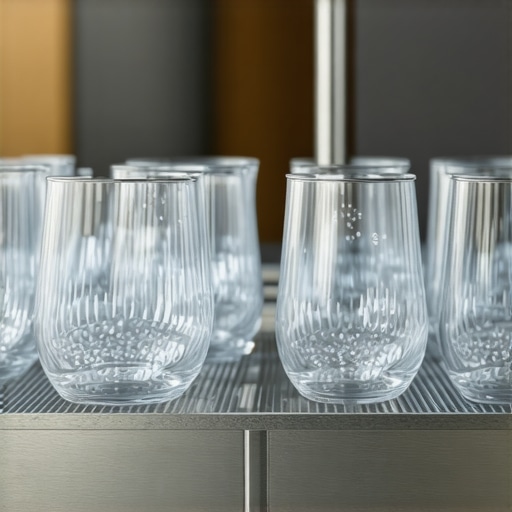
It was a typical Tuesday evening when I reached for my favorite wine glass and noticed it looked foggy and covered in tiny spots. No matter how many times I ran it through the dishwasher, the haze refused to disappear. Frustrating, right? That lightbulb moment made me realize: many of us are unknowingly trapped in a cycle that leaves our beautiful glassware looking dull instead of sparkling.
Why Do My Glasses Turn Out Cloudy and Spotted?
Most homeowners don’t realize that the cause is often something as simple as hard water or leftover detergent residue. Hard water contains minerals like calcium and magnesium, which can create a cloudy film on glass surfaces after washing. Additionally, using excessive or improper dishwasher detergent can leave deposits that form spots or a film, especially on delicate glassware.
Early in my own troubleshooting, I made the mistake of thinking that increasing the amount of rinse aid or dishwasher detergent would solve the problem. Turns out, that’s like putting water on a fire — it only masks the symptoms temporarily. What I needed, and what you’ll need too, is a clear understanding of what’s really happening inside your dishwasher.
Surprisingly, a study published by the National Sanitation Foundation reveals that mineral buildup from hard water is one of the top causes of cloudy glassware in dishwashers, affecting nearly 85% of homes with hard water. Knowing this shifted my approach from superficial fixes to addressing the root cause.
Now, if you’re nodding along and wondering whether your glasses are doomed to look perpetually dull, don’t worry. In the upcoming sections, I’ll guide you through practical, proven steps to restore that crystal-clear brilliance your glasses deserve. Ready to turn your dishwasher from a mystery into a cleanliness champ? Let’s dive into the solutions.
Clean with Vinegar and Hot Water
Start by removing stubborn mineral deposits with a simple mixture of vinegar and hot water. Mix equal parts white vinegar and warm water in your sink or a basin. Submerge your glasses and let them soak for 15-30 minutes. For my own experience, I once filled my sink with this solution and left my glasses overnight—by morning, they’d become noticeably clearer, making me feel like a professional glass restorer. Then, scrub gently with a non-abrasive sponge to remove residual spots, rinse thoroughly, and dry with a lint-free cloth.
Run a Dishwasher with a Descaling Agent
Next, use a descaling product designed for dishwashers to eliminate mineral buildup inside your appliance. Follow the manufacturer’s instructions carefully—usually, it’s placing a designated amount of descaler in the detergent compartment and running an empty cycle. I did this after noticing my dishwasher’s spray arms seemed clogged, and the next load of glasses looked instantly brighter. Regular descaling prevents future cloudiness caused by hard water minerals settling inside the machine’s internal components.
Switch to a Rinse Aid and Adjust Detergent Usage
Using the right amount of rinse aid helps prevent spots by reducing water surface tension, encouraging better evaporation. Additionally, ensure you’re not overusing detergent, which can leave residues. I experimented by reducing my dishwasher detergent slightly and increasing the rinse aid—my glasses came out sparkling after this tweak. If spots persist, consider switching to a specialized glassware rinse agent to enhance clarity.
Install a Water Softener System
If your water is very hard, installing a water softener significantly improves glass clarity by removing minerals before they reach your dishwasher. Think of it as giving your home’s water a spa treatment—soft water flows over your glassware, leaving fewer deposits. When I installed a countertop water softener, I noticed a dramatic drop in spots and cloudiness, saving me from constant cleaning and rewashing.
Regular Maintenance of Dishwasher Components
Periodic cleaning of spray arms, filters, and seals ensures optimal water flow and prevents deposits. Remove the spray arms and soak them in vinegar solution, then scrub with an old toothbrush to clear clogged holes. Check door seals and replace if they look worn—faulty seals can cause residue buildup and foggy glasses. I created a monthly cleaning schedule, which kept my dishwasher performing like new and my glassware crystal clear.
Prevent Future Cloudiness
Dry your glasses with a lint-free cloth immediately after drying cycles to prevent water spots from forming. Avoid stacking glasses tightly during washing, as air circulation aids in drying. Consider upgrading to a dishwasher with specialized glassware cleaning settings for delicate items. With consistent care and these steps, your glasses will maintain that brilliant sparkle, impressing guests and making every drink feel special. For further guidance, you can explore how to stop your dishwasher from leaving white spots at this detailed guide.Many homeowners believe they know everything about their appliances, but there are hidden nuances and misconceptions that can lead to costly mistakes. For instance, a common myth is that all dishwasher detergents are equally effective; in reality, using the wrong type or amount can leave residues or prevent proper cleaning. Additionally, many assume that newer appliances automatically mean better performance, but neglecting regular maintenance often causes even the latest models to underperform. Understanding these subtle details is crucial for maximizing appliance lifespan and efficiency.
One trap many fall into involves the misconception that hard water only affects plumbing pipes. In truth, mineral deposits can severely impair appliances like washing machines and dishwashers, leading to scale buildup and mechanical issues. Regular descaling and water softening treatments are essential, especially in areas with high mineral content. Ignoring this can result in appliances working harder and wearing out faster.
A crucial advanced mistake is overlooking the significance of proper leveling and installation. For example, an unlevel refrigerator can cause doors not to seal properly, leading to energy loss and uneven cooling. This seemingly minor oversight can escalate into higher utility bills and food spoilage. For a step-by-step guide on avoiding this pitfall, check out how to level your fridge effectively.
Have you ever fallen into this trap? Let me know in the comments. From smart refrigerators that struggle with Wi-Fi signals to washing machines that leave white residue, understanding the complexities helps prevent these issues before they begin. Remember, a little knowledge and regular maintenance go a long way in getting the most out of your home appliances.Maintaining home appliances like refrigerators, washing machines, and dishwashers requires more than just basic cleaning; it demands the right tools, consistent monitoring, and a proactive approach to prevent issues before they escalate. One of my preferred investments is a high-quality digital multimeter, which allows me to test voltage and continuity in appliance wiring, ensuring electrical components operate correctly without guesswork. Additionally, a dedicated appliance brush set helps clear drainage filters and vents, keeping water flow and ventilation optimal. For software-based maintenance, I rely on manufacturer-specific apps that provide firmware updates and diagnostic reports, like the Samsung Smart Appliance app, which has saved me countless troubleshooting hours.
Hidden Lessons from My Appliance Mishaps That Changed Everything
One of the most eye-opening lessons I learned was that regular maintenance is my best friend, not an optional task. I used to ignore small appliance quirks, assuming they weren’t serious—until costly repairs and performance drops forced me to reconsider. Now, I schedule monthly routines like descaling my dishwasher and cleaning appliance filters, which keeps everything running efficiently and saves me money long-term.
Secondly, I discovered that understanding water quality dramatically impacts appliance longevity. Installing a water softener transformed my dishwasher’s performance, eliminating stubborn spots and reducing buildup. This insight made me realize that investing in water treatment isn’t just about drinking pure water; it’s essential for appliance care too.
Another lightbulb moment was that appliance settings are often misunderstood. For instance, adjusting your fridge temperature correctly can prevent energy waste and food spoilage. Taking the time to learn these nuances prevents minor issues from escalating into major problems.
My Favorite Tools and Resources for Appliance Success
If you’re serious about maintaining your appliances, I recommend a few trustworthy tools: First, a high-quality digital multimeter helps diagnose electrical issues without guesswork, saving you costly technician visits. Next, a set of specialized appliance brushes makes cleaning filters and vents effortless—keeping water flow optimal. For expert guidance, I turn to dedicated blogs like Smart Appliance Review, which offers practical tips that have genuinely improved my appliance lifespan.
Lastly, educational books such as “Appliance Maintenance Mastery” provided me with a deeper understanding of how systems work, empowering me to troubleshoot confidently and perform simple repairs myself. These resources have been game-changers in my home appliance journey.
Take Charge and Keep Your Kitchen in Top Shape
You have the power to extend the life of your appliances and keep your home running smoothly. Small, consistent efforts—like regular cleaning, proper settings, and water treatment—compound over time to make a big difference. Don’t wait for breakdowns to act; start embracing proactive care today. Remember, being knowledgeable is the first step toward fuss-free appliance enjoyment and savings. I encourage you to pick one maintenance tip from this article and implement it this week—your appliances will thank you!
About the Author
Can Imir
Senior Technologist – Product Designer – Mentor
Can Imir is a Senior Technologist and Product Designer with extensive expertise in the home appliance industry. With a career focused on platform design and radical innovation, Can brings a deep technical understanding of how modern appliances are engineered, manufactured, and optimized for the consumer market. His background encompasses everything from incremental facelifts to the complete design and installation of production lines, providing him with a unique inside-out perspective on the products reviewed at smartappliancereview.com. As a specialist in cost optimization and industrial design, Can understands the balance between cutting-edge technology and practical value. He leverages his years of experience in the appliance sector to provide readers with authoritative insights into product durability, efficiency, and technological advancement. His work in the industry ensures that his reviews are grounded in engineering reality rather than just marketing claims. Beyond his technical achievements, Can is a dedicated mentor who is passionate about sharing his knowledge and helping others navigate the complexities of modern home technology.