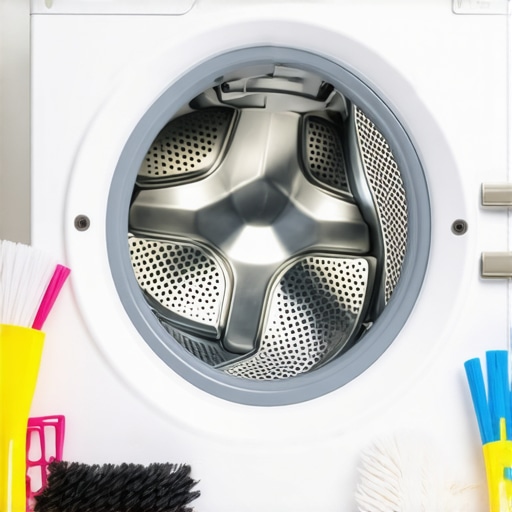
4 Ways to Clean Your 2026 Washer’s Clogged Microplastic Filter
Ever stood in front of my washing machine, watching it struggle with that weird, sluggish spin or that faint, perplexing odor, and thought, “What on earth is happening?” That was me just a few months ago. I had invested in the latest smart washer, expecting seamless, eco-friendly cleaning—only to face unexpected hiccups. Then I realized: my machine’s microplastic filter was clogged, and I had no idea how to fix it. It was a lightbulb moment that changed everything.
The Importance of a Clean Microplastic Filter
Many folks overlook the tiny microplastic filter inside their washer. Yet, this unsung hero plays a crucial role in catching fibers shed during wash cycles. When it gets blocked, not only does your washer work harder, but it can also release microplastics into your water system, contributing to environmental pollution. According to a recent study, the average American household’s washing machine releases over 700,000 microfibers into wastewater during a single cycle—a staggering number that underscores why this filter needs attention.
Now, I’m here to share the four effective ways I found to unblock and maintain this small but mighty component. Whether you’re dealing with slow draining or persistent odors, these tips will restore your washer’s performance and help keep your home—and the planet—clean.
Is Cleaning the Microplastic Filter Actually Worth It?
I admit, at first, I dismissed this task as unnecessary maintenance. I thought, “It won’t get that dirty, will it?” But early on, I made a mistake I see many beginners make: I only checked the filter when problems arose, which usually meant a major blockage had already formed. Regular cleaning is simple and prevents costly repairs down the line. Trust me, neglecting this small chore is like ignoring the warning signs on your health—delaying the fix only multiplies the trouble.
Let’s dive into these proven methods, starting with the easiest and most effective, so you can keep your washing machine running smoothly and eco-conscious.
Locate the Filter — Your First Move
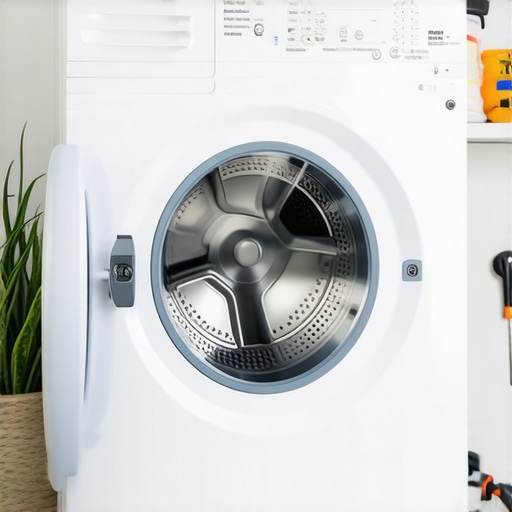
Start by unplugging your washing machine to ensure safety. Find your machine’s microplastic filter — typically located at the front bottom panel or behind a small door. If your washer is like mine, it’s a small round or rectangular hatch that you can open with your fingers or a flat-head screwdriver. I recall the first time I did this; I jarred a bit when the filter popped out, spilling collected fibers. Prepare a shallow tray or towel below to catch any residue.
Remove and Inspect the Filter — Clear Out the Blockage
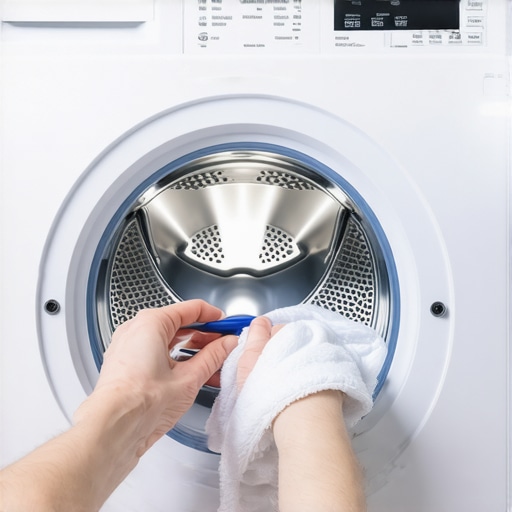
Unscrew or gently pull out the filter, depending on your model. Examine the filter for lint, debris, or accumulated microfibers — it will look like a small mesh or screen. My filter had a thick layer of fibers resembling a mini wool sweater. Soaking it in warm water with a bit of vinegar for 10 minutes helps loosen stubborn gunk. Use a soft brush or an old toothbrush to scrub away the fibers from the mesh. Remember, a clean filter is vital for efficient water flow and to prevent microplastic shedding.
Tip:
If you want to see how clean your filter should be, check out this review for models with advanced filtering systems that minimize microfiber release.
Flush and Reassemble — Ensure No Residue Remains
After cleaning, rinse the filter thoroughly to remove any remaining debris. Run warm water over it until the mesh is clear. Before reinstalling, check the filter housing inside the machine for any leftover lint or fibers. Use a damp cloth or small brush to tidy the surrounding area. Reinsert and secure the filter as per your machine’s instructions, ensuring it sits flush and tight to prevent leaks. Plug your washer back in, and run a short cycle to verify everything is sealed and functioning properly.
Set a Maintenance Routine — Keep Microplastics in Check
To prevent future blockages, include microplastic filter checks in your regular chores—once a month is ideal. A quick look during laundry day ensures no dense buildup occurs, which can strain your washer and increase environmental pollution. Regular cleaning also helps your machine run efficiently, saving energy and prolonging its life. For appliances like dishwashers and refrigerators, proper maintenance routines are equally crucial, and you can explore detailed tips at this guide or that article.
Many homeowners operate under common assumptions about smart appliances that can inadvertently hinder their efficiency or even cause damage. One prevalent myth is that newer, high-tech features automatically mean better performance in appliances like washing machines, refrigerators, or dishwashers. However, in my experience, digital sophistication doesn’t always equate to user-friendliness or reliability. Sometimes, these advanced features can introduce unforeseen glitches or complexities, especially if users aren’t fully trained or aware of nuanced settings.
Another frequent misconception is that all smart appliances are self-maintaining or require minimal user intervention. The truth is, these devices often depend heavily on proper calibration, firmware updates, and tailored settings to perform optimally. Neglecting these nuances can result in issues like uneven cleaning, inefficient energy use, or premature component wear. For instance, overlooking the importance of calibrating your fridge’s temperature sensors can lead to inaccurate readings, causing food spoilage or excessive energy consumption. According to a recent study, regular maintenance routines tailored for smart devices significantly extend their lifespan and effectiveness.
What sophisticated adjustments do I need to make for my smart appliance to operate at peak efficiency?
One advanced mistake I frequently see users make involves misconfiguring smart features that interact with your home’s Wi-Fi or energy grid. For example, enabling eco modes without understanding their impact on cycle times can lead to longer wash cycles or incomplete cleaning. Moreover, over-reliance on auto-diagnostics can be counterproductive if users don’t interpret or respond to alerts appropriately. I recommend familiarizing yourself thoroughly with the device’s manual or consulting expert tips—such as this guide on fridge AI settings—to prevent missteps.
Finally, be cautious of the trap of believing that a digital interface always guides you correctly. Despite their sleek designs, sometimes these interfaces can display false errors or hide critical info behind convoluted menus. This is where expertise comes into play: knowing which indicators truly matter and recognizing when to seek professional help can save significant time and costs.
Have you ever fallen into this trap? Let me know in the comments. Remember, understanding the nuances behind smart appliances shifts you from a passive user to an empowered one, ensuring these devices serve you better and last longer.
Invest in the Right Maintenance Tools
To ensure your smart appliances perform reliably over the long term, having precision tools is a game-changer. I personally rely on a high-quality, magnetic micro-fiber filter cleaner, which allows me to gently remove debris without damaging delicate mesh parts in devices like washers and refrigerators. Additionally, a digital infrared thermometer helps me monitor appliance temperature variations, catching issues before they escalate. For instance, when my fridge’s temperature fluctuated unexpectedly, the thermometer pointed me toward a faulty sensor, prompting a timely replacement.
Another indispensable tool is a USB-connected firmware updater. Modern appliances often update their software via Wi-Fi, but manual updates ensure you’re running the latest stable versions, like with my dishwasher’s eco-sensor system. Keeping firmware current is vital to prevent glitches and improve features, as recommended by appliance manufacturers’ official tech docs.
Utilize Industry-Grade Cleaning Products
Maintaining appliance hygiene is crucial for long-term success. I recommend using descaling solutions specifically formulated for home appliances, such as citric acid-based descalers for dishwashers and coffee machines. These remove mineral buildup that can impair sensors or mechanical parts. For example, cleaning your refrigerator’s condenser coils monthly with a coil brush prevents overheating and prolongs compressor life. These low-cost tools and solutions significantly boost efficiency and are worth the investment.
Prioritize Software Monitoring and Automation
Leveraging specialized software enhances your maintenance routine. I use appliance-specific dashboard apps—like the LG ThinQ or Samsung SmartThings—that send proactive alerts for filter replacements, firmware updates, or irregular performance patterns. These apps analyze usage data and help me schedule smart maintenance tasks at optimal intervals, reducing manual checks. Over time, this automation learns your habits, allowing the system to suggest preventive actions that save both time and money.
Set Up a Long-Term Maintenance Schedule
Consistency is key. I recommend maintaining a detailed calendar or digital reminder system—like Google Calendar—to perform specific tasks monthly or quarterly. For example, I schedule bi-monthly cleaning of my washing machine’s microplastic filter and quarterly check-ins on the water inlet valves. This disciplined approach prevents minor problems from snowballing into costly repairs and keeps appliances running at peak potential. Regular maintenance routines also enable you to spot early signs of wear, ensuring your appliances deliver long-lasting performance.
Prediction: The Future of Appliance Maintenance
Looking ahead, I believe IoT advances will make appliance upkeep even more intuitive. Imagine predictive analytics integrated with home systems that alert you to potential failures days before they occur, minimizing downtime. As connectivity improves, appliances will automatically schedule maintenance with authorized technicians, reducing user effort and preventing disasters. This trend aligns with the broader shift towards smarter, self-sufficient homes—exemplified by innovations like the Matter protocol, which aims to unify device interoperability and proactive maintenance, as discussed in this article.
Ask Yourself: How Do I Sustain My Appliances for Long-Term Success?
The best approach is to combine high-quality tools with disciplined routines. Start by investing in a dedicated filter brush and digital thermometer, then set reminders for regular cleaning. Don’t forget to leverage appliance apps to track performance and receive maintenance alerts. Take one step today—perhaps by scheduling your next filter check—to keep your home running smoothly. Implementing these methods now will save you time, money, and frustration in the future.
Over the course of my journey with smart appliances, I uncovered some surprising truths that transformed how I care for my home tech. One of the most profound lessons was recognizing the power of diligent microplastic filter upkeep—something I once overlooked entirely. This small routine not only extended my appliances’ lifespan but also played a significant role in reducing environmental impact, making me feel more connected to the bigger picture of sustainable living.
Lessons that Changed My Approach to Smart Home Care
- The Devil Is in the Details: Regularly inspecting and cleaning microplastic filters proved to be a game-changer in preventing blockages and microfiber release, which often go unnoticed. The moment I started paying attention, my machines ran smoother and longer.
- Myths vs. Reality: I used to believe that advanced smart features auto-managed maintenance. The truth is, manual checks and routine cleaning are still essential to unlock their full potential, especially with microplastic filters.
- Preventative Action Saves Money: Addressing small issues early, like clean filters, avoided costly repairs down the line and kept my appliances operating efficiently, saving energy and resources.
Tools and Resources That Make Maintenance Easier
- Smart Washer Microfiber Filters: Investing in a high-quality cleaning brush designed for filters simplifies debris removal and ensures thorough cleaning without damaging delicate parts.
- Smart Appliance Monitoring Apps: These apps help track maintenance schedules, send alerts, and provide tips, making routine care straightforward and integrated into daily life.
- Firmware Updates: Keeping your appliance’s software current ensures optimal performance and minimizes glitches that can lead to inefficiencies or microplastic leakage.
Embrace the Power of Proactive Care
Your smart appliances are smarter when you take the time to understand and maintain their hidden features, like microplastic filters. This small act of regular attention can significantly enhance your appliances’ performance, durability, and environmental friendliness. Imagine a home where every component works flawlessly—just like mine now, thanks to this simple yet profound routine.
Are you ready to start your microplastic filter maintenance routine and unlock your appliances’ full potential? Small steps today pave the way for a smarter, cleaner, and more sustainable home tomorrow.
What part of your appliance maintenance routine do you think could make the biggest difference? Share your thoughts below!
,
![Why Your 2026 AI Washer Won't Spin [Easy 3-Minute Fix]](https://smartappliancereview.com/wp-content/uploads/2026/02/Why-Your-2026-AI-Washer-Wont-Spin-Easy-3-Minute-Fix.jpeg)
![3 New 2026 Washers That Sanitize Without High Heat [Review]](https://smartappliancereview.com/wp-content/uploads/2026/03/3-New-2026-Washers-That-Sanitize-Without-High-Heat-Review.jpeg)