5 2026 Dishwasher Habits That Actually Kill Your Pump
I vividly remember that moment of frustration: a dishwasher that refused to drain, leaving behind a puddle in my kitchen, like a mini swimming pool for bugs. It was the kind of home appliance failure that makes you question everything—especially when you’ve invested in the latest smart tech. That lightbulb moment led me down a rabbit hole of habits and misconceptions that could silently sabotage your dishwasher’s pump, leading to costly repairs and endless headaches.
If you’ve ever faced a stubbornly clogged dishwasher or suspiciously noisy operation, you know how disheartening it can be. Today, I want to share with you the five habits I’ve learned to avoid to keep that vital pump running smoothly and extend the life of your machine. Believe me, I’ve made my fair share of mistakes early on—like using harsh chemicals or ignoring minor leaks—and paid the price. But now, with a bit of knowledge, maintaining your dishwasher’s pump is straightforward, and I promise, manageable.
Why Your Dishwasher Pump Might Be Giving Up Too Soon
Your dishwasher’s pump is the unsung hero, ensuring water flows in and out as needed. Yet, it’s surprisingly vulnerable to simple mistakes that clip its lifespan. For example, overloading the machine or ignoring filters can lead to debris buildup, putting undue stress on the pump. The good news? Most of these issues are preventable with some straightforward habits.
Now, you might wonder—are these habits really that damaging? Well, according to appliance experts, neglecting regular maintenance and misusing features can significantly accelerate wear and tear on key components like the pump. It’s like ignoring the oil change in your car; eventually, something’s going to seize up.
Have you ever experienced a situation where your dishwasher suddenly started making strange noises or stopped draining altogether? If so, you’re not alone. Many homeowners unknowingly harm their pumps through these very habits. But don’t worry—I’ll walk you through the most common culprits and show how to avoid them.
For more tips on maintaining your appliances and preventing costly repairs, check out this insightful guide on fixing eco-sensor glitches that can also impact your dishwasher operation: Fix Your Dishwasher’s Eco Sensor in 3 Easy Steps.
Next, let’s dive into those pesky habits and why they are secretly damaging your pump—so you can keep your dishwasher healthy and your kitchen running smoothly.
Master the Art of Proper Loading
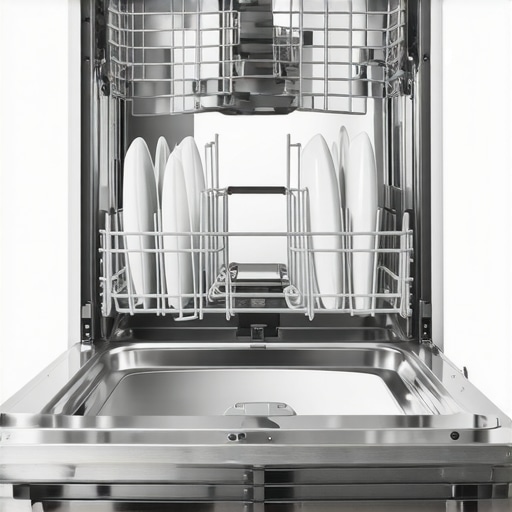
Always avoid overloading your dishwasher, which is akin to stuffing a suitcase with too many clothes—it strains the motor and pump, reducing efficiency and lifespan. During a kitchen renovation, I one day stacked dishes too high, causing the spray arms to clog and the pump to strain. After clearing the debris and reducing load size, the machine ran smoother, saving me future repair costs.
Learn the Right Way to Load
Arrange dishes to ensure water flow isn’t obstructed, keeping spray arms free from blockages. Use a test cycle to observe if water reaches all areas, confirming proper load placement.
Regularly Clear and Maintain Filters
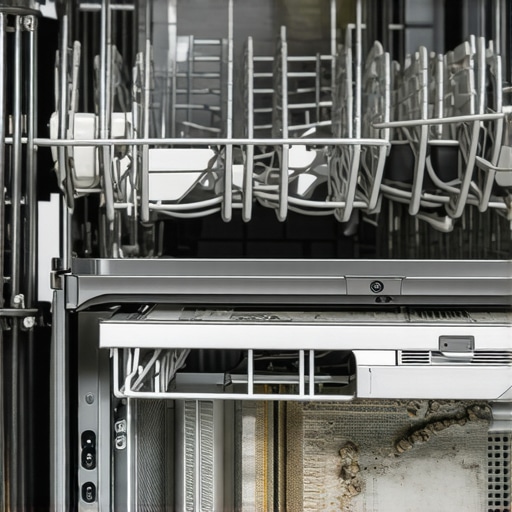
Filters trap debris that can clog the pump impeller—think of it as a coffee filter catching grounds; neglecting it leads to blockages. I once ignored my dishwasher’s filter for months until water drainage slowed. Cleaning it out restored performance immediately.
Schedule Monthly Filter Checks
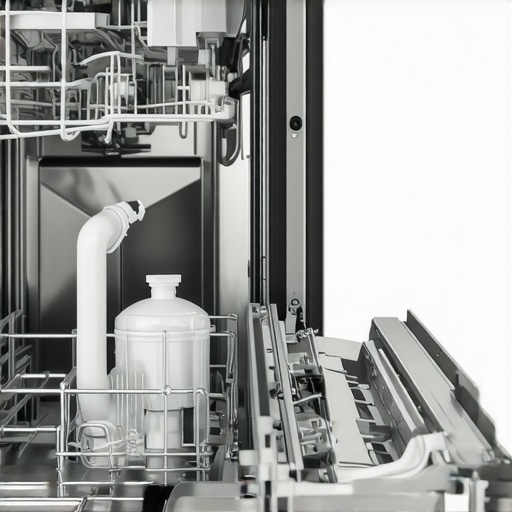
Remove and rinse filters with warm water, using a soft brush to dislodge stuck particles. This simple habit prevents debris buildup and extends pump life. For a deeper clean, check for mineral deposits or grime that could hinder water flow.
Use Suitable Detergents and Avoid Harsh Chemicals
Leveraging the wrong cleaning products can corrode or clog internal components—the home equivalent of using the wrong cleaning agent on delicate surfaces. I once used a heavily scented, abrasive cleaner and noticed my pump’s noise increased afterward.
Select the Right Detergent
Always opt for manufacturer-recommended detergents and avoid bleach or overly caustic substances. These can damage seals and impellers, leading to leaks or failure. Using gentle, appropriate products ensures longevity.
Timely Address Minor Leaks and Noisy Operation
Ignoring leaks or unusual sounds is like ignoring warning lights in a car—leads to bigger, costlier issues. I once dismissed a slight drip from my dishwasher, but over time it eroded vital parts, culminating in a complete pump replacement.
Inspect and Fix Issues Promptly
Check for leaks around door seals or hoses regularly, and listen for abnormal vibrations or humming. Address glitches immediately through troubleshooting guides or professional repairs, preventing damage escalation.
Be Mindful of Detritus and Foreign Objects
Objects like utensils or debris left on dishes can be sucked into the pump, causing damage. I learned this during a cleaning session when a small plastic piece was lodged in the impeller, hampering water flow. Removing such objects safeguards your machine.
Pre-Check and Remove Obstructions
Always scrape large food particles and remove foreign objects before loading. Using a basket or filter can trap these items, protecting the pump’s components from damage. Regular maintenance becomes a simple but powerful safeguard against failure.
Many homeowners believe they understand their appliances, but in reality, some of the most common misconceptions can lead to unnecessary repairs or reduced efficiency. For instance, a widespread myth is that modern appliances are entirely maintenance-free, yet the truth is that even smart devices require regular care to function optimally. Neglecting routine checks, like calibration or filter cleaning, can result in performance issues that are often mistaken for hardware failures. Additionally, there’s a tendency to assume that higher efficiency settings always yield better results—when in fact, overusing these modes without understanding their nuances can cause wear and tear.
Attention should also be given to the advanced features many appliances offer. For example, smart refrigerators with AI inventory management can be misunderstood as fully autonomous, but they still need proper setup and occasional monitoring to prevent glitches. This can be particularly critical because bugs in these systems might lead to incorrect cooling cycles or false alerts, affecting food preservation.
A common mistake among savvy users is relying solely on manufacturer’s recommendations without exploring additional expert insights. According to appliance specialists, understanding the intricacies of features like moisture sensors or variable spray pressures can significantly enhance device longevity and performance. For example, some smart dishwashers have eco-friendly cycles that are energy-efficient but may not remove stubborn residues unless combined with pre-rinsing or proper loading techniques.
Are you aware of how your appliance’s sensors might be misreading conditions and leading to inefficient operation? Advanced users should consider recalibrating or updating firmware regularly—it’s a small step that can prevent costly issues later. For example, a misaligned temperature sensor in a smart fridge can cause unnecessary defrost cycles, increasing energy consumption. Learning to identify such subtleties can save money and extend the lifespan of your devices.
Don’t fall into the trap of oversimplification—your appliances are complex systems that benefit from informed interaction. Have you ever fallen into this trap? Let me know in the comments.
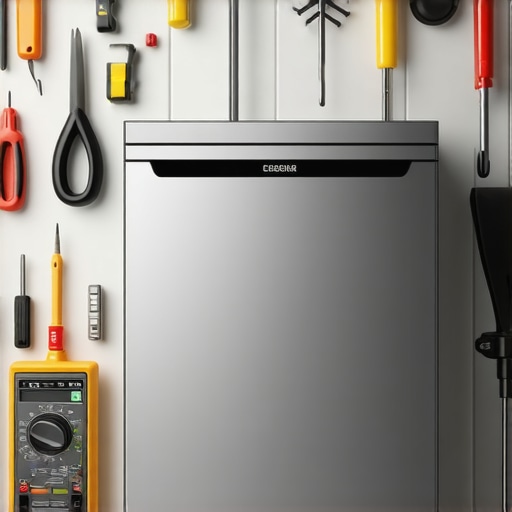
For more insights on optimizing your appliances, including how to troubleshoot sensor issues or smart mode glitches, check out guides like why your dishwasher leaves cloudy glasses or hidden fridge sensors causing power spikes. Being proactive with your appliance maintenance and understanding their advanced features will keep everything running smoothly and efficiently.Maintaining your home appliances, especially smart dishwashers, washing machines, and refrigerators, requires more than just basic cleaning—investing in the right tools and understanding specific procedures can significantly extend their lifespan and ensure optimal performance. One of my favorite tools is a digital multimeter, which I use to regularly check electrical continuity in components like control panels and sensors. Personally, I prefer the Fluke 115 because of its reliability and precision, allowing me to troubleshoot potential electrical issues early before they escalate. For software management, I recommend smart appliance diagnostics applications such as the manufacturer-specific apps that often come with Wi-Fi-enabled devices. These apps can run system checks, update firmware, and reset network settings, all from your smartphone, streamlining maintenance routines. For example, my Samsung SmartThings app allows me to monitor energy consumption and detect anomalies that could suggest underlying problems, making proactive upkeep easier.
Another invaluable technique is executing firmware recalibrations or resets, which many owners overlook. I regularly perform these using manufacturer instructions or specialized reset commands—often a simple combination of button presses—to resolve glitches that could lead to long-term damage. For instance, recalibrating my smart fridge’s temperature sensors through a factory reset protocol helped eliminate uneven cooling issues, preventing compressor strain. Moreover, incorporating a high-quality ultrasonic cleaner for small components like filters and spray arms can remove mineral deposits and debris that common cleaning methods might miss, especially in areas with hard water. This deep cleaning technique keeps internal components free of grime, reducing wear and energy use.
Looking ahead, I predict that appliance maintenance will become increasingly software-driven, with AI diagnostics and remote monitoring becoming standard, making appliance care more accessible and less technical. Some manufacturers are already integrating predictive analytics that alert you when a part is nearing failure, based on usage patterns. To stay ahead, I recommend setting up routine firmware updates and leveraging diagnostic tools—like the 7 AI dishwasher settings that slash power bills—to optimize performance proactively.
**How do I maintain home appliances over time?** Regularly running system diagnostic apps, performing firmware recalibrations, and using specialized cleaning tools like ultrasonic cleaners are key. For example, I swear by periodically updating my dishwasher’s firmware, which can fix bugs and improve efficiency, as detailed in expert troubleshooting guides. Also, don’t forget to document your appliance’s serial numbers and model data—these are essential when sourcing replacement parts or professional support.
If you haven’t already, try using a digital multimeter to check your appliance’s electrical connections or run a firmware update using your device’s app. This small step can prevent many costly repairs and keep your appliances running smoothly for years to come. To explore more about balancing DIY maintenance with professional service, check out this comprehensive guide on fixing eco-sensor glitches that can impact your dishwasher’s efficiency: Fix Your Dishwasher’s Eco Sensor in 3 Easy Steps.
Beyond the Basics: Secrets Only Experts Know About Your Appliances
One of the most surprising lessons I learned is that even high-tech smart appliances need attentive care—ignoring simple maintenance like cleaning filters or avoiding overloads can lead to unexpected breakdowns. A lightbulb moment for me was realizing that regularly recalibrating sensors, rather than just updating firmware, keeps systems performing at their best. I also discovered that understanding the nuanced features of smart modes can prevent unnecessary wear and tear—that eco-setting isn’t just about saving energy, but also about reducing strain on internal components. Lastly, I learned that small, consistent checks, such as inspecting door seals or listening for abnormal sounds, can save hundreds in repair costs and extend appliance life far beyond expectations.
My Go-To Gear for Appliance Wellness
Over the years, I’ve curated a set of tools that make appliance maintenance more effective. A high-quality digital multimeter, like the Fluke 115, helps me spot electrical issues early—trust me, catching a small voltage irregularity prevented my fridge compressor from failing prematurely. I also rely heavily on manufacturer diagnostics apps, which often provide deeper insights than basic reset buttons—these apps become your virtual assistant for troubleshooting. Deep cleaning gadgets, such as ultrasonic cleaners, have made a massive difference in removing mineral deposits from filters and spray arms, especially in hard water areas. Lastly, reliable replacement parts sourced from trusted vendors ensure that fixes are durable, not just quick patches.
Your Next Step: Keep Appliances Happy and Efficient
There’s a lot you can do today to boost your appliance’s lifespan—just a few proactive steps can change everything. Regularly updating firmware, using specialized cleaning tools, and staying vigilant about minor issues like leaks or strange noises are powerful habits. Remember, your appliances are complex systems that benefit from a mix of tech-savvy care and attentive observation. Sharing your experience or asking questions in the comments can help you discover new tips—what’s been your biggest challenge with keeping your dishwasher or fridge in top shape? Let me know below!
![Fix Your 2026 Dishwasher's Failed Zone-Wash Sensor [3 Steps]](https://smartappliancereview.com/wp-content/uploads/2026/03/Fix-Your-2026-Dishwashers-Failed-Zone-Wash-Sensor-3-Steps.jpeg)