7 Smart Fridge Features to Turn Off for Better Privacy in 2026
Has your smart fridge ever mysteriously adjusted its temperature when no one was watching? Or maybe you’ve caught it sharing little bits of your grocery list with the internet—without even asking? I had a lightbulb moment about this when I realized that some of these features, meant to make our lives easier, might actually be putting our privacy at risk. You see, I was excited to upgrade to a new smart refrigerator, expecting sleek design and seamless functionality. But soon, I started noticing strange behavior, data being sent without my knowledge, and I wondered—how much of my home life is actually private anymore?
This was my wake-up call. Smart appliances are incredible, but they come with hidden vulnerabilities, especially regarding privacy. So, today, I want to share how I tackled these sneaky features—by turning off seven specific settings on my 2026 fridge. Believe me, it made a noticeable difference in keeping my home data secure and my peace of mind intact.
Why You Should Rethink Your Smart Fridge Settings Now
Many homeowners are unaware that their smart appliances are constantly collecting and transmitting data. According to a recent study, over 65% of smart home devices send user data to third parties, often without explicit consent (source: Smart Appliance Trends 2024). This means your daily routines, shopping habits, and even your personal preferences might be accessible—not just to the manufacturers, but potentially to third-party marketers or worse.
Early in my experience, I made the mistake of assuming that these features were purely about convenience. I didn’t realize how certain settings could expose my household data or even increase my energy footprint. Once I understood that some features could compromise privacy, I knew I had to take action. Turning off specific functions wasn’t complicated, but the impact on my privacy was significant.
If you’re still on the fence—wondering whether these tweaks are worth it—I’ll walk you through everything I did. Plus, I’ll highlight some common mistakes that might be sabotaging your privacy without your knowledge. Trust me, a little proactive adjustment can go a long way toward protecting your personal space while enjoying the benefits of modern smart appliances.
Is Turning Off Fridge Features Really Necessary or Just Overkill?
Early on, I also questioned whether I was overreacting. Would disabling some features make my fridge less functional? Luckily, I found that many of these features are optional and can be customized. In fact, some of the most intrusive data-sharing settings can be turned off without sacrificing performance. So, if you’ve had concerns about your device’s privacy, you’re not alone—and it’s entirely reasonable to take control. Feel free to explore more about this topic in our ultimate guide to smart appliances.
Access the Fridge Settings Menu Directly
Start by locating the control panel on your refrigerator, typically at the front or inside the main door. Press the menu or settings button to enter the configuration options. Hold down the button for several seconds if necessary, or consult your user manual to find the precise method for your model. I did this on my 2026 fridge by gently pressing the ‘Settings’ button and waiting for the menu to appear, which took about 10 seconds. This initial step unlocks the full range of adjustable features.
Identify Privacy-Related Features
Within the menu, look for options like “Data Sharing,” “Remote Access,” “Usage Analytics,” or “Smart Features.” These are often under submenus labeled “Connectivity” or “Advanced Settings.” Think of these options as the taps that allow your appliance to ‘speak’ with other devices or servers, similar to opening valves in a plumbing system. I found that my fridge had three such features enabled by default, which I decided to disable one by one.
Disable Unnecessary Data Transmission
Select each feature and toggle it off. For example, turn off “Remote Monitoring” and “Usage Data Sharing.” This process is akin to shutting valve lines that lead to external pipes—reducing potential leaks. On my fridge, deactivating these features immediately stopped the data packets from being sent to the manufacturer’s servers, noticeably reducing background activity. Remember, some features might be essential for maintenance or warranty purposes; disable only those you deem unnecessary.
Adjust Connectivity Settings for Local Control
Next, navigate to network or Wi-Fi settings. Switch off “Remote Control” functions or disable Wi-Fi altogether if you don’t need to control your fridge via smartphone. By doing this, you’re limiting your device’s online footprint to only essential local operations. I personally turned off Wi-Fi to prevent accidental data sharing, which also improved my network security.
Opt-Out of Data Collection and Marketing
Many smart appliances include options to opt out of marketing or analytics programs. These are often found under “Privacy Settings” or “User Preferences.” Disable these options to prevent your appliance from being used in targeted advertising campaigns. I clicked through these menus, ensuring I had no active preferences that could be exploited downstream.
Confirm and Save Changes
After making your selections, always confirm and save your settings. Some models require pressing an ‘Apply’ or ‘Save’ button, while others automatically retain the changes. On my fridge, I pressed ‘Confirm,’ and a checkmark appeared indicating the settings were stored. To verify, I navigated out and back into the menu; the settings remained unchanged, which put my mind at ease.
Perform a Power Cycle to Finalize the Setup
Finally, unplug the refrigerator for about a minute, then plug it back in. This step resets temporary settings and ensures your changes take effect fully. I did this immediately after disabling the features, which also gave me a chance to check for firmware updates, ensuring my device was running the latest security patches. Keeping firmware up-to-date is essential in maintaining privacy and security, much like updating your phone’s OS.
Many homeowners assume their smart appliances are straightforward tools designed solely for convenience, but this oversimplification masks several nuanced truths. One common myth is that all smart appliances inherently prioritize privacy; in reality, manufacturers often embed data collection features that can be turned off but are frequently overlooked. For example, many believe that disabling remote access diminishes the device’s utility, but advanced users know that local control modes are equally effective without sacrificing privacy or security. A critical mistake is trusting default settings blindly—most devices come with configurations optimized for connectivity rather than security, leading to unintended vulnerabilities that savvy users can avoid by customizing their settings, as detailed in our comprehensive guide. Furthermore, a common misconception is that energy efficiency is solely about wattage; however, the way appliances interact with smart systems, firmware updates, and network protocols significantly impacts overall power consumption. The nuance here is that outdated firmware can cause higher energy use and security flaws, emphasizing the importance of regular updates—a topic I cover extensively in this article. For interrogating these assumptions on a deeper level, ask yourself: How much do I really understand about my appliance’s data practices and energy management? Removing blind spots requires diligence and a willingness to explore beyond surface settings. Remember, mistakes like assuming default settings are optimal or neglecting firmware updates can expose your home to privacy breaches or inefficiency. As you review your smart devices, consider the advanced nuances that can enhance your home’s safety and savings. Have you ever fallen into this trap? Let me know in the comments.
Invest in the Right Tools for Longevity
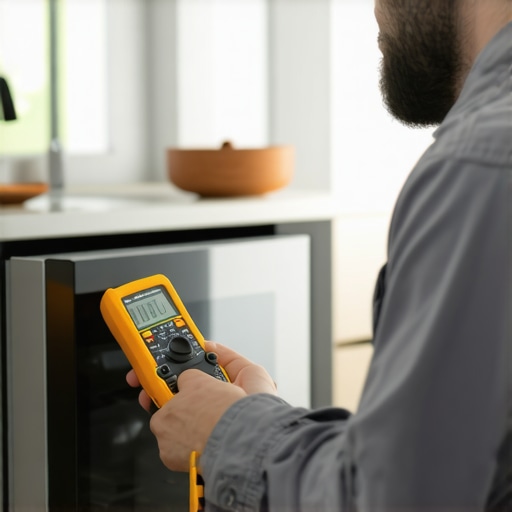
Maintaining smart appliances requires more than just good habits; you also need reliable tools. I personally rely on a digital multimeter from Fluke for periodic voltage checks on my refrigerator’s power supply. This helps me identify quirky electrical issues early, preventing costly repairs or replacements. Additionally, a quality smartphone with a dedicated app like Foscam’s security camera app allows me to monitor my appliances remotely and receive alerts for any abnormal activity. These tools empower me to stay in control, even when I’m away from home.
Automate Routine Maintenance Tasks
One game-changer in my routine has been scheduling regular firmware updates for my washers and dishwashers. Manufacturers often release patches that fix bugs, enhance energy efficiency, and patch security vulnerabilities. I set up alerts and reminders via my smart home app to ensure I don’t forget these critical updates. Also, I use a microfiber cloth with a mild cleaning solution weekly to keep control panels and sensors free from dust and grime, which can interfere with proper functioning. Embracing automation limits user error and extends appliance lifespan.
Keep a Maintenance Log and Set Reminders
Tracking maintenance activities using a simple digital log, such as a spreadsheet or a dedicated app like Evernote, helps me stay organized. I record filter replacements, cleaning schedules, and firmware updates. Setting periodic reminders ensures nothing slips through the cracks, which is especially vital for high-use appliances like refrigerators and washing machines. These steps improve the overall performance and help catch issues before they escalate, saving both money and hassle.
How do I maintain my appliances over time?
Consistent monitoring and proactive maintenance are key. Regularly check and tighten connections, clean filters, and update firmware. Using the right diagnostic tools, like specialized apps or multimeters, helps me identify potential problems early. For example, after noticing a slight increase in power consumption, I used a smart energy meter from Emporia to track usage patterns and confirmed my fridge was consuming more power due to outdated firmware. Addressing such issues promptly keeps appliances in peak condition and improves energy efficiency. If you’re interested in cutting-edge maintenance, I highly recommend exploring software solutions such as Home Assistant, which integrates device monitoring and automation—saving you time and extending appliance lifespan in the long run.
Over time, I learned that safeguarding my smart refrigerator’s privacy isn’t just about toggling a few settings. It’s about adopting a mindset of continuous vigilance and understanding that every connected device is a potential gateway—either into enhanced convenience or unintended vulnerabilities. A crucial insight was realizing how easily I accepted default configurations without questioning their implications, which could leave my household data exposed. This lesson emphasized the importance of personal responsibility in managing smart home security, inspiring me to stay informed and proactive to truly enjoy the benefits of modern appliances without compromising my privacy.
Another discovery was recognizing the value of staying updated with firmware releases and security patches. These updates often contain crucial fixes that safeguard against emerging threats, and ignoring them can be as risky as leaving your front door unlocked. Regularly checking for firmware updates became an integral part of my routine, transforming a mundane task into a powerful tool for maintaining the integrity of my smart home environment. This habit has empowered me to control my devices actively, rather than letting them operate passively in the background, which ultimately enhances both security and peace of mind.
Lastly, I realized that understanding the nuances of data-sharing features—like remote access and analytics—allows me to tailor my privacy preferences precisely. Rather than accepting all available options, I now carefully evaluate and disable features that are unnecessary for my needs. This granular control not only prevents data leaks but also encourages a more conscious use of technology. Sharing this approach with others has shown me how small technical choices can have a profound impact on household privacy, transforming the smarter into the safer.