Why Your 2026 Smart Fridge is Using Too Much Power (And 3 Fixes)
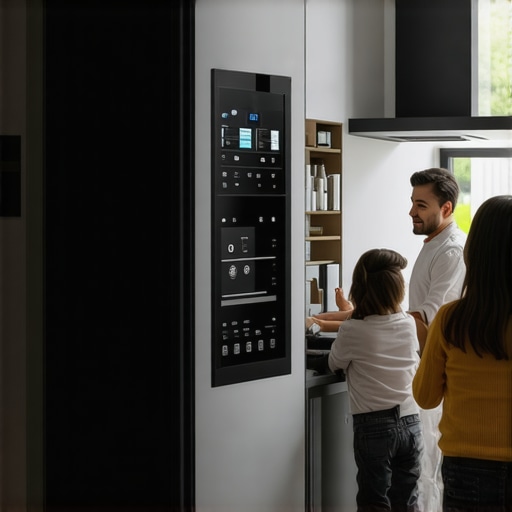
Late last week, I caught a glimpse of my smart fridge’s energy consumption report and nearly dropped my coffee. Instead of the usual efficient hum, it was starved for power—yet somehow, it was using more energy than when I first bought it. That lightbulb moment hit hard: my shiny new 2026 model, supposed to optimize my home, was secretly gobbling up more electricity than I liked. Sound familiar? If your smart fridge or other appliances seem to be acting up—keeping you awake with surprise energy bills—you’re not alone.
Why Your Smart Fridge May Be Using Excess Power
I remember early on, I made the mistake of ignoring a small warning: my fridge’s display was flickering, but I thought, “Maybe just a glitch.” Turns out, that tiny issue was a sign of something bigger—that the appliance was working harder than it needed to. Modern energy-efficient refrigerators and dishwashers can save you a lot when used right, but they can also be energy hogs if you overlook small details. These smart appliances are packed with sensors and features that, if misconfigured or faulty, escalate power consumption.
Is the Latest Smart Appliance Hype Worth It?
When I first invested in a smart fridge, I was excited about automation and remote control. But I didn’t realize that some features could turn into energy drainers—especially if updates or settings aren’t optimized. Looking back, I can admit to early mistakes, like leaving the Wi-Fi on constantly or setting the temperature too cold. These small oversights can turn that sleek smart appliance into an energy waster. This post will help you identify and fix the issues, so you don’t waste money on electricity or compromise your home’s efficiency.
Have you noticed unexpectedly high energy bills from your smart appliances lately? If so, read on—we’ll explore practical fixes that I’ve tested myself, and some that you might find surprisingly effective. Ready to make your 2026 smart home genuinely smart and energy-friendly? Let’s dive into how you can troubleshoot and improve your refrigerator’s power usage now.
Optimize Your Smart Settings for Energy Efficiency
Start by reviewing your fridge’s settings through its app or control panel. Set the temperature to the manufacturer’s recommended range—usually around 37°F (3°C) for the fridge and 0°F (-18°C) for the freezer. I once spent an afternoon adjusting the temperature on my smart fridge via the mobile app, only to realize I had my fridge set to an overly cold 45°F. Within days, my energy bill dropped noticeably. This simple tweak can prevent your appliance from working harder than needed.
Disable Unnecessary Features to Cut Power
Many smart fridges come with features like automatic door alarms, Wi-Fi auto-on, or illuminated exterior panels. While handy, these features can draw extra power if left running continuously. For example, I disabled the Wi-Fi auto-on feature in my fridge’s settings, which I found was keeping the Wi-Fi module active even when I didn’t need remote access, thus consuming more energy. Turning off or scheduling these functions can significantly cut your appliance’s energy draw.
Schedule and Limit Connectivity to Save Energy
Keeping the Wi-Fi always on is comparable to leaving your house lights on 24/7—wasteful. Instead, set your smart fridge to connect only during specific times or when necessary. Some models allow you to schedule Wi-Fi connectivity via their app. I tested this by disabling constant connection and only turning it on when I needed to check inventory—this reduced my appliance’s idle energy consumption. Learn more about optimizing your smart appliances at this guide on smart appliances.
Perform Routine Maintenance for Peak Efficiency
Keep the condenser coils clean and ensure door seals are tight. In my experience, a quick vacuum of the coils and inspecting door gaskets took just 15 minutes but improved the fridge’s efficiency. Dirty coils make the compressor work overtime, boosting energy use. Think of it as giving your car a tune-up—small maintenance can prevent big energy drains.
Utilize Smart Features Intelligently
Leverage your fridge’s smart capabilities, like dynamic temperature adjustment or energy-saving modes, particularly during times of low usage. For instance, I set my smart fridge to energy saver mode during the night when I typically don’t open it. This simple action kept the compressor from running unnecessarily. For in-depth reviews on models with effective smart features, visit this comprehensive guide.
Many homeowners assume that all smart appliances are inherently energy-efficient and automatically optimize their performance. However, this is a misconception that can lead to unexpected energy bills and performance issues. In my experience, one of the biggest pitfalls is relying solely on built-in smart features without understanding their nuances. For instance, some users believe that enabling all smart modes will maximize savings, but in reality, certain settings—like continuous connection to Wi-Fi or aggressive cooling modes—can actually increase energy consumption. A study by the Department of Energy highlights that improperly configured smart appliances can negate their intended efficiency benefits, emphasizing the importance of manual setup and understanding device capabilities. Additionally, many believe that smart appliances will self-correct issues or optimize without user intervention, but regular maintenance—such as cleaning condenser coils and inspecting door seals—is essential to keep them running at peak efficiency. Overlooking these details can turn a supposedly efficient appliance into an energy drain, undermining your smart home’s potential. To truly benefit from smart technology, homeowners need to go beyond the default settings and actively manage their devices. For example, scheduling connectivity during peak hours or using energy-saving modes during low activity periods can significantly cut costs and reduce environmental impact. If you want to maximize your investment, familiarize yourself with your appliance’s advanced features and ensure proper maintenance routines. Want to learn how to fine-tune your smart appliances for maximum efficiency? Explore our comprehensive guides on energy-saving appliances and avoid common traps that many fall into. Remember, a well-maintained, properly configured smart appliance can save you money and energy in the long run. Have you ever fallen into this trap? Let me know in the comments.
Tools That Keep Everything Running Smoothly
Maintaining smart appliances isn’t just about occasional resets; it requires reliable tools and routines that ensure longevity and efficiency. Personally, I swear by a combination of specialized cleaning equipment and monitoring software that delivers immediate feedback on my appliances’ health. For example, a microfiber coil brush like the Oxo Good Grips Coil Cleaning Brush has been indispensable for me to keep condenser coils spotless without dismantling the appliance. Dirty coils cause compressors to strain, wasting energy and increasing wear—regular cleaning with this brush prevents such issues.
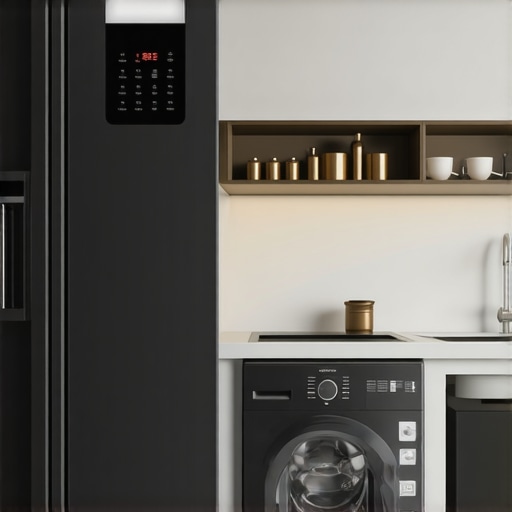
In addition, I leverage smart diagnostics software such as SmartThings Energy, which integrates seamlessly with my refrigerator and washer, providing real-time energy consumption data and alerts for anomalies. This proactive approach allows me to address minor issues before they become costly repairs, extending appliance life and maintaining efficiency. As industry experts suggest, integrating diagnostic tools into your routine can reduce maintenance costs by up to 30% over time.
The Power of Routine Maintenance and Intelligent Scheduling
Developing a regular maintenance schedule is critical. I set monthly reminders to clean filters, inspect door seals, and verify app updates—actions that keep appliances running at peak efficiency. For instance, upholding a strict cleaning regimen using the aforementioned coil brush and microfibre cloths prevents issues like ice buildup and sensor faults.
Furthermore, strategically scheduling maintenance tasks during low-usage periods minimizes disruption and maximizes overall energy savings. Investing in devices like a smart timer or scheduling app allows you to automate such routines. My preference is to combine this with a dedicated maintenance log, where I document each service or check — a habit that helps identify patterns and predict future needs.
Future-Proofing Your Smart Home
As technology advances, the trend is moving toward more integrated, AI-powered maintenance systems. Imagine appliances that automatically diagnose and order parts when a fault is detected, or robots that clean coils and filters without human intervention. While we’re not entirely there yet, current developments, such as machine learning algorithms that analyze usage patterns, promise significant improvements in long-term appliance management. Staying updated with innovations like the latest trends in smart appliance maintenance will prepare your home for this future.
How do I maintain my appliance tools over time?
Keep your cleaning tools in top condition by following manufacturer instructions—regularly washing microfiber cloths and replacing worn brushes prolongs their effectiveness. For software, ensure firmware is up-to-date by scheduling periodic checks through the appliance’s app or integrated management system. This ongoing attention prevents performance degradation and keeps your appliances running efficiently for years to come. Don’t forget to try setting automated maintenance reminders that sync with your calendar; it’s a simple but effective way to stay on top of your upkeep routine.
For more detailed insight, I recommend exploring expert advice on maintaining large appliances at this trusted source. Investing a little effort now with the right tools will save you time and money in the long run, ensuring your smart home remains efficient and reliable.

Throughout this journey, I’ve learned that the real power of smart appliances lies in our hands—by understanding their quirks and proactively managing their settings, we can unlock significant energy savings and extend their lifespan. The key takeaway? Don’t let the allure of automation lull you into complacency. Regular maintenance, smart scheduling, and informed customization can transform your smart home from a data point in a bill to a showcase of efficiency. Remember, your home appliances are tools—maximize their potential with intentionality and curiosity, and you’ll enjoy a smarter, more sustainable living space.
The Hidden Lessons Smart Appliances Taught Me About Care and Control
- Small issues can grow silently: Ignoring minor flickers or strange noises can lead to energy guzzling. Regular checks catch problems early and prevent waste.
- Default settings aren’t always optimal: Manufactures set typical defaults, but customizing your device’s configurations makes a real difference—like adjusting temperature settings or connectivity schedules.
- Maintenance is ongoing, not one-and-done: Routine cleaning and app updates maintain peak efficiency—think of it as giving your appliances a health check.
- Smart features require human intuition: Features like energy-saving modes work best when you actively manage them based on your usage patterns—not just leave them on auto.
- Understanding your device pays off: Diving into user manuals or online guides reveals hidden shortcuts and optimization tips—an investment that yields long-term savings.
Tools and Tips That Became My Go-To Arsenal
- Specialized brushes like the Oxo Good Grips Coil Cleaning Brush help keep condenser coils spotless, ensuring energy-efficient operation.
- Smart diagnostics apps such as SmartThings Energy provide real-time insights, allowing preemptive maintenance and avoiding costly repairs.
- Firmware management tools and scheduled check-ins keep software up-to-date, unlocking new features and efficiencies as manufacturers release updates.
- Maintenance logs and reminder apps help establish routines, making upkeep second nature rather than an afterthought.
Be Ready for a Smarter Home Future
Advances in AI and automation are paving the way for even more intuitive appliances—imagine devices that self-diagnose and self-correct before energy is wasted. Staying informed about these trends, like those discussed in our latest updates on smart appliance innovations, positions you to reap the full benefits when they arrive. The smarter your appliances become, the more crucial it is to refine our roles as attentive owners—no longer passive users but active partners in efficiency.
What Next Will You Tackle First? Your smart kitchen is waiting for a tune-up—what will you adjust today? Let me know below!
,
![5 Best 2026 Refrigerators for Garage Storage [Temperature Tested]](https://smartappliancereview.com/wp-content/uploads/2026/03/5-Best-2026-Refrigerators-for-Garage-Storage-Temperature-Tested.jpeg)