
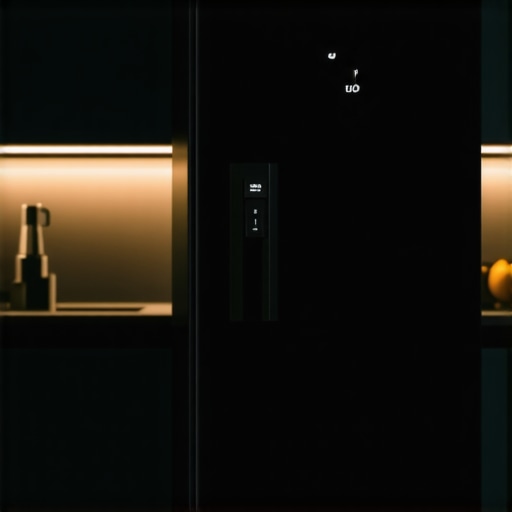
There I was, minding my own business late at night, when suddenly I was jolted awake by the relentless, humming drone of my refrigerator. It sounded like a spaceship landing in my kitchen, and honestly, I couldn’t get back to sleep. That moment was a lightbulb that flickered—if my fridge’s noise was this disruptive, surely others are battling the same issue. And more importantly, I wondered: how can I make this stop?
Why Your Refrigerator Sounds Like a Drilling Midnight
The truth is, a loud refrigerator isn’t just a source of annoyance; it can disturb your sleep, increase your stress levels, and even signal underlying problems that might cost you more in energy bills or repairs. The thing is, many homeowners don’t realize that the noise they hear isn’t just normal background hum, but often an indicator that something needs attention or adjustment. As someone who’s been there, I know how irritating it can be to have a machine that seems to shake the foundation of your home at the worst hours. Early on, I made the mistake of ignoring some ticking sounds, assuming it was just the refrigerator doing its job. But ignorance can lead to bigger issues, like a failing compressor or misplaced insulation, which can make the appliance noisier and less efficient. If you’re wondering whether your fridge’s nighttime clamor is normal or signals a problem, you’re not alone. From noisy compressors to vibrating panels, various issues can cause those disruptive sounds. Luckily, many of these problems are fixable with simple adjustments like leveling the appliance or cleaning the condenser coils. For instance, I found that cleaning out my condenser coils, something I had never considered before, made a significant difference in reducing the noise and improving efficiency. Want to learn how to quiet that noisy fridge and get a peaceful night’s sleep? You’re in the right place. We’ll explore practical, proven steps to silence your refrigerator, saving your nerves and your energy bills in the process. Before diving into solutions, let’s tackle a common skepticism.
Question: Is It Really Worth Fixing a Noisy Refrigerator, or Is It Just Normal?
Early on, I thought that a bit of background noise was just part of owning a refrigerator. I even ignored some banging and rattling sounds, thinking they would pass. What I didn’t realize was that small issues, left unaddressed, could turn into costly repairs or leave me with an inefficient appliance. From personal experience and research, I’ve learned that many seemingly minor noises can be fixed with simple actions like adjusting the leveling feet or cleaning filters. As experts suggest, paying attention to these signs can extend your fridge’s lifespan and save money in the long run. For a deeper dive into optimizing your appliance’s performance, check out my guide on the most energy-efficient fridge settings. Now, let’s get those noises under control so you can sleep soundly tonight and every night to come.
Level the Fridge to Cut Vibrations
Most loud refrigerator noises come from unstable positioning. Imagine trying to balance a stack of books on an uneven surface; it wobbles and rattles. Similarly, if your fridge isn’t level, internal components vibrate excessively, amplifying noise. I once placed a bubble level on my fridge and noticed one side dipped. By adjusting the leveling feet, I stabilized the appliance, which significantly reduced the humming and rattling sounds. To do this yourself, locate the adjustable feet at the bottom, use a wrench to turn them clockwise to raise or counterclockwise to lower, and ensure the fridge is perfectly balanced.
Clean Condenser Coils for Quieter Operation
Dirty condenser coils act like a clogged air filter, forcing the compressor to work harder and produce more noise. Think of it as trying to breathe through a stuffy nose. I opened the access panel at the back of my fridge and used a coil brush to remove accumulated dust and pet hair. This simple action not only quieted the compressor but also improved energy efficiency. Regularly cleaning these coils—every six months—can prevent buildup. Use a coil brush or a vacuum with a brush attachment for safe and effective cleaning.
Inspect and Replace Damaged Door Seals
Cracked or loose door gaskets cause the fridge to work overtime, making the compressor run continuously and creating clicking or humming sounds. It’s like trying to keep a door sealed with duct tape; it doesn’t work. I noticed my fridge was slightly warmer despite the compressor running constantly. By sealing the door, I reduced the work the compressor had to do. To check your seal, close the door on a dollar bill; if it slips out easily, the gasket may need replacing. You can find replacement seals online and install them yourself with minimal tools. For detailed steps, consider this guide on replacing fridge door seals.
Adjust Temperature Settings and Internal Components
Incorrect temperature settings can cause the compressor to cycle more frequently than needed, generating noise. Most fridges operate best between 37°F and 40°F; a colder setting isn’t necessarily better and can strain the system. Use a refrigerator thermometer to verify and adjust the temperature control accordingly, often via a dial or digital menu. Additionally, a worn or malfunctioning fan motor can produce grinding or humming sounds. If cleaning the fan blades doesn’t help, it might need lubrication or replacement. Consult your manual or a professional if you suspect internal component failure.
Replace or Repair Faulty Components
If you’ve tried all these steps and the noise persists, it could be a failing compressor or a malfunctioning fan motor. These parts are like the heartbeat of your fridge; if they weaken, noise levels increase dramatically. To diagnose, listen for constant loud humming or clicking without the usual cycle pauses. Checking the compressor’s condition, such as unusual heat or vibration, can also indicate failure. At this stage, calling a technician to replace worn parts might be the most effective action. Don’t ignore persistent issues—early repairs can save you money in the long run. If you’re interested in optimizing your fridge’s efficiency further, explore this guide on energy-efficient fridge settings.When it comes to home appliances, many homeowners rely on popular beliefs or surface-level advice that can sometimes be misleading. Let’s explore some of the most pervasive misconceptions and reveal the nuances that only seasoned users and experts understand.
One widespread myth is that bigger appliances always perform better or last longer. In reality, appliances designed for compact spaces often incorporate advanced features compressed into smaller footprints, delivering efficiency and durability that larger models may lack. For example, choosing a slim refrigerator can be both a space-saving and energy-efficient decision, especially if it fits your needs perfectly rather than opting for the biggest available.
Many assume that newer is always better, but this can lead to overinvestment in the latest models that have not been thoroughly tested in real-world scenarios. Sometimes, vintage appliances or slightly older models can outperform the newest releases, particularly when it comes to dependability and ease of repair. For instance, a well-maintained old washing machine might continue to serve effectively, while a brand-new one with complex electronics might face frequent software bugs or connectivity issues. Do your homework and consider the longevity and repairability of appliances instead of just focusing on features or brand newness.
A critical area often misunderstood pertains to smart appliances. Many users believe that connecting devices such as smart fridges or washers always improves efficiency. However, the reality is nuanced; over-reliance on app controls or automated features can introduce vulnerabilities or lead to settings that drain more energy than manual operation. Take smart washing machines — if not configured properly, they might run unnecessarily lengthy cycles or use excess water, negating the intended benefits. Learn how to optimize your device’s settings by visiting this guide on smart washer app maintenance.
What pitfalls do even savvy homeowners overlook about appliance maintenance
One mistake many make is neglecting the internal filters or drain traps, which can be hidden but crucial components. Ignoring these parts can lead to poor performance, foul odors, or water leaks. For example, a clogged internal drain might cause a dishwasher to refill repeatedly or a washing machine to develop moldy smells. Regular maintenance, like cleaning the filter in your refrigerator’s drain system, prevents small issues from escalating into costly repairs. Remember, appliances are complex systems; understanding the hidden nuances and performing routine checks can extend their lifespan and save money in the long run.
Another often overlooked aspect is the impact of improper installation or leveling. Many users think they can set up their appliances quickly without precise adjustments. However, misaligned appliances can cause excessive noise, vibration, and even premature component failure. For example, leveling a refrigerator is more than just convenience; it’s essential for optimal performance. Use a bubble level and follow manufacturer instructions carefully to ensure your appliances operate quietly and last longer.
In closing, the devil is often in the details. By questioning common beliefs and understanding the subtle aspects of appliance operation and maintenance, you can avoid costly mistakes and optimize your home’s efficiency. Stay informed, stay proactive, and always dig a bit deeper — your appliances (and your wallet) will thank you. Have you ever fallen into this trap? Let me know in the comments.
How do I maintain my home appliances over time?
Maintaining your appliances requires the right combination of tools, vigilant routines, and knowledge of each device’s unique needs. Personally, I rely heavily on a digital infrared thermometer to monitor the temperature of my refrigerator and freezer. This tool allows me to verify that my Fridge is operating within the optimal range of 37°F to 40°F, ensuring efficiency and preventing spoilage (see here for detailed guidance). I also use a vacuum with a brush attachment to clean condenser coils—an often overlooked but crucial maintenance task. Regular coil cleaning every six months prevents excessive strain on the compressor, reducing noise and energy consumption.
For software maintenance and troubleshooting, I recommend using specialized diagnostic apps compatible with your smart appliances. For example, apps like Samsung SmartThings or LG ThinQ allow you to run self-diagnostics, monitor performance, and receive timely alerts about potential issues, extending the lifespan of your devices.
In terms of long-term results, sticking to a scheduled maintenance plan—such as cleaning filters, checking door seals, and updating firmware—can significantly improve appliance longevity and efficiency. Investing in quality tools now—like a digital multimeter for electrical checks or a leak detection kit—can save money by catching problems early, before they escalate into costly repairs.
Looking ahead, I predict that appliances will become even more integrated with smart diagnostic tools, enabling proactive maintenance that automatically alerts you to issues via smartphone notifications. Keeping abreast of these trends ensures your home remains energy-efficient and trouble-free.
One practical tip I encourage you to try today is setting up a routine to inspect and clean your appliance filters and coils. Not only does this keep your devices humming efficiently, but it also prevents minor issues from snowballing into larger problems. Remember, investing a little time now pays off in peace of mind and savings down the road.
What I Wish I Knew Before Ignoring My Noisy Refrigerator
- I’ve realized that many appliance issues stem from overlooked details, like ensuring the fridge is perfectly level. Small adjustments can dramatically reduce noise and improve performance.
- Misconceptions about cleaning condenser coils led me to delay maintenance, but regular upkeep saves money and keeps the appliance running smoothly.
- Ignoring door seals seemed harmless at first, yet sealing gaps can lower energy bills and prevent compressor strain, prolonging the fridge’s lifespan.
- Overcomplicating temperature settings often causes unnecessary cycling and noise. Simpler, correctly set temperatures yield better efficiency and quieter operation.
- Persistent appliance sounds might indicate internal malfunctions. Recognizing these signs early can prevent costly repairs and inconvenience.
My Go-To Tools and Resources for Household Appliance Mastery
- Digital Infrared Thermometer: Essential for verifying the internal temperature of your fridge—simple, reliable, and crucial for efficiency (see here).
- Coil Cleaning Brush: An inexpensive tool that makes condenser coil maintenance straightforward, helping reduce noise and prevent overheating.
- Smart Appliance Apps: Platforms like Samsung SmartThings or LG ThinQ give real-time diagnostics and alerts, making it easier to catch issues early.
- Reliability Guides and Manuals: Trusted publications and manufacturers’ instructions are invaluable for understanding specific appliance needs and troubleshooting.
Remember to Act: Your Appliance’s Voice Matters
Taking proactive steps to diagnose and address household appliance noises isn’t just about peace and quiet. It’s about empowering yourself to maintain a home that’s efficient, safe, and enjoyable. By applying these insider lessons, you’re investing in your home’s long-term well-being and comfort. Remember, small consistent actions—like regular coil cleaning or leveling your fridge—can yield major benefits over time. So go ahead, give your refrigerator the attention it deserves, and enjoy the calming silence that follows. What’s the first step you plan to take to quiet your fridge? Share your thoughts below!