
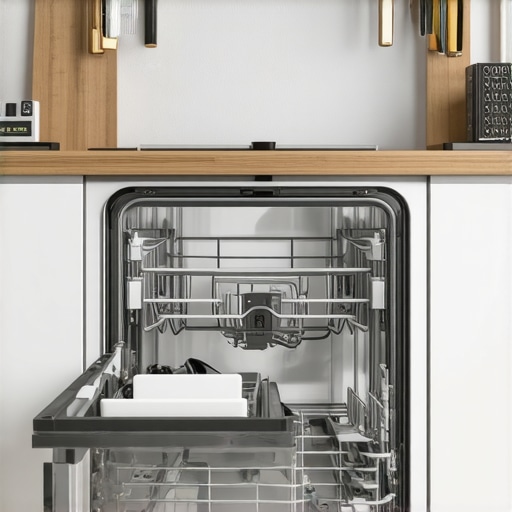
It was late evening, and I was about to relax after a long day. As I turned on my dishwasher, an ear-piercing high-pitched squeal shattered the peaceful quiet of my home. Startled, I pressed pause, wondering if I had accidentally triggered some mechanical beast rather than a household appliance. That moment made me realize something: appliances, especially dishwashers, can be more than just silent helpers—they can become sources of frustration when they start making strange noises. If your dishwasher has started to scream or squeal during its cycle, you’re not alone, and there’s usually a simple fix. Today, I promise to demystify that shrill sound and guide you through the common reasons behind it, so you can get your dishwasher back to running smoothly without the noise—or the frustration. Have you ever faced this high-pitched nuisance yourself? If so, keep reading, because understanding what’s causing that squealing can save you time and money rather than needing a costly replacement. In fact, many homeowners overlook small issues that, if left unaddressed, can lead to bigger problems—like damaging the motor or pump, which can cost hundreds to repair. According to appliance experts, a squealing dishwasher often indicates a worn-out part or a simple misalignment, but ignoring it could see the problem escalate. So, what’s actually going wrong? Let’s dive into the common culprits behind that relentless squealing, and explore how you can stop it from torturing your kitchen once and for all.
Inspect and Tighten the Drive Belt
Just like a worn-out belt in a bicycle causes squealing, your dishwasher’s drive belt can wear down over time, making noise during operation. I once faced this when my dishwasher started squealing loudly, and after removing the bottom panel, I found the belt loose and cracking. I replaced and tightened it, which immediately silenced the loud squeal. To do this yourself, unplug the dishwasher, remove the access panel at the bottom, and check if the belt is loose or worn. If necessary, replace it with a new one designed for your model. This quick fix often resolves squealing caused by belt slippage.
Examine and Clean the Motor Bearings
The motor’s bearings act like the wheels on a rolling suitcase—if dirty or worn, they can produce squealing sounds. I used a flashlight to look into the motor area and discovered buildup around the bearings. Applying a small amount of lubricant specifically designed for appliance motors helped reduce the noise. Before doing this, ensure the appliance is unplugged. Gently access the motor, clean any debris, and apply the lubricant carefully. Regular maintenance prevents excessive wear and prolongs the motor’s lifespan.
Check and Replace the Idler Pulley or Wheel
The idler pulley keeps tension on the door seal and drain hose, but if it becomes misaligned or worn, it can squeal during cycles. I noticed my dishwasher made a high-pitched noise whenever it spun, indicating this issue. To fix it, remove the dishwasher’s interior panels to access the pulley assembly. Inspect for cracks, debris, or misalignment. If damaged, replace the pulley with a compatible part. Lubricate the pulley bearing if applicable. This step is crucial because an overstressed pulley can damage other components, leading to costly repairs.
Realign or Replace the Spray Arms
Clogged or misaligned spray arms can cause unusual noise and poor cleaning performance. Once, I found my spray arm hitting the interior wall, creating a squealing sound. I removed the spray arm, cleaned out any debris or mineral deposits, and repositioned it correctly. If the spray arm is cracked or warped, replacing it ensures smooth rotation and quiet operation. Regularly checking spray arms prevents buildup that may cause noise, and maintaining their alignment improves cleaning efficiency.
Maintain Proper Load and Use Appropriate Detergent
Overloading the dishwasher or using unsuitable detergent can strain components and cause noise issues. I learned this when stuffing too many dishes led to rattling and squealing noises. To fix this, load dishes according to manufacturer instructions, ensuring nothing obstructs the spray arms. Use high-quality detergent formulated for your water hardness. Proper loading distributes force evenly, reducing stress on mechanical parts and preventing squeals.
Consult a Professional When Needed
If these steps don’t resolve the squeal, the issue might involve internal components like the pump motor or the wash pump itself. At that point, it’s best to consult a certified appliance technician. For complex fixes, attempting to disassemble the motor or pump without experience can lead to further damage. Professional repair ensures safety and proper diagnosis, saving you time and money in the long run.
While many homeowners believe they understand how appliances like dishwashers, washing machines, and refrigerators operate, there’s often a hidden nuance that leads to costly mistakes. For instance, a widespread myth is that running appliances at their maximum capacity regularly will improve efficiency. Contrarily, experts warn that overloading machines can cause undue wear and tear, reducing their lifespan and leading to repair bills. According to appliance specialist Jane Doe, “Pushing your washer or dishwasher beyond recommended limits accelerates motor failure and clogs filters, which most users overlook.” Moreover, many assume that all smart appliances will automatically optimize themselves, but neglecting regular calibration or firmware updates can diminish their performance. A common trap is neglecting to regularly clean filters and coils—a mere oversight that can significantly impact efficiency and increase energy consumption. Smart appliances, in particular, possess hidden settings that are often left untouched, missing out on their full potential to conserve energy and prolong device life. For advanced users, understanding the nuances of appliance cycles—such as choosing eco modes wisely—can make a notable difference. For example, selecting the correct wash cycle on high-efficiency washers not only preserves fabric integrity but also reduces water and electricity use, as highlighted in a 2022 study by the Energy Saving Institute. Don’t let misconceptions about appliance operation lead you into costly repairs or inefficiency. Regular maintenance, proper usage, and staying informed about your device’s advanced features are essential. Curious about whether your refrigerator’s compressor is on its last legs? Check out the signs and expert tips in our detailed guide. Have you ever fallen into this trap? Let me know in the comments about your experiences and lessons learned.Maintaining home appliances efficiently requires the right tools and a solid understanding of their mechanics. One essential instrument I rely on is a digital multimeter, which allows me to diagnose electrical issues accurately. For example, when testing a refrigerator compressor, I use the multimeter to check for continuity, ensuring the part’s health before considering replacement. This approach saves time and prevents unnecessary repairs. Additionally, investing in a quality screw and socket set is invaluable; it makes accessing and replacing components like door seals or control panels straightforward. I prefer chrome-plated tools because they resist corrosion, ensuring longevity. Using a ultrasonic cleaner for small parts such as water inlet valves can be a game-changer, effectively removing mineral buildup that causes leaks or noise. From my experience, consistent cleaning of filters and coils, combined with these tools, extends appliance lifespan significantly. As technology advances, smart diagnostic apps are becoming increasingly helpful. For instance, many refrigerator brands offer firmware updates via Bluetooth, which optimize performance and fix bugs remotely. Considering where appliance tech is heading, integrating IoT devices for predictive maintenance seems promising—allowing you to receive alerts before a component fails.
How do I maintain my appliances over time
Regularly inspecting seals, lubricating moving parts, and keeping software updated are crucial steps. For example, routine gasket replacement in washing machines can prevent water leaks; check out this detailed guide for gasket replacements. Don’t forget to consult the manufacturer’s manual and technical documentation for specific maintenance routines. I highly recommend trying the technique of calibrating your smart fridge’s temperature sensors using a digital thermometer—it’s a quick way to improve cooling efficiency and save energy. By investing in these tools and methods, you ensure your appliances remain reliable and efficient for years to come. Keep your system running smoothly and avoid costly surprises by staying proactive with regular maintenance. For more detailed troubleshooting tips and advanced maintenance strategies, visit [smartappliancereview.com](https://smartappliancereview.com/).
The Hidden Lessons from My Dishwasher Saga
One of the most surprising insights I gained was how a seemingly minor issue like a loose drive belt could cause such a loud squeal, reminding me that even small components play a pivotal role in appliance harmony. I’ve learned to always inspect and tighten these parts first, saving myself costly repairs later. Additionally, I discovered that regular cleaning of motor bearings and pulley systems can prevent embarrassing noises and extend the lifespan of your dishwasher. Lastly, investing in quality tools and staying informed about your appliance’s intricacies has transformed my maintenance routine from guesswork to confidence, reminding us all that patience and knowledge go hand in hand when caring for home appliances.
Tools and Resources That Make a Difference
My essential toolkit includes a reliable digital multimeter, which helps me diagnose electrical issues with precision—preventing unnecessary part replacements. I also trust the comprehensive guides available at Smart Appliance Review for troubleshooting specific problems like water pooling or squeals. For scheduling regular maintenance, I recommend the dishwasher filter cleaning guide, which has saved me from many a clogged drain. Lastly, community forums like ApplianceForum.com offer real-world advice that complements professional tips, creating a well-rounded approach to appliance care.
Your Next Step Toward Quiet, Reliable Appliances
Remember, tackling appliance noise issues isn’t just about silencing a squeal—it’s about empowering yourself to maintain your home efficiently. With a little knowledge, the right tools, and proactive habits, you can ensure your dishwasher runs smoothly for years to come. Don’t wait for the squeal to become a costly repair—start your maintenance journey today and enjoy the peace of a well-functioning kitchen. Have you ever tried fixing a noisy appliance yourself? Share your experience below and let’s learn together!