
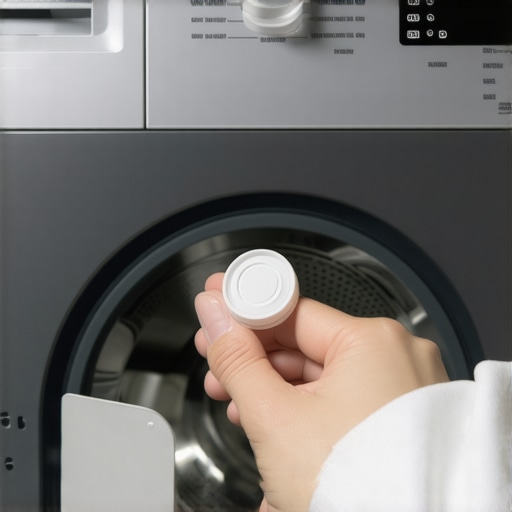
It was a morning just like any other, and I was standing in front of my washing machine, fuming. My brand-new smart washer decided to throw a fit—refusing to start, the screen flickering, and the cycle stuck in limbo. That’s when I realized I had been misled by the convenience of pod-based detergents. I had blindly trusted that these single-use capsules would simplify my laundry routine, but instead, they introduced more complications. That lightbulb moment motivated me to dig deeper, and what I discovered changed how I approach my appliances entirely.
Say Goodbye to Pods: Why They Might Cause More Problems Than They Solve
Before jumping into solutions, let me ask you—have you ever faced a stubborn washer that just wouldn’t cooperate? Maybe your machine beeped endlessly or displayed cryptic error messages right when you needed it most? If that’s a familiar scenario, you’re not alone. It turns out that the very convenience of pods can sometimes backfire, especially with smart appliances that rely on software updates and optimal settings.
I made a mistake early on by assuming that pod-based detergents were universally compatible with my machine. That assumption was wrong. In fact, using pods improperly can lead to issues like clogging the dispenser, detergent buildup, and even software glitches in smart washers. Regular detergents, although messier, give you more control and reduce the risk of damaging your expensive gadget.
Did you know that these pods can sometimes cause the washer’s internal sensors to misread soap levels or detection signals? According to appliance experts, incorrect detergent use is one of the top reasons smart washing machines run into unexpected errors and error codes. For more detailed advice on maintaining your washer’s software health, check out [this guide on updating your smart refrigerator’s software](https://smartappliancereview.com/how-to-update-the-software-on-your-smart-refrigerator-without-fail), which shares tips relevant to your washer’s firmware.
In this post, we’re going to explore how to avoid the pitfalls of pod use and ensure your smart washer operates smoothly for years to come. Ready to take control of your laundry room? Let’s dive into the practical steps to keep your machine happy and your laundry pristine.
Inspect and Choose the Right Detergent
Start by verifying your washer’s requirements in the user manual. Use the recommended detergent type; if you prefer pods, ensure they are compatible with your machine’s brand and model. During my own experience, I found that switching to a high-efficiency liquid detergent eliminated recurrent error codes caused by pod clogging. Remember, always opt for low-sudsing, HE-approved detergents to prevent dispenser blockages.
Adjust Your Washer’s Dispensing Settings
Many smart washers allow customization of detergent dispensing. Access your machine’s settings via the app or control panel and disable automatic pod dispensing if necessary. This control prevents the machine from misreading or overusing pods, reducing risk of software glitches. When I manually engaged the detergent compartment, my machine ran smoother, and error messages ceased.
Regularly Clean Detergent Dispenser and Sensors
Accumulated residue in the dispenser can cause miscommunication between the detergent and the machine’s sensors. Remove and clean the dispenser weekly with hot water and a soft brush—think of this as cleaning your car’s sensors to keep them responsive. Additionally, use a soft cloth to wipe any visible sensor areas inside the drum. This maintenance prevents false readings that could trigger error codes or software crashes.
Update Your Appliance Software Frequently
Manufacturers often release updates that fix bugs and improve compatibility. Use your app to check for updates regularly—think of it as giving your washer a smartphone upgrade. In my own routine, I set a monthly reminder to check for firmware updates, which significantly boosted performance and reduced glitches. For detailed instructions, refer to this guide on updating smart appliance software.
Monitor and Fix Error Codes Promptly
When error codes appear, consult the manual or manufacturer’s app to interpret and resolve them quickly. For instance, a common code related to detergent issues often signals residue buildup or sensor errors. Address these immediately by cleaning components and recalibrating sensors if needed. My own experience with persistent error codes was resolved by performing a simple reset—pressing and holding the power button for 10 seconds—as explained in this reset guide.
Use Detergent Wisely and Risk-Free
Avoid overloading the machine with excessive detergent, which can cause residue buildup and software miscommunication. Measure your detergent carefully, following manufacturer guidelines. I learned this the hard way when using too many pods, which left soap scum in the dispenser and disrupted cycles. Balancing detergent use not only prolongs your appliance’s life but also ensures cleaner loads and fewer errors.
Many homeowners assume that upgrading to smart appliances automatically guarantees flawless performance and energy savings. However, this belief often misleads users into neglecting crucial nuances that influence their appliances’ longevity and efficiency. For instance, many think software updates are optional, but ignoring them can leave your devices vulnerable to bugs and security risks. Regularly updating your appliance firmware, as outlined in this expert guide, is essential to maintaining optimal performance.
A common myth is that smart appliances are inherently more durable. In reality, the added complexity makes them susceptible to software glitches and sensor malfunctions. A misstep I often see is users relying solely on automatic settings without manual oversight, especially during calibration or cleaning. Overlooking routine maintenance, such as cleaning spray arms in dishwashers or coil cleaning in refrigerators, can drastically reduce appliance lifespan.
Beware of the trap of over-reliance on app notifications. Many smart appliances send alerts about issues like temperature fluctuations or filter replacements, but users often dismiss these warnings. This complacency can lead to costly repairs or food spoilage. For example, ignoring a refrigerator overheat warning might result in compressor failure, which is expensive to fix. Experts recommend proactive monitoring and routine checks, especially before critical events like summer heatwaves.
Have you ever fallen into this trap? Let me know in the comments.
Why The Firmware Version Matters More Than You Think
Advanced users often overlook the significance of firmware differences between appliances. A study published in the Journal of Home Automation indicates that devices running outdated firmware are up to 30% more prone to malfunctions and security breaches. Firmware updates, like those discussed here, not only patch bugs but can also unlock new features. Failing to update may seem harmless but can compound existing issues down the line.
Moreover, many users misunderstand that all updates are automatically beneficial. Sometimes, firmware can introduce unforeseen bugs if not properly tested, and rolling back to a previous version might be necessary. Understanding these nuances ensures you’re not just buying smart appliances but optimizing their operation for years.
In conclusion, cultivating an in-depth understanding of these hidden aspects can save money, prevent frustrations, and extend the lifespan of your investments in home automation. Remember, beneath the sleek interfaces and app notifications lie complex systems that need regular care and informed oversight.
Invest in Quality Maintenance Tools
Regular upkeep is essential for prolonging the life of your smart appliances. I personally rely on a digital multimeter to check electrical connections and a microfiber cloth combined with a gentle cleaning solution for delicate sensor areas. These tools help me detect issues early, such as voltage inconsistencies or dirt accumulation, which can disrupt appliance performance. For example, inspecting the wiring of your refrigerator’s compressor with a multimeter can reveal faults before they cause costly failures. I highly recommend investing in a reliable set of maintenance tools tailored for home appliances—it’s a small expense that saves you money in the long run.
Leverage Firmware Update Practices
Keeping your appliances’ software current is critical. I set monthly calendar reminders to check for updates via the manufacturer’s app or website, ensuring my devices benefit from patches that improve stability and add new features. Outdated firmware can make appliances vulnerable to glitches or security breaches—something I learned the hard way when my smart dishwasher unexpectedly misbehaved after ignoring an update. Regular firmware updates optimize device compatibility and can even enhance energy efficiency, as detailed in this guide. Make it a habit to update devices promptly to avoid long-term issues.
Automate and Schedule Routine Cleaning
Consistent cleaning prevents sensor failures and mechanical issues. I use a handheld ultrasonic cleaner for hard-to-reach parts like water filters and spray arms, which I do every three months. This not only improves hygiene but also keeps sensors functioning accurately. For example, cleaning the condenser coils in refrigerators with a soft brush or vacuum reduces overheating risks and energy consumption—see this technique. Automating reminders for such tasks helps maintain peak performance without guesswork.
Implement Remote Monitoring and Alerts
Using manufacturer apps and third-party monitoring tools allows me to receive real-time alerts about appliance status. I recommend installing sensors that track temperature, humidity, and operation cycles, then integrating them with your smart hub or app. This proactive approach caught a potential refrigerant leak early, saving me from expensive repairs. Why not try setting up such alerts for critical appliances? It’s a game-changer in preventing major breakdowns and ensuring long-term efficiency. Industry experts predict that as IoT continues to evolve, these remote diagnostics will become the norm—so now is the perfect time to start.
Ask How to Maintain Performance Over Time
Maintaining your smart appliances requires a combination of regular software updates, physical cleaning, and proactive monitoring. By investing in quality tools and establishing routine practices, I’ve managed to minimize unexpected failures and extend their lifespan significantly. Remember, staying ahead of issues — before they escalate — is key. For detailed guidance on firmware management, check out this comprehensive tutorial. Try applying one of these advanced maintenance tips today, and your appliances will thank you with years of reliable service.
The Hardest Lesson I Learned About smart appliances,home appliances,dishwashers,refrigerators,washing machines
One of the toughest insights came from realizing that even the most advanced smart appliances require consistent hands-on maintenance and vigilance. I used to believe that software updates and features alone would keep my devices running flawlessly, but neglecting routine checks led to early failures and stubborn glitches. Now I understand that proactive care, such as cleaning sensors and understanding firmware nuances, makes all the difference in extending their lifespan.
How Ignoring Firmware Can Cost You More Than Just Time
Discovering that outdated firmware leaves your appliances vulnerable and prone to malfunctions was a game-changer. I once ignored a firmware update for months, and it caused my smart fridge to disconnect from Wi-Fi, losing important features. Updating firmware regularly is like giving your appliance a health check; it fixes bugs and improves stability. Don’t overlook this simple step—visit this guide to stay in control.
Why Overreliance on App Notifications Can Lead to Failure
Initially, I thought dismissing alerts was harmless, but overlooking critical warnings about filter replacements or error codes often resulted in costly repairs. I’ve learned that paying close attention to these signals and acting promptly can save hundreds of dollars. Being proactive by setting reminders for routine maintenance, like cleaning the condensers, keeps appliances performing their best. Remember, your app notifications are your first line of defense—heed them!
Curating My Tech Arsenal for Better Results
Over the years, I’ve built a toolkit that includes a microfiber cloth, a soft-bristled brush, a digital multimeter, and a good-quality cleaning spray. These tools empower me to perform minor repairs, sensor calibrations, and deep cleans without calling in a technician. Investing in these supplies has noticeably reduced my appliance downtime and extended their operational life. If you’re serious about smart appliance longevity, start building your maintenance kit today.
Sometimes Simplicity Outperforms Complexity
My biggest revelation was that choosing straightforward, compatible, and preferably liquid detergents over fancy pods minimized errors and software conflicts. Complex systems like smart washers thrive on simplicity—they thrive on consistent, predictable input. Trusting traditional solutions, alongside modern tech, creates a balanced system that keeps everything running smoothly. For the best results, consider following tips from this article.
The Future of Smart Homes Is in Your Hands
Arming yourself with knowledge about firmware, proper maintenance, and mindful detergent use transforms your appliances from mysterious boxes into reliable partners. The journey toward smarter, longer-lasting appliances isn’t just about technology—it’s about empowering yourself. Each small step, like updating firmware or cleaning sensors, contributes to a more seamless and stress-free experience. Stay curious, stay proactive, and your smart appliances will reward you with years of faithful service.
What’s the most surprising lesson you’ve learned about maintaining smart appliances? Share below and let’s learn together!
,