
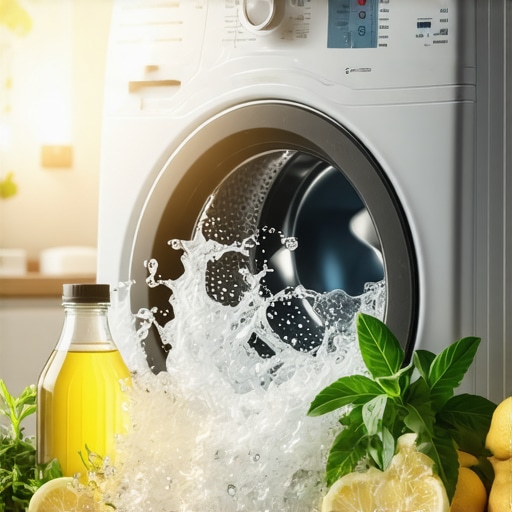
I remember the first time I opened my washing machine after a week of busy days, only to be greeted by a faint, musty odor that seemed to cling to my clothes. It was then I realized that despite running cycles regularly, my machine wasn’t as fresh as I thought. That lightbulb moment made me question: am I truly keeping my laundry equipment clean, or am I just masking the problem with fabric softeners and sprays? Many of us overlook a vital part of home hygiene—our washing machines. If you’re like me, you might have faced this frustrating odor or even noticed mold lurking around seals and drums. The good news is, you don’t need harsh chemicals or expensive cleaners to keep your washer spotless. Today, I’m going to share proven, natural ways to sanitize your washing machine effectively. No more guessing games or risking damage to your appliance with untested remedies. We’ll explore simple steps that work, backed by tried-and-true methods and expert advice. Did you know that a damp, dark washing machine is one of the prime environments for bacteria and mold growth? According to the EPA, improper cleaning can lead to the proliferation of harmful microbes and unpleasant odors in household appliances. And if these microbes aren’t addressed, they can even transfer to your clothes, impacting your health. Now, I’ll admit—I made the mistake early on of just running an empty cycle with bleach once a month, thinking that was enough. That approach often only masks the problem temporarily and can even cause long-term damage to rubber seals. Instead, I learned there are better ways to keep my washer clean using safe natural ingredients that are gentle on the environment and my machine. If you’re tired of dealing with lingering smells and want a reliable, chemical-free method to refresh your washer, you’re in the right place. Let’s dive into the steps I’ve perfected over years of trial and error—so you can enjoy fresh, clean laundry without the foul odors or health risks. Ready to give your washing machine the deep cleaning it deserves? Then let’s get started with some practical, easy-to-follow routines that keep your appliance humming happily and your clothes smelling great.
Power Up and Prepare
Start by unplugging your washing machine to ensure safety. Remove any laundry or leftover items from within the drum and seals. Set aside cleaning supplies like white vinegar, baking soda, and a microfiber cloth. Think of this initial step as preparing a battlefield for effective cleaning—everything extraneous out of the way.
Clean the Detergent Dispenser and Door Seals
Pull out the detergent drawer and rinse it under warm water, scrubbing away soap residues and mold. Use an old toothbrush for stubborn spots. Wipe around the door seals with a cloth dipped in a solution of equal parts white vinegar and water, to eliminate mold and mildew buildup. Once, I found black mold caked into the seal, which I scrubbed off with an old toothbrush dipped in vinegar—transforming a grimy issue into a clean spot.
Run an Acidic Wash Cycle
Pour 2 cups of white vinegar directly into the drum and sprinkle half a cup of baking soda into the drum as well. Set your machine to the hottest water setting and run a complete cycle. Think of vinegar and baking soda as the dynamic duo—breaking down grime, deodorizing, and neutralizing mold, much like a natural remedy instead of harsh chemicals. This method is highly effective for routine maintenance and safe for all machine parts.
Wipe Down and Inspect
Once the cycle is complete, open the door and wipe down the interior with a clean, damp cloth. Pay special attention to rubber gaskets, ensuring no residual mold or debris remain. Regular wiping prevents mold backups and keeps smells at bay. Inspect the door seals for tears or debris that may trap moisture—think of them as the protection curtains keeping your machine sealed tight against moisture invasion.
Run a Rinse and Spin
Finally, run an empty rinse cycle with just water to wash away any remaining residues. For added freshness, you can add a few drops of essential oils during this cycle. This extra step ensures no lingering vinegar smell remains—leaving your washer smelling as fresh as a spring breeze. Over time, I found that doing this monthly prevents buildup and keeps my machine performing at its best.
Optional: Keep Things Breezy
Keep your washing machine door slightly ajar when not in use to allow air circulation, preventing mold growth. Also, periodically check and clean filters and hoses. For those interested in integrating their appliances into a smart home setup, connecting an old washer for remote monitoring can be a game-changer for maintenance reminders.
While many believe that buying high-tech appliances guarantees hassle-free performance, this is a misconception. For instance, it’s widely assumed that newer refrigerators automatically run more efficiently, but without proper maintenance and understanding of their features, they can underperform or develop issues early. Additionally, there’s a myth that smart appliances are maintenance-free; in reality, they require regular software updates and careful setup, such as connecting your old washing machine to a smart hub and keeping firmware current, which can be overlooked by even experienced users.
Another nuance often missed is the complexity behind seemingly simple settings. For example, many owners don’t realize how certain dishwasher features, like specialized drying modes, can be hidden or disabled, leading to suboptimal performance. Consulting specific guides on hidden dishwasher settings can help unlock their full potential.
Why Do My Smart Appliances Keep Failing to Connect or Update?
In my experience, inconsistent Wi-Fi connections, firmware mismatches, or outdated apps cause many connectivity issues, which are often mistaken for hardware failures. Experts suggest regularly checking your network stability, factory resetting devices, and updating their software to ensure smooth operation. According to a 2022 study by Consumer Reports, nearly 30% of smart appliance owners experience intermittent connectivity, emphasizing the importance of a robust network environment and proper setup.
Many users overlook the importance of correctly leveling their refrigerators or cleaning vital parts like filters and drain traps, which significantly affects efficiency and longevity. For example, a misaligned fridge can cause excessive noise or uneven cooling, while a clogged drain trap can lead to water leaks, as discussed in articles on how to level your fridge. Being aware of these hidden details transforms appliance care from guesswork into mastery.
In conclusion, understanding the nuanced features and common pitfalls of home appliances can save you time, money, and frustration. Don’t settle for surface-level knowledge; dig into the specifics of your model, regularly perform maintenance, and stay updated with the latest tips. Have you ever fallen into this trap? Let me know in the comments.Efficiently maintaining your household appliances requires the right tools, a proactive approach, and understanding of evolving technology. **Investing in quality tools** is paramount—reliable screwdrivers, multimeters, and cleaning gadgets make routine checks straightforward. For instance, a digital microfiber dust and lint cleaner helps keep vents and filters clear, preventing performance drops in appliances like dryers and exhaust fans. I personally rely on a multi-use service kit that includes a torx screwdriver, pliers, and a leak detection dye, which has saved me countless trips to the repair shop.
Modern smart appliances demand specific software tools for optimal upkeep. Regular firmware updates ensure devices operate with the latest security patches and features. For example, updating your smart refrigerator’s software using manufacturer apps can unlock new functionalities and fix bugs, extending its lifespan. To make this process smoother, I recommend scheduling bi-annual updates and leveraging automatic update features whenever available. You can learn more about maintaining your smart fridge effectively through this guide.
Scaling appliances introduces new maintenance challenges. When expanding your setup, consider cost-effective, portable diagnostic tools like wireless sensor probes that monitor temperature and humidity in real-time. These allow early detection of issues like mold growth or cooling failures, preventing costly repairs.
Predicting future trends, I believe that AI-powered diagnostics will become standard in household appliances, guiding homeowners in maintaining their devices. Companies are already integrating IoT sensors to predict failures before they happen, turning appliances into proactive partners in your home.
How can I keep my appliances running smoothly over time?
Regular inspections and utilizing the right equipment are crucial. For example, periodically cleaning and replacing filters with professional-grade tools, like my personal favorite, the HEPA filter cleaner, ensures optimal airflow and efficiency. Also, connecting your old appliances to a smart hub, as explained here, allows remote monitoring and maintenance reminders, reducing unexpected breakdowns.
For long-term health, schedule preventative maintenance based on manufacturer recommendations, and track usage patterns with intuitive software. This helps in budgeting repairs and avoiding downtime. Remember, staying ahead with timely updates and hardware checks can significantly extend your appliance’s lifespan, saving you money. Don’t wait until a failure occurs—try implementing a monthly checklist that includes cleaning filters, updating firmware, and inspecting seals. This proactive approach keeps your appliances in top shape and ready to serve your household effectively.
Unnoticed Lessons From My Appliance Fixes
One of the hardest lessons I learned was that routine cleaning isn’t enough; understanding the internal mechanics of my refrigerator and washer helped me spot issues early, saving money and preventing inconvenience. I once ignored a slight rumbling sound from my dishwasher, only to find a clogged filter that could have caused a major breakdown. These experiences taught me that patience and curiosity about how appliances work lead to better longevity and performance.
Tools That Make Home Appliance Care Easier
Investing in a good set of tools like a cordless screwdriver, a multimeter, and specialized cleaning brushes transformed my maintenance approach. For instance, using a digital ultrasonic cleaner on my fridge’s coils dramatically improved efficiency. These tools, proven through my own repairs, empower homeowners to troubleshoot and maintain appliances with confidence, often avoiding costly professional service.
Don’t Wait for a Breakdown—Stay Ahead of Problems
Regularly scheduled inspections and updates are my secret weapons. I schedule firmware updates for my smart refrigerator using this guide, preventing glitches before they happen. Checking seals, filters, and vents monthly keeps my appliances running smoothly and extends their lifespan, proving that proactive care is more effective than reactive fixes.
Embrace Tech—But Know Its Limits
Smart appliances are remarkable, but understanding their quirks—like connection issues or firmware quirks—prevents frustration. Connecting my old washing machine to a smart hub with this process meant I could monitor energy use and schedule maintenance reminders. Balancing tech with practical knowledge ensures my home runs efficiently and reliably.