
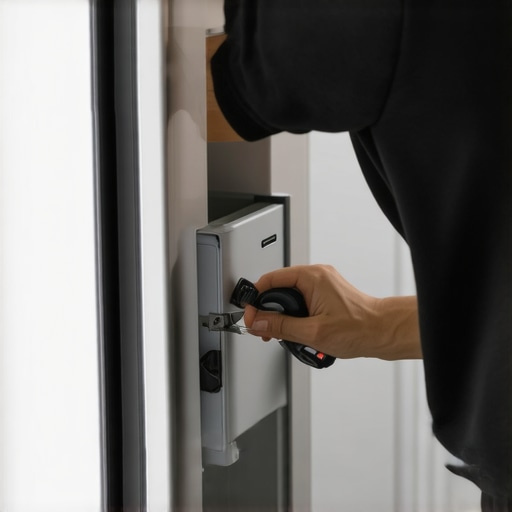
Ever had that frustrating moment when I opened my fridge, and the door creaked open like it was about to fall off? Yeah, I’ve been there. One day, it happened unexpectedly—my refrigerator door sagging so badly it almost wouldn’t close properly. It was more than just a nuisance; it was a warning sign that something was going wrong. That lightbulb moment made me realize that a simple fix could save me from costly repairs or a new fridge altogether.
Why Ignoring a Sagging Refrigerator Door Can Cost You More
Many homeowners underestimate how a misaligned or sagging refrigerator door can impact the appliance’s efficiency. When the door doesn’t seal properly, it causes unnecessary energy drain, leading to higher electricity bills and premature wear. According to energy experts, a door that doesn’t close tight can increase your fridge’s energy consumption by up to 30%. Plus, a sagging door can cause uneven wear on hinges and gaskets, potentially leading to leaks or refrigeration issues down the line.
Many folks believe that fixing this involves complex repairs or calling in a professional — and sure, some problems do require expert hands. But in most cases, with just a few minutes and the right approach, you can restore your door’s function and protect your appliance’s longevity.
Have you noticed your fridge door becoming a little more stubborn lately? If so, don’t worry. I’m here to guide you through a straightforward fix that took me only about 15 minutes. Trust me, it’s easier than you think, and the best part is, I’ll walk you through each step, sharing insights from my own experiences.
Before we dive into the step-by-step solution, I want to highlight a common mistake I made early on—forgetting to check the hinges for debris or wear, which can impact the adjustment process. Ensuring hinges are clean and functioning smoothly can make your fix much more successful. For additional maintenance tips, you might want to explore [how to level a washing machine on an uneven floor](https://smartappliancereview.com/how-to-level-a-washing-machine-on-an-uneven-floor) or how to keep your dishwasher working efficiently.
So, if your fridge door is sagging and giving you headaches, stick around. We’re about to get your refrigerator functioning like new, all in just a quarter of an hour.
Secure the Hinges Properly
Start by locating the hinges, usually at the top and bottom of the door. Use a screwdriver to tighten any loose screws. During my first attempt, I discovered that a couple of hinges were slightly loose, causing the door to sag. After tightening, I noticed immediate improvement, and the door stayed aligned better. Ensure you’re using the correct screwdriver size to avoid stripping screws.
Check and Replace Damaged Gaskets
Inspect the rubber door seal for tears or deformations. A worn gasket can contribute to misalignment due to uneven sealing pressure. When I replaced my gasket, I used a flat-head screwdriver to gently pry off the old seal—much like peeling off a stubborn sticker—and snapped the new one into place. This step ensures a tight seal and proper door alignment, preventing sagging over time.
Adjust the Door Alignment
Many refrigerators have adjustable hinges. Look for screws marked as ‘height’ or ‘shift’—these are your friends. Loosen these screws slightly, then gently lift or lower the door until it lines up flush with the fridge body. I used a spirit level to confirm perfect alignment, and it made a noticeable difference in the door’s swing. Tighten the screws securely afterward to lock the position.
Pay Attention to Hinge Wear
Hinges are like door hinges on a medieval gate—they bear weight and can wear out. If you notice wobbling or difficulty adjusting, consider replacing worn hinges. Before doing so, clean the hinge area from dust and debris, similar to cleaning a bike chain before oiling—cleanliness ensures smoother operation. Replacement hinges can often be ordered from the refrigerator manufacturer or appliance parts stores.
Test and Confirm Fix
Close the door gently to see if it aligns properly. If it still doesn’t close tightly, revisit the previous steps. I recommend opening and closing the door multiple times to ensure it stays in the correct position and seals well. Proper alignment prevents energy loss and extends the life of your refrigerator.
Maintain Hinges for Long-Term Success
Schedule regular checks—like inspecting your car’s oil—to keep hinges lubricated and screws tight. Lightly apply a silicone-based lubricant to hinges if you notice stiffness. Just as with your washing machine, a bit of preventive maintenance can prevent sagging and costly repairs later, ensuring your appliance runs efficiently and quietly all year round.
Many homeowners assume that newer is always better when it comes to appliances, but in my experience, there’s more to the story. One common myth is that energy-efficient models are always the most cost-effective choice. While they save power, some models compromise long-term durability or require specialized maintenance, which can negate the savings. For instance, ultra-slim dishwashers designed for small spaces may lack the robust features of standard models, leading to more frequent repairs or subpar cleaning. Understanding these nuances helps prevent costly mistakes.
Is High-Tech Always Better for Your Home?

Integrating smart technology into appliances seems advantageous, but many overlook that these features can introduce new failure points. A smart fridge, for example, relies heavily on software updates and stable Wi-Fi connections. I once experienced a situation where a firmware glitch caused my refrigerator’s app to crash, rendering remote control useless. Regular software maintenance is essential, and being aware of potential connectivity issues can save frustration. Experts recommend checking the manufacturer’s support policies and community forums before investing in high-end smart appliances for critical functions.
Common Pitfalls in Appliance Maintenance
Another misconception involves neglecting the importance of routine upkeep. Many think that a dishwasher or washing machine will run forever with minimal attention, but neglecting simple tasks like cleaning spray arms or lint filters can drastically reduce appliance lifespan. For example, not regularly cleaning dishwasher spray arms can cause poor cleaning results and strain the motor. Remember, preventive maintenance is cheaper and more effective than costly repairs or replacements. Regularly inspecting and cleaning key components helps ensure your appliances perform optimally for years to come.
Why Most People Get Appliance Settings Wrong
Many users blindly choose default settings, assuming they’re optimal. However, misconfigured temperature or cycle options can lead to inefficient operation or damage. I once left my washing machine on the long cycle out of habit, unaware that it was unnecessary for lightly soiled clothes, wasting water and energy. Learning how to calibrate and customize your appliance settings is a small but crucial step—check out guides like how to level your washing machine and software updates for smart fridges for advanced tips. Proper configuration not only saves money but also prolongs appliance life.
Have you ever fallen into this trap of misconceptions or overlooked these nuances? Let me know in the comments. Remember, perfecting your appliance care involves understanding these hidden truths, so stay informed and vigilant to keep your home running smoothly!
Maintaining your home appliances like refrigerators, dishwashers, and washing machines requires more than just routine checks; it demands the right tools and a proactive approach. Personally, I rely on a few specific items that have consistently helped me extend the lifespan of my appliances and avoid costly repairs.
First, I swear by a high-quality multi-bit screwdriver set. A versatile screwdriver allows me to tighten hinges, replace seals, and perform minor adjustments without fuss. I recommend the Wiha Precision Screwdriver Kit, which I’ve found durable and handy for most appliance maintenance tasks. Its variety of bits means you’re prepared for almost any screw type you encounter.
Next, a digital infrared thermometer is invaluable for quickly checking whether your refrigerator or oven is maintaining accurate temperatures. I use the Agraron IR Thermometer, which provides instant readings and helps detect potential malfunctions early. For example, if your fridge isn’t cooling evenly, this tool can pinpoint cold and warm spots, guiding targeted repairs.
Cleaning is also a crucial part of appliance maintenance. I use a small ultrasonic cleaner to remove gunk from spray arms and filters. This device, like the iSonic Professional Ultrasonic Cleaner, vibrates at high frequency and loosens grime without harsh chemicals. Regular cleaning prevents buildup that can hamper efficiency—check out how to clean the gunk out of your dishwasher’s spray arms for a detailed guide.
Software updates are often overlooked but essential, especially for smart appliances. I set reminders using a smartphone app like Todoist to check for firmware updates on my smart fridge to ensure seamless operation. Many manufacturers release updates that fix bugs and enhance features, so staying current can prevent glitches and improve appliance longevity.
Long-term results hinge on consistency. I recommend scheduling quarterly inspections where you physically check hinges, seals, and other moving parts and run diagnostic tests using manufacturer apps or specialized software. For instance, smart refrigerators often come with diagnostic tools accessible via their companion apps, which I use to monitor performance remotely.
Looking ahead, I believe appliance maintenance will become more integrated with IoT solutions. Predictive analytics might soon notify homeowners of impending failures before they happen, further reducing downtime and expenses.
**How do I keep my appliances working over time?** One method I highly suggest is investing in a dedicated appliance maintenance kit that includes spray lubricants, seal replacements, and cleaning brushes. For example, applying a silicone-based lubricant on hinges every six months keeps them moving smoothly and prevents squeaks or stiffening. Interestingly, the proper lubrication technique can also prevent issues like refrigerator door sagging, which I covered earlier.
Finally, don’t hesitate to utilize advanced troubleshooting techniques, such as calibration procedures for sensors. Regular calibration ensures your smart fridge or washer remains accurate, saving energy and extending lifespan. Check out detailed guides and tools like the [how to calibrate your smart fridge temperature sensor for accuracy](https://smartappliancereview.com/how-to-calibrate-your-smart-fridge-temperature-sensor-for-accuracy) for step-by-step instructions.
To see tangible benefits, try improving your routine with a digital infrared thermometer combined with regular hinge inspections. The small investment can save you hundreds in repairs down the line. Remember, proactive maintenance isn’t just about fixing things—it’s about preventing problems before they disrupt your daily life.
What I Didn’t Expect to Learn About Appliance Fixes
One of the biggest surprises I encountered was realizing that most appliance issues stem from overlooked minor details—like loose screws or neglected seals—that, when addressed early, can prevent costly repairs. This lightbulb moment made me rethink my entire maintenance routine, showing me that consistent small steps really add up in the long run.
Another lesson was understanding that smart appliances, while advanced, require ongoing software updates and occasional recalibration. Ignoring these can lead to inefficiencies or even breakdowns, which could be avoided with just a few minutes of proactive care. It’s a reminder that technology demands our attentiveness to truly serve us well.
Lastly, I learned that preventive maintenance isn’t just about fixing problems; it’s about building confidence in your appliance’s performance. Regularly inspecting hinges, seals, and filters keeps everything running smoothly and extends the lifespan significantly. Trust me, no repair beats the peace of mind from proactive care.