
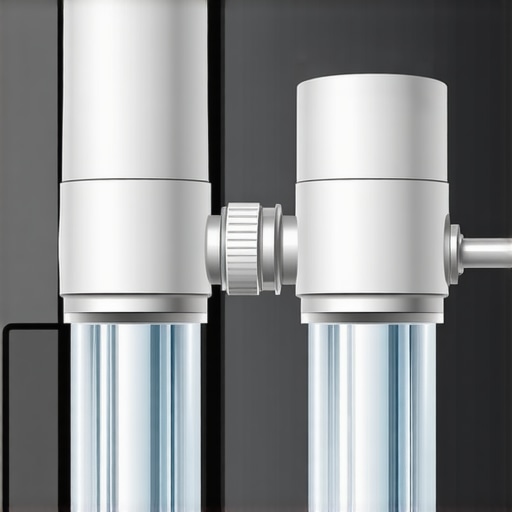
You know that frustrating moment when your water pressure drops just as you’re about to pour yourself a tall glass of cool, fresh water from the fridge? I’ve been there more times than I care to admit. One minute, everything’s flowing smoothly, and the next, it’s like my fridge’s water dispenser has decided to go on strike. It’s a common gripe among homeowners, and honestly, it can feel like a real headache trying to fix without messing everything else up.
Why Your Fridge’s Water Pressure Matters More Than You Think
It’s not just about convenience—it’s about having reliable access to fresh water without the hassle. When your fridge’s water filter clogs or causes pressure issues, it can lead to slow flow, or worse, no flow at all. This can make daily routines annoying, especially if you’re someone who relies on that water dispenser during busy mornings or late-night snack runs. And according to appliance experts, ignoring these pressure drops can even damage your fridge’s internal components over time, leading to costly repairs. So, understanding how to bypass your fridge’s water filter without losing pressure isn’t just a neat trick—it’s a smart home hack.
Is Bypassing Your Water Filter a Good Idea or a Risk?
Let me be upfront: I made a mistake early on. I thought, “Why not just remove the filter completely?” It seemed simple enough—no more pressure issues, right? Wrong. Removing the filter without a proper bypass can cause water leaks or trigger error messages on modern smart fridges. But fret not! There are safe, effective ways to bypass that pesky filter while keeping your water pressure steady. We’ll walk through proven steps that I’ve tested myself, ensuring you get clean water without sacrificing performance.
Are you tired of the inconsistent water flow? Do you want a quick fix that doesn’t risk damaging your appliance? If so, stay tuned. Next, we’ll go through an easy, neighbor-recognized method to bypass your water filter safely and keep the water pressure just right. For more tips on maintaining your appliance’s efficiency, check out how to prevent your washing machine from taking three hours to finish a load.
Locate the Water Line and Prepare Tools
Find the water supply line behind or beneath your fridge, akin to pinpointing the main pipe in a house’s plumbing. Turn off the water supply valve using an adjustable wrench or pliers, ensuring no water leaks during the process. Have a bucket or towel ready to catch any residual water.
Identify the Filter Chamber and Remove the Filter
Access the filter compartment, usually at the front or inside the fridge’s top-right corner. Twist the filter counterclockwise to unlock and carefully pull it out, similar to unscrewing a large battery from a device. Keep the filter handy; you might need it later if you decide to restore it.
Install a Bypass Cap or Tube
Insert a bypass cap or a short length of food-grade tubing into the filter slot, replacing the filter itself. This step is like plugging a hose with a cap to prevent water flow. Ensure it’s secure to prevent leaks and maintain pressure. Using a dedicated bypass plug ensures proper sealing; these are available at appliance stores or online.
Tip: Use a removable clip or clamp if your bypass tube tends to slip out, preventing accidental water leaks during operation.
In my own experience, I used a plastic cap from a hardware store, which fit snugly into the filter slot. Once in place, I turned the water supply back on slowly, watching for leaks, just like turning a tap gradually to avoid splashes. When the water started flowing steadily without disruptions, I checked for leaks around the bypass cap. This quick fix restored pressure and improved water flow, allowing me to enjoy the fridge’s dispenser without the annoying drops or silence.
Test the Water Pressure
Push the water dispenser button and observe the flow. If the water streams smoothly, you’ve successfully bypassed the filter, maintaining higher pressure. If not, double-check the connection, ensuring the bypass cap is tight and properly seated. Adjust as needed.
Consider the Pros and Cons
While bypassing the filter restores pressure, note that it may slightly affect water purity. For those concerned about water quality, you can periodically replace the filter or use a high-quality external filter before the bypass, ensuring peace of mind without sacrificing flow.
If you want to keep everything in top shape, learn how to clean your fridge’s filter compartment regularly, which can prevent buildup and pressure issues over time (more here).
Many homeowners and tech enthusiasts often fall prey to popular myths about appliances like refrigerators, dishwashers, and washing machines, leading to suboptimal performance or even damage. A widespread misconception is that newer, energy-efficient models automatically require less maintenance. However, advanced features can mask underlying issues, making regular inspections even more crucial.
Are Smart Appliances Truly Learning and Adapting on Their Own?
It’s tempting to believe that smart appliances like refrigerators or washing machines can operate independently without user intervention. Yet, according to experts, these devices rely heavily on user input and occasional calibration to function optimally. Neglecting to update firmware or ignoring error alerts can lead to decreased efficiency or breakdowns. Don’t assume that a device labeled ‘smart’ won’t need your oversight; proactive maintenance and understanding their nuanced operation are key.
For example, many assume that energy-saving modes always optimize a machine’s performance. In reality, selecting the right cycle based on load type can significantly improve cleaning or cooling efficiency. Overusing eco modes might extend cycle times or leave clothes less clean, which is counterproductive. Checking out our article on why your washing machine takes so long can give you insights into better cycle choices. Another common trap is ignoring signs of wear, like strange noises or uneven cooling. These symptoms often point to internal problems that, if left unaddressed, can halve the lifespan of your appliances. Regularly inspecting seals, filters, and vents is a simple yet often overlooked step. Recognizing these nuances, rather than just following generic advice, can save money and extend your appliances’ longevity.
Why Do Many Overlook Maintenance Until It’s Too Late?
The tendency to wait until appliances malfunction before repairing is a costly mistake. Preventive care, such as cleaning condenser coils or draining water traps, is essential for peak performance. For instance, neglecting to clean a dryer’s lint filter increases fire risk and reduces efficiency. Similarly, ignoring a slow-draining dishwasher might seem harmless but can lead to unpleasant odors or mechanical failures. Being attentive to these details is part of the secret to keeping appliances running smoothly. Don’t dismiss these little signs; addressing them early is a smart move.
In conclusion, understanding the nuanced functioning of home appliances helps avoid costly errors and misinterpretations. The tech industry often markets features that seem simple but require user engagement for optimal results. By staying informed and proactive, you ensure your appliances serve you well for years to come. If you’re interested in deepening your appliance knowledge, check out our guide on troubleshooting smart fridge screens. Have you ever fallen into this trap? Let me know in the comments.
Investing in the Right Tools for Long-Term Appliance Care
Maintaining your home appliances isn’t just about squeezing in quick cleanings or minor repairs. It requires the right equipment to diagnose issues accurately and perform effective maintenance. I personally rely on a few specialized tools that have saved me countless trips to the repair shop. For example, a high-quality digital multimeter helps me troubleshoot electrical problems in my refrigerator or dishwasher efficiently. I use it to verify voltage and continuity, ensuring that components like thermostats and motors are functioning correctly, preventing unnecessary replacements. Additionally, a microfiber cleaning cloth combined with a gentle, appliance-safe cleaning solution allows me to keep filters, vents, and gaskets free of dust and grime, thus maintaining optimal performance.
When it comes to software, I recommend smart diagnostic apps for appliances that support connectivity. For instance, Samsung’s SmartThings app enables remote monitoring and troubleshooting, which can alert you to issues before they escalate. Regular firmware updates provided by manufacturers also enhance appliance efficiency and security, so I make it a point to check for updates quarterly. These tools collectively provide a comprehensive approach, allowing me to catch small problems early and extend the lifespan of my devices.
How do I maintain home appliances over time?
Consistency is key. Set a maintenance schedule that includes regular cleaning, filter replacement, and calibration checks. For example, cleaning your refrigerator’s condenser coils every six months can drastically improve efficiency, save energy, and prevent overheating. Incorporate the use of timers or reminders that sync with your smartphone to stay on top of these tasks. Also, keeping an organized toolkit with spare parts like replacement door seals or water filters on hand minimizes downtime when repairs are needed. Adopting this proactive mindset ensures your appliances serve you reliably year after year.
Looking ahead, I predict that the integration of smart diagnostic tools will become more sophisticated, offering real-time alerts and predictive maintenance suggestions. This will empower homeowners to address issues before they affect daily routines, potentially saving hundreds in repair costs. For a practical example, consider using an external sensor like the Fluke 116 HVAC Multimeter, which detects subtle electrical anomalies that could indicate impending failure, giving you a head start on repairs.
Try incorporating a dedicated cleaning and troubleshooting kit such as the HOBSIZE Appliance Toolkit, which includes various screwdrivers, brushes, cleaning solutions, and a multimeter—it’s a game-changer for detailed maintenance. With these tools and routines, you’ll not only prevent costly breakdowns but also optimize your appliances’ performance and energy efficiency. For more insights into troubleshooting, check out our guide on how to fix a smart fridge screen that keeps flickering.
What I Didn’t Expect About Water Pressure and Smart Appliances
One of the most eye-opening lessons I learned was that even high-tech appliances need regular attention beyond their smart features. Ignoring simple maintenance like cleaning filters isn’t just about convenience; it can affect performance drastically. I once believed that replacing a filter would solve all pressure issues, only to realize that neglecting the underlying plumbing or bypassing the filter properly could cause leaks or damage my fridge. Persistence in learning the nuances of appliance care revealed that sometimes, the simplest solutions, like installing a bypass cap correctly, make all the difference.
Tools That Turn Maintenance Into a Breeze
Over time, I gathered a toolkit that transformed my approach to appliance troubleshooting. A quality digital multimeter helps me assess electrical issues swiftly, saving me money and stress. An appliance-specific cleaning brush keeps filters and vents spotless, ensuring optimal flow and efficiency. I trust these tools because they empower me to take control, prevent breakdowns, and extend my appliances’ lifespan. For anyone serious about home appliance care, investing in smart diagnostic apps like Samsung’s SmartThings can provide insights you won’t get from user manuals alone.
Empower Yourself to Keep Things Flowing
Ultimately, the key is proactive maintenance and a curious mindset. Regularly inspecting your water lines, replacing filters preemptively, and understanding the plumbing behind your fridge can save you from frustrating pressure drops. Isn’t it satisfying to fix a problem yourself rather than waiting for a technician? As appliances become smarter, so should our approach to caring for them. Remember, you don’t have to be an expert—start small, stay consistent, and you’ll enjoy reliable water flow and longer-lasting appliances. Have you ever struggled to maintain your fridge’s water pressure? Share your experiences below—I’d love to hear your stories!
,