
I remember the day I opened my smart fridge to find a strange smell emitting from the back. Turns out, its internal sensors had gone haywire, and I was unknowingly storing food in unsafe conditions. It was a real eye-opener. That lightbulb moment made me realize how crucial proper calibration of those tiny temperature sensors truly is, yet many skip this step altogether. If you’ve ever wondered whether your smart fridge is actually keeping things cold enough or if it’s just giving you false peace of mind, you’re not alone. Today, I promise to guide you through the often-overlooked task of calibrating your refrigerator’s temperature sensors. This simple but vital process can prevent food spoilage, save energy, and extend the life of your appliance.
Why Calibrating Your Smart Fridge Matters More Than You Think
Many homeowners assume that their smart appliances are self-sufficient, automatically maintaining optimal conditions. However, even the most advanced models can drift out of sync over time, leading to inconsistent temperatures or energy waste. Early in my journey, I made a common mistake: trusting the fridge’s digital display without verifying actual temperatures. This oversight caused me to toss spoiled produce and waste electricity unnecessarily. According to a 2022 consumer report, nearly 30% of fridge issues stem from uncalibrated sensors, costing households extra on energy bills and risking food safety (source). By calibrating your sensors, you’re taking control—ensuring your fridge performs efficiently and effectively. But how do you know if your sensors are off? That’s what we’ll explore next.
Have You Encountered Food Spoilage or Higher Bills Without Knowing Why?
If your answer is yes, then you’re seeing the signs of a sensor that needs calibration rather than a malfunction. Don’t worry, though—calibrating your smart fridge isn’t as daunting as it sounds. In fact, with a few simple steps, you can bring your appliance back in line. Ready to become your appliance’s best friend? Let’s jump into the practical steps to ensure your fridge is spot-on.
Start with a Precise Temperature Test
Remove stored food and place a reliable thermometer in the middle of the fridge, close to the center shelf, to get an accurate reading. Set your fridge’s temperature to the manufacturer’s recommended setting, usually around 37°F (3°C) for the fridge compartment. Wait at least 24 hours for the temperature to stabilize. During my first attempt, I mistakenly used an inaccurate thermometer, which led me to believe my calibration was off when it wasn’t. Using a quality digital probe can prevent that confusion.
Compare Real Temperatures with the Display
Check the digital display. If it shows a significantly different temperature from your thermometer, calibration is needed. For example, if your thermometer reads 37°F but the display shows 33°F, your sensor is reading too low. This discrepancy causes the fridge to run less often, risking spoiled food, or to run excessively, wasting energy. Don’t ignore this mismatch; it’s your first clue that calibration is necessary.
Engage Calibration Mode Carefully
Most smart fridges allow you to calibrate sensors through a dedicated menu. Consult your appliance’s manual or look up your model online, searching for “calibrate sensors”. Often, you’ll need to press specific combinations of buttons or access settings via the touchscreen. When I calibrated my fridge, I accessed the settings menu and found a ‘Sensor Calibration’ option. Keep in mind, some models require you to enter a special code or shut down the appliance temporarily to access this function.
Adjust the Sensor Readings
Follow the prompts to input the temperature difference between your thermometer and the display. For example, if your thermometer says 37°F but the display shows 33°F, you need to adjust the sensor reading by +4°F. Make small adjustments—most calibrations are accurate within 1°F—then save your settings. I recommend making incremental changes and rechecking after 24 hours to confirm accuracy.
Recheck and Fine-Tune
After calibrating, repeat the temperature test: place the thermometer back in the fridge and wait 24 hours. If the temperatures align within 1°F, you’ve successfully calibrated. If not, tweak the calibration again. Remember, patience is key—adjustments often require a few cycles to settle properly. I once over-calibrated and had to reverse my settings; explicit, step-by-step refining helps prevent this.
Prevent Future Drifts
Periodically check your fridge’s temperature, especially after power outages or moving the appliance. Engage your model’s calibration mode if you notice discrepancies. For further tips on maintaining efficiency, explore the importance of checking if your refrigerator coils are contributing to higher energy bills (source) to ensure your appliance is running at peak performance.
Document and Monitor Changes
Keep a simple log of calibration settings and temperature readings for future reference. This habit helps you detect patterns and prevents issues like the fridge freezing your lettuce or causing condensation inside. A proactive approach ensures consistent performance and prolongs the life of your appliance, much like proper maintenance for your washing machine or dishwasher.
Mastering sensor calibration enhances your control over food safety and energy use. With patience and precise adjustments, you turn a potentially confusing process into a straightforward task, ensuring your smart fridge functions exactly as intended.
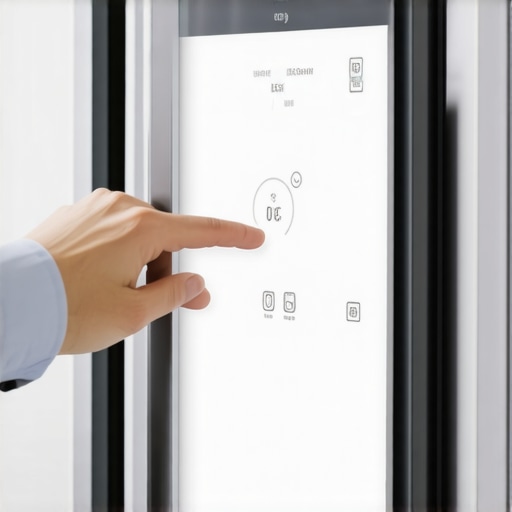
While smart appliances like refrigerators, dishwashers, and washing machines are celebrated for their convenience and advanced features, many homeowners harbor misconceptions that can hinder their proper use or even cause costly mistakes. One common myth is that these devices are completely foolproof, requiring little to no user intervention. In reality, even the most sophisticated smart appliances demand regular oversight and understanding of their quirks. For instance, many users assume that enabling energy-saving modes will always reduce electricity costs, but according to expert analysis, these settings sometimes lead to longer cycles and higher overall energy consumption, defeating their purpose.
Another misconception is that software updates are optional or insignificant. However, neglecting regular updates can leave your devices vulnerable to glitches, security breaches, or malfunctioning sensors. This oversight is especially problematic in devices like smart refrigerators, which rely heavily on accurate sensor data for optimal operation. For example, failing to update the firmware might prevent calibration adjustments from taking effect, risking food spoilage or energy inefficiency. To avoid these pitfalls, it’s crucial to stay on top of your appliances’ software notifications and learn how to perform updates properly. Curious about the best way to keep your appliances running smoothly? Here’s a guide to streamline the process.
Many users also overlook the importance of understanding the nuances behind smart sensor functionality. Take refrigerators, for example: many believe that their digital display always shows the actual internal temperature. This misconception can lead to neglecting crucial calibration steps, causing the fridge to operate inefficiently or spoil food. In fact, sensors can drift over time, giving false readings that make the appliance cycle excessively or too infrequently. Regular calibration, like described here, ensures your fridge maintains accurate temperatures, safeguarding food quality and saving energy.
Why Do Sensors Fool Us and How Can We Detect It?
Advanced sensors are designed to be precise but are still susceptible to environmental factors and wear, leading to inaccurate readings. For instance, humidity, dust accumulation, or slight misalignments can skew sensor data over time. Recognizing this requires a proactive approach: perform periodic manual checks using reliable thermometers and compare their readings with the appliance’s data. If discrepancies arise, calibration or sensor replacement may be necessary. This process underscores the importance of not blindly trusting digital readouts, even in high-tech devices. For more insights on maintaining your appliances’ efficiency, consider exploring why energy star ratings don’t guarantee lower bills.
Ultimately, the hidden nuance in smart appliances lies in understanding their limitations and the need for active management. Technology provides incredible convenience, but user vigilance ensures these devices serve you optimally. Make sure to implement routine checks, stay updated with firmware releases, and understand sensor behaviors for a truly smart and efficient home. Have you ever fallen into this trap? Let me know in the comments.
Investing in Reliable Tools for Optimal Performance
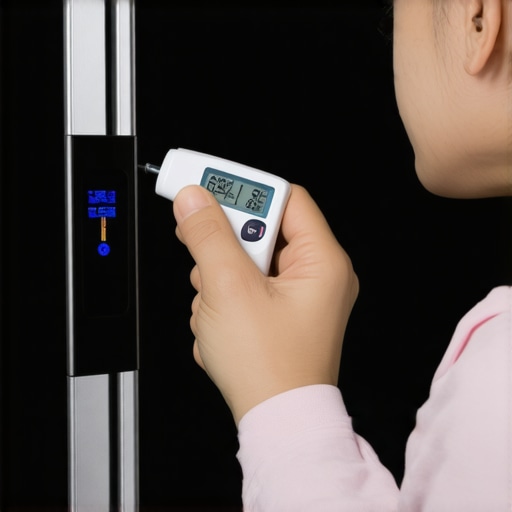
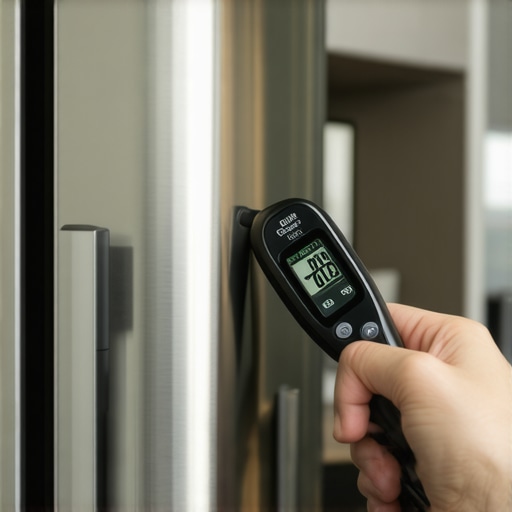
To keep your smart appliances functioning efficiently over the years, I recommend using a high-quality digital infrared thermometer like the Fluke 62 MAX Plus. Its durability and accuracy—within 0.5°C—allow me to perform quick temperature checks on refrigerators, ovens, and washing machines without invasive procedures. Regularly measuring these parameters helps detect sensor drift early, preventing minor issues from escalating into costly repairs. Calibrating your smart oven regularly with precise tools ensures consistent baking results and energy efficiency. Investing in such tools saves me both time and money, extending the lifespan of my appliances and maintaining peak performance.
Software and Apps That Keep You in Control
Managing multiple smart appliances becomes seamless with dedicated apps like SmartThings for Samsung or Home Connect for Bosch. I personally use SmartLife because of its intuitive interface and comprehensive device compatibility, which allows me to schedule maintenance reminders, monitor energy consumption, and troubleshoot issues remotely. This proactive approach ensures that even minor anomalies are addressed before they cause significant problems. For example, setting up alerts for unusual energy spikes can hint at sensor misalignments or mechanical faults, prompting me to perform calibration checks or cleanings proactively.
How do I maintain my appliances’ health over time?
Implementing routine inspections using these tools and apps is key. For refrigerators, this means weekly temperature checks with an infrared thermometer, ensuring your coils are clean and functioning properly, preventing energy waste. For dishwashers and washing machines, routinely inspecting spray arms and filters keeps cycles efficient and prevents buildup—this is especially critical with high-efficiency models prone to clogging. Stay vigilant with firmware updates through manufacturer apps, which often include performance improvements essential for long-term reliability. The trend points toward more integrated diagnostics, enabling appliances to self-report issues before they escalate, a feature I believe will become standard within the next few years.
Long-Term Benefits of Consistent Maintenance
Consistent upkeep translates into tangible savings and peace of mind. Regular sensor calibration and component checks drastically reduce energy consumption, as explained in this detailed analysis. Additionally, maintaining internal components prevents premature wear, extending appliances’ life spans—often doubling their original warranty periods. From a practical perspective, staying ahead of issues minimizes downtime. When my refrigerator began making strange noises, a quick inspection with my digital thermometers and app diagnostics revealed a minor coil misalignment that I fixed myself, avoiding expensive service calls.
Scaling Up for a Smart Home Environment
As your confidence grows, integrating more appliances becomes natural. For larger households or those seeking automation, I suggest ensuring all devices are compatible with a unified management system, like Apple HomeKit or Amazon Alexa. Automating routines, such as pre-cooling the refrigerator before grocery delivery or scheduling dishwasher runs during off-peak hours, enhances efficiency and convenience. Regularly revisiting your maintenance routines with these tools and staying updated on new features or sensors ensures your entire kitchen remains in top condition. Remember, the future of home appliances lies in predictive maintenance, where your system alerts you to issues weeks before failure, much like the recent advancements described in industry reports.
Don’t wait for problems to arise—invest in the right tools and habits today. For instance, start by using your infrared thermometer to perform a weekly temperature check—it’s a simple step that can save you from costly failures tomorrow.
< >
>
Implementing these practical tools and routines not only prolongs your appliances’ lifespan but also enhances your overall home efficiency. As technology advances, the capacity for diagnostics and maintenance will only improve, making proactive care more accessible and essential for modern smart home advocates.
Throughout my journey with smart appliances, I discovered that a seemingly minor task like sensor calibration can unlock a world of efficiency and food safety. One of the most profound lessons I learned was the importance of trusting but verifying your device readings. Relying solely on digital displays without occasional manual checks can lead to costly mistakes. Additionally, I realized that investing in reliable tools, such as a high-precision infrared thermometer like the Fluke 62 MAX Plus, makes routine calibration straightforward and effective.
Another insight was realizing that firmware updates are not just about new features—they are vital for maintaining sensor accuracy. Ignoring updates essentially leaves your appliances in the dark about their own health, risking spoilage or energy waste. Moreover, I learned that regular monitoring using dedicated apps like SmartThings or SmartLife helps catch issues early, often before you notice any obvious signs of malfunction.
Finally, I understood that calibration isn’t a one-time fix but a continuous process. Periodic checks after power outages or appliance movement are essential to keep your smart fridge performing at its best. Embracing this proactive approach transformed my kitchen into a more reliable, energy-efficient space, saving me money and peace of mind.