
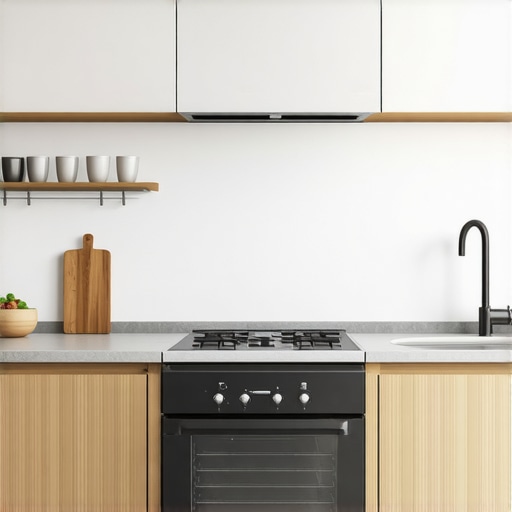
I remember the exact moment I realized my kitchen was more cluttered than a busy market stall. It was a quiet Sunday, and I reached for my coffee maker. Instead of a sleek, unobtrusive device, I was met with a bulky, noisy appliance that stuck out like a sore thumb among my minimalist decor. That day, I promised myself I’d find a way to enjoy a functional, beautiful kitchen without sacrificing space or style.
Why Minimalist Kitchens Need Thoughtful Appliance Choices
Living with a minimalist aesthetic means every item needs a purpose—and nothing more. But choosing the right appliances isn’t always straightforward. The challenge is balancing compactness, efficiency, and style. The wrong pick can turn your sleek kitchen into a cluttered nightmare or leave you wishing for better functionality.
Is Bold Minimalism Hype or Reality?
Early on, I made the mistake of focusing solely on size. I bought a tiny fridge without considering energy efficiency or capacity, only to find myself constantly reorganizing and feeling frustrated. It wasn’t until I dug deeper, reading reviews like those on energy-efficient refrigerators, that I realized quality and functionality matter just as much as size. Have you ever faced a similar dilemma where your appliances just didn’t live up to your expectations? If so, you’re not alone. Navigating the maze of options can be daunting, but I promise, with a little insight, you can create a kitchen that’s both beautiful and practical.
Supportive data from the U.S. Department of Energy indicates that upgrading to energy-efficient appliances can reduce your household’s energy consumption by up to 30%. That’s not just good for the environment—it’s good for your utility bill too. So, how do you pick the right appliances without overstuffing your limited space? That’s what I’ll help you with next. We’ll explore how to choose appliances that keep your kitchen uncluttered, functional, and stylish, starting with refrigerators and dishwashers—the heart of any kitchen.
Prioritize Compact and Multi-Functional Designs
When selecting appliances, look for models that serve multiple functions or have space-saving features. For instance, a microwave with built-in convection can replace a traditional oven, saving countertop space. I once swapped out my bulky oven for a combi-microwave, which I installed on a wall shelf. The result was a sleek, open countertop that made my kitchen appear larger and more organized.
Measure and Plan Before You Buy
Take precise measurements of your available space, including height, width, and depth. Use masking tape to outline where each appliance could fit to visualize the layout. I did this when choosing a slimline dishwasher; marking the space on the floor helped me select the perfect model that fit perfectly between my cabinets. Use resources like this guide to understand how to fit appliances into tight spaces.
Choose Energy-Efficient Options Wisely
Opt for appliances with good energy ratings to save on utility bills and reduce clutter caused by frequent replacements. For example, energy-efficient refrigerators tend to be more compact and better insulated. I replaced my old fridge with a model highlighted in this review, which not only took up less space but also lowered my electricity bill.
Implement Vertical and Hidden Storage Strategies
Maximize vertical space by stacking appliances or installing wall-mounted units. For instance, placing your microwave above your countertop frees up workspace. I installed a wall-mounted microwave, which cleared my counters and created a streamlined look. Be sure to check this resource for tips on fitting appliances into tight or unconventional spaces.
Maintain Regular Cleaning and Maintenance
Keep appliances clean to prevent buildup that can make them appear larger and more cluttered. Regularly empty crumb trays, clean filters, and wipe down surfaces. In my experience, a quick weekly wipe of my dishwasher’s spray arms, guided by this tutorial, kept my appliance running efficiently and looking tidy.
Utilize Technology for Smart Management
Leverage smart features like app controls and scheduling to optimize appliance use and reduce unnecessary clutter. I connected my refrigerator to my home Wi-Fi, enabling me to monitor contents remotely and adjust settings via the app, which prevented overbuying and storage clutter. If your appliances support smart features, explore these tips for seamless integration.
Many enthusiasts believe that smart appliances, like refrigerators and washing machines, are foolproof when it comes to enhancing efficiency and convenience. However, as an expert in modern home tech, I can tell you that there’s a lot more nuance than the glossy marketing suggests. One widespread misconception is that smart devices automatically optimize energy use without user intervention. In reality, settings and user habits heavily influence energy savings, and failing to configure these properly can lead to higher-than-expected utility bills.
Why Do Many Users Overestimate Smart Features?
A typical trap is assuming that the ‘smart’ label guarantees optimal performance. For example, many don’t realize that smart refrigerators need periodic software updates to function correctly, or that their home Wi-Fi stability directly impacts appliance responsiveness. Skipping firmware updates can leave your device vulnerable or cause it to mismanage energy consumption. Studies, such as those from Energy Star ratings, indicate that poor update management diminishes the benefits of energy-efficient appliances.
Beware of the ‘Set It and Forget It’ Mindset
Many believe that once a smart appliance is set up, it will continuously optimize itself. But advanced appliances often come with complex features that require user knowledge to avoid common pitfalls. For instance, a smart washing machine might have multiple modes for different fabrics, but selecting the wrong program can lead to subpar cleaning or long drying times, as detailed in this guide. Regularly reviewing and adjusting settings ensures you’re truly benefiting from your investment.
Additionally, neglecting to use features like energy-saving modes correctly can negate potential savings. I recommend exploring settings like eco modes, which studies from the Department of Energy show can reduce energy use by up to 30%, but only if used properly and in conjunction with other habits, such as full loads and proper temperature settings.
Do Smart Appliances Actually Prevent Common Home Mishaps?
Another myth is that these devices are inherently more reliable or less prone to issues like leaks, blockages, or mechanical failures. Reality check: without proper maintenance—regular cleaning of filters, sensors, and drainages—the smart features can malfunction or even exacerbate problems. For example, a miscalibrated refrigerator could freeze vegetables or leave the water dispenser dripping constantly (see why).
To safeguard your smart appliances, stay informed about routine maintenance and software updates. Additionally, understanding their limitations helps prevent costly repairs or replacements. Always remember that technology is a tool—its effectiveness depends on user knowledge and regular care.
Are you guilty of overestimating what your smart appliances can do? If so, I encourage you to review your devices’ settings and maintenance routines. The difference between good and great usage is often in the details, not just the features. Share your experiences below, and let’s discuss how to avoid these common pitfalls and truly elevate your smart home experience.
How do I keep my appliances performing at their best over time?
Maintaining smart home appliances isn’t just about cleaning them once in a while; it requires a strategic approach to software updates, routine checks, and the right tools. I personally swear by a combination of manufacturer-specific diagnostic tools and universal cleaning kits to prolong the lifespan of my appliances. For instance, regular firmware updates are critical—these often include security patches, performance improvements, and new features. To streamline this process, I utilize the official apps provided by appliance brands like Samsung SmartThings or LG ThinQ, which allow me to check for updates remotely and schedule maintenance tasks. Additionally, I rely on a high-quality microfiber cloth and a gentle cleaning solution for regular surface cleaning, but when it comes to internal components like filters or gaskets, I use specialized tools such as the Washing Machine Gasket Cleaning Kit that helps remove mold and buildup without causing damage.
Predicting the future, I believe IoT devices will become even more self-maintaining with advanced diagnostics, but for now, proactive manual checks remain essential. The key is establishing a routine—set reminders to clean filters and run diagnostic tests. For example, in dishwashers, regularly inspecting and cleaning the filter and spray arms prevents residue buildup and ensures optimal cleaning. Use these detailed guides to stay ahead of common issues and keep everything flowing smoothly.
To keep your appliances functioning flawlessly, I recommend creating a maintenance calendar synced with your smartphone alerts. For smart refrigerators, routinely clearing condenser coils—done easily with a vacuum attachment—can significantly improve efficiency, as explained in this article. For washing machines, using a descaling agent monthly helps prevent mineral buildup that can impair sensors and motors. Remember, the best tool in your arsenal is a little bit of preventative care combined with leveraging the latest diagnostic apps to catch issues early before they become costly repairs.
Looking ahead, I see a trend toward AI-powered maintenance assistants that diagnose and even fix issues remotely. Companies like Samsung are already experimenting with predictive maintenance, which could notify you about potential problems before they happen. Meanwhile, I urge you to incorporate routine software updates, deep cleaning, and condition checks—these small steps will pay off by extending your appliances’ life and keeping your smart home humming smoothly. Why not try scheduling a monthly deep-clean session for your refrigerator’s condenser or running a diagnostic test on your washer this week? These simple practices can make a huge difference.
Throughout this journey, I’ve uncovered insights that go beyond simple appliance selection, revealing the deep nuances of maintaining a clutter-free, efficient, and stylish kitchen with smart appliances. These lessons are not just lessons—they’re game-changers that can transform your everyday cooking space into a haven of convenience and minimalism.
What I Wish I Knew About Smart Appliances Before Starting
- Firmware updates are your best friends: Regularly updating your smart appliances prevents malfunctions and ensures you’re tapping into the latest energy-saving features. I used to ignore updates, only to find my appliance’s performance degrading over time—now I schedule reminders for updates, and the difference is night and day.
- Not all smart features are automatically beneficial: Understanding which features genuinely save energy and streamline chores requires digging into user manuals and app settings. It’s tempting to leave defaults, but personalizing these options can lead to noticeable savings and smoother operation.
- Proper internal maintenance matters: Back-end cleaning, like clearing filters and cleaning sensors, is crucial. A smart dishwasher can’t perform at its peak if its spray arms are clogged with residue—regular cleaning, guided by resources like this tutorial, keeps it running flawlessly.
My Favorite Tools for a Smarter Kitchen
- Smart Home Integration Platforms: Apps like Samsung SmartThings or LG ThinQ turn multiple appliances into a cohesive network, giving you centralized control and notifications. I trust these platforms because they simplify complex routines and provide real-time updates, reducing clutter and stress.
- Energy Monitoring Devices: Plug-in meters and dedicated energy monitors help me track appliance efficiency, ensuring I’m not just assuming my smart features save energy but actually verifying it. These tools became essential for maximizing savings.
- Routine Maintenance Apps: Manufacturer-specific apps often include maintenance reminders and troubleshooting guides. I favor these because they offer tailored advice that prolongs appliance life and keeps everything humming smoothly.
- Educational Resources and Forums: Communities like Reddit’s smart home or appliance-specific forums offer real-world insights and troubleshooting tips, making me feel empowered to handle issues myself rather than calling for repairs.
Embracing Change and Moving Forward
Stepping into the realm of smart appliances was initially daunting, but embracing the required maintenance routine and personalized settings has truly paid off. I encourage you to start small—perhaps with a smart refrigerator or dishwasher—and gradually build your connected kitchen. Don’t worry about perfection today; every tweak you make leads to greater efficiency, less clutter, and a kitchen that truly works for you. Why not share your own experiences or ask questions below? This community thrives on shared knowledge and collective growth.