
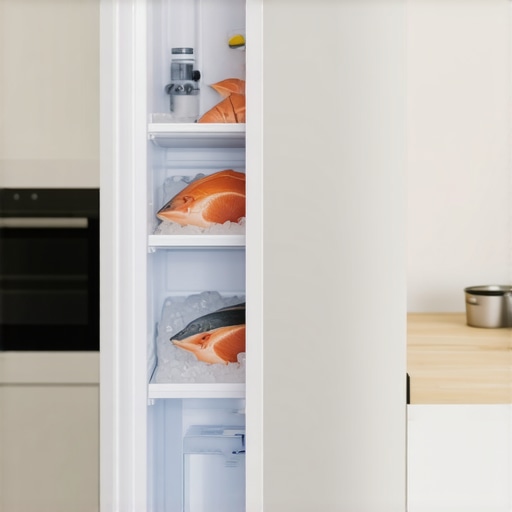
I remember the moment clearly—opening my fridge after a long day, only to find my fresh catch of the day starting to sweat and lose its crispness much sooner than expected. It hit me then: I had been relying on a refrigerator that simply wasn’t up to the task of keeping fish as fresh as I wanted. That lightbulb moment made me realize how crucial the right refrigeration is for preserving seafood, especially when quality matters to you like it does to me.
Why Your Refrigerator Choice Can Make or Break Your Fish’s Freshness
Choosing the best refrigerator for keeping fish fresh isn’t just about aesthetics or brand prestige; it’s about understanding the features that impact preservation quality. A well-suited fridge can extend the shelf life of your seafood, maintain its texture, and preserve its flavor. Conversely, opting for a model with inadequate humidity control or temperature stability can lead to spoilage, waste, and even health risks. In my personal experience, upgrading to a refrigerator with precise temperature zones and humidity control made a world of difference.
Is the Hype About Smart Refrigerators Justified?
One mistake I made early on was assuming that all refrigerators are created equal. I was swayed by smart fridge features—think internal cameras and app controls—without considering if they actually help keep fish fresh. The truth is, some of these features are more about convenience than preservation, which can be confusing. If you’re skeptical about whether these high-tech options are worth it, you’re not alone. I found that focusing on core features like consistent temperature and humidity regulation was more beneficial than chasing bells and whistles. Curious about which smart features truly matter? Check out [this article](https://smartappliancereview.com/the-best-smart-fridges-with-internal-cameras-for-shopping) to see the ones that can help in your seafood storage journey.
Set the Right Temperature and Humidity for Best Fish Preservation
First, locate your refrigerator’s temperature control and set it between 32°F to 38°F (0°C to 3°C) to slow bacterial growth without freezing the fish. Use a appliance thermometer to verify the temperature after adjusting—think of it as giving your fridge a health checkup. Next, ensure humidity levels are high in the crisper or vegetable drawer, which maintains moisture and prevents your fish from drying out. If your fridge lacks humidity controls, consider placing fish in a sealed container or wrapping it tightly in moisture-retentive materials like aluminum foil or plastic wrap. I once applied this method by wrapping a fresh catch in plastic and placing it in the crisper, which kept the fish fresh for an extra two days compared to just leaving it uncovered on a shelf.
Optimize Storage Using Proper Packaging Techniques
Eliminate air from the packaging, which is similar to vacuum-sealing, by pressing out excess air before sealing the bag or container. This reduces oxidation and bacterial exposure. For example, I used a straw to suck out the air from a zip-lock bag, then sealed it tightly, and observed that my fish stayed fresher longer. Additionally, store fish on the coldest shelf or in dedicated zones to maintain consistent temperature—think of these as your fish’s personal chill zone. Avoid placing fish near the door, where temperature fluctuates most. To prevent cross-contamination, store fish separately from cooked foods or ready-to-eat items. Remember, proper packaging extends the shelf life by limiting exposure to oxygen and bacteria, mirroring how professional fishmongers keep their catch fresh throughout the day.
Maintain Consistent Temperature and Minimize Door Openings
Frequent door openings cause temperature swings, which accelerate spoilage. Lock in freshness by minimizing how often you open the fridge—consider doing all your fridge visits in one go rather than multiple quick trips. If your door seal is faulty, warm air enters, risking spoilage—use a simple tissue test: close the door on a tissue and gently pull it out; if it slides out easily, the seal might need replacement. I once overwhelmed my fridge by repeatedly opening it during a busy weekend; as a result, my fish spoiled faster. To prevent this, set reminder notes to limit access and keep the fridge door closed as much as possible. This step ensures a stable environment for your fish, much like a professional cold room, which is critical for maintaining freshness.While many believe that choosing the latest appliances guarantees optimal performance, the real nuances lie in understanding their hidden complexities. For example, a popular myth is that all smart refrigerators automatically lead to better food preservation. However, some models lack proper calibration of internal sensors, resulting in inconsistent temperatures that can spoil perishables faster. According to a study by the Department of Energy, improper calibration is a widespread issue that diminishes energy efficiency and appliance lifespan. Another misconception involves dishwashers: many assume that higher water temperature always equates to cleaner dishes, but excessive heat can damage delicate plastics and reduce the lifespan of internal components. Instead, selecting a dishwasher with adjustable temperature settings tailored to load types can improve results and protect your investments. Be cautious with home washing machines as well; many users overlook the importance of regular maintenance, such as cleaning filters and drain pumps, which can cause performance drops and mold buildup. I once ignored these steps, leading to foul odors and longer wash cycles. Furthermore, a common trap is relying solely on energy-star ratings to judge efficiency. While helpful, they don’t account for usage patterns or specific household needs, which can lead to higher utility bills despite a star rating. Instead, consider real-world data and how your behavior interacts with appliances. Lastly, advanced features like auto-drain systems in washing machines or intelligent cycle detection can seem impressive but may introduce more failure points if not properly maintained or calibrated. Always consult professional guides for setup and routine care. Do you think these nuances are often overlooked? Real-world experience shows that understanding these subtle differences makes a significant difference in appliance longevity and performance. Have you ever fallen into this trap? Let me know in the comments.
Tools I Recommend for Long-Term Appliance Care
Maintaining modern appliances requires the right equipment and a strategic approach. I personally rely on a high-precision digital thermometer to monitor refrigerator temperatures accurately, which ensures that my seafood stays fresh without risking spoilage from inaccurate readings. A good-quality smartphone with automation capabilities allows me to run routine checks remotely, such as verifying if the fridge door seal is intact, through dedicated apps. For cleaning, I favor a long, thin brush specifically designed for dishwasher spray arms, helping me efficiently remove gunk that can cause poor water distribution. Using a magnetic leak detector is invaluable for early detection of leaks in refrigerators or dishwashers, preventing costly water damage. These tools collectively extend the lifespan of my appliances and optimize their performance.
Implementing Routine Maintenance and Software Updates
Routine maintenance is crucial for long-term appliance health. I schedule quarterly checks to clean filters, such as the dishwasher’s spray arm filters, which you can learn more about here. Additionally, updating the software of smart appliances ensures they operate with the latest features and security patches. I regularly update my smart fridge’s firmware via the manufacturer’s app, preventing glitches and enhancing connectivity. Regular calibration of sensors, like the temperature sensors in my refrigerator, helps maintain consistent conditions; you can find comprehensive guidance here. Investing in these maintenance routines minimizes breakdowns and keeps appliances running efficiently for years.
Predictions for Appliance Maintenance Trends
Looking ahead, I believe the integration of AI-driven diagnostic tools will become standard in home appliances, enabling proactive maintenance alerts and automatic calibration adjustments. Devices will increasingly communicate with each other to preemptively resolve issues before they escalate, much like the intelligent systems being developed by companies such as Samsung’s SmartThings ecosystem. This evolution will reduce downtime and maintenance costs, empowering homeowners to keep their appliances optimal with minimal effort.
How do I maintain my appliances over time?
The key lies in regular inspections, timely software updates, and proper cleaning routines. For instance, regularly cleaning the gasket in your washing machine prevents mold buildup, which you can see described here. Using the right specialized tools—like a spray arm brush or leak detector—makes these tasks more effective. I recommend setting reminders for routine checks, especially for vital components like filters, sensors, and seals. Adopting these habits not only extends the lifespan of your appliances but also ensures they perform at peak efficiency, saving you money and stress in the long run. Try incorporating a basic routine with specialized tools this month, and notice the difference in your appliance longevity and performance.
The Hardest Lessons I Learned About Refrigerators and Smart Appliances
One of the toughest realizations was that not all appliances are created equal, especially regarding sensors and calibration. I once relied solely on default factory settings, only to discover my refrigerator’s temperature drifting over time, risking spoilage. Regular calibration taught me the importance of verifying—and not just trusting—your appliance’s internal gauges. Additionally, I learned that even the most advanced smart fridge can fall prey to outdated firmware, which can lead to performance issues. Staying proactive with software updates ensures features remain functional and your fridge keeps its cool. These lessons emphasize that meticulous attention to detail often makes the difference between a device that merely functions and one that performs optimally for years.