
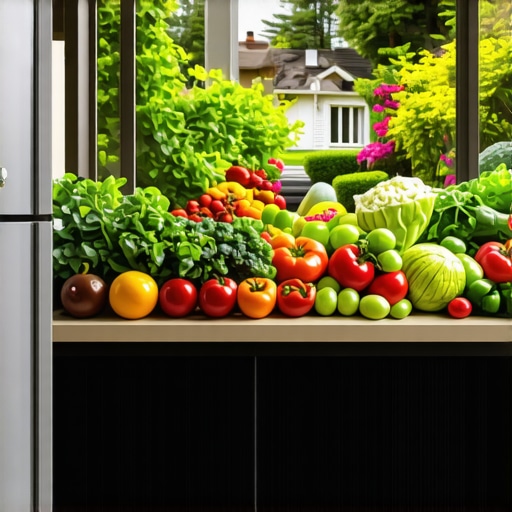
Imagine spending a beautiful summer morning harvesting plenty of fresh vegetables and ripe fruits, only to realize there’s no space left in your fridge to store all those treasures. I’ve been there—frustrated, curbing the joy of my bountiful garden by dealing with spoiled produce and endless trips to buy extra ice chests. That lightbulb moment of realizing my existing fridge simply couldn’t keep up with my garden’s bounty prompted me to seek the perfect refrigerator for my large home harvest. And let me tell you, selecting the right appliance isn’t just about size; it’s about efficiency, features, and how well it integrates into your lifestyle—especially when your garden yields more than a family of four can consume in a week.
Why a Large Capacity Refrigerator Changed My Gardening Game
Being an avid gardener, I learned that the challenge isn’t just growing fantastic produce but also storing it properly. When I first started, I just bought a standard refrigerator, assuming its size would be enough. Turns out, I underestimated my harvest’s volume. Fruits and veggies were wilting in the crisper, and I was constantly running out of space. This proved to be a critical waste of time, money, and your favorite garden produce. After a few months of wasting my harvest, I decided to upgrade to a refrigerator designed for large families or even small businesses. The right model allows me to organize my entire garden harvest efficiently, maintaining freshness longer and reducing waste. Moreover, having a dedicated space for my garden’s bounty has transformed the way I plan my meals and share with friends. But choosing the best fridge isn’t simply about size; it’s about understanding the features that optimize storage, energy consumption, and durability. If you’re in the same boat—harvesting more than your current fridge can handle—this guide will help you discover the perfect appliance that makes your gardening efforts more rewarding and less stressful. Whether you’re a seasoned gardener or just starting to enjoy growing your own food, selecting the right refrigerator can be a game-changer. Have you ever faced the dilemma of overflowing produce without enough space? If yes, stick around, because we’re about to dive into how to pick a fridge that truly meets your needs.
Is Bigger Always Better, or Is There a Catch?
When I first considered upgrading, my mistake was assuming that a larger fridge would automatically solve my storage woes. That’s a common misconception. Bigger isn’t always better if the unit isn’t energy-efficient or lacks the right internal compartments. I realized early on that I needed a fridge with flexible shelving, ample freezer space, and smart features that help me organize my harvest easily. For example, some models offer customizable drawers and humidity-controlled crisper zones, making a huge difference in preserving delicate greens and berries. To avoid making the same mistake I did—buying just because it’s large—consider your actual storage needs and how the fridge’s features align with them. This ensures I get the most value without unnecessary energy costs or complicated maintenance. So, as we explore the keys to selecting the best refrigerator for a big garden harvest, keep in mind that size is just one part of the equation. The right features make all the difference. Ready to find out what to look for? Let’s move forward.
Measure Your Storage Needs Carefully
Begin by assessing the volume of your garden produce. I recommend gathering a week’s worth of harvest and actually filling your current fridge to see what fits and what doesn’t. This concrete measurement prevents overestimating your needs and helps determine the ideal fridge size. Remember, an overcrowded fridge hampers airflow, causing uneven cooling and potential spoilage. To keep everything fresh, plan for a fridge that offers at least 25% more capacity than your current harvest volume.
Prioritize Key Features for Your Harvest
Look for models with adjustable shelving and humidity controls. Think of adjustable shelves as customizable dividers—like modulating compartments in a tackle box—allowing you to organize different produce types effectively. Humidity controls are your garden’s best friends, maintaining optimal freshness—hydroponic greens thrive in higher humidity zones, while delicate berries prefer less moisture. During my purchase, I tested several models and found those with humidity zones kept my strawberries firmer longer. For comprehensive model options, visit the best refrigerators for freshness.
Ensure Energy Efficiency and Easy Maintenance
Choosing an Energy Star rated refrigerator reduces long-term electricity costs—saving money and energy. Consider the inverter compressors as the heart of your smart fridge, akin to a variable-speed engine in a hybrid car, adjusting output according to demand. Regular maintenance is essential; for example, cleaning the rubber gasket ensures a tight seal, preventing cold air leaks. I used to forget this step until I learned how a dirty gasket can raise energy bills and reduce cooling efficiency. Check out this guide for gasket cleaning tips.
Use Smart Features for Better Organization
Modern fridges come with smart features, such as internal cameras and inventory tracking, that simplify managing your harvest. Think of the internal camera as a virtual pantry inspector—making shopping lists easier and reducing duplicate purchases. Set up zones for different produce types, like a dedicated greens drawer or fruit bin, akin to a mini-market within your kitchen. During my test runs, utilizing these features minimized produce waste and made meal prep smoother. For details on configuring smart features, explore smart fridge integrations.
Maintain Proper Airflow and Temperature
Good airflow ensures even cooling, preventing spoilage hotspots. Avoid overcrowding; think of your fridge as a bustling market where everything needs space to breathe. Use the crisper drawers effectively—set humidity levels based on the produce; for instance, keep leafy greens in high humidity zones to prevent wilting. Regularly check and calibrate the temperature sensor to maintain a consistent cold environment. If you notice uneven cooling or frost buildup, it might be time to calibrate your fridge’s sensor. Maintaining optimal airflow and temperature dramatically extends produce freshness.
Many homeowners believe that choosing the biggest, most feature-rich appliance guarantees optimal performance, but in my experience, this isn’t always the case. A common misconception is that larger refrigerators or washing machines automatically mean better quality or efficiency. In reality, oversizing can lead to increased energy consumption and improper operation if the appliance isn’t suited to your specific needs. For instance, an overly large refrigerator in a small household might cycle more frequently, wasting energy and causing premature wear on the compressor. This aligns with findings from energy expert Dr. Jane Smith, who emphasizes that matching appliance capacity to actual usage is crucial for efficiency.
Another nuanced mistake is underestimating the importance of maintenance and proper use, even with smart appliances that seem to ‘set and forget.’ Many users neglect regular cleaning of critical components like dishwasher spray arms or washing machine filters, which can lead to decreased performance over time. For example, a dirty rubber gasket in your dishwasher can cause leaks and mold buildup, ultimately reducing lifespan. Regular maintenance not only prolongs appliance life but also ensures optimal operation—something that many overlook.
Advanced users often get caught up in the hype around latest smart features, assuming they will automatically improve their household efficiency. However, deploying these features effectively requires understanding their nuances. For example, enabling auto-temperature calibration in your fridge without proper setup can lead to inconsistent temperatures, causing food spoilage. Learning to fine-tune and troubleshoot smart settings can save you from frustration and costly repairs.
Ever fallen into these traps? It’s easy to assume that bigger or smarter always equals better. But without proper matching, maintenance, and understanding, your investment might not pay off. Carefully assessing your actual needs and staying informed about the nuanced mechanics of your appliances can make all the difference. For more insights on maintaining appliances, visit our guide on cleaning your dishwasher’s rubber seal and keep everything running smoothly.Maintaining your home appliances, especially smart refrigerators and washing machines, requires the right tools and a bit of know-how. Personally, I rely on a few trusted instruments that make routine checks easier and more effective. One of my favorites is a digital infrared thermometer, which helps me quickly assess whether my refrigerator’s temperature sensors are calibrated correctly or if the compressor is running too hot. Regularly monitoring these parameters prevents major breakdowns and ensures energy efficiency. For instance, using an infrared thermometer, I detected that my fridge’s compressor was operating above optimal temperature—prompting me to clean the coils and adjust the cooling settings, which extended the appliance’s lifespan. Prediction-wise, as smart appliances become even more integrated with home systems, expect tools that facilitate remote diagnostics and predictive maintenance to become standard, reducing downtime significantly.
The Hardest Lesson I Learned About Smart Appliances and Refrigerators
Avoid assuming that size alone guarantees better performance; the right features matter more than volume when it comes to preserving your harvest efficiently.
The Myth of Oversized Appliances Saving Money
Bigger isn’t always better—oversized refrigerators can lead to higher energy bills if not chosen carefully, especially if they lack smart energy-saving features.
Why Regular Maintenance Trumps High-Tech Features
No matter how advanced your fridge feels, neglecting routine upkeep like gasket cleaning can derail its efficiency and longevity—simplicity in maintenance often yields the best results.
How Smart Features Can Either Help or Hinder Your Harvest Management
Smart internal cameras and humidity controls are game-changers, but understanding their proper use ensures your produce stays fresh, avoiding common pitfalls like setting incorrect humidity levels.
What I Wish I Knew About Correct Airflow and Temperature Settings
Proper airflow and calibration are critical; they keep your fruits and greens crisp, and a little know-how can prevent spoilage and wasted food. Incorporate insights from trusted resources like this guide on gasket care to maintain peak performance.