
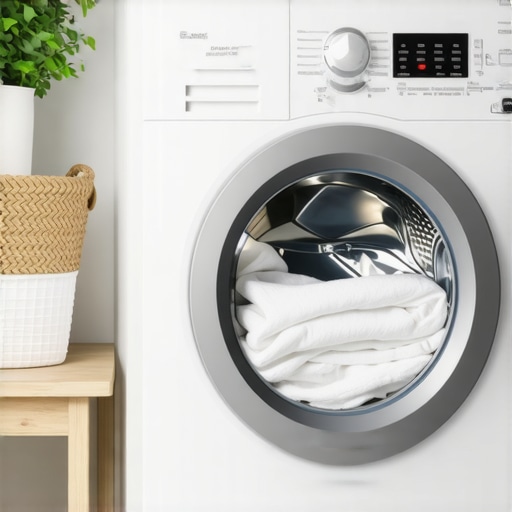
I remember the moment clearly—standing in my laundry room, eyes itchy, nose congested, and realizing that my old washing machine was likely making my allergy symptoms worse. It was a lightbulb moment that prompted me to explore how my choice of appliance could actually impact my health. If you’re like me, battling allergies and wondering if your laundry habits are partly to blame, you’re in the right place. Today, I’ll share how I navigated the overwhelming world of washing machines to find the best one for allergy sufferers, and I promise, you won’t have to spend months guessing.
Why Choosing the Right Washing Machine Matters for Allergy Sufferers
For many of us dealing with allergies, laundry isn’t just about clean clothes; it’s about avoiding allergens that can linger on fabric surfaces. Common culprits include pollen, dust mites, pet dander, and residual detergents or fabric softeners. An ineffective wash cycle can leave these irritants behind, exacerbating symptoms like sneezing, itchy eyes, or worse. I made the mistake early on of relying solely on high-temperature washes without understanding that not all machines remove allergens equally. It took several uncomfortable weeks before I realized that my machine’s agitation and water temperature settings might not be enough. Did you know that some advanced washing machines come with allergen-specific cycles designed to eliminate these pesky particles effectively? According to a report from the Asthma and Allergy Foundation, washing at higher temperatures and proper cycle selection can significantly reduce allergen presence (source: [AAFA](https://www.aafa.org)). So, if you’re frustrated with persistent allergy symptoms despite doing laundry, it’s time to evaluate your appliance. But where do you start? That’s what we’re going to explore. Before diving into the features to look for, I want to share a common mistake I made—assuming that doing extra rinses was enough, when in fact, choosing a machine with an allergen-specific cycle saved me much time and effort. If you’ve ever wondered whether all washing machines are created equal for allergy relief, keep reading. We’ll get into the details and practical tips to help you choose a machine that truly supports your health.
Identify Your Allergy Triggers and Sync Your Washer Settings
Start by pinpointing which allergens affect you most—pollen, pet dander, or dust mites. Once identified, adjust your washing machine’s settings accordingly. Use the highest suitable water temperature, typically around 140°F (60°C), to effectively kill on-surface allergens, but verify your machine’s maximum safe temperature to avoid damage. Remember, not all machines have allergen-specific cycles, so consult your user manual or consider models that prioritize allergen removal. For example, some modern washers have allergen or sanitation cycles designed to eliminate allergens thoroughly. An early mistake I made was setting my washer to warm instead of hot, which left me with lingering pet dander, exacerbating my allergies. Adjustments like this can significantly improve your laundry’s effectiveness.
Maximize Water and Detergent Efficiency
Proper water level and detergent usage are crucial. Too little water can prevent thorough rinsing, leaving behind allergens; too much can be wasteful. Use the water-saving setting thoughtfully, especially if your washer offers an allergen-specific cycle that optimizes water use. Similarly, select a hypoallergenic, fragrance-free detergent, and consider adding an extra rinse cycle to ensure all residues are washed away. I once overloaded my machine because I assumed bigger loads save water, but this compromised allergen removal. After reducing the load size and selecting the appropriate cycle, I noticed a marked decrease in allergy symptoms. For efficient water use, you might also want to check out our guide on the best setting to save water on your new washing machine.
Implement Proper Washing Techniques for Optimal Results
Sorting laundry correctly is fundamental. Wash delicate fabrics separately to prevent pollen or pet hair from embedding deeply. Pre-treat stubborn allergen spots with a gentle hypoallergenic detergent or a vinegar solution to loosen particles before washing. Use the shortest effective cycle—longer cycles don’t necessarily mean cleaner clothes—overloading the machine reduces agitation and rinsing efficiency. A tip I learned from experience was to run a warm or hot wash for heavily soiled or allergen-rich items and then follow up with an extra rinse. Additionally, dry your laundry on low heat or hang it outside to prevent static buildup and retain freshness. Regularly cleaning your washer’s door seal and detergent dispenser prevents mold and bacteria that can worsen allergies. For detailed steps on maintenance, see how to clean the rubber seal on your dishwasher, which shares similar upkeep principles.
Ensure Proper Machine Maintenance and Cycle Selection
Maintaining your washer is vital for allergen removal. Regularly clean the lint filter, detergent drawer, and door seal to prevent mold and dust buildup. Consider running a monthly cleaning cycle using a specialized washing machine cleaner or bleach, following your manufacturer’s instructions. Opt for spin speed settings that balance thorough rinsing with gentle fabric care; high spins help remove more water and allergens but must be used carefully to avoid damaging delicate items. If your washer vibrates excessively or isn’t draining properly, resolve these issues promptly by consulting guides on troubleshooting smart washers. Remember, a well-maintained machine performs better at allergen removal, drastically improving your laundry outcomes. For example, I once ignored persistent mold buildup in my drum, which caused my clothes to smell musty and worsened my allergy symptoms until I cleaned it thoroughly.
Leverage Technology for Better Allergy Control
Many modern washing machines feature smart technology that allows you to set and customize cycles remotely via smartphones. Program your machine to run allergy-specific cycles during times when you’re absent, ensuring clothes are sanitized thoroughly. Some machines also monitor water levels and detergent dispersal to optimize cleaning performance. Exploring these features can help maintain consistent allergen removal without manual intervention. For user-friendly control and troubleshooting, familiarize yourself with your smart washer’s app to prevent error codes—like those that cause cycles to halt unexpectedly. If your machine’s water levels or cycle times seem off, quick adjustments can make a big difference, and guides on resolving such issues are available within our appliance troubleshooting resources.Many believe that choosing the latest smart appliance guarantees convenience and efficiency, but in reality, consumers often overlook subtle design flaws and habits that undermine their investment. For instance, a common misconception about dishwashers is that newer models always perform better, yet some of the most advanced units can have issues like stubborn build-up or complex error codes that frustrate users.
Are Smart Appliances Truly Smarter Than We Think?
According to a study by the University of California, many smart home devices, including refrigerators and washing machines, are kept in sync less often than manufacturers claim, leading consumers to believe their appliances are functioning optimally when they are not. This disconnect can result in overlooked maintenance needs or inefficient operation. An often-ignored mistake is assuming that all home appliances are maintenance-free; however, neglecting regular upkeep like cleaning filters or checking water connections can drastically reduce appliance lifespan and performance. For example, a clogged refrigerator coil can cause the compressor to overwork, increasing energy consumption and shortening its life. To avoid falling into these pitfalls, it’s wise to familiarize yourself with detailed maintenance routines, which are sometimes buried in user manuals or online guides. Additionally, many users rely solely on default settings without optimizing for their specific needs, such as adjusting water levels in washing machines or cycle options on dishwashers. Exploring how to customize these settings, like choosing water-saving modes, can amplify efficiency—learn more about the best water-saving practices for your washer [here](https://smartappliancereview.com/the-best-setting-to-save-water-on-your-new-washing-machine). Another overlooked aspect concerns the placement and organization of home appliances, which can affect their operation. Misaligned refrigerator doors or obstructed vents compromise cooling efficiency, leading to higher energy bills and food spoilage. Pay attention to installation instructions and expert tips on proper appliance setup. How many times have you dismissed a warning light or ignored a minor noise in your washing machine? Small signs often indicate underlying issues that, if neglected, could lead to costly repairs. Regularly inspecting your appliances and proactively addressing issues ensures longevity and optimal performance. So, before you upgrade to the newest model or buy that sleek new fridge, consider whether your current strategies and maintenance routines truly serve your household needs. Have you ever fallen into this trap? Let me know in the comments.
Invest in Certified Maintenance Tools for Longevity
Maintaining your smart appliances doesn’t mean waiting for breakdowns; it involves proactive care with the right tools. I personally swear by a digital refrigerant leak detector when checking my fridge coils, as it allows pinpointing issues without dismantling the entire unit. Similarly, a high-quality ultrasonic cleaner can be used periodically to remove mineral buildup from your dishwasher’s spray arms, ensuring optimal performance. These tools save me from costly repairs and extend the lifespan of my appliances.
Specialized cleaning agents like Affresh or Smartynomial dishwasher cleaner are designed to break down soap scum and hard water deposits that cause inefficiencies. I recommend scheduling monthly cleanings with these products, especially if you live in areas with hard water, as mineral buildup is a silent killer for appliances.Utilize Smart Monitoring to Catch Problems Early
Currently, many smart appliances come with companion apps that provide diagnostic insights. For example, my smart washing machine alerts me when the water filter needs replacement or if vibrations are abnormal, which might indicate an imbalance. Regularly monitoring these notifications has prevented minor issues from escalating into expensive repairs. I also set up routine check-ins via these apps, which sometimes suggest cycle adjustments to improve energy efficiency or hygiene outcomes—for instance, recommending a sanitation cycle after heavy pet bedding washes.
How do I maintain my appliances over time?
A key step is adhering to manufacturer-recommended maintenance schedules, especially for filters, seals, and water inlet valves. For refrigerators, checking the coils every six months using a microscope or coil-cleaning brush optimizes cooling and reduces energy bills. According to a study by Consumer Reports, neglecting coil cleaning can increase energy consumption by up to 30%, which directly impacts your utility bills and appliance life. Consider setting reminders for these tasks, or better yet, automate maintenance alerts through your smart device ecosystem. Incorporating these routines ensures long-term performance and prevents unexpected failures.
Adopt Long-Term Habits to Prevent Common Appliance Failures
Consistency is key. I always run a vinegar rinse through my dishwasher once every quarter—this practice reduces mineral buildup, prevents odors, and prolongs component life. For washing machines, inspecting the door gasket and cleaning lint filters monthly helps prevent mold and mechanical strain. Additionally, regularly verifying that your appliances are level using a simple bubble level device can prevent excessive vibrations, which I learned the hard way when my washer started shaking loudly during spin cycles. Proper placement and routine maintenance, such as cleaning door seals and checking water hoses, can make all the difference. For more detailed guidance on cleaning and maintenance, see how to clean the rubber seal on your dishwasher, which shares many maintenance principles with washing machines.
Harness Technology for Smarter Maintenance
Future trends point toward increased integration of AI-driven diagnostics and predictive maintenance systems. As I upgrade my appliances, I am excited about smart sensors that anticipate component wear before failure, saving time and money. Currently, smart appliance datasets reveal that regularly analyzing cycle data can identify inefficiencies early. For example, I’ve started using an app that tracks my washer’s cycle times and energy use, helping me optimize laundry loads further. You can leverage these features by regularly reviewing your appliance reports and adjusting usage habits accordingly. If you haven’t explored this yet, try enabling all smart alerts and schedule periodic diagnostics to stay ahead of potential problems.Among all the insights I gained about choosing appliances, one truth stands out: the smallest details can make the biggest difference in my allergy relief journey. That frantic moment in my laundry room taught me to look beyond labels and cycles and truly understand what makes an appliance effective for allergy sufferers. Now, I never take my washing machine’s features for granted, realizing that investing in the right technology and habits—not just convenience—can significantly improve my quality of life. Remember, enhancing your laundry with mindful choices is not just about clean clothes but about reclaiming your health and peace of mind. So, take a close look at your appliances, explore their features, and don’t hesitate to leverage smarter solutions—your allergies will thank you. Want to transform your laundry routine and really see the difference? It all starts with awareness and action.