
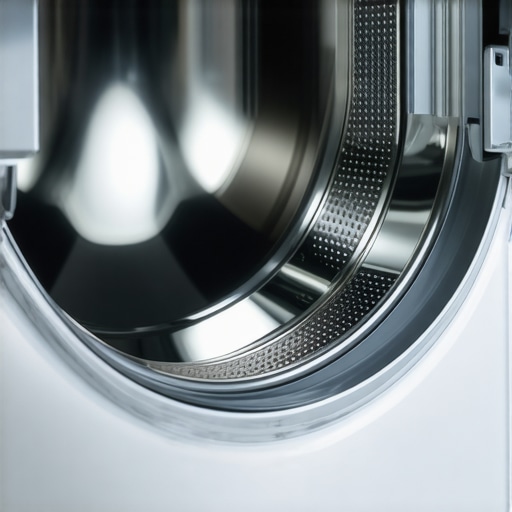
Have you ever been in the middle of a laundry cycle when suddenly, that dreaded scraping noise kicks in? It’s the kind of sound that makes you stop dead in your tracks, wondering if your trusty washing machine is about to die on you. I remember the first time it happened in my own home — I thought I had a broken gear, or worse, a catastrophic failure in the making. But as it turned out, the culprit was often simpler than I imagined.
The Frustration of Unexpected Noises
Nothing disrupts the routine quite like an unexpected, grinding scrape from your washing machine drum. It’s loud, intrusive, and if left unaddressed, could lead to more significant damage or costly repairs. This problem isn’t just annoying; it can also compromise the efficiency of your washer and even damage your clothes—something I learned the hard way early on. I recall a weekend when my machine started making that noise mid-cycle, and I couldn’t ignore it. I dreaded calling a repairperson, but I found that many issues are fixable with a bit of know-how. In fact, studies show that many common appliance problems can be managed with simple troubleshooting, saving homeowners hundreds in repair costs (source: Consumer Reports).
Have You Faced This Problem?
If you’ve ever heard that unsettling scraping sound during your laundry load, you’re not alone. It’s a home appliance mystery that many of us encounter. Luckily, I’ll walk you through what’s really happening and how to fix it—without pulling out your hair or calling in emergency repairs.
But before we jump into the solutions, let’s address a common suspicion: Is this problem serious enough to warrant immediate professional attention? Sometimes, fears about costly repairs can make us panic. That’s why I want to share my most valuable lesson: not every noise signifies disaster. Often, it’s just a matter of identifying the small issues that are easy to fix — like a rogue coin stuck in the drum or a worn-out bearing. In fact, I made the mistake early on of assuming every strange sound meant the worst, which led me to unnecessary service calls. Trust me, a little knowledge can save you a lot of money.
Now, ready to take a closer look at what’s causing that scraping sound and how you can resolve it yourself? Let’s get started with some practical, step-by-step troubleshooting, so you can get your laundry routine back on track without the dreaded noise.
Pull Out the Basics First
Start by unplugging your washer to ensure safety—think of it like turning off a computer before cleaning its components. Then, open the lid or door to inspect the drum for obvious obstructions like coins, buttons, or small objects that can mimic a rogue gear making the noise. I once found a stubborn sock tangled in the drum, causing a persistent scrape — a quick removal solved my problem immediately. Use a flashlight to look for any foreign objects lodged along the drum’s inner wall.
Check the Drum Bearings and Suspension System
If no objects are visible, the next step involves the components that allow the drum to spin smoothly — the bearings and suspension system. Over time, bearings can wear out, much like squeaky wheel bearings in a car, leading to grinding noises. To inspect, remove the back panel of the washing machine (after unplugging it), and look for signs of rust, wear, or excessive play in the drum’s rotation. Worn bearings often sound like rough metal rubbing. Replacing them requires some skill, but if you’re comfortable with basic tools, it can be done at home. Consult your washer’s manual or online tutorials for guidance.
Examine the Drive Belt and Pulley System
Think of the drive belt as a bicycle chain transmitting power from the motor to the drum — if it’s slipping or worn, it causes noise. Remove the cover to access the belt and examine its tension, cracks, or fraying. If you notice damage, replacing the belt can restore quiet operation. The pulley wheels should rotate freely without wobbling; a wobbling pulley indicates a bearing issue in the pulley assembly.
Test the Shock Absorbers and Dampers
These components absorb vibrations during spin cycles, acting like shock absorbers in a car. Worn or damaged dampers make the drum vibrate excessively, producing scraping or banging sounds. To test, gently push down on the drum or top of the washer — if it bounces more than once or twice, the dampers may need replacement. Replacing dampers involves removing screws and may require a second pair of hands, but it’s manageable with patience.
Inspect and Lubricate Motor and Bearings
Sometimes, the motor’s bearings or brushes can squeal or scrape if they’re dry or worn out. Gently rotate the motor shaft to assess smoothness; a rough rotation or squeaking indicates a need for lubrication or replacement. Use a high-quality lubricant suitable for electric motors—apply sparingly. If you’re uncertain, a professional can help, especially considering the motor’s complexity.
Remember to Test and Reassemble
After each fix, reassemble the components and run a short wash cycle to observe whether the noise persists. Be vigilant—if the scraping continues despite troubleshooting, it may be time to call in a professional technician. Still, many issues are manageable with some basic tools and patience, enabling you to save money and avoid unnecessary replacements.
For more tips on maintaining your appliances, consider checking out guides on washing machine water levels or cleaning your dishwasher spray arms.
Many homeowners believe that modern appliances like refrigerators and washing machines are almost maintenance-free, assuming that once set up, they require little to no attention. However, this misconception can lead to overlooked issues that escalate over time. For instance, some think that replenishing the water filter is optional, but neglecting this simple task not only reduces efficiency but also shortens appliance lifespan; learn how to properly maintain your fridge’s water system by visiting this guide. Furthermore, there’s a common myth that smart appliances automatically troubleshoot themselves, but in reality, they often need firmware updates or reconfiguration to perform optimally. Ignoring these steps can cause intermittent connectivity or errors, making you believe the device is faulty when it’s just outdated software.
Why Do Many Homeowners Fail to Optimize Their Appliances Properly?
The truth is, most people underestimate the importance of routine checks and calibration, assuming these are unnecessary or too complex. For example, a miscalibrated refrigerator temperature sensor can lead to inconsistent cooling, wasting energy and spoiling food. Regular calibration ensures your smart fridge works efficiently, saving money and extending its life. Many overlook the importance of proper load balancing in washing machines, which can cause excessive wear and vibration, as explained in this detailed article. Another common error is neglecting to clean condenser coils, which reduces cooling efficiency and increases energy bills. It’s easy to overlook, but a quick coil cleaning can make a significant difference, as discussed in expert sources.
Moreover, a prevalent trap with smart appliances is the misunderstanding that they require less maintenance due to their connectivity. While remote diagnostics are convenient, they do not replace the need for physical upkeep. For example, regular cleaning of condenser coils remains critical even for smart refrigerators. Falling into this trap can cause unexpected breakdowns when issues like blocked vents or dirty coils hinder performance.
Finally, advanced users often overlook the necessity of securing their smart devices against hacking, thinking these devices are too disconnected to be vulnerable. But cyber threats are very real; ensuring your Wi-Fi network is secure and changing default passwords is essential. Techniques like segmenting your smart home network can help prevent breaches—learn more about securing your system by visiting this resource. As technology advances, so do the traps that even savvy homeowners need to watch out for. Don’t let complacency undermine your appliance longevity and security. Keep up with proper maintenance and security practices—you’ll thank yourself in the long run. Have you ever fallen into this trap? Let me know in the comments.
Tools I Trust for Long-Term Appliance Care
Maintaining home appliances requires more than just occasional cleaning; it involves proper tools and techniques to ensure longevity. I personally swear by a high-quality digital multimeter, such as the Fluke 117, because it allows me to accurately test electrical connections and identify issues early, saving me costly repairs down the line. Additionally, a set of precision screwdrivers and a cordless drill with various bits are indispensable for disassembling components like washing machine drums or fridge panels efficiently. When dealing with water lines or filters, I rely on a flexible, reinforced hose — they’re resistant to kinks and can reach tight spots effortlessly, making routine tasks like clearing a clogged fridge water line much simpler.
Essential Software for Appliance Monitoring
Modern appliances increasingly come with smart features that benefit from reliable software. I recommend pairing these devices with a robust Wi-Fi mesh system like the Netgear Orbi, which ensures stable connectivity—crucial for remote diagnostics and updates. For troubleshooting, I use apps provided by appliance manufacturers, such as Samsung SmartThings or LG ThinQ, because they offer real-time monitoring and firmware updates that can preempt failures. Regularly checking these apps can alert you to issues like declining water pressure or filter replacements, preventing breakdowns. Moreover, integrating these tools with a smart home hub, like Amazon Echo or Google Nest, can automate routine maintenance notifications and save you time.
Why Regular Maintenance Pays Off
Consistent care extends the life of your appliances significantly. For instance, scheduling a quarterly cleaning of your refrigerator’s condenser coils—using a microfiber cloth and a brush—can reduce energy consumption and prevent overheating, as detailed in this comprehensive guide. Likewise, running a descaling cycle on your coffee maker or dishwasher every few months prevents mineral buildup, which can impair performance. A simple but effective habit I follow is maintaining a log of maintenance dates and issues, either with a dedicated app or a physical journal. This habit helps me anticipate wear-and-tear before sudden failures happen, saving both money and stress.
Can You Keep Your Appliances in Top Shape Over Time?
Absolutely, but it requires proactive measures. Using diagnostic tools like multimeters for electrical checks or smart apps for software updates can help identify problems early. Additionally, scheduling routine tasks such as cleaning filters, coils, and seals ensures appliances operate efficiently, reducing energy bills and extending their lifespan. In the future, I predict that AI-powered maintenance systems will become standard, offering predictive analytics that notify homeowners of potential issues before they manifest—imagine your refrigerator alerting you to a failing compressor before it fails entirely. For now, I urge you to try integrating a diagnostic approach: pick one tool or software mentioned here and see how it simplifies your appliance upkeep. You might be surprised by how much easier maintaining your home can become.
The Hardest Lesson I Learned About Home Appliances
One crucial realization I had was that the tendency to overlook routine maintenance can be a silent killer for your appliances. I used to believe that once a washing machine was installed, it was set for years of trouble-free service. But neglecting simple tasks like cleaning coils or checking bearings led to costly repairs down the line. Learning to listen to your appliance’s subtle signals can save you hundreds. For instance, paying attention to minor unbalanced spins or unusual odor clues often hints at underlying issues before they escalate.
My Hidden Gems for Keeping Your Appliances Alive Longer
The tools and resources I trust most have transformed how I care for my home. A good digital multimeter, like the Fluke 117, helps me catch electrical inconsistencies early—saving me from unexpected breakdowns. For software solutions, LG ThinQ and Samsung SmartThings are invaluable for real-time alerts and firmware updates. They allow me to monitor and troubleshoot remotely, which is especially useful when I’m away. Additionally, consistent checks with a microfiber cloth and simple brushes have kept my fridge’s condenser coils spotless, boosting efficiency and extending lifespan.
Your Moment to Take Control of Appliance Health
Empower yourself with the knowledge and tools to give your appliances the care they deserve. Small, consistent efforts, like calibrating your smart fridge’s sensors or cleaning your dishwasher’s spray arms, can make a tremendous difference. Remember, technology isn’t infallible—regular manual checks complement smart features beautifully. By taking proactive steps today, you’re investing in a future where your appliances serve you reliably and quietly. Why not start with one simple maintenance habit this week and see how your home responds? Your appliances—and your bank account—will thank you.