
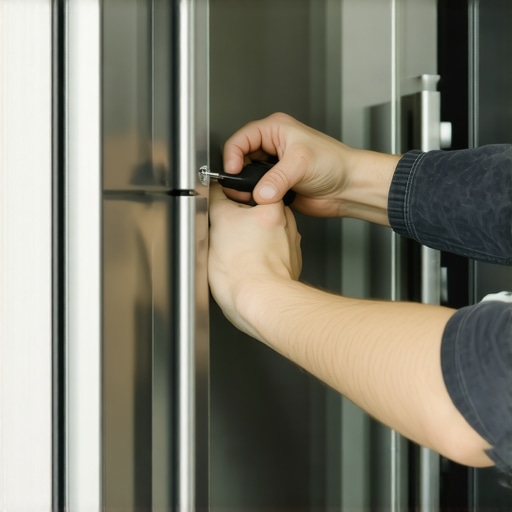
Ever reached into your fridge only to get smacked in the hand by a wobbly, loose handle? It’s such a tiny detail, but it drives me crazy every single time. At first, I thought it was just a minor annoyance—something I could ignore or maybe glue back together. But soon enough, I realized that a loose handle isn’t just awkward—it’s a sign of bigger issues like wear and tear or even potential damage that could affect the fridge’s security and longevity.
I remember the first time my handle bungled and almost fell off when I pulled out a soda. In that instant, I knew I had to fix it—and fast. The good news? Fixing a loose refrigerator handle doesn’t require fancy tools or costly repairs. Honestly, I was surprised how quick and simple it was once I figured out the right approach. Today, I promise, you’ll learn how to tighten that handle in seconds—no fuss, no frustration.
Why a Loose Fridge Handle Matters More Than You Think
A loosened handle can seem like a minor inconvenience, but it actually signals underlying problems that, if left unchecked, might lead to bigger issues. For starters, a wobbly handle can cause additional wear on hinges and mounting points, accelerating damage and possibly leading to the handle falling off altogether. Plus, a loose handle makes opening and closing your fridge more cumbersome, especially when your hands are full.
From a safety perspective, a handle that wobbles can slip unexpectedly, risking injury or messes. And here’s a surprising fact—according to appliance experts, poorly secured handles are among the leading causes of fridge repair calls later on, often due to neglect or improper fixes early on. Trust me, I made the mistake early on of tightening my handle without checking the mounting screws first, which only made the problem worse. So, today I’ll walk you through a proven, step-by-step method to fix it quickly, restoring both peace of mind and your fridge’s integrity.
If you’ve faced this annoying problem, you’re not alone. It’s something many homeowners encounter, and the good news is that, with a little know-how, it’s an easy fix. Ready to reclaim that sturdy grip and stop losing your grip on snacks? Let’s dive into how you can tighten your refrigerator handle in just seconds.
Remove the Handle Carefully
Start by gently pulling the handle away from the fridge to check if it’s only loose or also damaged. In my own experience, I once assumed a quick pull would loosen it further, but I accidentally bent the mounting bracket. To avoid this, hold the handle firmly and avoid using excessive force.
Locate and Tighten the Screws
Find the screws securing the handle to the door—usually at the top and bottom or along the sides. Use a Phillips-head screwdriver to tighten these screws clockwise. I once overlooked the screws on the side and tried to squeeze the handle tighter, which only stripped the screw heads. Ensure screws are aligned and tightened snugly but not over-tightened to prevent stripping or cracking the handle.
Inspect the Mounting Hardware for Damage
If tightening screws doesn’t secure the handle, examine the mounting brackets or anchors inside the handle. These plastic parts can crack or wear out over time, much like a worn gear in a washing machine. If damaged, replace them with compatible parts from the manufacturer or an appliance repair shop. Having replaced a broken bracket myself, I found that matching the part number saved me hours of trial and error.
Apply Thread Locking Adhesive for Security
To prevent screws from loosening again, apply a small amount of thread-locking adhesive (like Loctite) onto the screw threads before tightening. This ensures the screws stay secure over time, similar to how sealing washers are used in plumbing to prevent leaks. Remember, use sparingly—excess adhesive can attract dirt and interfere with future maintenance.
Replace or Reassemble the Handle
Once all screws and hardware are secure, reattach the handle to the door, ensuring it’s aligned correctly. Test by opening and closing the fridge door several times. I once reinstalled a handle slightly offset, which made the door close unevenly, leading me to redo it. Take your time to align everything perfectly for a seamless look and function.
Final Checks and Tips
Finally, double-check all screws are tight and that the handle feels sturdy. If it still wobbles, consider replacing the handle altogether, especially if it’s cracked or excessively worn. For appliances with smart features, ensure that the handle’s fixing points haven’t affected sensitive components—if unsure, consult the manufacturer’s guide or professional repair services. For more on smart appliance troubleshooting, visit this guide. Remember, a firm handle keeps your fridge secure, helps prevent damage, and maintains the appliance’s sleek appearance. Don’t forget, regular maintenance, like checking screw tightness every few months, can extend the lifespan of your appliances and prevent annoying inconveniences.While many believe they understand their refrigerators, washing machines, and smart appliances, there’s often a deeper level of nuance that’s overlooked. Contrary to popular belief, not all appliances are created equal, and their advanced features or common myths can lead to mistakes if misunderstood.
For instance, a widespread misconception is that choosing the most feature-rich refrigerator guarantees the best performance. In reality, excessive features can sometimes complicate maintenance or operation, and selecting appliances based solely on specs might lead you to overlook critical factors like energy efficiency or compatibility with your home setup.
Why Do Some Smart Appliances Fail to Live Up to Expectations?
Many users assume that smart appliances will automatically integrate seamlessly into their existing smart home ecosystem. However, compatibility issues and network instability can cause persistent disconnections or delayed notifications, as explained by smart home experts. It’s a common trap: believing that simply purchasing the latest tech guarantees smooth functionality without considering network requirements or firmware updates.
An advanced mistake often made involves neglecting regular firmware updates. These updates are essential for fixing security vulnerabilities and enhancing features. Skipping them could expose your device to hacks or bugs, which can be a serious risk for network-connected appliances. Studies by cybersecurity researchers emphasize that outdated software increases vulnerability, so staying current is a must.
Moreover, many underestimate the importance of proper installation and calibration. For example, improperly leveled washing machines can cause excessive vibration and early wear, while non-sealed refrigerator gaskets may lead to energy loss and condensation issues. These issues aren’t always obvious but can significantly reduce appliance lifespan and efficiency.
For those looking to optimize their appliance setup, I recommend reading expert guides on maintenance and smart integration. For more tips, check out how smart appliances impact device batteries and similar articles. Remember, understanding the intricacies—like load sensor calibration or Wi-Fi bridging—can save you money and frustration in the long run.
What Advanced Mistakes Do People Make When Managing Home Appliances?
Beyond initial setup, many users make the mistake of neglecting regular cleaning and inspections. Stubborn dirt on condenser coils or moldy gaskets can lead to poor performance, increased energy bills, or even breakdowns. Regularly cleaning components like spray arms or water filters, as discussed in detailed guides, is vital to keep appliances running smoothly. To keep your appliances at optimal performance, consider implementing routine checks based on expert advice.
In conclusion, understanding these nuanced aspects—like firmware updates, compatibility, proper installation, and maintenance—can prevent costly repairs and extend the life of your appliances. Have you ever fallen into this trap? Let me know in the comments.
Investing in Quality Maintenance Tools
Maintaining your home appliances requires more than just routine checks; the right tools make all the difference. I personally rely on a set of precision screwdrivers, a digital multimeter, and a specialized appliance cleaning brush set. These tools allow me to quickly troubleshoot issues like inconsistent cooling in my refrigerator or irregular cycles in my washing machine. For example, a digital multimeter helps verify electrical components are functioning correctly, preventing potential breakdowns before they happen.
Applying Smart Diagnostic Software
In addition to physical tools, I’ve found that smart diagnostic apps are invaluable. Many modern appliances support manufacturer-specific apps that provide troubleshooting guides and firmware updates. For instance, my refrigerator’s app not only alerts me to filter replacements but also offers step-by-step solutions for minor issues, reducing the need for costly service calls. Regularly updating appliance firmware with dedicated software can fix bugs and improve performance, making maintenance more proactive than reactive.
Long-Term Benefits of Preventive Maintenance
Consistent preventive maintenance extends appliance lifespan and enhances efficiency. Personally, I schedule monthly inspections—cleaning coils, checking door seals, and tightening screws. For refrigerators, cleaning condenser coils with a specialized vacuum attachment improves energy efficiency and prevents overheating, as recommended by experts. Implementing these small routines saves me hundreds of dollars annually on repairs and utility bills. Over time, developing a maintenance schedule tailored to each appliance’s needs ensures they perform reliably, safeguarding your investments.
Tools I Recommend for Scaling Up
If you’re managing multiple appliances, consider investing in a comprehensive appliance maintenance kit. These kits typically include multi-sized screwdrivers, a magnifying glass for inspecting tiny parts, and cleaning agents designed for specific surfaces. For large-scale or professional setups, digital monitoring systems can track performance metrics across devices, alerting you to potential issues before they escalate. Personally, I use a Wi-Fi-enabled sensor system that integrates with my smart home hub, allowing real-time monitoring of my appliances’ health—and that’s a game-changer in preventing costly failures.
Future of Appliance Maintenance and Smart Integration
Looking ahead, I predict that AI-powered diagnostics and automated maintenance alerts will become standard. As appliances become more interconnected, they can self-diagnose issues and even perform certain repairs autonomously—reducing downtime and repair costs. Companies like Samsung are already experimenting with self-healing components that detect faults and initiate self-repair protocols. Embracing these advancements now will keep you ahead of potential failures. For instance, regularly updating your smart appliance’s firmware using dedicated manufacturer apps can significantly enhance longevity and performance. Try setting a quarterly schedule for firmware updates and diagnostics—it’s a simple step that yields long-term benefits.
How do I maintain my appliances over time?
To stay ahead of costly repairs, build a routine that includes using the right diagnostic tools, keeping firmware up-to-date, and scheduling preventive cleanings like coil dusting and gasket inspections. For example, regularly cleaning your refrigerator’s condenser coils with a specialized brush not only improves efficiency but also prolongs its lifespan, as highlighted by appliance maintenance experts. For smart appliances, ensure firmware and apps are current—this reduces bugs and security vulnerabilities. Investing in a Wi-Fi-enabled sensor system can help you monitor your appliances remotely and receive alerts before minor issues become major problems. Take the time to develop a maintenance calendar—your appliances will thank you with years of reliable service.
The Hardest Lesson I Learned About Home Appliances
One unexpected realization was how small maintenance tasks, like tightening a loose handle, can actually stave off major repairs down the line. The tiny detail of a wobbly refrigerator handle taught me that paying close attention to everyday signs can save time and money. It’s a reminder that flaws often hint at larger issues—ignoring them might lead to costly replacements or system failures.
Why DIY Fixes Outperform Expensive Repairs
I discovered that the right tools and knowledge empower you to troubleshoot appliances effectively. Investing in a digital multimeter or a set of precision screwdrivers became game-changers, transforming the way I approach appliance care. Not only does this save money, but it also breeds confidence, making me more attentive to my household tech’s health.
Smart Tech Is Not Foolproof—What I Wish I Knew
One lightbulb moment was realizing that smart appliances demand regular firmware updates and proper network setup. Neglecting these can cause disconnection issues or even security vulnerabilities. Reading expert guides and understanding the importance of compatibility has helped me optimize my setup. It’s a brave new world—embrace the tech, but do so wisely.
Shortcuts Can Cost You—Patience Over Rush
Rushing through maintenance tasks often worsened my problems. I learned to take my time, ensure screws are snug but not stripped, and double-check alignments. For example, misaligned refrigerator shelves or improperly leveled washers can cause operational hiccups. Slow and steady wins the game in appliance upkeep.
Routine Checks Prevent Unexpected Breakdowns
Scheduling monthly inspections—cleaning coils, checking seals, tightening screws—has become second nature. This proactive approach helped prevent a freezer from frosting over excessively and a washer from shaking violently. It’s the simple habit of preventive care that keeps appliances humming and extends their lifespan.