
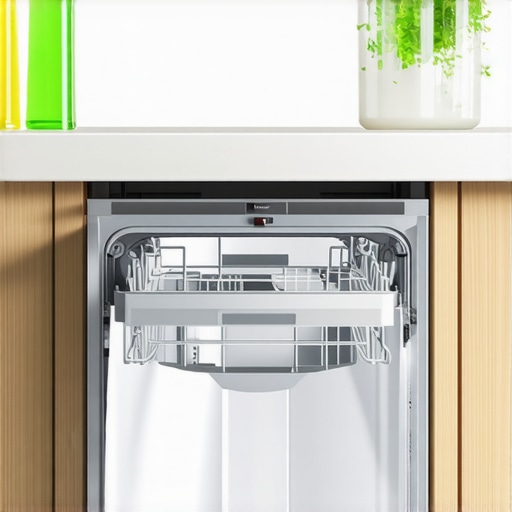
It was a frustrating Saturday morning when I opened my dishwasher, expecting sparkling dishes, only to be hit with that unmistakable funk—like rotten eggs. That awful sulfurous smell had become a regular nuisance, turning what should be a quick cleanup into a nauseating ordeal. I remember thinking, “Why is this happening to me?” and feeling a mix of annoyance and helplessness. After dabbling with various cleaning tips and promising myself it wouldn’t happen again, I finally cracked the code. Today, I want to share exactly how I tackled that stubborn, disgusting odor and how you can do the same.
Why Your Dishwasher Smells Like Rotten Eggs and Why It Matters
First off, that smell isn’t just annoying; it can be a sign of deeper issues lurking within your appliance. The sulfuric odor often stems from the buildup of food debris, mold, bacteria, or even a contaminated drain. Left unchecked, these smells can compromise your family’s health and even cause your dishwasher to work less efficiently. A clean dishwasher isn’t just about fresh-smelling dishes—it’s about maintaining the overall hygiene of your kitchen and extending the lifespan of your appliance.
Early on, I made the mistake of just running a cycle with some vinegar and hoping the smell would disappear. Big mistake. That quick fix only masked the odor temporarily and allowed bacteria to continue thriving in hidden corners. So, if you’re tired of swallowing scent and want to get to the root of the problem, you’re in the right place.
Did you know that according to the Environmental Protection Agency, poor appliance hygiene can contribute to indoor air pollution? That rotten egg smell is more than just unpleasant—it’s a health concern that warrants attention.
Is It Worth the Effort To Fix a Smelly Dishwasher?
Many homeowners dismiss these odors as trivial nuisances, but I can assure you, neglecting them can lead to bigger headaches down the line. I used to think a simple spray of lemon would do the trick, but the real solutions involve a bit more effort—and understanding—of what’s happening inside your dishwasher.
In the upcoming sections, I’ll walk you through the practical steps I took to banish that dreadful smell for good. Trust me, once you see the results, you’ll wonder why you ever tolerated that rotten egg stench in the first place.
But first, let’s explore what might be causing it and the common mistakes that keep this problem alive in many homes.
Deep Cleaning the Filter and Drain Pump
Start by removing and cleaning the dishwasher filter thoroughly using warm soapy water, similar to cleaning a coffee filter after use. This prevents food debris from rotting and causing odors. Next, locate the drain pump and clear out any clogs or buildup, much like unclogging a sink drain. During my own cleanup, I discovered that food particles had accumulated, which was the primary source of the smell.
Run a Vinegar and Baking Soda Cycle
Pour a cup of white vinegar into the detergent dispenser and sprinkle a cup of baking soda across the bottom of the dishwasher. Then, run a hot water cycle. Think of this as a spa treatment for your appliance—destressing and deodorizing all at once. I did this after a deep clean, and within minutes, the air inside the dishwasher smelled fresh, not foul. This step is crucial because vinegar dissolves mineral deposits, and baking soda neutralizes odors.
Inspect and Clean the Spray Arms
Remove the spray arms and check for clogged nozzles—these are like the mouthpieces of a water gun. Use a toothpick or small brush to clear any blockages. Dirty spray arms can circulate residue that causes odor buildup during cycles. I once forgot to clean these, and a stubborn smell persisted despite other cleaning efforts. Regularly maintaining the spray arms ensures optimal water flow and prevents odor trapping.
Clear Out and Sanitize the Door Seal
Check the rubber gasket around the door for mold, mildew, or trapped debris. Use a cloth dipped in a mixture of warm water and mild detergent to wipe it clean. Mold here is a silent offender—like the mold growing on your bathroom grout, it can cause that rotten smell. I often overlooked this step, only to realize the gasket was the culprit after removing a slimy black film. Keeping it dry and clean prevents future odor issues.
Ensure Proper Drainage and Ventilation
Make sure the drain hose isn’t kinked or clogged, which can cause stagnant water and decay—imagine a garden hose left to sit; water stagnates, and smells develop. Also, keep the dishwasher door slightly open after cycles to allow moisture to escape, like airing out shoes to prevent mold. I have personally kept my door ajar overnight and noticed a significant reduction in persistent odors.
Regular Maintenance and Preventive Measures
Schedule monthly cleanings with commercial dishwasher cleaner or a simple vinegar rinse to keep buildup at bay. Think of this routine as regular oil changes in a car—preventative care extends lifespan and maintains efficiency. For those with hard water, installing a water softener can reduce mineral deposits that contribute to odors, similar to descaling a kettle. Consistency here saves you from dealing with foul smells and costly repairs later.
For more tips on smart appliance maintenance and troubleshooting, visit this guide on heavy-duty dishwashers or check out solutions for soap dispenser issues. These resources can help you maintain your appliance’s health and ensure it functions optimally, free from unpleasant odors.Many homeowners operate under misconceptions about their appliances, believing that simple maintenance or guesswork suffices. However, these beliefs can lead to costly mistakes and subpar appliance performance. For instance, a prevalent myth is that all noise from washing machines or dishwashers indicates a malfunction; in reality, some noise is normal, especially during spin cycles or water draining phases, as explained by appliance experts. Believing that using excessive detergent cleans better can cause residue buildup, leading to smells and machine damage, which contradicts manufacturer recommendations often found in appliance manuals. It’s crucial to recognize that smart appliances, despite their convenience, often require firmware updates and proper Wi-Fi setup to operate optimally, as highlighted in studies on smart home technology efficiency.
One common trap is neglecting regular cleaning of filters and sealants—overlooking these can cause persistent odors and mechanical issues that most users don’t anticipate. For example, overloading a washing machine may seem harmless but actually strains the motor and drum, reducing lifespan, a nuance many overlook until costly repairs are needed.
Why do so many misunderstand these appliances? Often, misinformation spreads rapidly through forums or YouTube tutorials that don’t emphasize the importance of manufacturer-specific advice or advanced troubleshooting. This can create a false sense of security, leading users to ignore subtle signs of impending failure, such as unusual vibrations or inconsistent temperatures.
Let’s talk about a subtle yet vital aspect of appliance longevity: calibration. Many mistake that once an appliance seems to operate normally, it’s functioning at peak. However, miscalibrated temperature sensors or load sensors can jeopardize cleaning efficiency and energy consumption. For example, a fridge with misaligned temperature settings may cause frost buildup, wasting energy and causing potential food spoilage, as detailed in technical reviews.
Furthermore, embracing smart technology pitfalls can exacerbate these issues. Relying solely on app notifications without periodic manual checks can lead to overlooked problems. Regularly inspecting and understanding your appliances beyond app interfaces is essential. Remember, even the most advanced smart appliance needs manual maintenance now and then.
To optimize your appliance life cycle, it’s vital to follow tailored maintenance routines, understand the limitations of common myths, and stay informed through trusted sources. Always consult your appliance manual and consider expert advice for nuanced issues like sensor calibration or component wear.
Have you ever fallen into this trap? Let me know in the comments. Staying aware of these hidden nuances is key to extending your appliances’ lifespan and ensuring they work efficiently for years to come.Maintaining your home appliances requires more than just regular cleaning; it involves the right tools, a strategic approach, and understanding the evolving technology. One of my go-to tools is a digital multimeter, which I use to check electrical connections and ensure everything is operating safely without the need for an emergency call. For example, testing the continuity of your refrigerator’s compressor or verifying the wiring in your smart washer can save you time and money. I also rely on a specialized appliance brush set to clean hard-to-reach areas, like spray arms or door seals, ensuring no debris causes odors or mechanical issues. Additionally, using an app like SmartThings keeps me informed about my appliances’ performance and alerts me to potential problems before they escalate, which aligns with studies suggesting smart monitoring extends appliance lifespan.
Lessons from My Hidden Mistakes in Appliance Care
The biggest lesson I learned was the importance of routine maintenance beyond surface cleaning. I used to think that running a cycle with vinegar would be enough, but I ignored hidden areas like door seals and spray arms. If I could go back, I’d focus more on aggressive, targeted cleaning of those parts, which are often overlooked but crucial. Additionally, I underestimated how water quality impacts appliance hygiene; installing a water softener made a remarkable difference in odor prevention. Lastly, trusting quick fixes rather than deep cleaning led me to battles with stubborn smells, emphasizing the value of persistent, thorough care of your appliances—a strategy I highly recommend for anyone tired of recurring odors.