
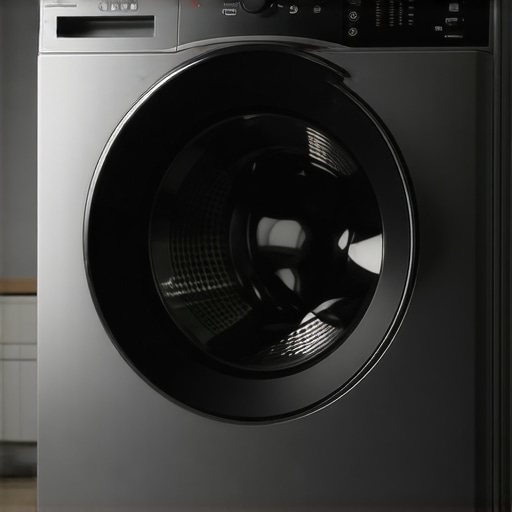
The first time I watched my washing machine shimmy and shuffle across the laundry room floor like it was trying to escape—well, I felt a mix of frustration and disbelief. It was late, I was exhausted, and all I wanted was to finish my chores without turning my home into a battleground. That moment was a lightbulb for me; I realized this wasn’t just an annoyance but a sign that something was seriously off.
Why Your Washing Machine Keeps Moving and Why You Should Care
Imagine standing in your laundry room, hearing that unsettling thud of your washing machine wobbling, then slowly inching away from its designated spot like it’s got a mind of its own. Not only is this disruptive, but over time, it can cause damage to your appliance and your flooring. As I learned, these movements often stem from an imbalance or loose components, but ignoring the problem can lead to expensive repairs.
Addressing this issue isn’t just about comfort; it’s about maintaining the longevity of your appliance and protecting your home. An unstable washing machine can cause leaks, increase noise, and even pose a safety risk. According to experts, a machine that wobbles excessively is a sign that your home’s foundation or the appliance itself needs some attention. [Smart Appliance Review’s guide on leveling washing machines](https://smartappliancereview.com/how-to-level-your-washing-machine-so-it-doesnt-move) offers practical advice to secure your washer.
But before rushing to tighten every screw you see, it’s vital to understand the underlying causes. Sometimes, simple adjustments can save you a trip to the repair technician. Plus, fixing this early prevents further damage and keeps laundry day peaceful.
Have you ever experienced your washing machine dancing across your laundry room, unsure of what to do? If so, you’re not alone—many homeowners face this surprising and frustrating challenge. The good news is, with a few straightforward steps and some know-how, you can banish that wandering washer for good.
Now, let’s dive into the practical ways to keep your washing machine firmly in place, starting with the basics of proper installation and leveling.
Ensuring Your Washing Machine Stays Put
When your washing machine starts dancing across the laundry room, it’s like trying to tame a wild stallion—it needs proper groundwork to stay grounded. The first step is to check the machine’s leveling, much like balancing a tightrope walker, to prevent unnecessary movement. I remember once using a carpenter’s level on my washer; it was surprisingly straightforward to spot the uneven sides and adjust accordingly. This simple act made my washer run smoothly and quietly afterward.
Use a Bubble Level for Precision
Place a bubble level on top of your machine, front and back. If the bubble isn’t centered, adjust the adjustable legs—usually found at the base—by turning them clockwise or counterclockwise. Think of it like balancing a seesaw; small tweaks can make a big difference. Remember, a level washer distributes weight evenly, reducing vibrations during the spin cycle, which is vital for appliance longevity.
Adjust the Feet Properly
Most washers have four adjustable feet. After leveling, firmly tighten the lock nuts to keep the position fixed. For example, in my last setup, I used a wrench to tighten the nuts once I achieved the perfect level. It’s akin to tightening nuts on a bicycle; stability is key. This prevents the machine from walking or shaking excessively. Not only does this protect your flooring, but it also improves washing efficiency.
Secure the Machine to Prevent Shifting
If your washer tends to walk even after leveling, securing it with anti-vibration pads or brackets can help. I’ve used rubber pads under the feet; they act like shock absorbers, absorbing vibrations—much like how a car suspension smooths out rough roads. For more advanced solutions, consider adjustable brackets that anchor the machine to the floor, especially in homes with uneven surfaces.
Install Anti-Vibration Pads
Place rubber or silicone pads under each foot to dampen vibrations. These are affordable and simple to install, effectively reducing movement. Think of them as the slippers that keep a lively puppy from skidding across the floor.
Secure with Floor Brackets
For added security, attach brackets to the floor and latch onto the washer’s base. This is particularly effective if your laundry area is prone to heavy vibrations. During my project, I used L-shaped brackets and some screws, ensuring the washer stayed put regardless of the spin cycle’s intensity.
Final Checks and Maintenance
After adjustments, double-check the levelness and stability. Run a short wash cycle to observe any residual movement or noise. A quick walk around the machine during operation helps identify unseen issues. Remember, maintaining a level and secured washer is an ongoing task—recheck periodically, especially if you notice increased vibrations or movement.
By investing these few minutes into proper leveling and securing, you extend your washing machine’s lifespan, protect your flooring, and keep laundry day stress-free. For more tips on smart appliance setup, visit this detailed guide.
When it comes to home appliances, many homeowners rely on surface-level knowledge, believing that essentials like dishwashers, washing machines, and refrigerators are straightforward. However, there’s a beneath-the-surface layer riddled with nuances, myths, and common mistakes that can sabotage your appliance’s performance and longevity. For example, a pervasive myth is that all detergents are interchangeable. In reality, using the wrong detergent for high-efficiency washers can cause excessive sudsing, leading to poor cleaning and potential damage. Experts advise selecting detergents specifically formulated for your appliance type, like those recommended in our guide on smart washing machines and eco-friendly options.
One trap many fall into is neglecting proper leveling of washing machines and dishwashers. A common mistake is thinking that initial setup is enough; in truth, appliances settle over time, requiring periodic adjustments. Not maintaining a level surface can result in increased vibration, noise, and even early mechanical failure. Regularly checking the level and recalibrating your appliances can save you significant repair costs in the long run.
Advance your knowledge by understanding the difference between smart and traditional appliances. While smart tech offers convenience, many users overlook the importance of secure Wi-Fi connections and firmware updates. Ignoring these can lead to connectivity issues or security vulnerabilities. As suggested in our article on smart appliance security, updating firmware regularly and securing your Wi-Fi network are crucial steps to protect your smart home investments.
Why Do Some Refrigerators Sacrifice Energy for Style, and Is It Worth It?
Many modern fridges prioritize sleek aesthetics, which often leads to compromises such as thinner insulation or less efficient compressors. This trade-off might seem attractive visually but can result in higher energy bills and reduced cooling performance over time. Experts emphasize choosing appliances with balanced design and efficiency ratings, as detailed in our review of refrigerators in 2025, to ensure you’re not sacrificing functionality for aesthetics.
A noteworthy oversight is overlooking the importance of interior organization, especially in refrigerators. Proper arrangement promotes optimal airflow, maintains consistent temperatures, and reduces energy consumption. For instance, packing the air vents can cause temperature fluctuations, leading to spoilage. Our tips on maximizing refrigerator airflow can help you avoid this common mistake.
Have you ever fallen into this trap? Let me know in the comments. As you explore smarter appliances and better maintenance routines, understanding these hidden nuances will help you make informed decisions, prolong your appliances’ lifespan, and enjoy a more efficient home environment. For more insights, check out our comprehensive guide on choosing the right appliances, ensuring you avoid these pitfalls from the start.Maintaining home appliances like washers, refrigerators, and smart devices requires more than just initial setup. I’ve found that having the right tools and adopting consistent routines dramatically extends their lifespan. For example, investing in a digital multimeter, such as the Fluke 115 True RMS Multimeter, has become essential in my toolbox. It allows me to diagnose electrical issues accurately—saving money on unnecessary repairs and preventing potential hazards. I personally use a digital multimeter to check voltage levels in power outlets and verify component functionality, ensuring my appliances operate within safe parameters.
In addition to a multimeter, a quality smartphone app like the Samsung SmartThings app or LG ThinQ has transformed how I monitor and control my smart appliances. These apps provide real-time diagnostics, firmware update prompts, and usage analytics, keeping devices optimized over time. I schedule weekly checks via these apps to catch issues before they escalate.
When it comes to ongoing maintenance, simple tools like microfiber cloths for cleaning condenser coils or vacuum attachments for removing dust from vents directly impact performance and efficiency. Regularly cleaning critical parts prevents overheating and reduces energy consumption—something the Department of Energy emphasizes in their maintenance tips for refrigeration and similar appliances.
Looking ahead, I predict that the trend toward integrated IoT diagnostics and AI-assisted maintenance platforms will become standard. Think of appliances that alert you automatically when repairs are needed or even schedule a technician visit proactively. For instance, innovative models with built-in sensors can analyze usage patterns to predict failures—saving homeowners unexpected costs.
**How do I keep my appliances performing well over time?** First, I run periodic calibration checks on smart sensors—something I do with tools like a calibration thermometer to ensure temperature accuracy in fridges and freezers. I also utilize detailed diagnostic reports from manufacturer apps to identify subtle issues early. Lastly, I follow best practices recommended by industry experts to prevent common problems, such as avoiding overloading washers to prevent motor strain.
If you’re serious about prolonging your appliances’ life, I highly recommend trying out a reliable multimeter and integrating your devices with smart monitoring tools. These proactive steps can make a significant difference. For more advanced strategies, see our comprehensive guide on smart appliance maintenance and stay ahead of potential failures.
Throughout my journey of maintaining home appliances like washing machines and refrigerators, I discovered that the real wisdom often lies beneath the surface. One of the most impactful lessons was realizing that seemingly minor issues, like an unlevel washer or loose connections, can cause significant problems down the line. It became clear that regular checks, maintenance routines, and understanding the nuances of each appliance are essential for longevity and efficiency.
The Hardest Lesson I Learned About home appliances,dishwashers,washing machines,smart appliances,refrigerators
Most homeowners assume that once appliances are installed, they require little more attention. However, I learned the hard way that periodic adjustments—like re-leveling a washer or cleaning condenser coils—are vital. Ignoring these steps led me to costly repairs that could have been prevented with proactive maintenance.
Another insight was the danger of underestimating the power of proper securing methods. Rubber pads, brackets, and lock nuts aren’t just accessories; they are lifesavers in preventing noise, vibrations, and eventual damage. It’s about respecting the engineering behind these devices and giving them the care they deserve.
My Essential Toolkit for home appliances,dishwashers,washing machines,smart appliances,refrigerators
- Digital Multimeter: A versatile tool to diagnose electrical issues early, saving both money and stress.
- Quality Smartphone Apps like LG ThinQ or Samsung SmartThings: These keep you in touch with your appliances’ health and updates, empowering you to act quickly.
- Cleaning Supplies and Brushes for coils and vents—simple tools that maintain efficiency and prevent overheating.
- Leveling Tools, such as bubble levels, to ensure your appliances stay perfectly balanced.
The Future of appliance care fuels my enthusiasm
Looking ahead, I’m excited about the prospect of IoT-enabled diagnostics and smart maintenance platforms. Imagine appliances that notify you when they need attention and even schedule repairs automatically. Adopting these innovations isn’t just about convenience; it’s about transforming maintenance from reactive to proactive, ultimately making our homes smarter and our lives easier.
Remember, embracing these lessons and tools is about more than avoiding problems—it’s about creating a home environment where appliances serve us efficiently and reliably. As you continue to learn and adapt, your confidence in managing home appliances will grow, bringing peace of mind and more enjoyable living experiences.
What unforeseen appliance issue taught you a valuable lesson? Share your story below—your experience might help someone else avoid a costly mistake!