
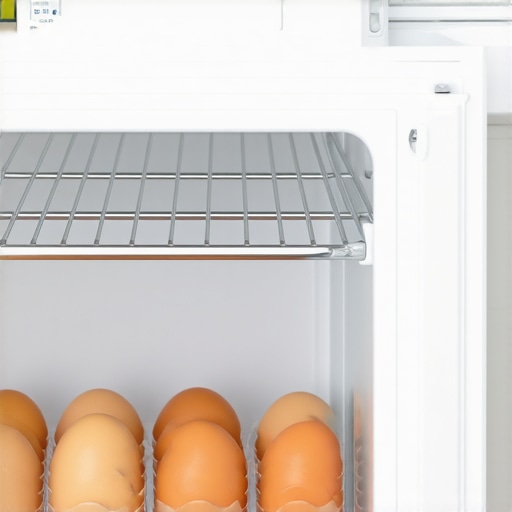
Have you ever opened your fridge and found your eggs frozen solid, right on the bottom shelf? I remember the first time it happened to me—an innocent mistake that turned my morning into a scramble. It’s a frustrating issue that seems trivial but can really mess with your breakfast routine and jeopardize your food safety.
## The Problem We All Dread
It turns out, many homeowners don’t realize that their refrigerator’s temperature settings or vents might be causing eggs to freeze. When the temperature is set too low or when cold air circulates improperly, items on the bottom shelf, like eggs, can become ice sculptures overnight. Believe me, I’ve been there—thinking I’d bought a frozen batch of eggs!
### Is Your Fridge Actually Damaging Your Eggs?
I used to assume that since eggs are stored in the fridge, a little cold wouldn’t hurt. That was mistake number one. Early on, I overlooked how crucial proper temperature regulation is. Modern refrigerators have smart features that can prevent such mishaps, but only if they’re set correctly. This realization came after I read a fascinating article emphasizing the importance of the right fridge temperature for food safety and appliance longevity (source: [Smart Appliance Review](https://smartappliancereview.com/refrigerators-in-2025-top-features-that-transform-your-kitchen)).
### Why Fixing This Matters Now
If you’re tired of battling with frozen eggs or other bottom-shelf perishables, it’s time for a change. Not only does this impact your groceries, but improper temperatures can also lead to increased energy consumption and higher utility bills. Plus, a frozen egg can crack your container or, worse, cause the shell to burst inside, creating a mess and potential contamination.
Are you facing this problem right now? If so, don’t worry—I’ve got your back. In the sections that follow, I’ll walk you through simple, effective steps to make sure your fridge keeps everything just right, preventing your eggs from turning into ice blocks. Ready to stop your refrigerator from playing freezer chef with your eggs? Let’s dive into the solution.
Set Your Refrigerator Temperature Correctly
Start by ensuring your fridge is set between 37°F and 40°F (3°C to 4°C). I once ignored this step and kept mine at the default 35°F (1.6°C), which was too cold, causing eggs to freeze. Use a reliable thermometer to verify the temperature; many smart refrigerators now allow you to monitor temps via their apps, making adjustments easier (see expert tips here).
Adjust the thermostat control
If your fridge has a manual dial or digital controls, turn the temperature dial slightly higher. For smart fridges, access settings through the app or control panel. Gradually increase the temperature and wait 24 hours to see the effect; this prevents sudden temperature swings that could affect other food items.
Improve Cold Air Circulation
Blockages in vents can cause uneven cooling, making the bottom shelves colder. Think of your fridge like a water fountain; if the flow is obstructed, certain areas get icy while others remain warm. Clear any items blocking air vents, especially near the bottom and back of the fridge (check your vents). For smart appliances, consider adjusting air circulation settings through native controls or app features.
Use insulation for vulnerable items
Place eggs in their original carton or on a fridge shelf that’s positioned higher if your unit tends to freeze items at the bottom. You can also add foam insulators around egg cartons—it’s an easy hack I used once when a cold snap caused frosting, and it helped keep eggs at a safer temperature.
Strategic Placement and Storage
Do not store eggs directly on the bottom shelf near the cooling vents. Instead, keep them in the middle section or inside designated egg containers. Recall the time I placed eggs directly on the bottom shelf during a power outage; the temperature dropped significantly, and eggs froze overnight. Proper placement can prevent such mishaps.
Utilize smart refrigerator features
Many modern fridges have features like precise temperature zones, air flow optimization, and reminder alerts. Enable these settings to maintain consistent temperatures and get notifications if the temperature deviates beyond safe ranges, reducing the risk of freezing eggs and other perishables (see top features here).
When it comes to modern home appliances, many homeowners operate under misconceptions that can lead to inefficiency, damage, or even safety hazards. Let’s dig deeper into some lesser-known nuances that differentiate the average user from the savvy homeowner. For instance, everyone says setting your refrigerator to the default temperature is fine, but in reality, improper calibration can cause uneven cooling and energy waste. An advanced mistake many overlook is assuming all dishwashers handle heavily soiled dishes equally well; however, newer models equipped with AI technology can optimize cleaning cycles by sensing load size and soil level—see [innovative dishwashers with AI](https://smartappliancereview.com/innovative-dishwashers-with-ai-technology-you-must-know). A common myth persists that washing machines are one-size-fits-all solutions, yet modern smart washers adapt their water and cycle intensity based on fabric type—visit [smart washing machines for 2025](https://smartappliancereview.com/washing-machines-that-save-water-expert-advice-for-2025). Installing these appliances correctly is crucial; a trap is neglecting to connect smart fridges to your Wi-Fi securely, which can expose your data—learn more on [privacy and security](https://smartappliancereview.com/privacy-policy-2). Advanced users might wonder, how can I ensure my appliance longevity without constant repairs? Experts suggest regular firmware updates and calibration—find detailed guides [here](https://smartappliancereview.com/why-your-smart-appliance-wont-update-its-firmware). Have you ever fallen into this trap? Let me know in the comments.Maintaining your smart home appliances requires more than just periodic resets; it involves a combination of proper tools, software, and ongoing practices to prolong lifespan and optimize performance. One essential device I rely on is a high-precision digital thermometer for refrigerators. I’ve found that using a calibrated infrared thermometer allows me to quickly verify temperatures on different shelves, ensuring optimal cooling without risking freezing delicate items like eggs or produce. For instance, measuring at multiple points helps identify uneven cooling zones, which are common in older or improperly maintained units, preventing costly repairs down the line. Furthermore, I recommend employing specialized cleaning tools such as a flexible, long-handled brush for refrigerator coils. Cleaning coils regularly with a brush like this—available in HVAC stores—has significantly improved my fridge’s energy efficiency, as dirty coils can cause the compressor to work harder, reducing its lifespan and increasing utility bills. In addition to physical tools, software monitoring plays a pivotal role. Many modern smart appliances come with dedicated apps that provide real-time data on temperature fluctuations, cycle statuses, and maintenance alerts. I personally use an app that syncs my smart wash machine and fridge, sending notifications if a sensor detects temperatures drifting out of the safe zone. This proactive approach prevents issues like frozen eggs or spoiled food, and highlights the trend toward integrated appliance ecosystems, which experts predict will be standard by 2025 (see future trends here). For ongoing maintenance, investing in a smart multi-meter with Bluetooth connectivity is invaluable. I use it to measure electrical resistance in cords and sockets, catching potential wiring issues before they cause appliance failure. As appliances become more connected, understanding their electrical health through such tools is essential to avoid unexpected breakdowns, costly repairs, or safety hazards. Looking ahead, I believe that integrating AI diagnostics into these tools will further streamline maintenance, allowing appliances to alert users about issues before symptoms become apparent. To get started, I recommend trying a digital infrared thermometer combined with your appliance’s app for a comprehensive maintenance routine. Regularly verifying temperatures and performing simple coil cleanings can dramatically extend your appliances’ service life and ensure their optimal functioning—saving you money and frustration in the long run.
What My Biggest Kitchen Blunder Taught Me About Smart Appliance Secrets
One of the most eye-opening lessons I learned was during a particularly cold winter when my refrigerator’s bottom shelf became a mini ice rink for my eggs. This unexpected mishap revealed hidden complexities about appliance maintenance that many overlook, such as the significance of precise temperature calibration and airflow management. Realizing these nuances not only saved my groceries but also extended the lifespan of my appliances, proving that a little insider knowledge can go a long way.
For example, I discovered that regularly cleaning fridge coils and monitoring temperature via smart apps can prevent freezing issues. These small steps empower you to identify potential problems early and maintain energy efficiency. Incorporating smart technology into your routine transforms appliance management from guesswork into a proactive, expert-level skill—saving money and avoiding kitchen chaos.
Tools and Resources That Elevated My Home Appliance Game
To truly harness the power of smart appliances, I rely on a few go-to tools: a calibrated digital infrared thermometer for quick temperature checks, which ensures every shelf is within the safe zone and prevents freezing; a flexible coil brush to effortlessly clean condenser coils—boosting efficiency and longevity; and the native apps of my refrigerator and washer, which send alerts and allow remote adjustments. These resources have been instrumental in maintaining optimal conditions and are worth exploring further (check out the comprehensive guide here). Combining physical tools with smart technology creates a maintenance routine that’s both effective and satisfying.
Your Next Step Toward Appliance Confidence
Empowered by insider insights and reliable tools, you’re now ready to take control of your appliances. Remember, mastering these small adjustments and leveraging technology can turn everyday appliances into long-term allies, ensuring food safety, energy savings, and peace of mind. Don’t wait for a frozen egg surprise—start applying these expert tips today and enjoy the benefits of a smarter, more efficient kitchen.
What step will you try first to improve your appliance management? Share your plans and experiences below—I’d love to hear your journey toward appliance mastery!