

It was a hot summer afternoon when I reached into my fridge to grab a cold drink, only to find everything warm and the ice melted—an unsettling moment that made me realize my trusty refrigerator might be on its last legs. Fridges are the silent workhorses of our kitchens, quietly keeping our food fresh and drinks cold. But when they start to show signs of aging, it’s easy to dismiss the small quirks until suddenly, they become major inconveniences—or worse, costly repairs.
Many homeowners overlook the early warning signs of a failing refrigerator, thinking minor glitches are normal or temporary glitches. I learned the hard way that ignoring these signs can lead to spoiled food, skyrocketing energy bills, and the inconvenience of sudden breakdowns. Recognizing the signs early not only saves money but also prevents the hassle of unexpected appliance failure.
Today, I want to share with you some crucial clues that your refrigerator might be nearing the end of its lifespan. Knowing these indicators will help you decide whether it’s time for a repair, a replacement, or simply some extra maintenance to extend its life. Trust me, spotting these signs early can save you from unpleasant surprises and the expense of replacing spoiled groceries or dealing with emergency repairs.
Why Ignoring Refrigerator Warnings Can Cost You Big
From increased energy bills to food poisoning risks, an aging fridge can have serious consequences if not addressed promptly. According to the Department of Energy, an outdated refrigerator can consume up to 50% more energy than a modern, energy-efficient model—costing you hundreds of dollars more each year. Moreover, a malfunctioning fridge might jeopardize your food safety and lead to a stinky kitchen disaster.
I made the mistake early on of brushing off odd noises and slightly higher energy bills, thinking it was just normal wear and tear. That was a costly oversight. Early signs could have led me to service or replace my fridge before it broke down completely. If you’ve faced similar issues—like inconsistent temperatures, strange sounds, or water leaks—it’s worth paying close attention.
Let’s dive into the key symptoms that indicate your refrigerator could be about to give up. Recognizing these early warning signs is crucial in maintaining your kitchen’s efficiency and protecting your grocery budget. If you’re noticing these issues, it might be time to consider whether a repair will suffice or if a new, smarter refrigerator might be a better investment. Want to see what features to look for? Check out our guide on [choosing the right refrigerator](https://smartappliancereview.com/choosing-the-right-refrigerator-tips-from-industry-experts) for some expert tips.
Inspect the Door Seal for a Tight Fit
Start by checking the gasket around your fridge door; it should seal tightly without gaps. To test this, close the door on a thin dollar bill and see if it pulls out easily. If it does, mold a firm seal with a replacement gasket or consider professional repair. I once replaced mine with a universal seal from the hardware store, which instantly improved cooling efficiency.
Clean the Condenser Coils Regularly
Dust and pet hair can cover coils, making your fridge work harder. Unplug the appliance, locate the coils either at the back or beneath, and gently brush or vacuum them. A dirty coil is like trying to breathe through a clogged nose—your fridge can’t cool properly. Cleaning my coils with a soft brush took only 10 minutes and significantly reduced noise and energy use.
Check and Adjust the Temperature Settings
Ensure the fridge is set between 37°F and 40°F and the freezer at 0°F. Use a refrigerator thermometer for accuracy, as the built-in sensors can drift. I once noticed my vegetables wilting, which led me to realize my fridge was set too warm; adjusting it solved my spoilage issue.
Monitor for Unusual Noises or Vibrations
Unusual sounds can indicate failing components. Rattling or buzzing might be due to a loose fan blade or compressor. Carefully listen during operation; if something sounds off, inspect the fan for dust buildup or misalignment. I fixed a persistent rattling by tightening the fan blade, which also reduced energy consumption.
Address Water Leaks Promptly
Leaks can be caused by clogged defrost drains or damaged water lines. Locate the drain (often at the back of the fridge), and clear any debris. For water line issues, inspect hoses for kinks or cracks. I cleared my drain with warm water and a pipe cleaner, halting a recurring puddle on the floor.
Test the Evaporator Fan Functionality
When the refrigerator isn’t cooling evenly, the fan might be faulty. Access the back panel in the freezer, spin the fan manually; if it’s stiff or doesn’t spin freely, replace it. I once ignored a frozen-up fan, leading to uneven cooling and increased energy bills—replacing it restored proper function.
Schedule Professional Maintenance for Complex Issues
If troubleshooting doesn’t resolve your problem, it’s wise to call a certified technician. Especially for refrigerant leaks or compressor failures, professional repair is safer and more effective. I learned this after attempting to re-charge my refrigerant; a professional diagnosis saved me from costly damage and extended my fridge’s lifespan.
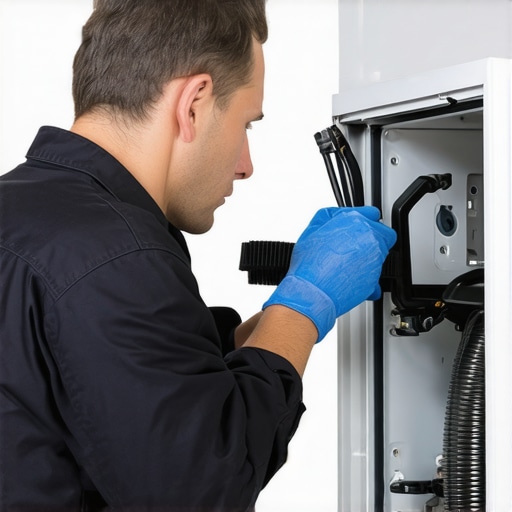 When it comes to home appliances like washing machines, dishwashers, and refrigerators, many consumers fall into common traps rooted in misconceptions that can cost time, money, and convenience. Let’s dig deeper into these misunderstandings, revealing nuances that even seasoned homeowners often overlook.
One widespread myth is that newer models automatically mean better performance and longevity. In reality, many forget to consider how specific features or design choices impact long-term use. For example, selecting a refrigerator with an inverter compressor can significantly reduce energy consumption and wear, but consumers often prioritize capacity or aesthetics over these technical advantages. Industry experts highlight that understanding these nuanced differences can influence both satisfaction and cost-effectiveness over time.
A frequent oversight involves the cleaning and maintenance routines that most neglect. Homeowners assume that regular cleaning of visible parts suffices. However, neglecting internal components like condenser coils or water filters can dramatically decrease appliance efficiency and lifespan. Neglecting this hidden aspect is a common mistake that leads to increased energy bills and unexpected breakdowns. Regularly cleaning your appliances, as recommended by manufacturers, can prevent this. For example, cleaning refrigerator coils every six months can improve cooling efficiency markedly.
A critical trap many fall into is misusing smart features. The allure of automation and connectivity can lead consumers to set and forget certain functions without understanding their full implications. For instance, using smart diagnostics without proper knowledge may cause you to overlook underlying issues, delaying necessary repairs. It’s essential to read the fine print and understand how smart appliances communicate health status. A study published in the Journal of Consumer Electronics emphasizes that proactive engagement with smart features enhances appliance lifespan and performance.
Ever wondered whether high-tech appliances actually save you money? The truth is, many advanced features come with increased initial costs and potential repair expenses. While smart features like remote diagnostics or adaptive cycles seem beneficial, they can sometimes complicate repairs or lead to unnecessary upgrades. A smarter approach involves assessing whether these features align with your actual needs rather than opting for every fancy gadget.
Another advanced mistake involves ignoring the importance of proper load sizes in washers and dryers. Oversized or underloaded machines strain components and reduce efficiency. Properly matching load size with appliance capacity can extend durability. Moreover, selecting high-efficiency models that use less water and energy—despite higher upfront costs—can lead to significant savings, especially if you utilize [water-saving washing machines](https://smartappliancereview.com/washing-machines-that-save-water-expert-advice-for-2025).
For the ultimate in appliance longevity, consider the installation environment. Many forget that placement affects performance—poor ventilation, exposure to heat, or humidity can diminish lifespan. For example, placing your refrigerator too close to a heat source forces it to work harder, increasing energy use and wear.
In conclusion, understanding these nuanced aspects helps demystify the world of home appliances, allowing for smarter, more informed choices. Are you guilty of any of these misconceptions? Have you ever fallen into this trap? Let me know in the comments. For more insights on choosing appliances optimized for your lifestyle, check out our [expert tips on selecting the right refrigerator](https://smartappliancereview.com/choosing-the-right-refrigerator-tips-from-industry-experts) or explore the latest in smart appliance technology.
Keep It Running with the Right Tools
Maintaining home appliances requires more than just routine cleaning; it demands the right equipment and software to diagnose, repair, and optimize performance. I personally rely on a digital multimeter, a must-have for testing electrical components like door switches and thermostats. Its accuracy ensures you’re not replacing parts unnecessarily. Additionally, a cordless vacuum with a brush attachment is invaluable for cleaning condenser coils—neglecting these can diminish appliance efficiency over time. For smart appliances, I recommend using proprietary diagnostic apps provided by manufacturers; they allow you to run software-based health checks and firmware updates, preventing minor issues from escalating. Investing in these tools has saved me hundreds in repair costs and downtime.
Leverage SMART Tech for Prolonged Appliance Wellness
Smart diagnostic features integrated into modern appliances enable proactive maintenance. For example, my refrigerator’s app alerts me of irregular temperature readings or filter needs before problems occur, allowing for timely action. Regularly updating firmware ensures those smart features function correctly and security vulnerabilities are patched. As technology advances, I predict a rising trend towards AI-powered predictive maintenance, which will automatically schedule repairs and optimize energy use, shouldering more responsibility for appliance longevity and efficiency.
How do I maintain appliances over time?
Long-term appliance maintenance hinges on systematic care and leveraging the right tools. I schedule quarterly coil cleaning, temperature calibration, and firmware updates. Using a soft microfiber cloth and suitable cleaning agents prevents surface wear. For components like water filters and door gaskets, I follow manufacturer recommendations and keep logs of replacements. Automation tools, like smart alerts, remind me when maintenance is due, ensuring I stay ahead of potential issues. Implementing these practices consistently extends appliance lifespan and maintains peak performance. For instance, regular cleaning of refrigerator coils with a soft brush and vacuum (as detailed in expert guides) can improve energy efficiency and prevent costly compressor failures.
Looking Ahead: Trends in Appliance Upkeep
Future innovations will likely make appliance maintenance even more automated and data-driven, reducing the need for manual checkups. AI diagnostics will predict failures before they happen, while IoT connectivity ensures all components communicate for seamless upkeep. Embracing these advancements now—like using diagnostic apps or firmware updates—positions you ahead in appliance management. Start by trying out the firmware update process on your smart refrigerator today; it’s a simple step that can significantly improve performance and security. For detailed guidance, visit our expert tips on firmware updating.
What I Wish I Knew About Smart Appliance Maintenance Early On
One of the biggest lightbulb moments I experienced was realizing that smart appliances require proactive engagement. I used to think that setting up the device and forgetting about it was enough, but regular firmware updates and understanding how these features work truly extend their lifespan. For example, I learned that checking firmware periodically prevented many glitches, and now I schedule monthly reviews to keep everything in sync.
Another lesson was the impact of placement and environment on appliance performance. A refrigerator placed too close to a heat source like an oven or window exposed to direct sunlight had to work overtime, reducing its lifespan and increasing energy bills. Now, I maximize airflow around my appliances and avoid tight spaces to promote longevity.
Finally, I underestimated the importance of internal components’ maintenance, such as condenser coils or filters. Cleaning these every six months kept my fridge running efficiently and prevented costly repairs. This taught me that, sometimes, small routine tasks hold the key to avoiding big expenses.
Tools and Resources That Changed How I Manage Appliances
Here are my go-to tools and resources that help me keep my home appliances in top shape:
- Digital Multimeter: Essential for diagnosing electrical issues without guesswork. It saved me from unnecessary replacements by pinpointing faulty components accurately.
- Proprietary Diagnostic Apps: Many smart appliances offer apps that provide real-time health reports. I trust these because they often detect issues before they become serious, giving me time to act.
- Cleaning Guides and Tutorials from Industry Experts: Following detailed cleaning routines for condenser coils or filters has extended my appliances’ lifespan. I recommend sites that offer step-by-step videos or articles for clarity.
- Firmware Update Notices: Staying informed about updates from manufacturers ensures my smart devices function smoothly and securely, preventing vulnerabilities and bugs.
In addition, subscribing to newsletters from appliance brands keeps me informed about recalls, new features, and maintenance tips, making me a more proactive homeowner.
Embrace Change and Keep Moving Forward
Caring for your home appliances isn’t just about fixing problems—it’s about cultivating a mindset of continuous learning. The evolution of smart technology means there’s always something new to discover, improve, and optimize. Remember, every routine maintenance step you take today can save you time, money, and frustration tomorrow. Start small—perhaps with a quick coil cleaning or firmware check—and build from there. Your appliances will thank you, and your home will run more smoothly as a result.
So, are you ready to take that next step towards smarter appliance care? What’s one maintenance tip you’ve been overlooking? Share your thoughts in the comments below and let’s learn from each other’s experiences!