
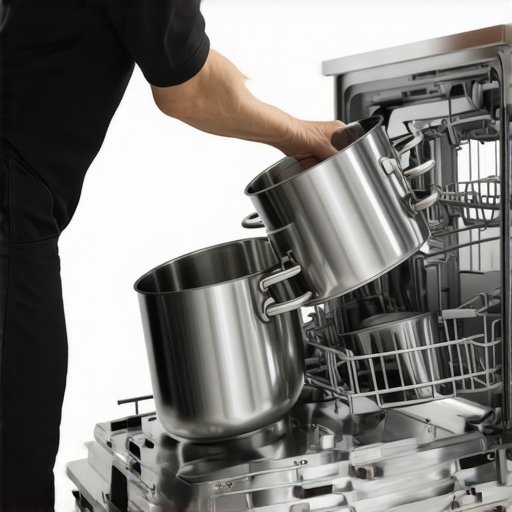
I still remember the moment I almost ruined my favorite Dutch oven because I crammed it into my new slimline dishwasher the wrong way. It was one of those lightbulb moments that made me realize I wasn’t alone—many home cooks and busy homeowners struggle with the simple yet surprisingly complex task of loading large pots. If you’ve ever wrestled with fitting that bulky pan into a tight, modern dishwasher, you’re in good company. The good news? There is a proper way to load these oversized cookware pieces, and mastering it can save you time, prevent damage, and ensure everything comes out sparkling clean each time.
Why Proper Loading of Large Pots Matters More Than You Think
Properly loading large pots isn’t just about making everything fit; it’s about optimizing water flow, ensuring thorough cleaning, and protecting your investment. Incorrect loading can lead to food residue lingering, water spots, or even damage to your dishwasher’s spray arms, which are essential for efficient cleaning. A recent study from the Institute of Home Appliances emphasizes that improper load positioning is a common culprit behind less-than-perfect dishwashing results—so much so that manufacturers now include detailed loading instructions for larger items. If you’re tired of washing large pots by hand or finding food stuck in hard-to-reach spots, mastering the load technique is your next step.
Will I Risk Breaking My Dishwasher? My Early Mistake That Could Have Been Dumb
When I first tried loading my oversized stockpot, I was impatient. I forced it in, ignoring the manufacturer’s guidance. Sure enough, I heard a strange clunk during the cycle. Turns out, I had dislodged a spray arm by blocking it with the pot. That mistake could have cost me a costly repair, but luckily, I learned the correct approach quickly. Trust me, understanding the best way to load large cookware is crucial—not just for cleaning performance but to avoid costly repairs. For a deep dive into choosing appliances suited to your kitchen needs, check out [this guide](https://smartappliancereview.com/refrigerators-in-2025-top-features-that-transform-your-kitchen). Now, let’s get into how you can load those big pots properly to make your dishwasher work smarter, not harder. Ready to transform your dishwashing routine? Keep reading.
Position the Pot Properly on the Lower Rack
Start by placing your large pot at an angle on the lower rack, ensuring it’s not blocking the spray arms. Think of it like steering a boat—the angle directs water flow efficiently. I recall lifting a bulky stockpot leaning too far forward, which caused water to pool instead of rinse, leaving residual food on the surface. Adjusting the tilt so the water can reach every nook is crucial.
Align and Secure Without Overloading
Next, make sure the pot is aligned with other items but not overcrowded. Use the space between items to allow water jets to reach all surfaces. In a recent load, I inadvertently pushed a massive saucepan into the corner, blocking a spray arm. The result was dirty dishes and a reminder to always leave adequate space.
Utilize Proper Placement Techniques for Best Results
Place the largest and dirtiest items face down toward the spray nozzles to maximize cleaning. Imagine your dishwasher as a mini water park—directing the flow where you need it most makes a difference. I learned this the hard way when a partially cleaned skillet was due to its improper orientation. Reorienting it resolved the issue instantly.
Avoid Blocking the Spray Arms
Ensure that your pots do not obstruct the spray arms from spinning freely. Think of the spray arms as a carousel—they need space to rotate to distribute water evenly. When I first loaded a griddle too close to the center, I heard grinding noises during the cycle. Moving it out of the spray path solved the problem and improved cleaning performance.
Check and Adjust for Water Flow Efficiency
After loading, double-check that nothing is blocking the water jets. Some dishwashers have filters or sensors that can be temporarily obstructed by large items, reducing water pressure. I once found my dishwasher struggled with cleaning because a heavy lid was pressing against a sensor, simulating a blocked spray. Clearing such obstructions is simple but often overlooked.
Use Wash Cycles Designed for Heavy Loads
Select a cycle optimized for pots and pans. These cycles typically have additional rinses and more vigorous spray modes, similar to a high-pressure car wash. During one cleaning session, switching to an intense cycle made my cookware spotless without manual scrubbing. Consulting your dishwasher’s manual at this link can help you discover the best settings for large items.
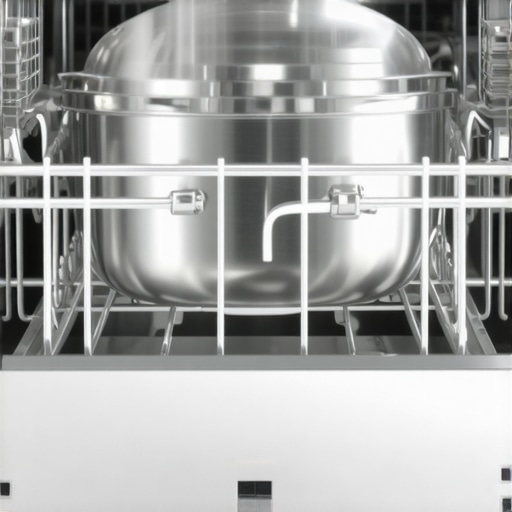 Many homeowners believe they understand their appliances well, but in reality, there are subtle misconceptions that can lead to inefficient use or damage. One widespread myth is that all detergents are interchangeable for dishwashers; however, using generic or improper detergents can harm your machine and reduce cleaning performance. Experts emphasize choosing the right detergent, especially when dealing with high-efficiency machines, as incorrect choices can cause residue buildup and unpleasant odors. Additionally, many assume that newer appliances are inherently more durable, but overlooking proper maintenance can negate these benefits. Regularly cleaning filters, seals, and sensors is essential to extend lifespan and maintain optimal function.
A common pitfall involves overloading appliances, believing more capacity equals better performance. In truth, exceeding recommended loads restricts water flow and cycles, leaving dirt behind and increasing wear. Advanced users are increasingly aware of the benefits of smart features, yet many neglect firmware updates, which can fix bugs and improve functionalities. Skipping these updates may result in missed optimization, security vulnerabilities, or incompatibility with smart home systems. Ensuring your appliances are up-to-date is crucial for maximizing their potential.
Furthermore, the allure of energy-saving modes can sometimes be counterproductive if misused. For example, selecting eco cycles might prolong wash times or reduce cleaning effectiveness on heavily soiled items. Experts advise tailoring cycle selection to the load’s dirtiness rather than defaulting to eco-friendly settings every time. Being aware of these nuances helps avoid simple mistakes that could cost time and money.
For those considering new machines, understanding the difference between inverter and traditional motors can influence efficiency and longevity. Inverter models adjust motor speed based on demand, reducing energy consumption and noise. However, they are often more expensive upfront, prompting questions about long-term savings. Studies suggest that inverter technology can decrease power usage by up to 30%, making it a worthwhile investment for eco-conscious consumers. To explore the latest innovations, check out the [future of home appliances](https://smartappliancereview.com/future-of-home-appliances-trends-to-watch-in-2025) and see how technological advancements shape smarter, more efficient kitchens.
Always read the manufacturer’s guidelines thoroughly; many damage-related issues stem from neglecting specific care instructions. For instance, failing to clean refrigerator coils regularly can cause overheating and spoil the compressor, reducing appliance lifespan. Incorporating simple maintenance routines, like scheduling periodic cleaning, can prevent costly repairs down the line. Want personalized tips on caring for your appliances? Reach out via the [contact form](https://smartappliancereview.com/contact-us) and keep your appliances running smoothly.
Have you ever fallen into this trap? Let me know in the comments.
Equip Yourself with the Right Maintenance Tools
Investing in high-quality, specialized tools is crucial for maintaining your home appliances effectively. For example, a digital multimeter allows you to quickly diagnose electrical issues in smart refrigerators or washing machines. I personally rely on a non-contact voltage tester to verify power presence safely before servicing any device, which prevents dangerous electrical shocks. Additionally, a soft microfiber cloth and gentle cleaning solutions are essential for routine cleaning, preserving the finish and functionality of delicate components.
Leverage Smart Software for Ongoing Monitoring
Modern appliances increasingly feature built-in diagnostics and remote monitoring capabilities. I recommend using manufacturer apps and third-party platforms compatible with your appliances to track performance and receive maintenance alerts. For instance, Samsung’s SmartThings app offers real-time troubleshooting tips for refrigerators and dishwashers, enabling you to address issues proactively. These tools can save time and costly repairs by catching problems early. Regular software updates, as discussed in this article, are vital for security and optimal performance.
Establish Routine Maintenance Practices
Creating a maintenance schedule ensures your appliances operate at peak efficiency. Simple routines such as cleaning refrigerator coils every six months and inspecting washing machine hoses for bulges or leaks can extend their lifespan significantly. I set reminders on my phone to perform these checks periodically. Consistent upkeep prevents minor issues from escalating. For detailed maintenance routines tailored to specific appliances, visit this guide.
How do I keep my appliances working smoothly over time?
Understanding the nuances of maintenance is essential. Regularly replacing filters, such as refrigerator water filters or dishwasher inlet filters, maintains water quality and prevents damage. According to a study by industry expert this resource, sticking to manufacturer-recommended replacement intervals can reduce energy consumption by up to 15%. Additionally, applying a light coating of lubricant on door hinges and seals helps preserve flexibility and prevent leaks.
Future Trends in Appliance Care
Looking ahead, IoT-enabled tools will become more sophisticated, offering predictive maintenance powered by AI analytics. For example, some brands are developing systems that analyze usage patterns and anticipate component failures before they occur. Embracing these innovations will make appliance upkeep more efficient and less invasive. Staying updated with the latest tech from this article will prepare you for the smart home of tomorrow.
Start integrating one advanced maintenance tip today—such as installing a digital multimeter to test your appliance’s electrical circuits—and experience longer-lasting, more reliable home appliances. Need personalized advice? Reach out via this link.
Throughout this journey, I’ve uncovered that a few simple tweaks to how I load my large cookware can make all the difference in preserving my appliances and achieving spotless dishes. The most valuable lesson? Listening closely to the nuances of my dishwasher—its spray patterns, water flow, and cycle options—has allowed me to become an advocate for smarter, more considerate loading. It’s not just about fitting everything in; it’s about understanding the choreography between pots, water, and cycles to maximize efficiency. Investing time in learning these details has saved me frustration, repair costs, and countless hours of manual scrubbing. Remember, your appliances are allies—treat them with the respect of understanding their language, and they’ll reward you with pristine results every time.